



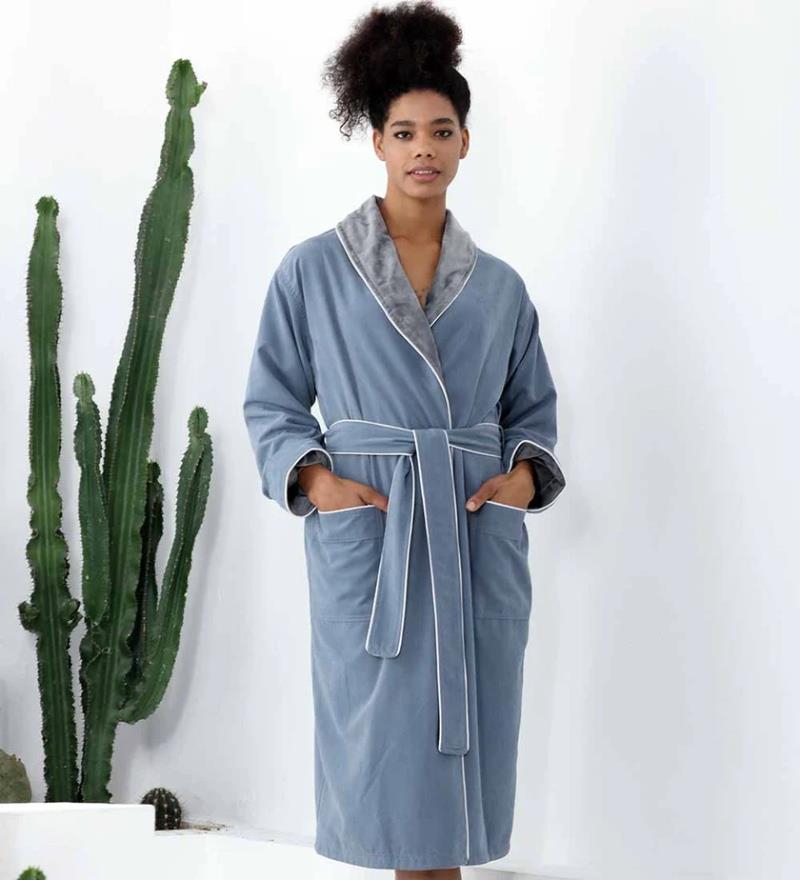
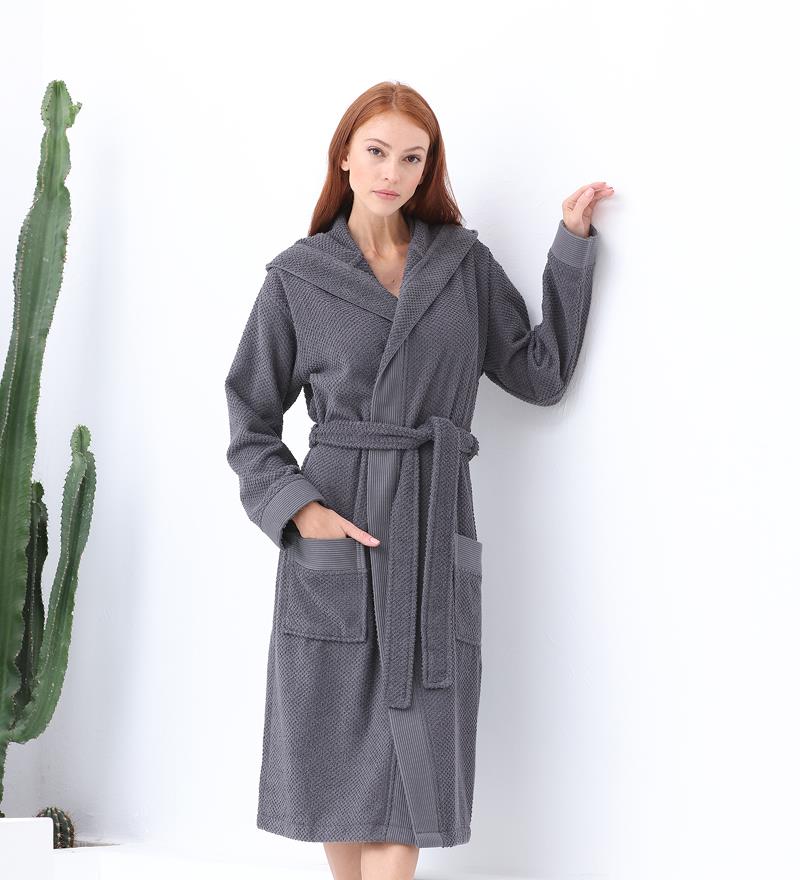


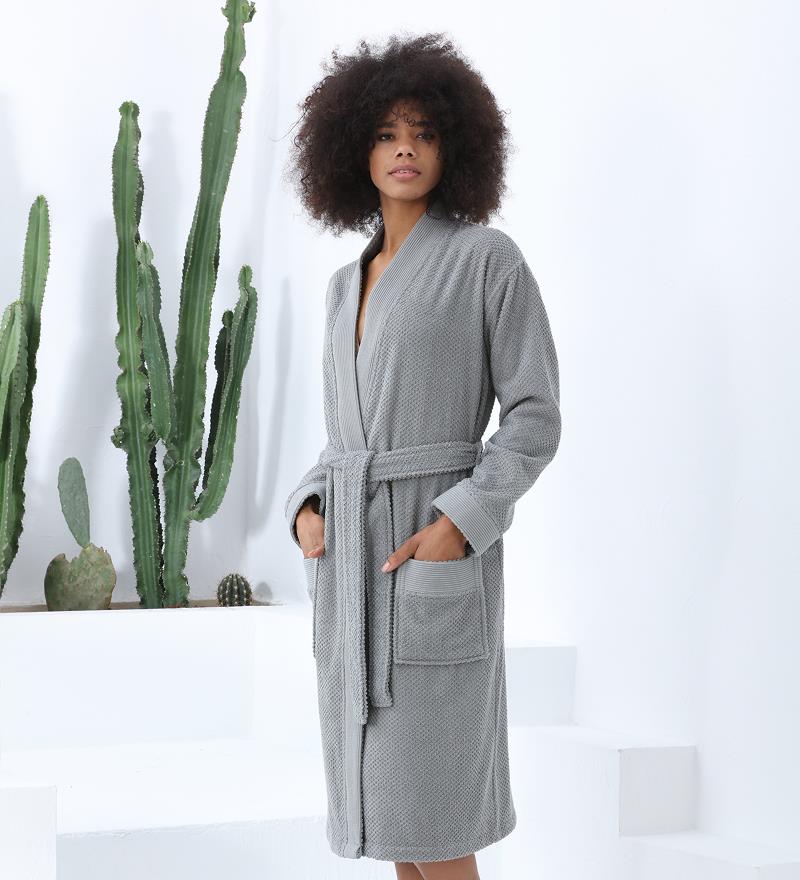

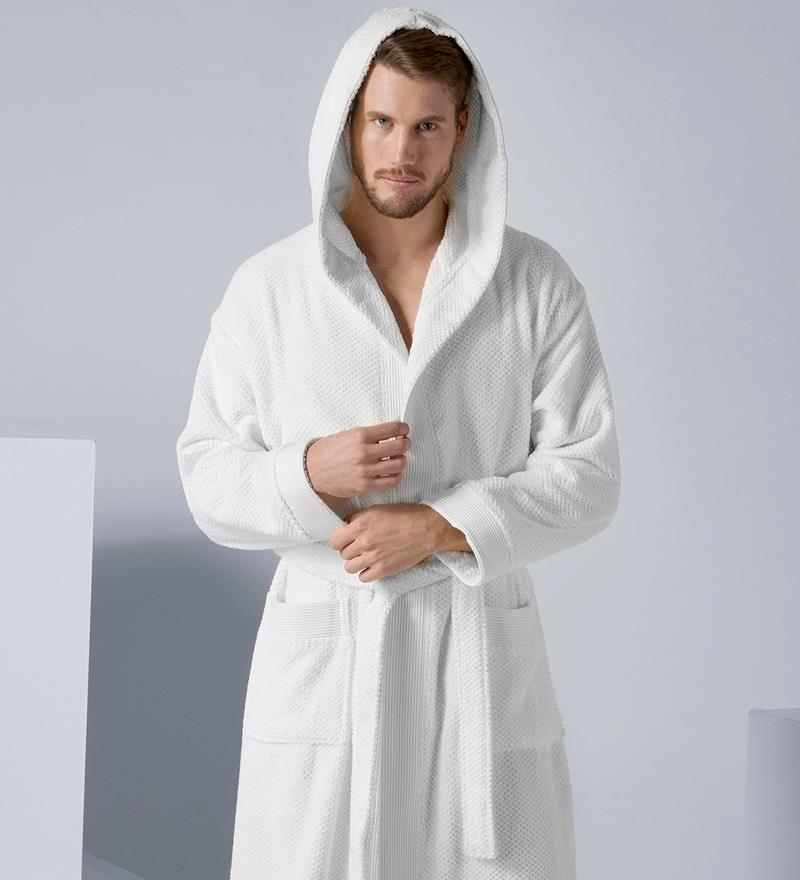





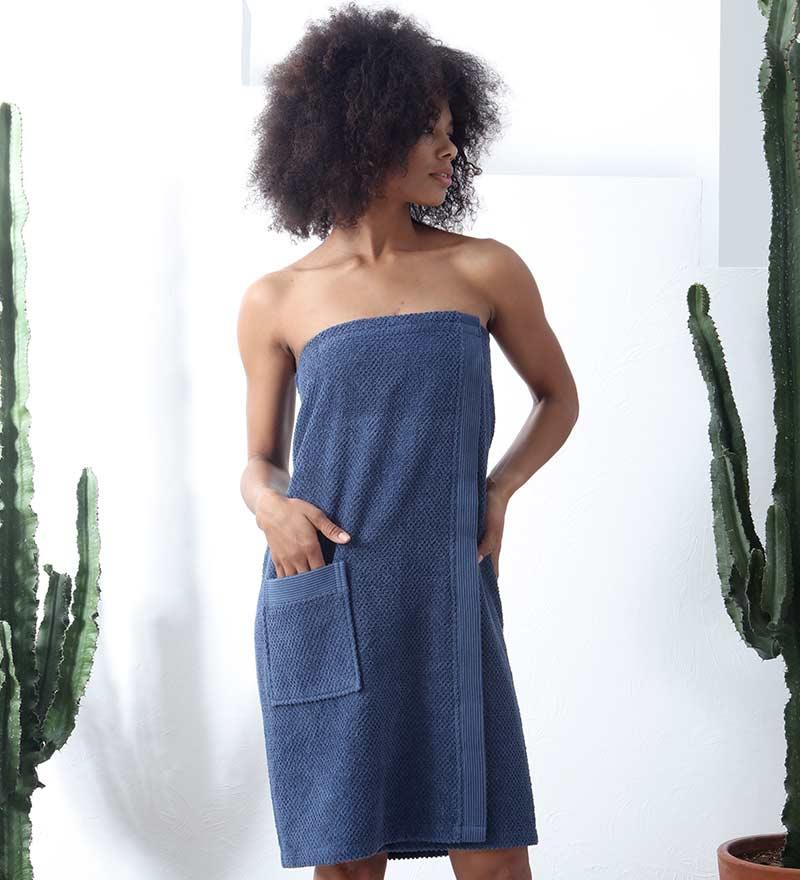

- Waffle Robes
- Terry Cloth Robes
- Microfiber Robes
- Turkish Cotton Robes
- Towel Robes
- View All Robes by Material


Raising Green: How to Model Sustainability for Your Kids
Teaching children about sustainability starts at home. Kids don’t just absorb our words—they mirror our actions. When they see us recycling, reducing waste, or choosing eco-friendly products, they begin to see those habits as the “normal” way to live. By modeling green practices in everyday life, we plant seeds of responsibility, empathy, and respect for the Earth that grow alongside them.
Raising eco-conscious children isn’t about perfection or overhauling your lifestyle overnight. It’s about weaving small, intentional choices into your family’s daily rhythm—choices that teach kids to love nature, respect resources, and live with purpose.
1. Lead by Example in Everyday Habits
Children are keen observers. They notice when you carry a reusable bag, switch off the lights, or choose pure & safe, GOTS Certified Organic products. These small actions may seem simple, but they leave lasting impressions.
Practical ways to model sustainability:
- Energy conservation: Involve kids in switching off unused lights and unplugging devices.
- Reusable culture: Carry your own bottle or mug and encourage them to do the same.
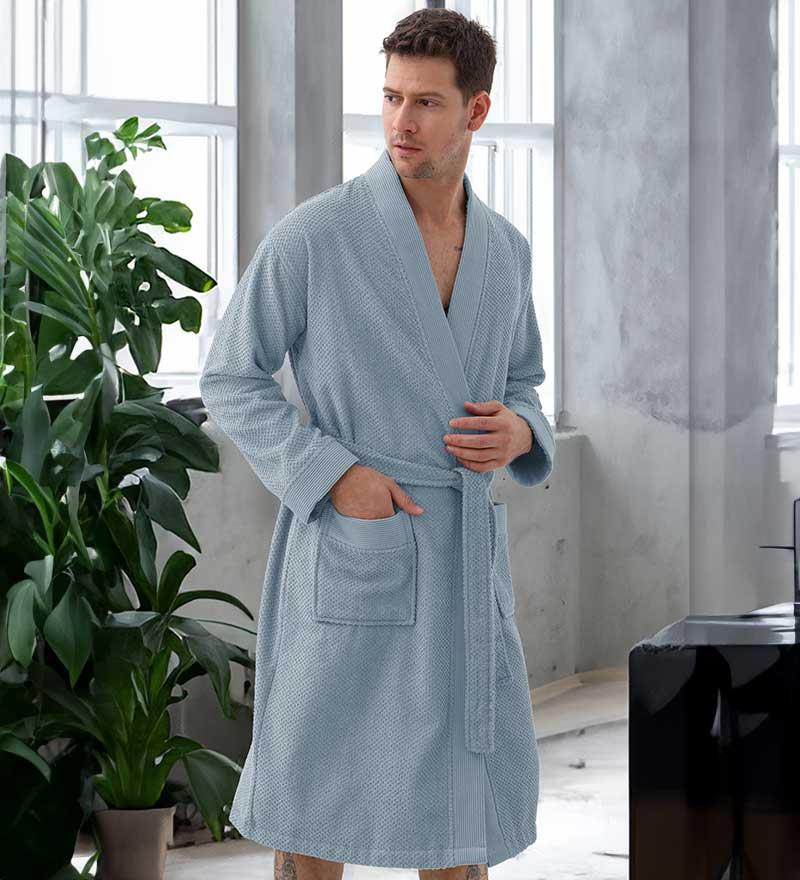
- Eco-friendly textiles: Opt for Turkish Cotton towels and robes that are ethically made and built to last.
By making sustainability part of your normal routine, you show children that eco-friendly living isn’t a special event—it’s everyday life.
2. Build a Connection With Nature
Children protect what they feel connected to. Spend time together outdoors so they can experience the wonder of the natural world firsthand. This connection creates a sense of stewardship for the planet.
Ideas to nurture that bond:
- Go for regular nature walks, hikes, or bike rides.
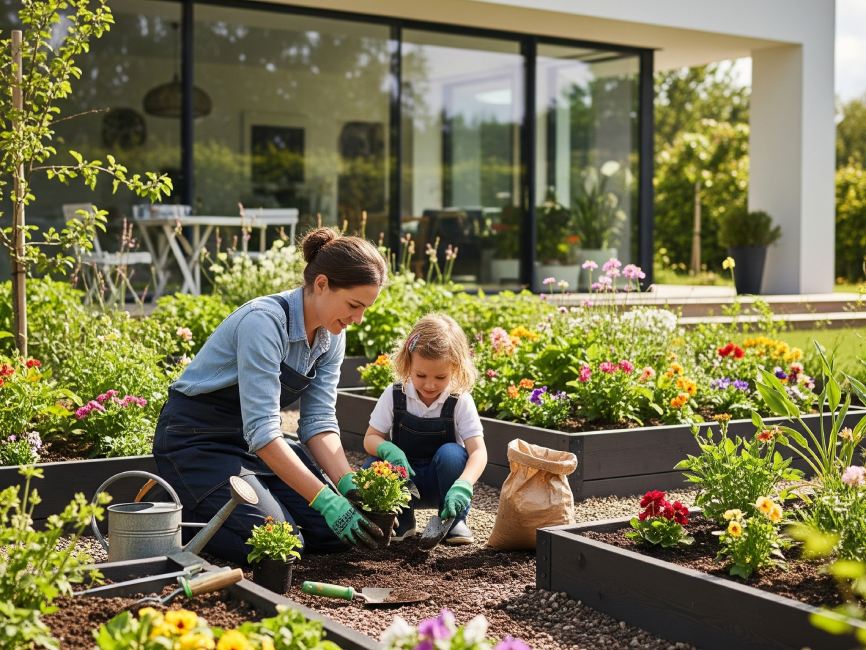
- Plant seeds in a small garden or even pots on the balcony.
- Collect leaves, shells, or stones, and talk about where they come from.
- Explore local parks, forests, or beaches to discover new plants and animals.
When kids see the beauty of a butterfly, the growth of a seedling, or the sparkle of a river, they naturally develop a desire to care for it.
3. Make Sustainable Choices Visible
Every choice is a teaching moment. When you select organic cotton sheets or chemical-free fabrics, explain your reasons:
- “We choose organic because it’s healthier for our skin.”
- “These clothes last longer and are better for the environment.”
These simple explanations help children connect everyday decisions with bigger values like health, sustainability, and ethical responsibility.
4. Practice the Three Rs as a Family
The principles of Reduce, Reuse, Recycle are simple but powerful tools for kids to learn.
- Reduce: Save water by turning off taps, cut down on food waste by composting, and reduce plastic by bringing your own bags and containers.
- Reuse: Wrap gifts in fabric, use durable lunchboxes instead of disposable packaging, and repurpose jars or boxes for storage and crafts.
- Recycle: Set up separate bins at home and let children help sort materials. Donate gently used clothes and toys, showing them how recycling extends beyond trash to community giving.
Turning these into family routines ensures sustainability becomes second nature.
5. Turn Daily Tasks Into Learning Moments
Household chores and routines can double as eco-lessons:
- Laundry care: Teach children how to extend the life of clothing by washing properly—separately in warm water, tumble dry low, use non-chlorine bleach if needed, and warm iron only.
- Cooking: Show them how to prepare meals using seasonal produce and explain why local foods are better for the environment.
- Waste sorting: Involve them in separating compost, recycling, and trash to understand how resources are managed.
These moments not only teach sustainability but also give kids a sense of independence and responsibility.
6. Celebrate Small Wins and Progress
Positive reinforcement is key. Celebrate the little things your child does, whether it’s turning off a tap, reusing a container, or remembering to recycle. Praise and encouragement transform green habits into joyful practices they’ll carry into adulthood.
You might create a “green star chart” for eco-friendly tasks at home or plan a special outdoor activity to celebrate a month of sustainable actions.
Raising green kids isn’t about living perfectly—it’s about living intentionally. When you model mindful habits, encourage nature connections, and celebrate eco-friendly choices, you give your children more than just good routines. You give them values that shape who they become.
From ethically made Turkish Cotton robes to waste-free lunchboxes and garden adventures, every step matters. The habits you model today create ripples that will extend far beyond your home, helping raise a generation that sees sustainability not as a challenge but as a way of life.
Related Posts


Related Products
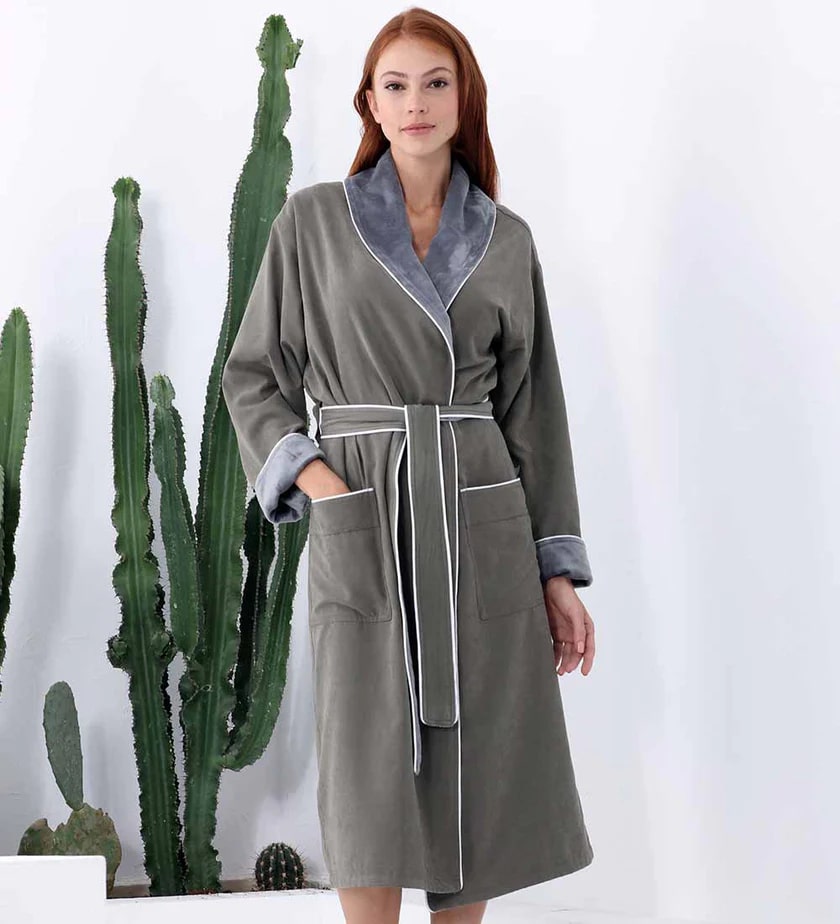



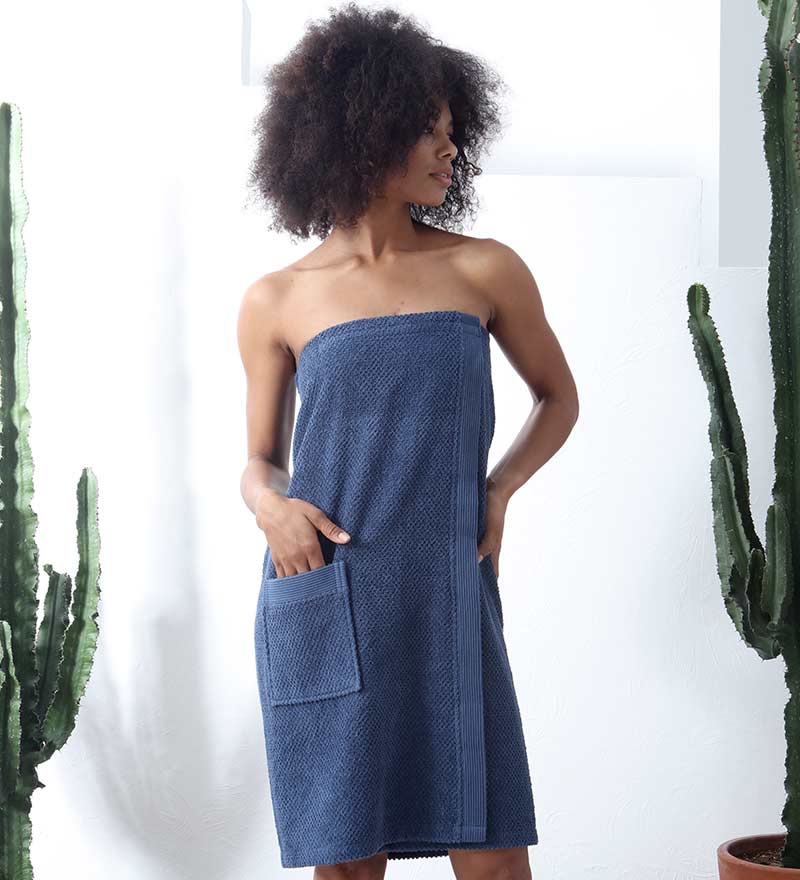





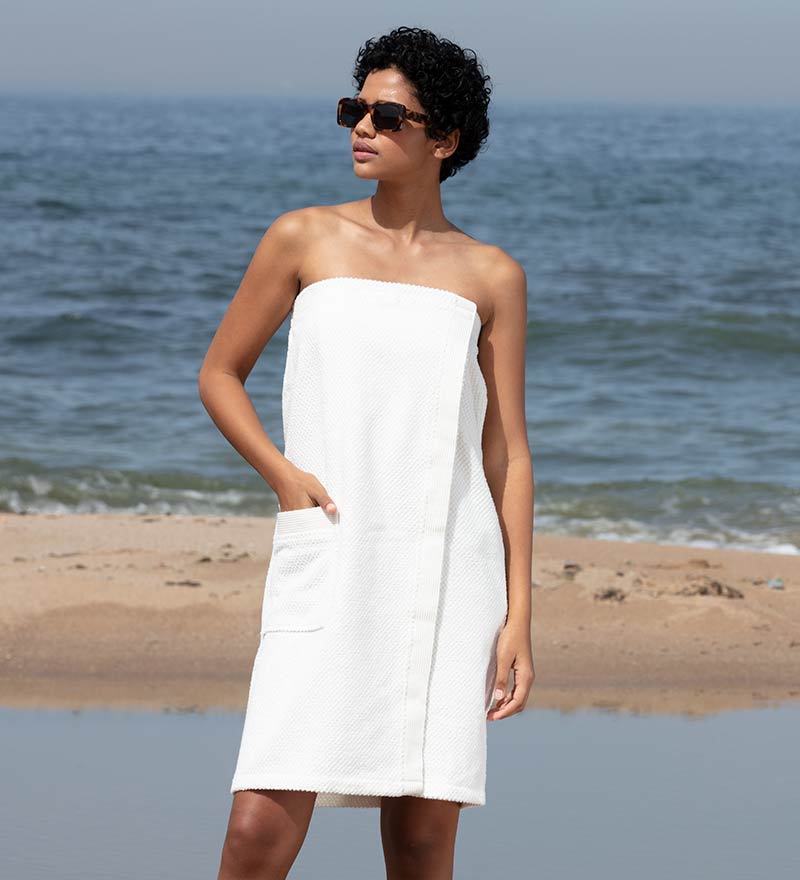

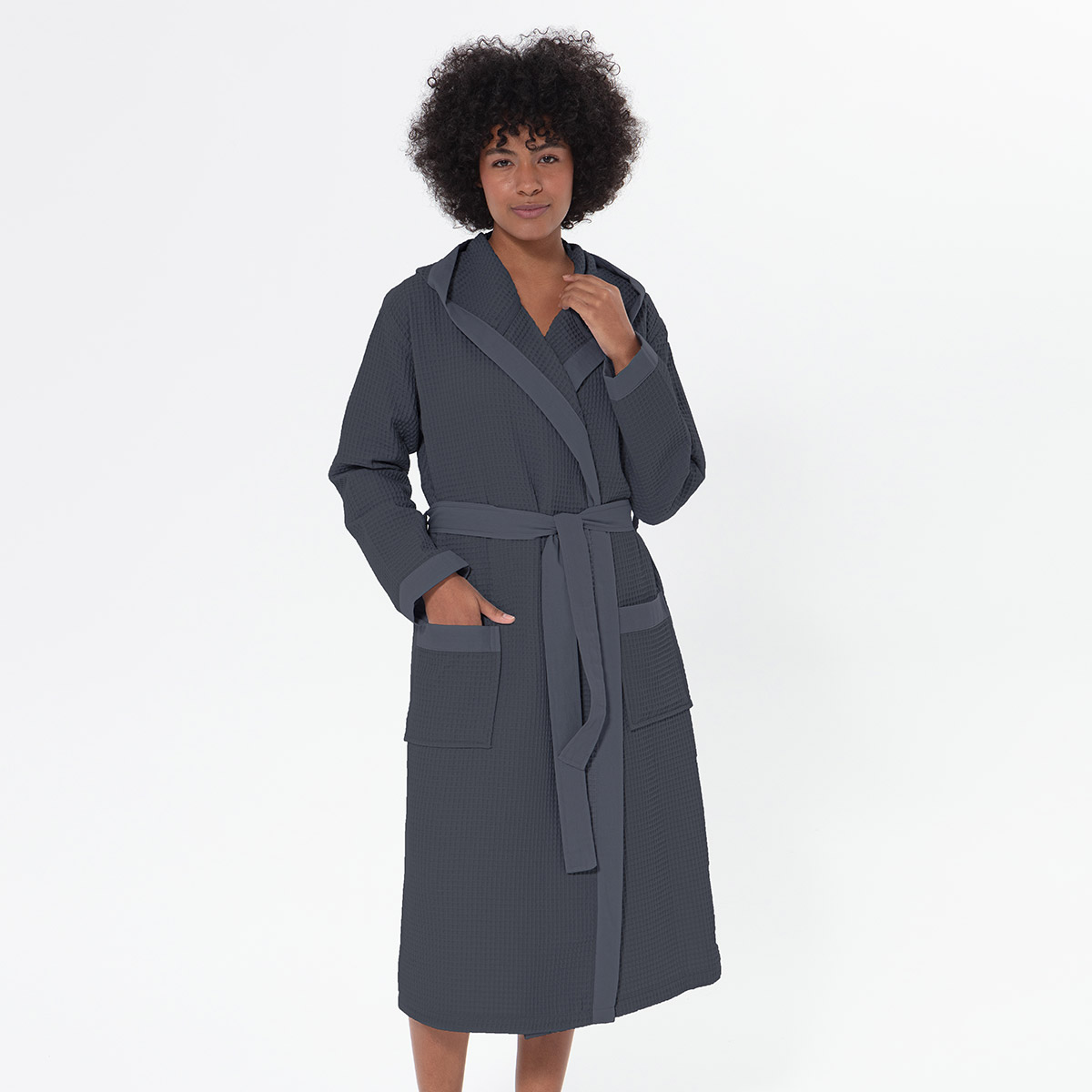




Offering high-quality bathrobes for both women and men with GOTS certification
Our commitment to excellence is reflected in our use of the Global Organic Textile Standard (GOTS) certification for our products. GOTS is a benchmark for organic textiles, ensuring environmentally friendly and socially responsible manufacturing processes.








FREE STANDART DELIVERY
STRESS-FREE SHOPPING
ONLINE CUSTOMER SERVICE