The History of the Bathrobe: From Antiquity to the Present
A symbol of post-bath comfort, the bathrobe is now an essential element of personal care routines. However, its journey doesn't begin in modern times. From ancient civilizations to the Ottoman Empire and European palaces, this textile item has served both functional and cultural roles throughout history. Here is the fascinating story of the bathrobe across the ages…
Cleansing Rituals and Draping Traditions in Antiquity
While not a direct ancestor, garments used for draping were common in ancient civilizations and served similar purposes to modern bathrobes.
In Ancient Egypt, linen wraps were used both for sun protection and post-cleaning coverage.
The Greeks and Romans would wrap themselves in cloth after communal baths, turning cleanliness into a ritual.
During the Roman Empire, these cloths were widely used, particularly in public bathhouses.
Although these early garments served similar functions, they had yet to take the modern bathrobe form.
The Rise of the Bathrobe in the Ottoman Era
The true recognition and widespread use of the bathrobe began during the Ottoman Empire.
An integral part of the hammam (Turkish bath) culture, peştemals gradually evolved into thicker, softer robes that resemble modern bathrobes.
In the palaces, robes made from luxurious, embroidered fabrics were symbols of elegance and wealth.
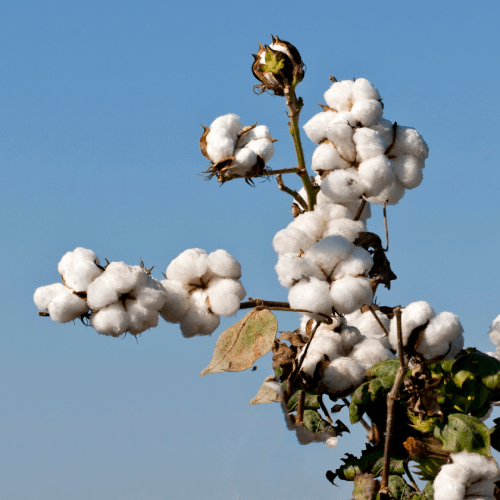
The widespread use of cotton fabrics increased popularity thanks to their absorbency and skin-friendly properties.
In Ottoman culture, the bathrobe was not just a necessity—it became a cultural icon.
The Spread of the Bathrobe in Europe
By the 18th and 19th centuries, interest in bathing grew across Europe, and the bathrobe gained popularity.
Early designs were inspired by dressing gowns and robes.
Produced with velvet, silk, and satin, bathrobes became a status symbol among nobles and aristocrats.
They were worn not only after bathing but also in the morning or as loungewear at home.
This period marked the bathrobe’s transformation into a luxurious and aesthetic part of daily life in Europe.
The Evolution of the Modern Bathrobe
With industrialization and advances in textile technologies, bathrobes diversified to meet different needs.
Made from various fabrics like cotton, bamboo, and microfiber, they became more functional.
They became a standard feature in hotels, spas, and gyms.
A wide range of models was developed to suit different age groups, styles, and preferences.
Today, bathrobes serve not only for drying off but also as symbols of self-care, relaxation, and personal style.
The history of the bathrobe reflects not just the evolution of a textile item but also the transformation of hygiene practices, cultural values, and lifestyles. What began as simple fabric for covering has evolved into elegant, detailed garments crafted from luxurious materials. Today’s bathrobes are not only practical—they represent personal comfort and sophisticated living. This journey through time shows that a bathrobe is more than just clothing; it’s a way of life.