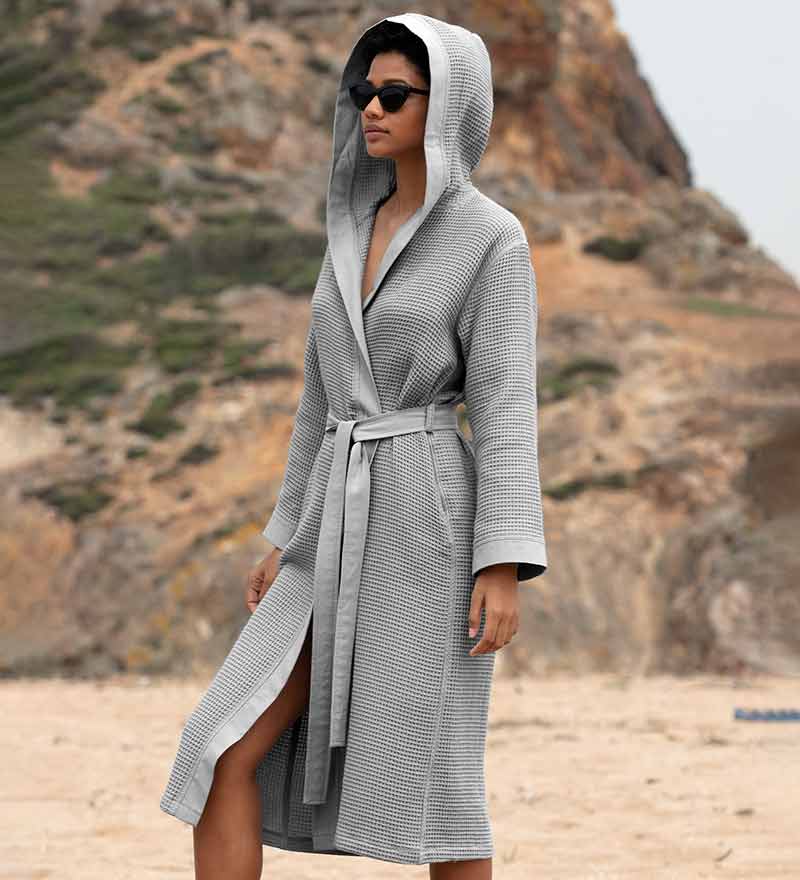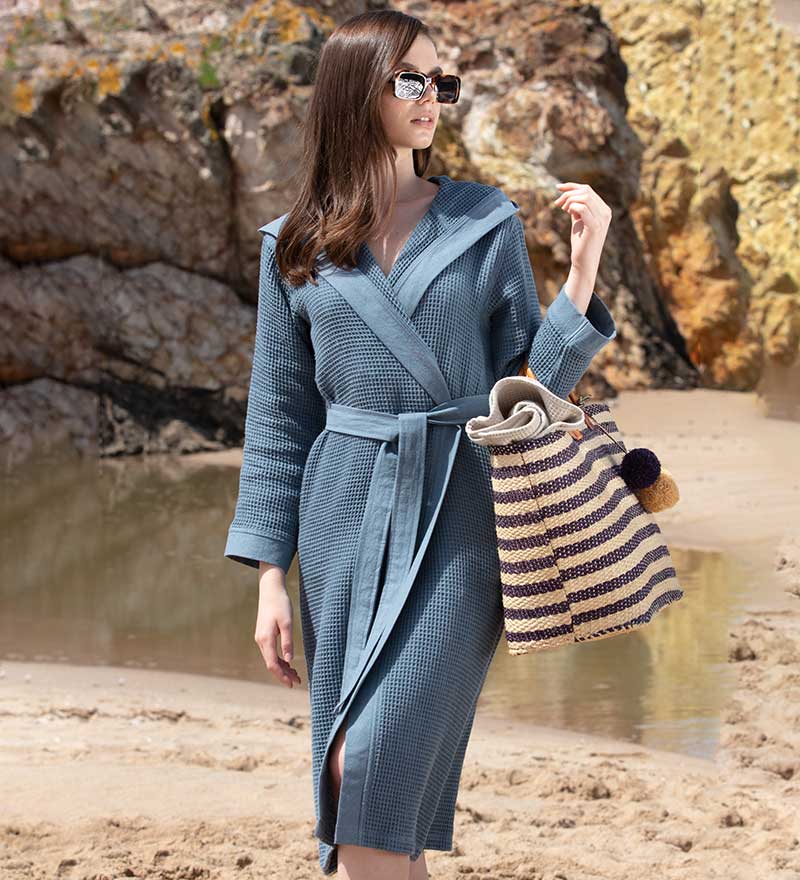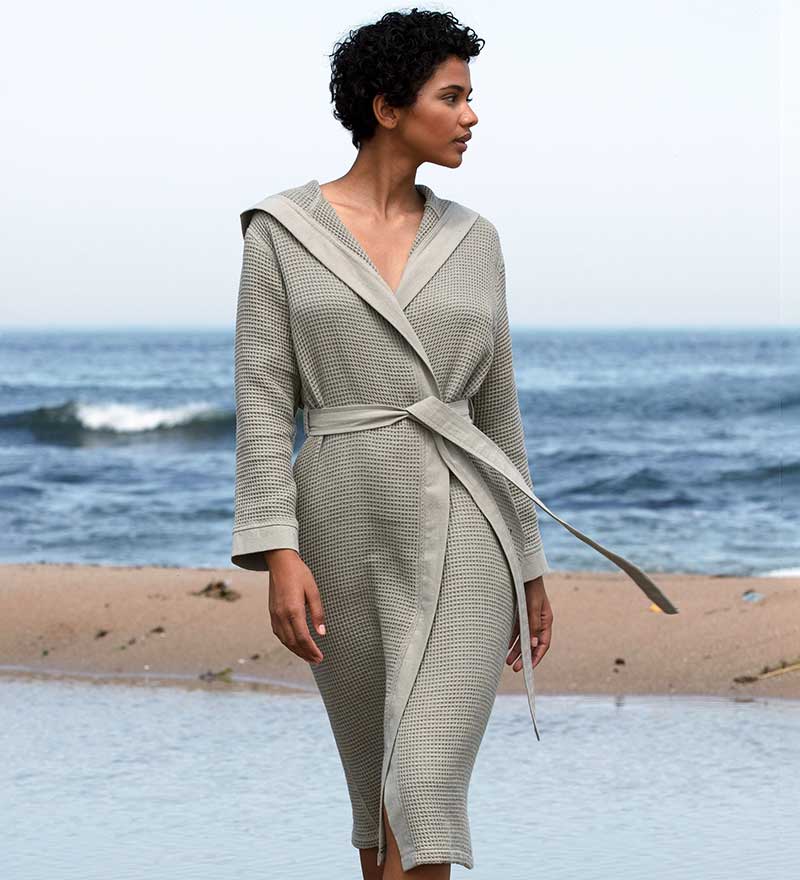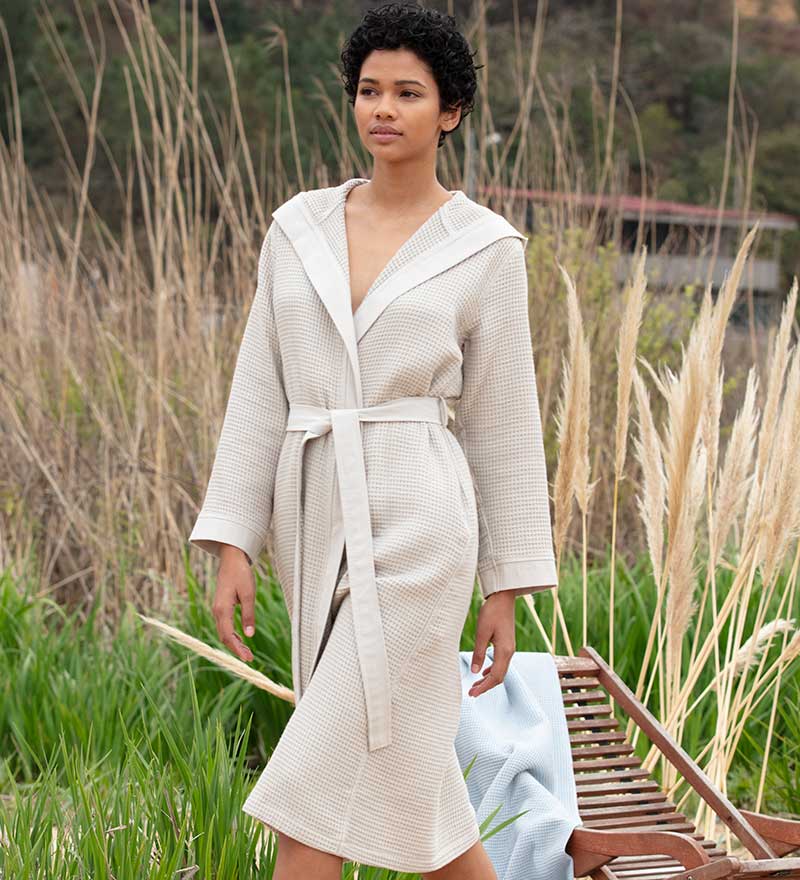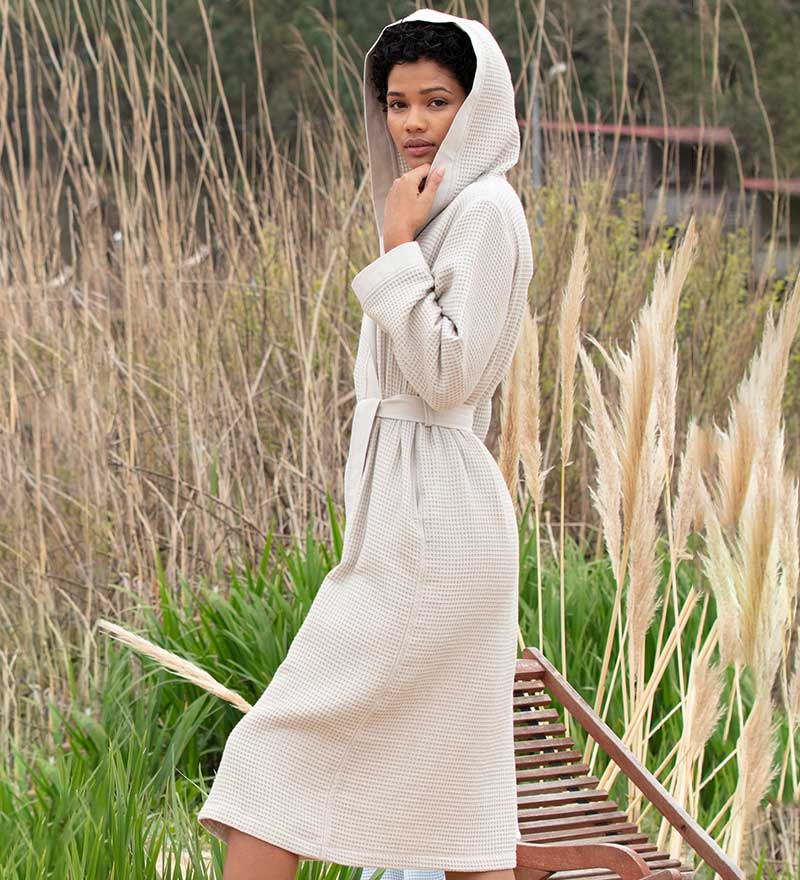




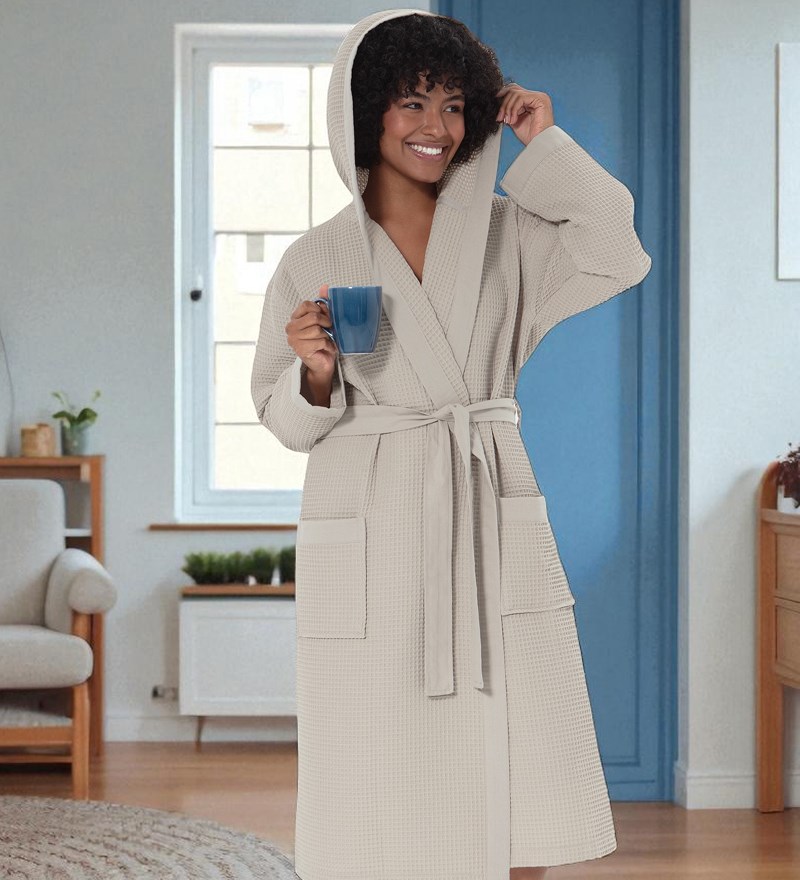
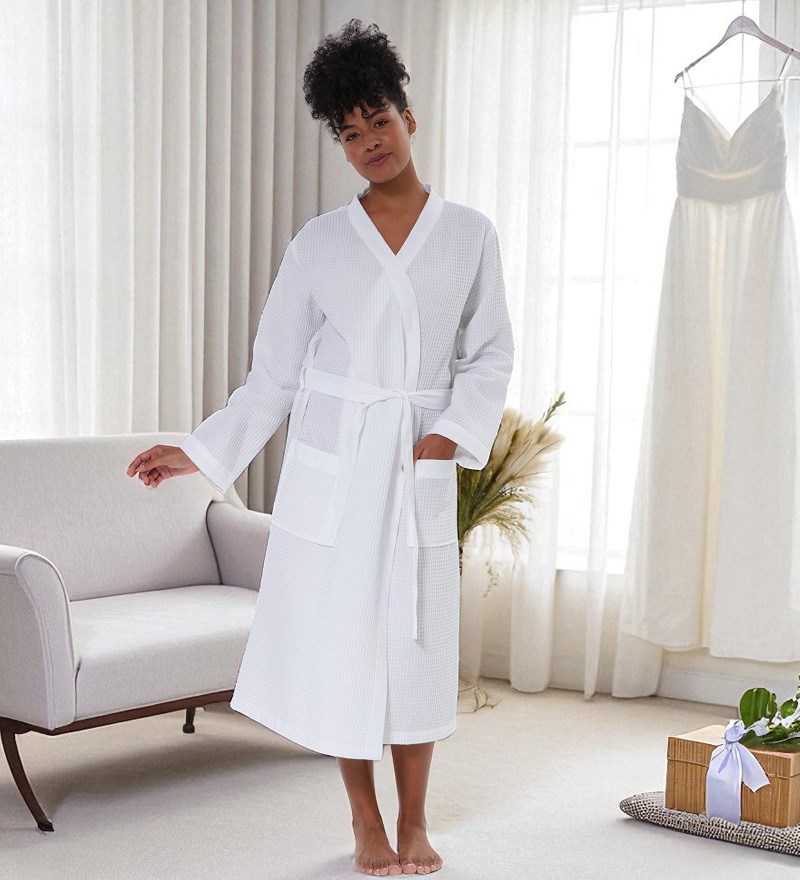
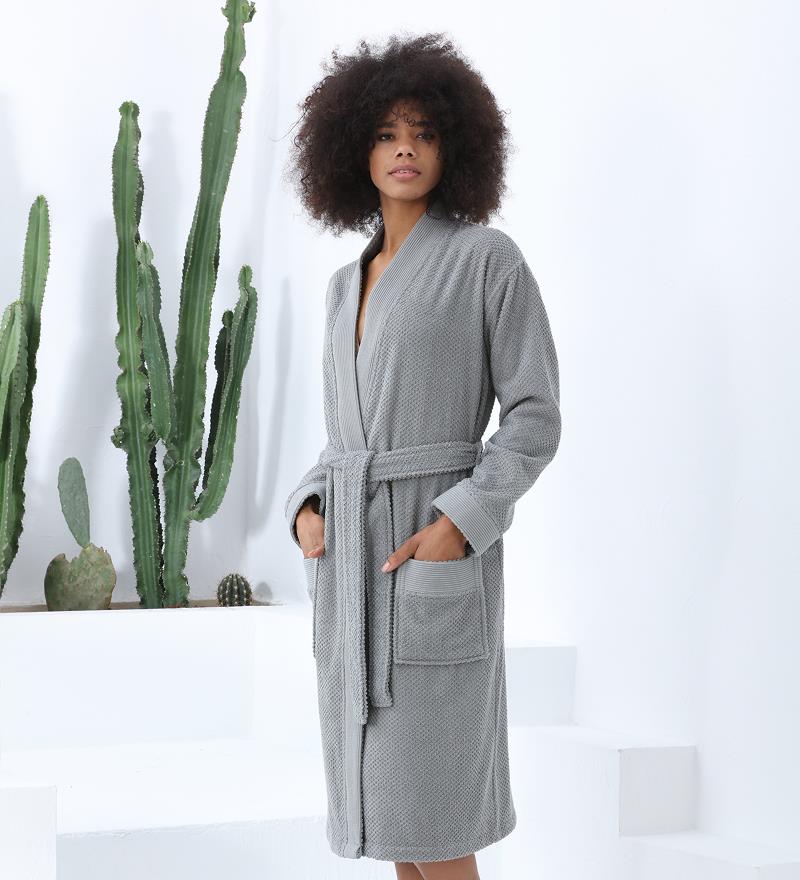
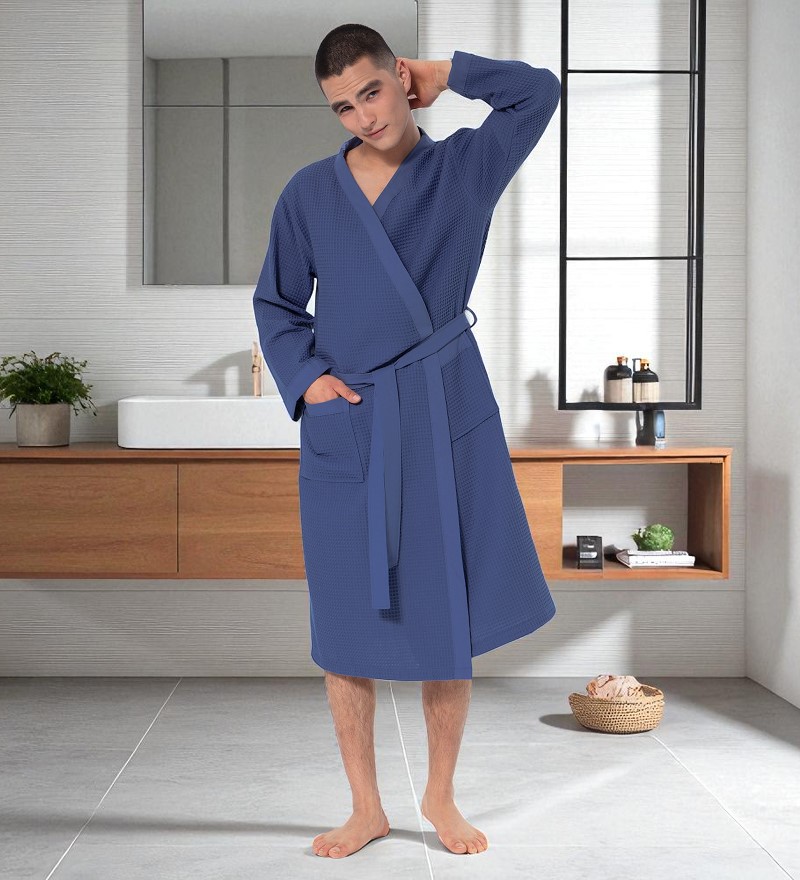
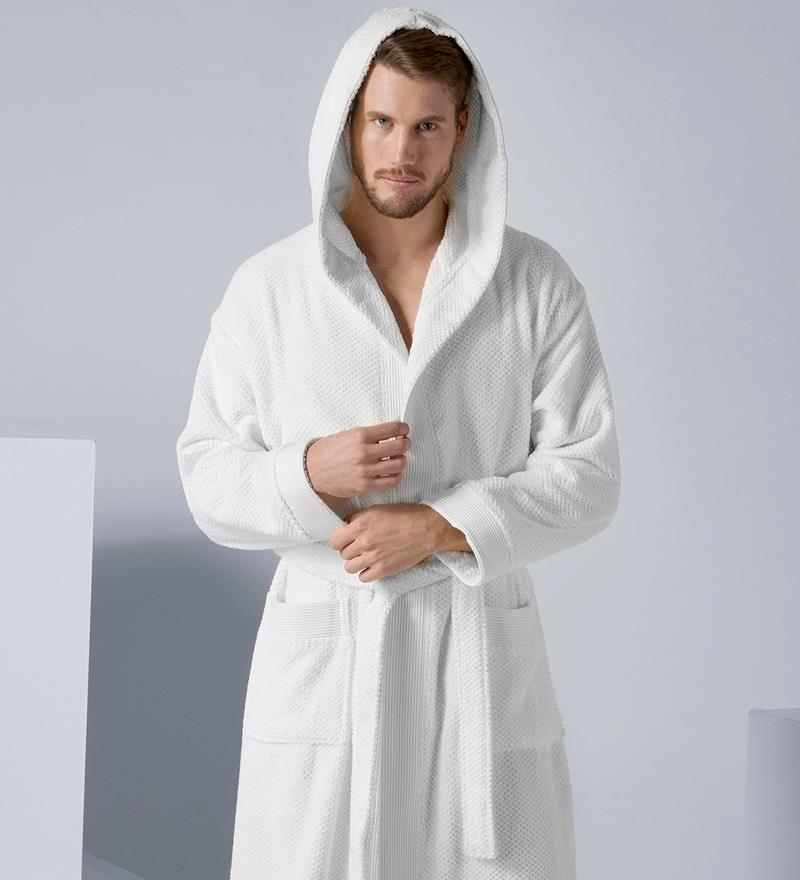





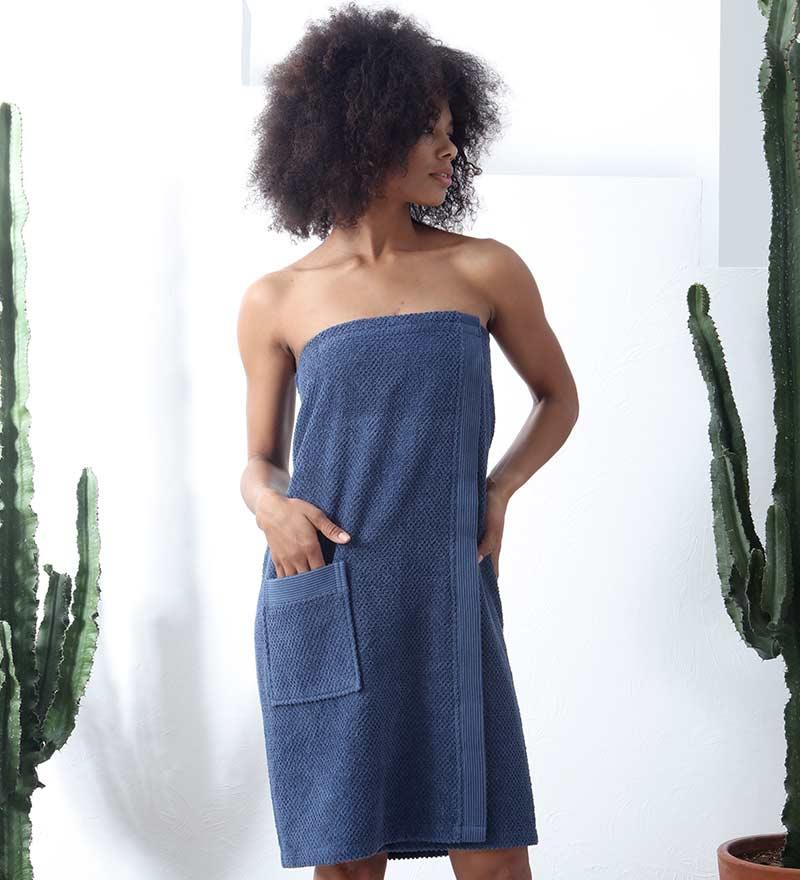
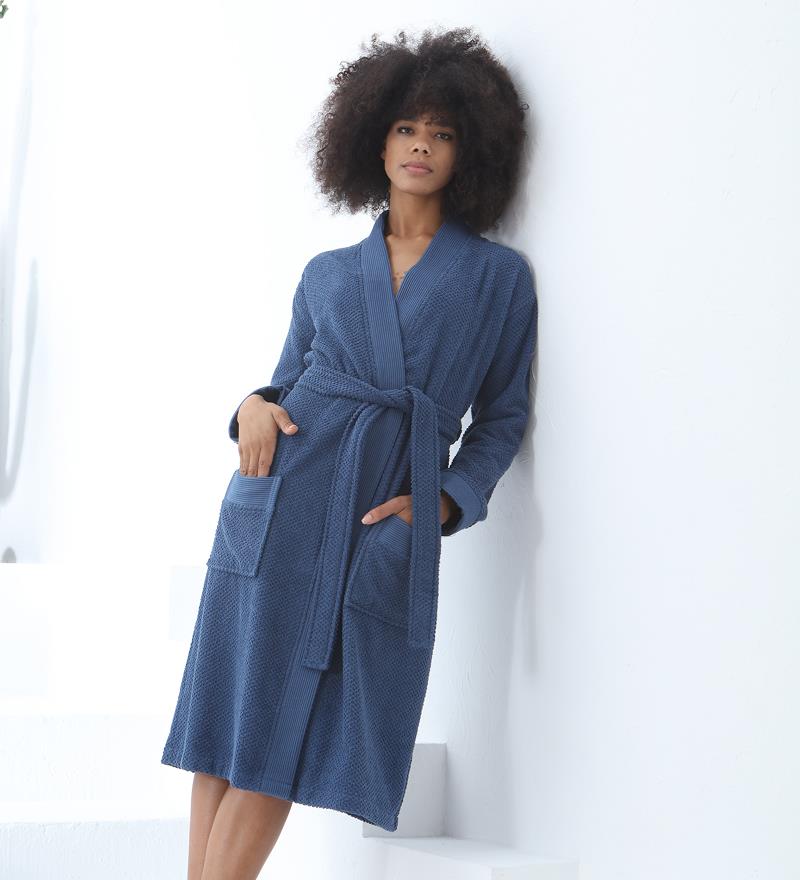
- Waffle Robes
- Terry Cloth Robes
- Microfiber Robes
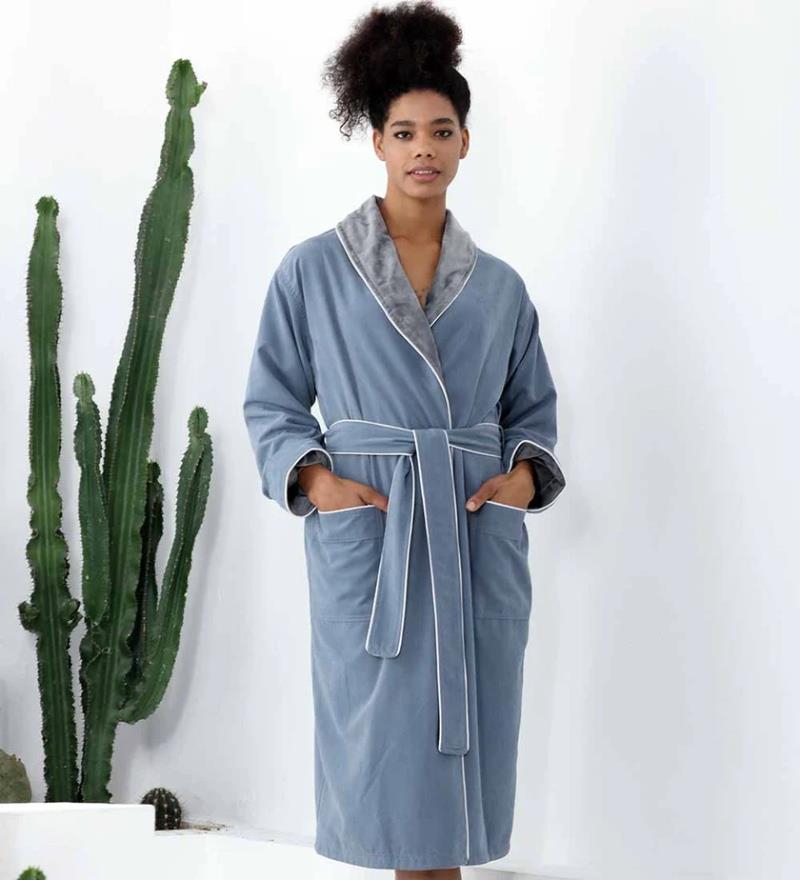
- Turkish Cotton Robes
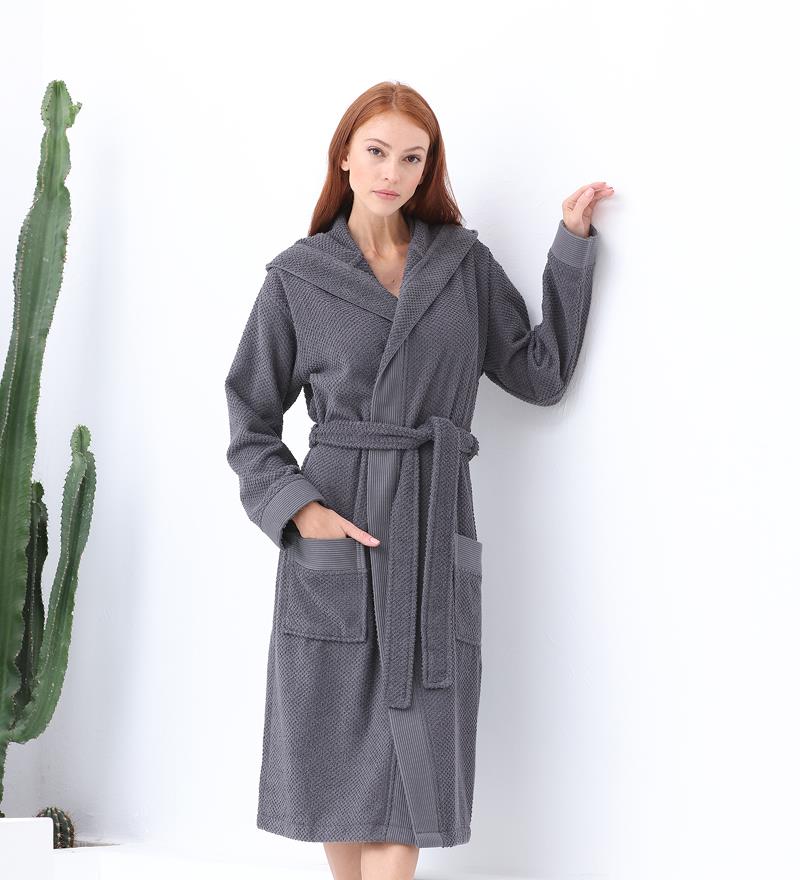
- Towel Robes
- View All Robes by Material


Bridal Party vs Wedding Party: Modern Etiquette Guide 2026 - Seyante
You're probably doing what many couples do right after getting engaged. You open a notes app, start listing who'll stand with you on the day, and hit a surprisingly sticky question almost immediately: should you call them your bridal party or your wedding party?
That small wording choice can feel bigger than expected. It shows up on your website, in your group chats, on printed programs, and in the way people understand their role. It also says something about the kind of celebration you're planning, whether that's classic and formal, relaxed and modern, or somewhere in between.
The good news is that this isn't a trick etiquette question. It's really a clarity question. Once you understand what each term traditionally meant, and why so many couples now choose different language, it gets much easier to pick words that fit your people and your values.
Weddings are full of special traditions — and special people. If you’re planning a wedding or part of one, you’ve probably heard the terms bridal party and wedding party. While they’re sometimes used interchangeably, they actually refer to different groups with distinct roles. Here’s what sets them apart and how to decide who belongs where.
Starting Your Wedding Plan With the Right Words
At first glance, bridal party vs wedding party looks like a tiny wording issue. In real planning life, it affects a lot of decisions. It shapes how you ask people, how you label roles, and how comfortable everyone feels when they read those labels.
Some readers get confused because they've heard both terms used casually by friends, family, and vendors. Others assume they mean the exact same thing. They're related, but they aren't identical. One comes from a more traditional setup. The other fits more naturally with the way many couples organize weddings now.
Why this choice matters early
When you choose your language early, everything else becomes simpler:
- Your invitations stay consistent: Names, roles, and wording match across every printed piece.
- Your website feels clearer: Guests understand who's involved and what those titles mean.
- Your attendants know their place: People won't wonder whether a label fits them or excludes them.
- Your tone becomes intentional: Formal weddings often use older wording. Personalized weddings often use broader wording.
A common planning mistake is waiting until late in the process to decide. Then one item says “bridal party,” another says “attendants,” and your ceremony program says “wedding party.” That doesn't ruin anything, but it can make the whole event feel less polished.
Practical rule: Pick your umbrella term before you order stationery or build your wedding website.
A quick first distinction
Here's the simplest starting point.
| Term | Traditional meaning | Main focus | Typical feel |
|---|---|---|---|
| Bridal party | The bride's attendants | Supporting the bride | More traditional |
| Wedding party | The group supporting the couple | Supporting both partners | More modern and inclusive |
That's the short answer. The fuller answer depends on your relationships, your ceremony style, and whether gendered role labels feel natural to you or not.
Defining the Traditional Bridal Party
The traditional bridal party centers on the bride and the people chosen to support her. Historically, that usually meant a smaller group with roles closely tied to the bride's experience before and during the ceremony.

When people use this term in the classic sense, they usually mean attendants such as the maid or matron of honor, bridesmaids, and sometimes younger ceremonial roles connected to the bride's side. The focus is personal and bride-centered. The title itself signals that.
Who traditionally belongs in a bridal party
In a conventional setup, the bridal party often includes:
- Maid or matron of honor: The bride's primary support person.
- Bridesmaids: Friends or relatives helping with planning and day-of needs.
- Flower girl or similar role: A ceremonial role often associated with the procession.
These roles are familiar because they've appeared in wedding etiquette for generations. They also come with expectations that many people still find meaningful and comforting.
What the bridal party usually does
The responsibilities are less about formal authority and more about practical care. A bridal party often helps with the emotional and logistical side of the wedding experience.
Examples include:
- Pre-wedding support: Going to fittings, helping with outfit decisions, and checking details.
- Celebration planning: Assisting with events connected to the bride, such as a shower or pre-wedding gathering.
- Getting-ready help: Managing small tasks on the morning of the wedding.
- Ceremony support: Standing with the bride, holding bouquets, or helping with dress details.
If you want a practical packing and prep reference for that part of the day, this bridal party essentials checklist for getting ready is useful.
Traditional wording can still be the right wording. If your group is genuinely bride-centered and everyone is comfortable with those labels, you don't need to change it just to sound current.
When the traditional term still fits well
The term bridal party often makes sense when your wedding has a classic structure and clearly defined roles. It may fit if:
- You identify strongly with the title bride
- Your attendants are all serving in bride-specific roles
- You prefer formal etiquette language
- Your ceremony follows a familiar, traditional format
Where readers often get mixed up is this: using the term “bridal party” doesn't make a wedding outdated. It carries a narrower meaning. If that meaning matches your event, it's still perfectly appropriate.
Understanding the Modern Wedding Party
The broader term wedding party reflects a major shift in wedding language and wedding culture. Traditional usage defined the bridal party as the bride's attendants, while the broader wedding party includes everyone supporting the couple. Modern wedding guidance also notes that many couples now prefer “wedding party” because gender no longer determines who stands on either side of the aisle, and that broader, more flexible approach has become mainstream enough that major wedding resources frame “wedding party” as the more modern, all-inclusive term, as explained in this overview of the shift from bridal party to wedding party language.
That change matters because older language assumed a split: women on the bride's side, men on the groom's side. Many couples don't organize their closest relationships that way anymore. A sibling, best friend, cousin, or longtime friend might stand with one partner regardless of gender, clothing choice, or traditional title.
What makes the term feel more inclusive
Wedding party works as an umbrella term. It can include people in classic roles, mixed-gender attendants, and support people with custom titles. It can also fit celebrations that don't follow a strict bride-and-groom format.
For example, a couple might have:
- A man of honor
- A groomswoman
- Two people of honor
- A mixed group on each side
- No formal sides at all
It also works for smaller celebrations. Some couples skip a formal party entirely, especially in intimate ceremonies, and still use flexible language when referring to the loved ones helping them through the day.
Why couples are choosing it
The shift isn't just about sounding modern. It's about using words that match real relationships.
A couple may choose wedding party because:
- Their friendships don't fit gendered categories
- They want both partners centered equally
- They want titles that feel comfortable for everyone
- They're planning a less traditional ceremony
That same mindset often shapes getting-ready details too, especially if the group includes different styles and preferences. If you're thinking about coordinated but flexible attire, these matching robe sets for bridal parties show how couples can keep a unified look without forcing everyone into the same role language.
Use “wedding party” when the group exists to support the marriage, not just one half of the couple.
The key emotional difference
“Bridal party” can feel affectionate, formal, and specific. “Wedding party” can feel balanced, open, and adaptable. Neither is automatically better. The better term is the one that lets your people feel seen without requiring a long explanation every time you use it.
Bridal Party vs Wedding Party at a Glance
When couples compare bridal party vs wedding party, they're usually trying to answer one practical question: which label will feel right everywhere, from conversations to signage?
This side-by-side view helps.

Quick comparison table
| Decision point | Bridal party | Wedding party |
|---|---|---|
| Scope | Usually the bride's attendants | Usually the full group supporting the couple |
| Focus | Bride-centered | Couple-centered |
| Gender implications | Often suggests traditional gendered roles | More open to any gender or mixed roles |
| Style signal | Classic, formal, conventional | Modern, flexible, personalized |
| Best fit for | Traditional ceremonies and bride-specific roles | Inclusive ceremonies and custom role structures |
Scope and inclusivity
This is the biggest difference.
A bridal party usually points to one segment of the larger celebration. A wedding party points to the whole support group. If your cousin is standing with you, your friend is giving a reading, your sibling is helping you get ready, and titles are fluid, “wedding party” usually handles all of that more neatly.
If your setup is more compartmentalized, “bridal party” may still feel clearer.
Gender specificity
If you use “bridal party,” guests may assume traditional gender-specific roles. “Wedding party” is often clearer when your attendants include mixed-gender or nontraditional roles.
If a term makes you explain yourself in every email, it's probably not the best term for your event.
Primary focus
Another useful question is this: who is the group organized around?
If the answer is “the bride,” then bridal party may fit. If the answer is “the couple and their shared celebration,” then wedding party is likely the more accurate choice.
A simple decision filter
Use this quick test:
- Choose bridal party if you want traditional wording, bride-specific attendants, and classic role expectations.
- Choose wedding party if you want inclusive language, flexible roles, and wording that centers both partners.
- Choose custom titles if neither standard term feels right.
That last option is more common than many people expect. You can absolutely call your group your attendants, honor crew, ceremony party, or another name that suits your day.
Wedding Wording Etiquette and Examples
Many articles often stop too soon. They tell you to “pick the term that suits you,” but they don't show you how to use it once you've picked it.
The easiest rule is consistency. Once you choose your umbrella term, use it across your website, printed materials, signage, and group communication. Guests don't need a lecture on etiquette. They just need clear wording.

Copy-and-paste wording for a traditional setup
If you're using bridal party in the classic sense, keep the wording specific.
Wedding website
- “Meet the Bridal Party”
- “The Bride's Attendants”
- “Our Maid of Honor and Bridesmaids”
Ceremony program
- “Bridal Party”
- “Processional with the Bridal Party”
- “Maid of Honor and Bridesmaids”
Getting-ready room sign
- “Bridal Party Suite”
- “Bride and Bridesmaids”
Group message script
- “I'm so happy to ask you to be part of my bridal party. I'd love for you to stand with me on the wedding day.”
Copy-and-paste wording for an inclusive setup
If you prefer wedding party, keep the language broad and balanced.
Wedding website
- “Meet Our Wedding Party”
- “The People Standing With Us”
- “Our Favorite Humans”
Ceremony program
- “Wedding Party”
- “Wedding Party Processional”
- “Attendants”
Day-of signage
- “Wedding Party Lounge”
- “Wedding Party Getting Ready Room”
- “Reserved for the Wedding Party”
Group message script
- “We'd love for you to be part of our wedding party and stand with us as we get married.”
Wording for mixed-gender attendants and custom roles
Specificity is most helpful. If someone's title matters to them, use it clearly and confidently.
Try lines like these:
- Program listing: “Alex Rivera, Man of Honor”
- Program listing: “Jordan Lee, Groomswoman”
- Website heading: “Wedding Party and Attendants”
- Reception intro note for your MC or DJ: “Please introduce the group as the wedding party, and use each person's chosen title.”
A useful script for family questions is simple and calm:
“We're using ‘wedding party' because it fits our people better. We want everyone's role to reflect their relationship with us, not an old template.”
Small wording choices that prevent awkward moments
A few edits make a big difference:
- Use names when possible: “Taylor and Morgan” is often cleaner than relying on honorifics.
- Check titles directly: Ask each person what label feels right.
- Match signage to the group: Don't print “bridesmaids” if your group includes different roles.
- Brief your host or DJ: Give them a written list of names, pronunciations, and titles.
Good etiquette isn't about sticking to one perfect vocabulary list. It's about helping people feel welcomed, correctly named, and easy in their role.
The Perfect Gift for Your Entire Wedding Party
Once your wording is settled, gifting gets easier too. You're no longer shopping for a narrow category called “bridesmaids gifts” or “groomsmen gifts.” You're choosing something that works for the actual group you have.
That matters because wedding parties often include different styles, different comfort preferences, and different practical needs. A good group gift should feel coordinated without forcing everyone into the same mold.
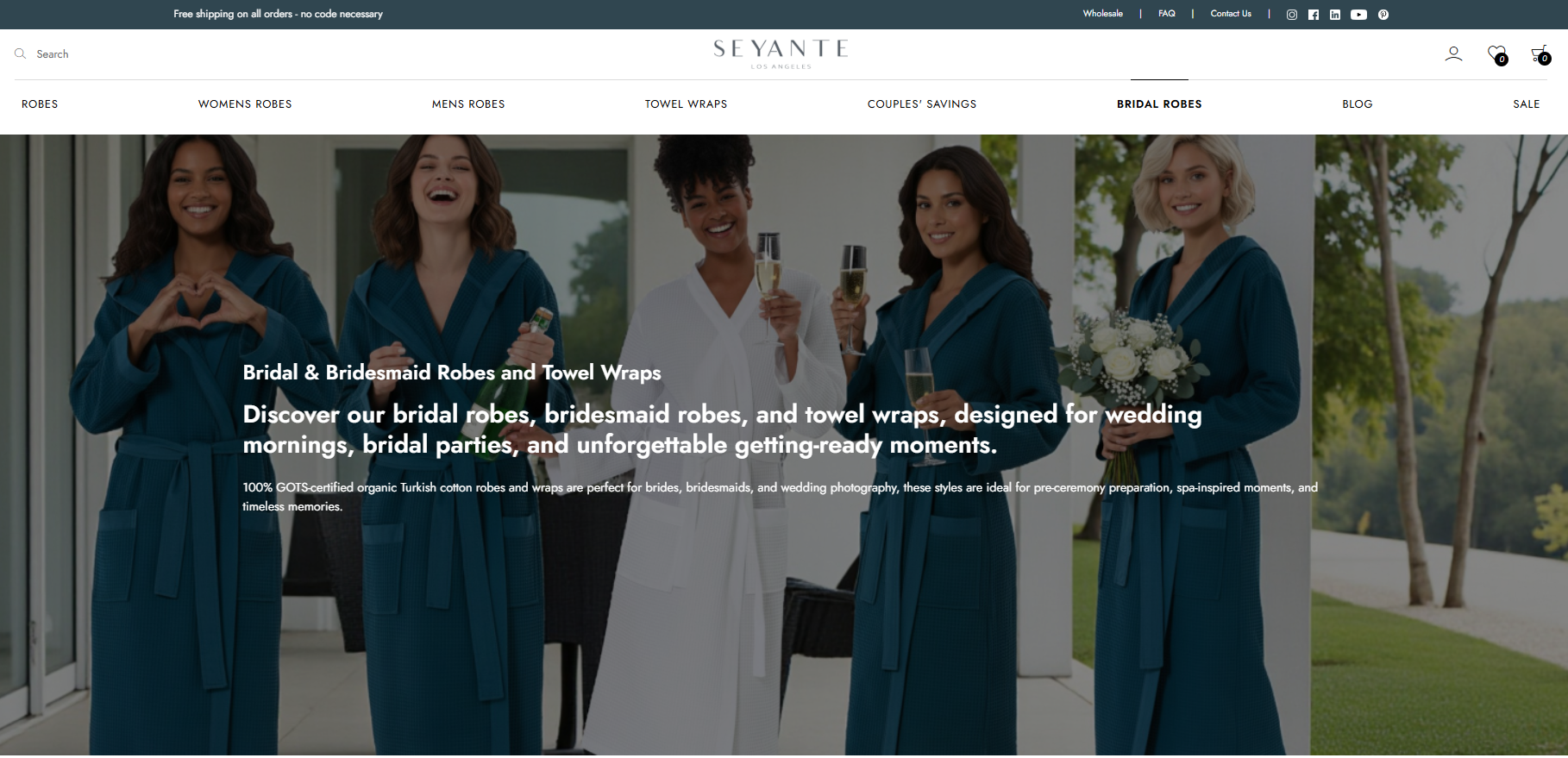
What to look for in a group gift
Robes work well because they're useful before, during, and after the wedding. The key is choosing styles that suit the event and the people.
Consider these factors:
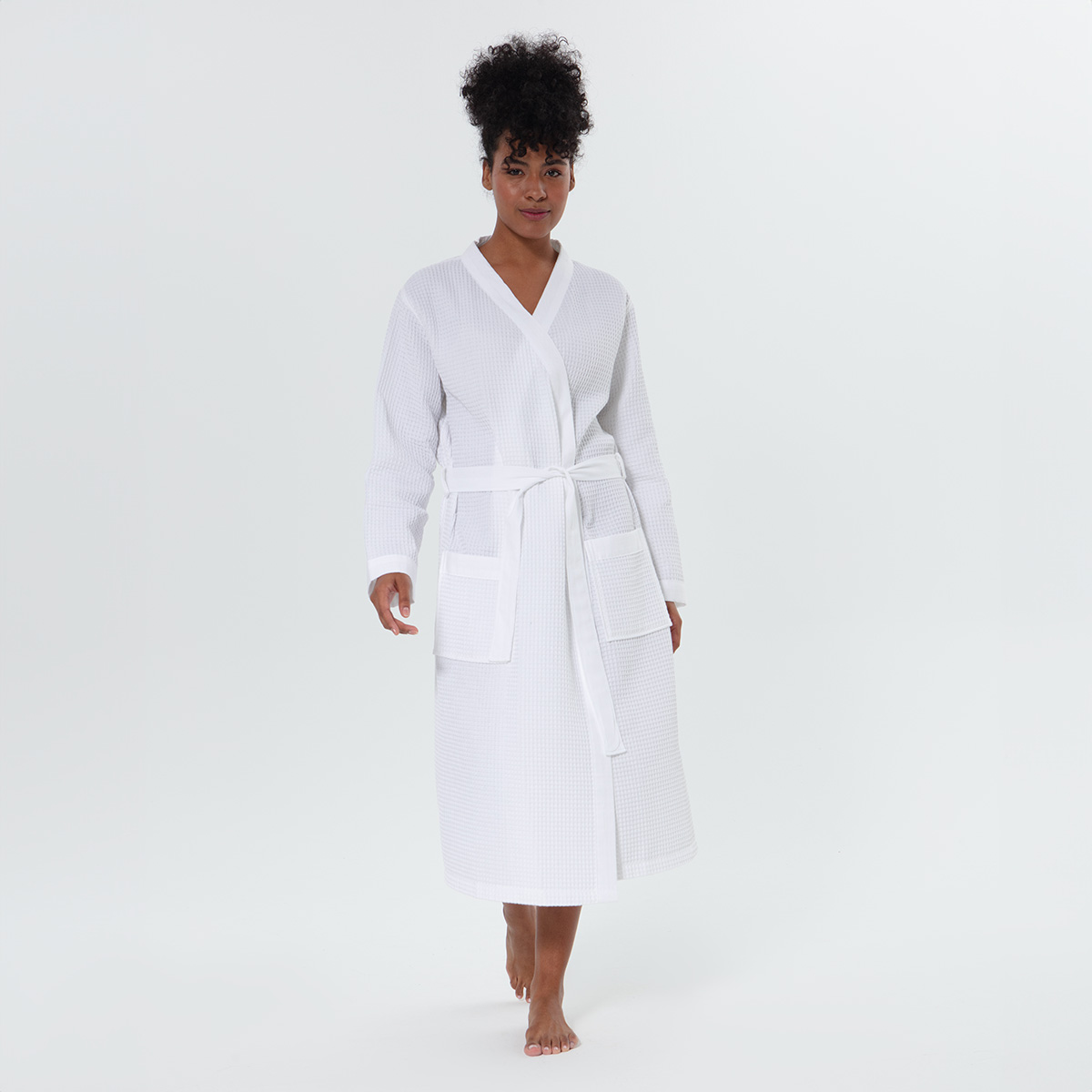
- Fabric for the setting: Lightweight waffle styles make sense for warm-weather destinations or busy getting-ready mornings. Plush Turkish cotton terry can feel better for local weddings, cooler seasons, or spa-style gifting.
- Sizing options: Mixed groups need a range that accommodates different body types and preferences.
- Style flexibility: Some people prefer kimono cuts, others want a more structured fit, and some want a hood or longer length.
- Personalization choices: Go beyond “bridesmaid.” Titles like “Bridesman,” “Groomswoman,” “Best Person,” or a shared group phrase like “I Do Crew” often work better.
How to make the gift feel cohesive
The easiest way to create a unified look is to coordinate one design element rather than everything.
You might keep:
- one fabric, but vary the color
- one color, but vary the embroidery
- one monogram style, but use individual titles
- one robe style for photos, then add personalized extras for each person
This approach helps the group look intentional in photos without erasing individuality.
A practical option for inclusive gifting
One option is SEYANTE's bridal shower bathrobe gift guide, which is relevant if you're choosing robes in men's and women's styles across lightweight waffle and Turkish cotton terry fabrics. That kind of range is useful when your wedding party includes different identities, sizes, and comfort preferences.
The best wedding party gift doesn't label people into categories they didn't choose. It supports the way they'll actually participate in the day.
Easy personalization ideas
If you want the gift to feel thoughtful but not overly formal, try these embroidery or packaging ideas:
- Role-based: “Man of Honor,” “Best Person,” “Mother of the Bride”
- Group-based: “Wedding Party,” “Team Us,” “I Do Crew”
- Name-based: First names or initials only
- Memory-based: Wedding date, location, or a short private phrase
This is one of those details guests remember because it combines comfort with usefulness. They can wear it during the wedding morning, bring it on a honeymoon trip, or keep it as an everyday item afterward.
What Do They Do?
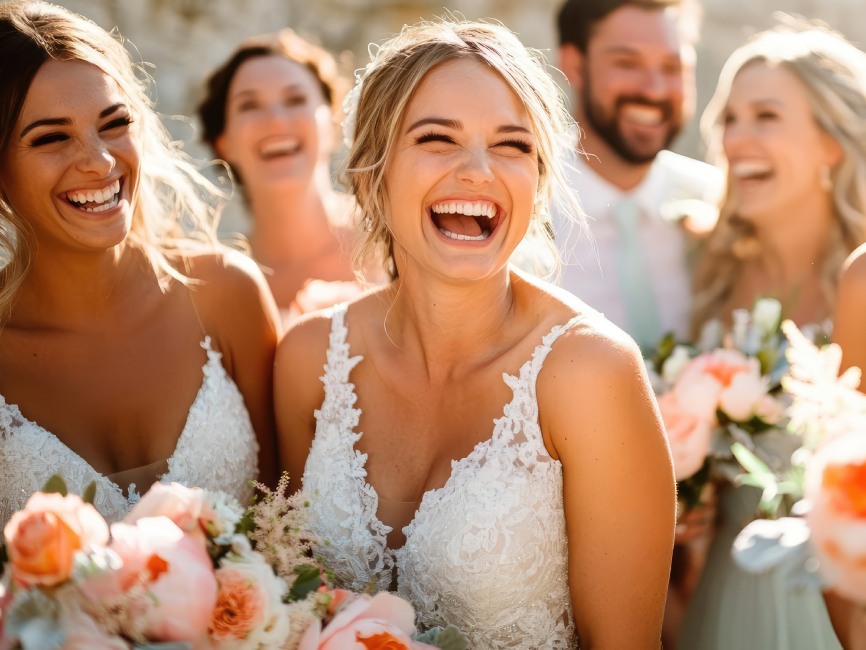
Preparing for your big day? One of the most special moments for any bride is getting ready with her bridal party. Matching robes, a peaceful setting, and soft lighting make all the difference.
Discover our organic cotton bridal robes — perfect for getting-ready photos and unforgettable morning memories.
Members of the bridal party are typically involved in:
- Planning and attending the bridal shower and bachelorette party
- Joining the bride for wedding dress fittings
- Helping the bride get ready on the wedding day
- Carrying her train or bouquet
- Standing beside her during the ceremony
- Wearing coordinated outfits to reflect the theme or color palette of the wedding
The bridal party tends to be smaller and more intimate, focusing on a close-knit group of trusted friends and family.
What Is a Wedding Party?
The wedding party is the larger, more inclusive group that includes everyone involved in the wedding ceremony — from both the bride’s and the groom’s sides.
This typically includes the:
- Bride and groom (or both spouses)
- Maid of honor and best man
- Bridesmaids and groomsmen
- Flower girl and ring bearer
- Parents, ushers, or other family and friends with a formal role
What Are Their Roles?
While the bridal party is focused on supporting the bride, the wedding party’s responsibilities are broader. They may:
- Assist with planning events for both spouses
- Help ensure guests are comfortable and seated
- Participate in the ceremony and reception
- Offer general logistical support on the wedding day
- Serve as legal witnesses for signing the marriage license
Their attire may be coordinated, but it's not always strictly matching — especially for extended members like parents or ushers.
Key Differences to Remember
The easiest way to understand the difference? Think of the bridal party as a special part of the wedding party.
- The bridal party is focused on the bride’s journey, and includes her chosen attendants who assist with emotional and practical support leading up to and during the ceremony.
- The wedding party is the full support team for both partners — a mix of friends and family chosen to help the couple celebrate and execute the event.
The bridal party tends to be smaller, while the wedding party may include a broader circle of loved ones, depending on how many people the couple wants involved.
Inclusive & Modern Wedding Terms
In today’s weddings, many couples are choosing to use more gender-neutral and inclusive language. Rather than separating roles by bride or groom, terms like:
- “Wedding crew”
- “Honor squad”
- “I Do team”
are being embraced to reflect the couple’s unique values and relationships.
Understanding the difference between the bridal party and the wedding party can simplify your wedding planning and help everyone involved know what to expect. While the bridal party focuses on supporting the bride, the wedding party is about celebrating and supporting the couple as a whole.
At the end of the day, how you define your party is completely up to you. What matters most is surrounding yourself with the people who love you, uplift you, and want to make your day unforgettable.
Looking for a meaningful gift for your bridal party? Shop our bridal & bridesmaid robes — crafted from premium Turkish cotton and perfect for the whole party."
Related Posts


Related Products

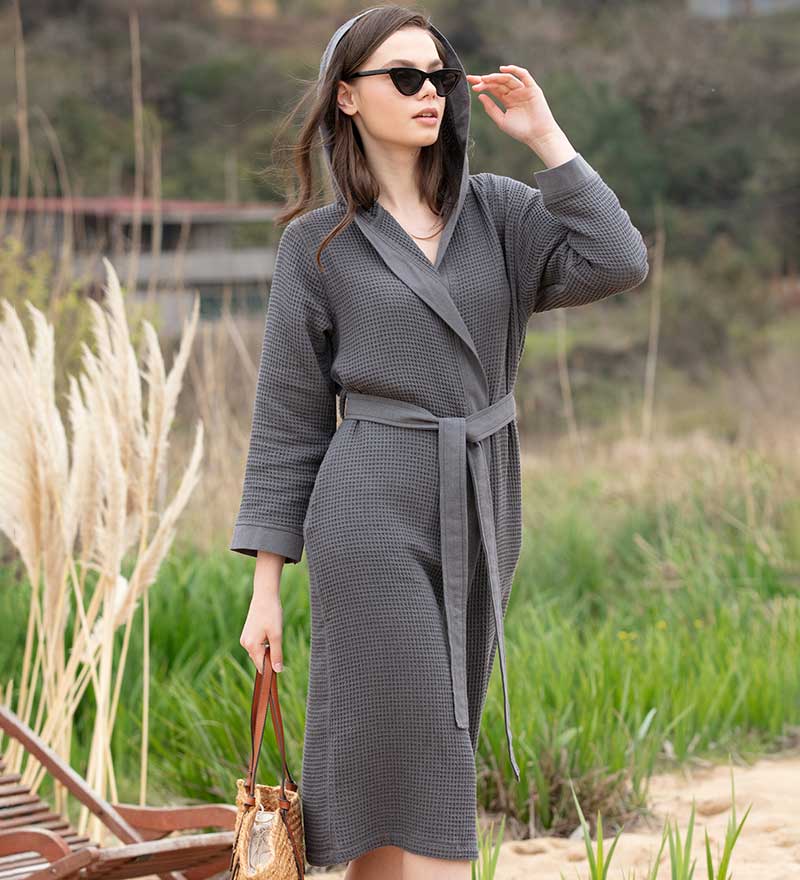
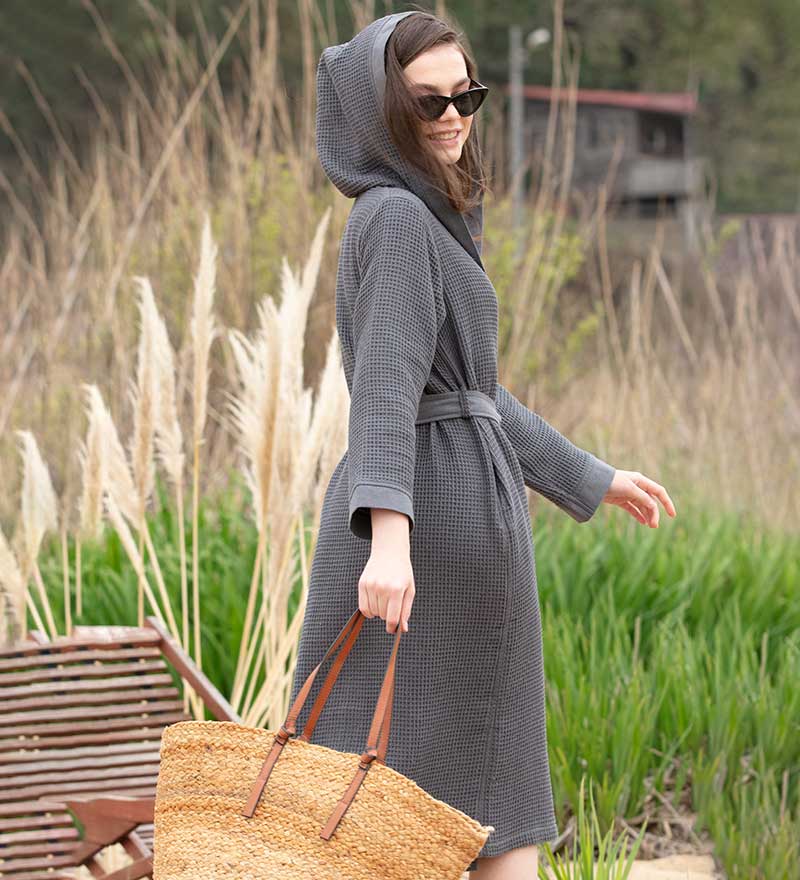



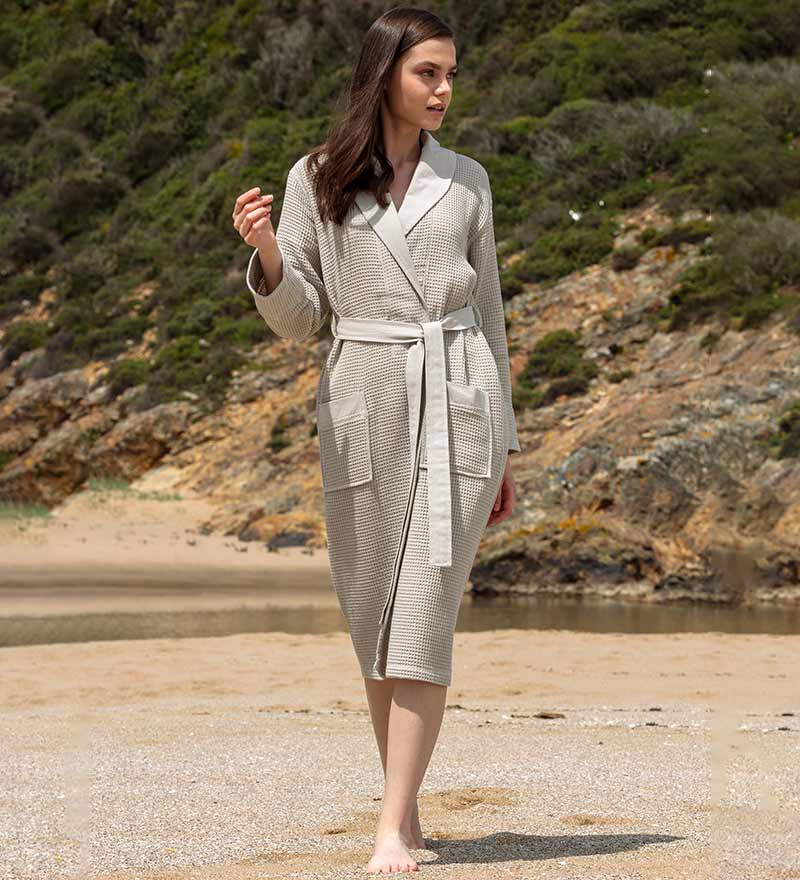




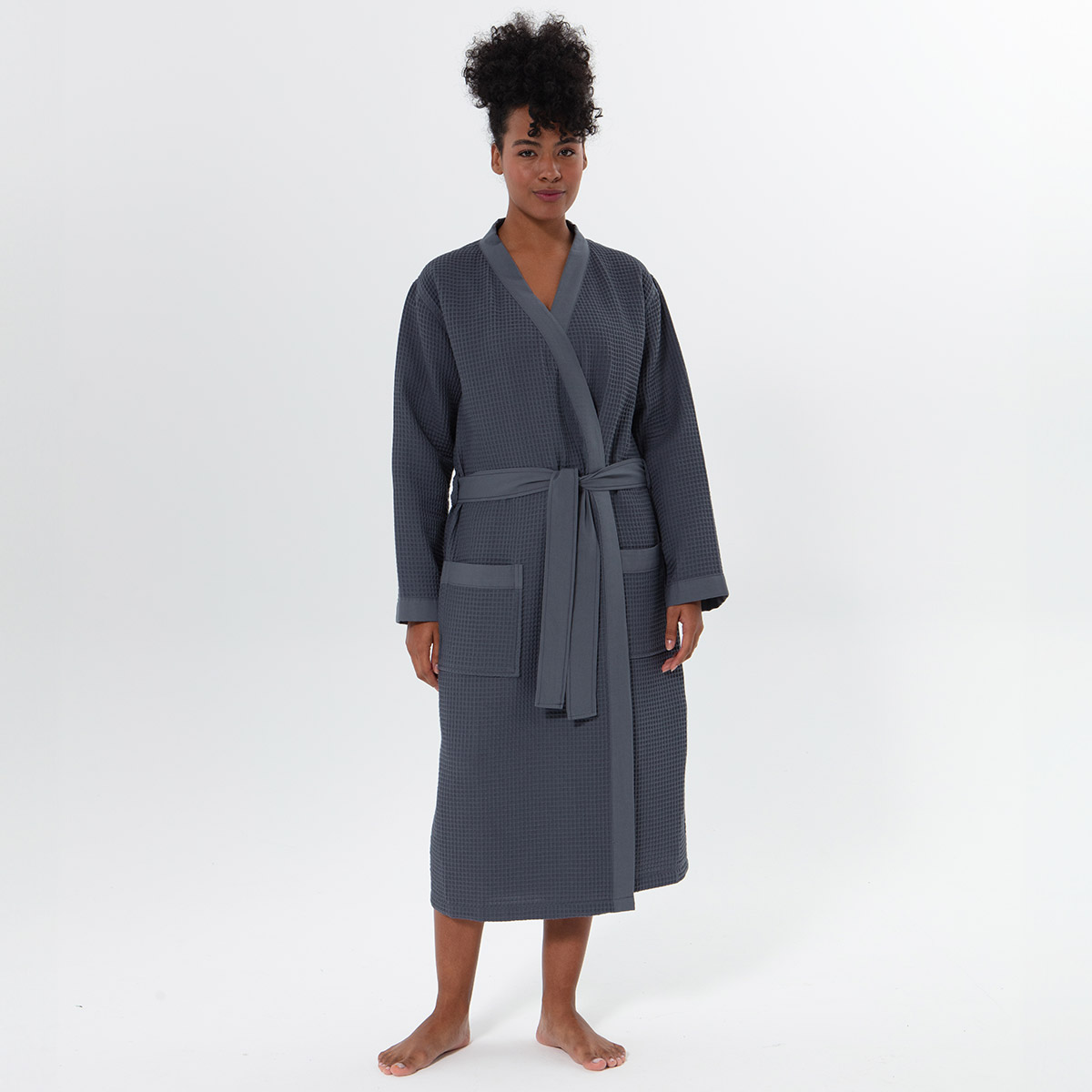

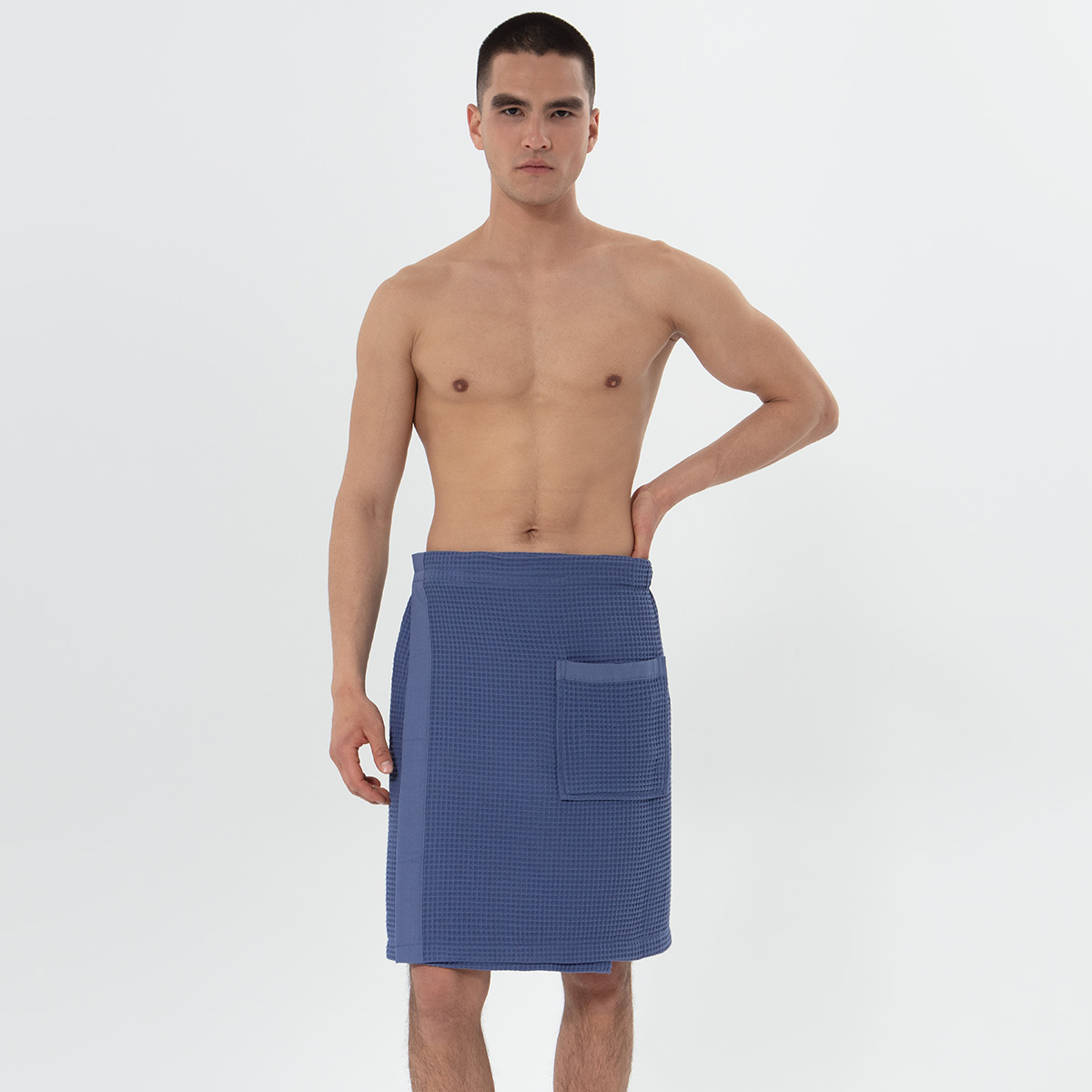


Offering high-quality bathrobes for both women and men with GOTS certification
Our commitment to excellence is reflected in our use of the Global Organic Textile Standard (GOTS) certification for our products. GOTS is a benchmark for organic textiles, ensuring environmentally friendly and socially responsible manufacturing processes.






FREE STANDART DELIVERY
STRESS-FREE SHOPPING
ONLINE CUSTOMER SERVICE