



- Waffle Robes
- Terry Cloth Robes
- Microfiber Robes
- Turkish Cotton Robes
- Towel Robes
- View All Robes by Material
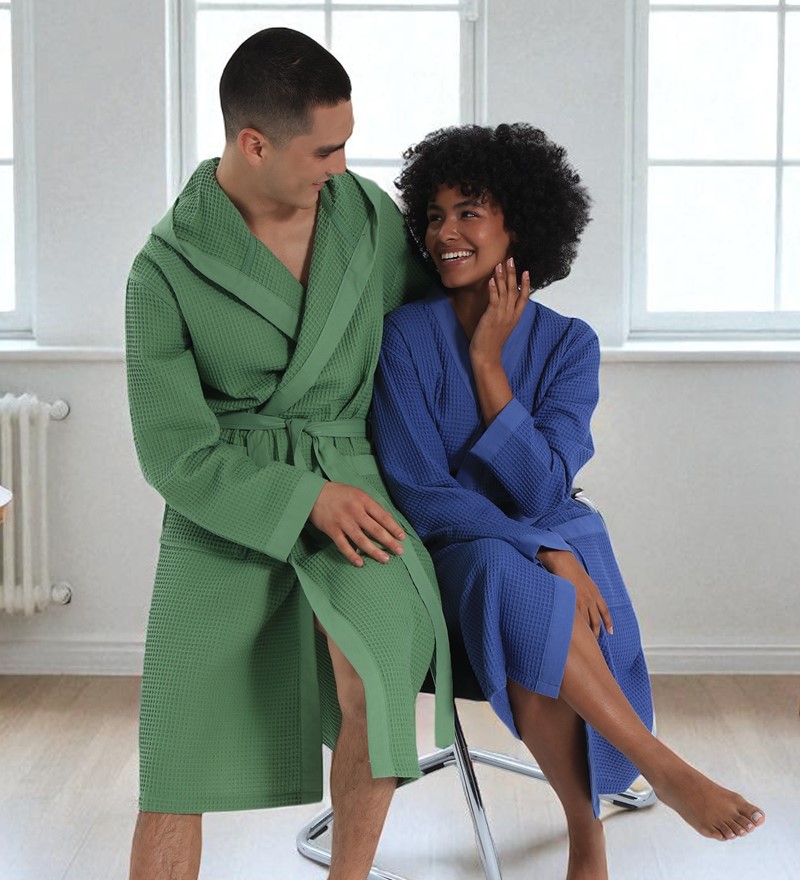
Always Cold After Shower? How the Right Bathrobe Keeps You Warm in Winter
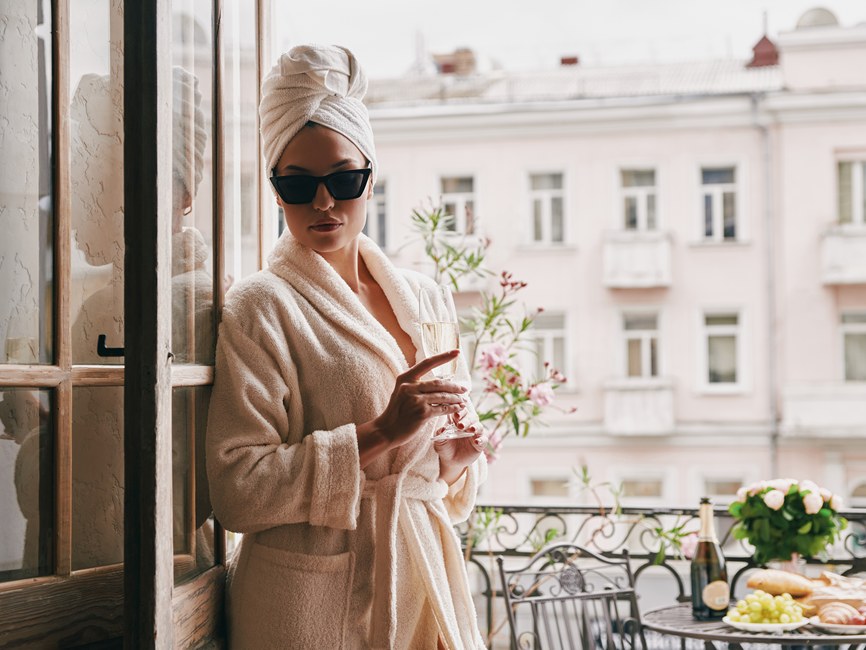
The abrupt transition from the enveloping heat of a steam-filled shower to the sharp, dry chill of a winter bathroom creates a physiological shock that can instantly dismantle the relaxation achieved during your bathing routine. For many people, this "post-shower freeze" is an unavoidable dread of the season, leading to frantic towel drying and a rush to find heavy clothing. However, this discomfort is not a necessary evil of winter hygiene; it is a symptom of relying on inadequate drying tools that fail to address the rapid heat loss caused by evaporation.
The solution lies in understanding that a bathrobe is not merely a garment for lounging but a piece of thermal engineering designed to stabilize body temperature. At Seyante, we believe that choosing the right bathrobe—specifically examining the weave, weight, and coverage features like hoods—transforms this daily struggle into a moment of luxurious warmth.
The Thermodynamics of the "Freeze": Why You Get Cold
The intense shivering you experience the moment you turn off the water is driven by the thermodynamic principle of evaporative cooling, where the water droplets on your skin absorb a significant amount of your body heat to convert into gas, effectively pulling warmth away from your core at a rapid rate. This process is accelerated in winter because the ambient air in your bathroom is drier and colder, creating a steeper temperature gradient between your skin and the environment. Standard towels often fail to stop this process quickly enough because they expose large surface areas of the skin to the air while you dry individual sections.
To combat this, you need a barrier that performs two simultaneous functions: it must wick moisture away from the skin instantly to stop evaporation, and it must trap a layer of warm air around the body to prevent thermal bridging with the cold room.
The Solution: Turkish Cotton and the Power of Loops
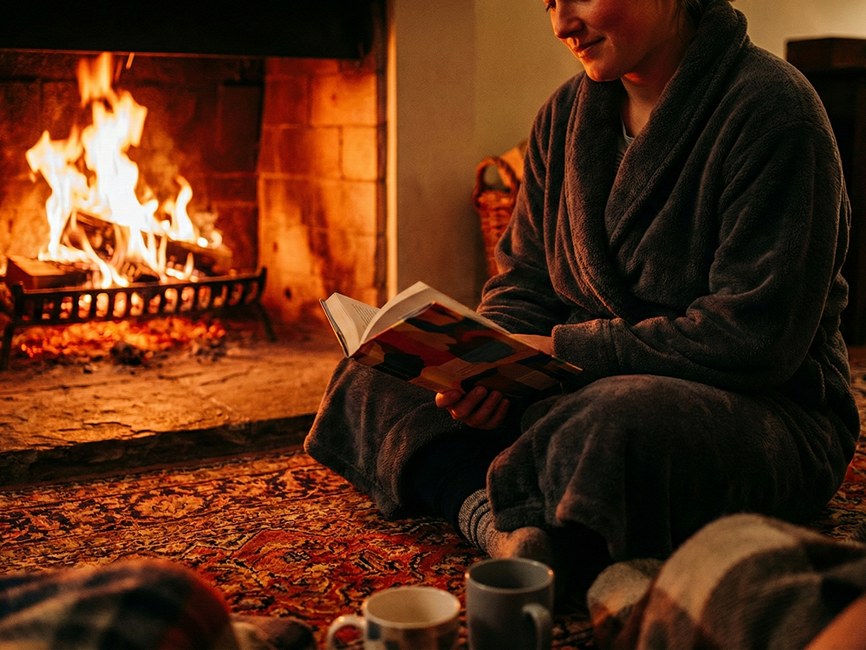
The material composition of your robe is the primary defense against the winter chill. While synthetic fleece might feel warm to the touch when dry, it is hydrophobic, meaning it repels water rather than absorbing it, leaving a layer of cold moisture on your skin that keeps you shivering.
Why Turkish Cotton is the Heat-Retention Champion
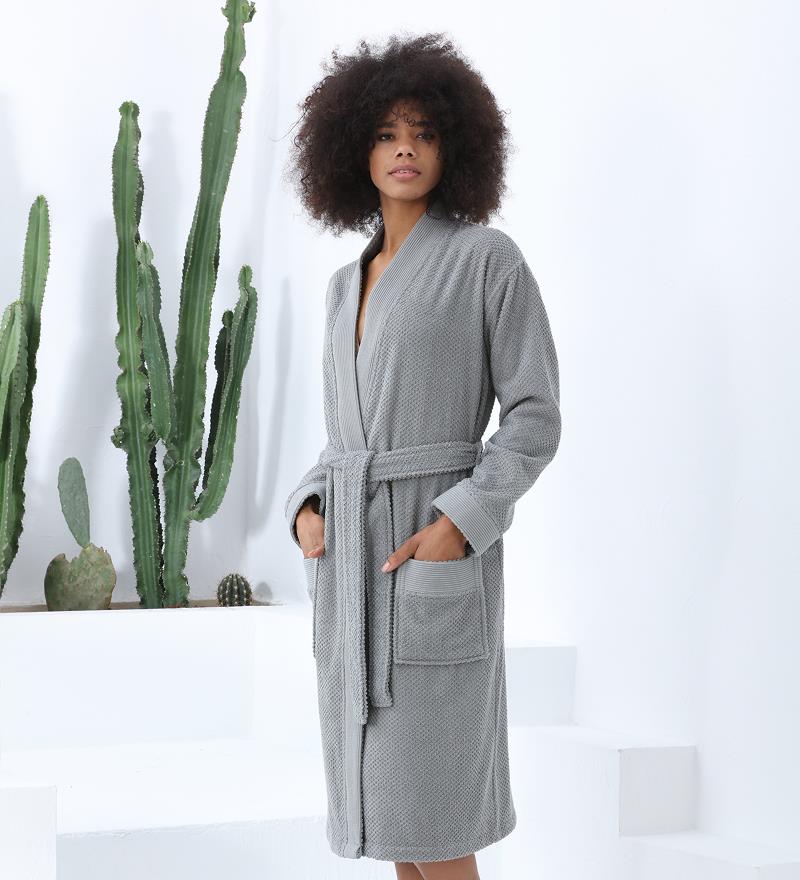
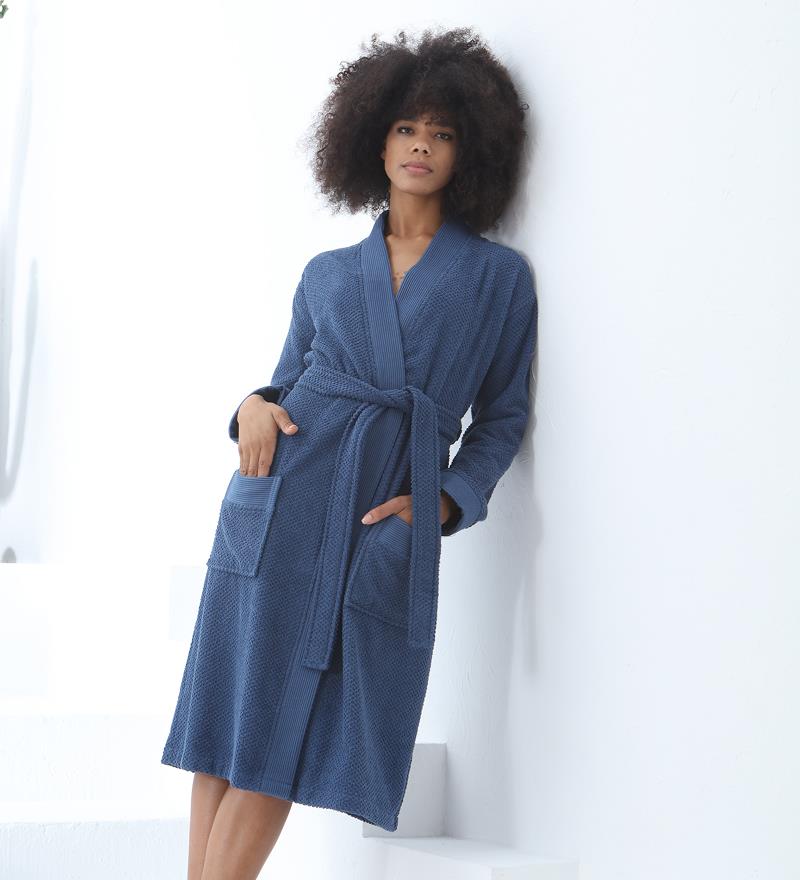
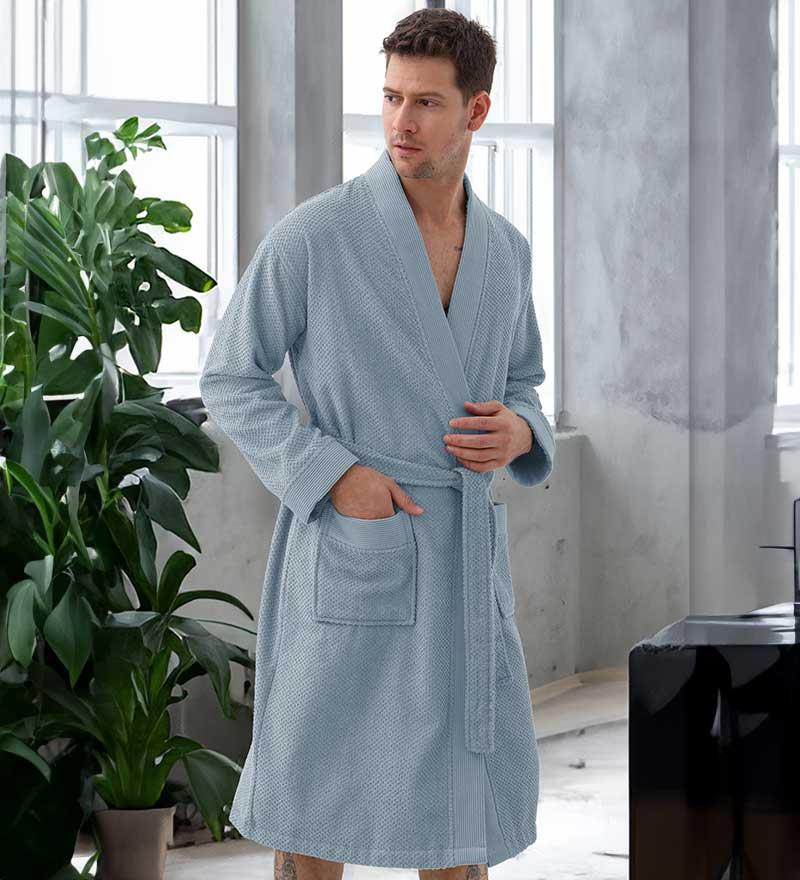
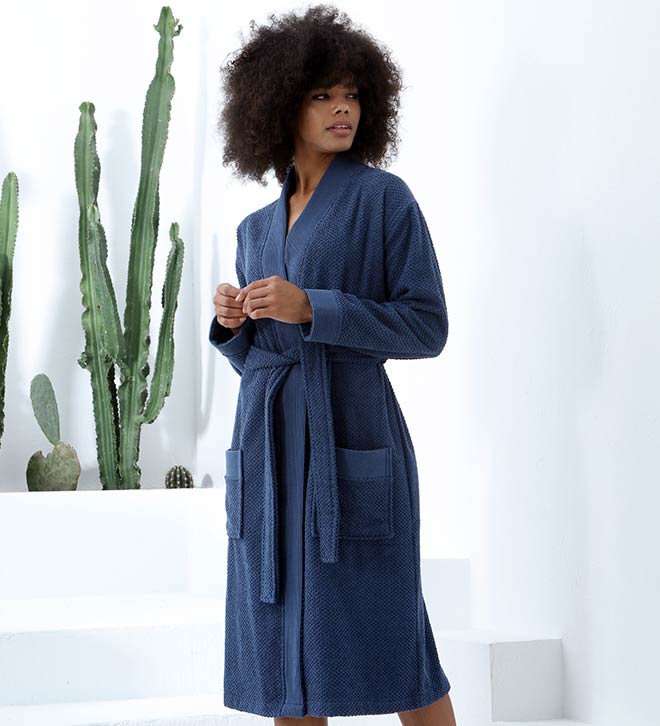
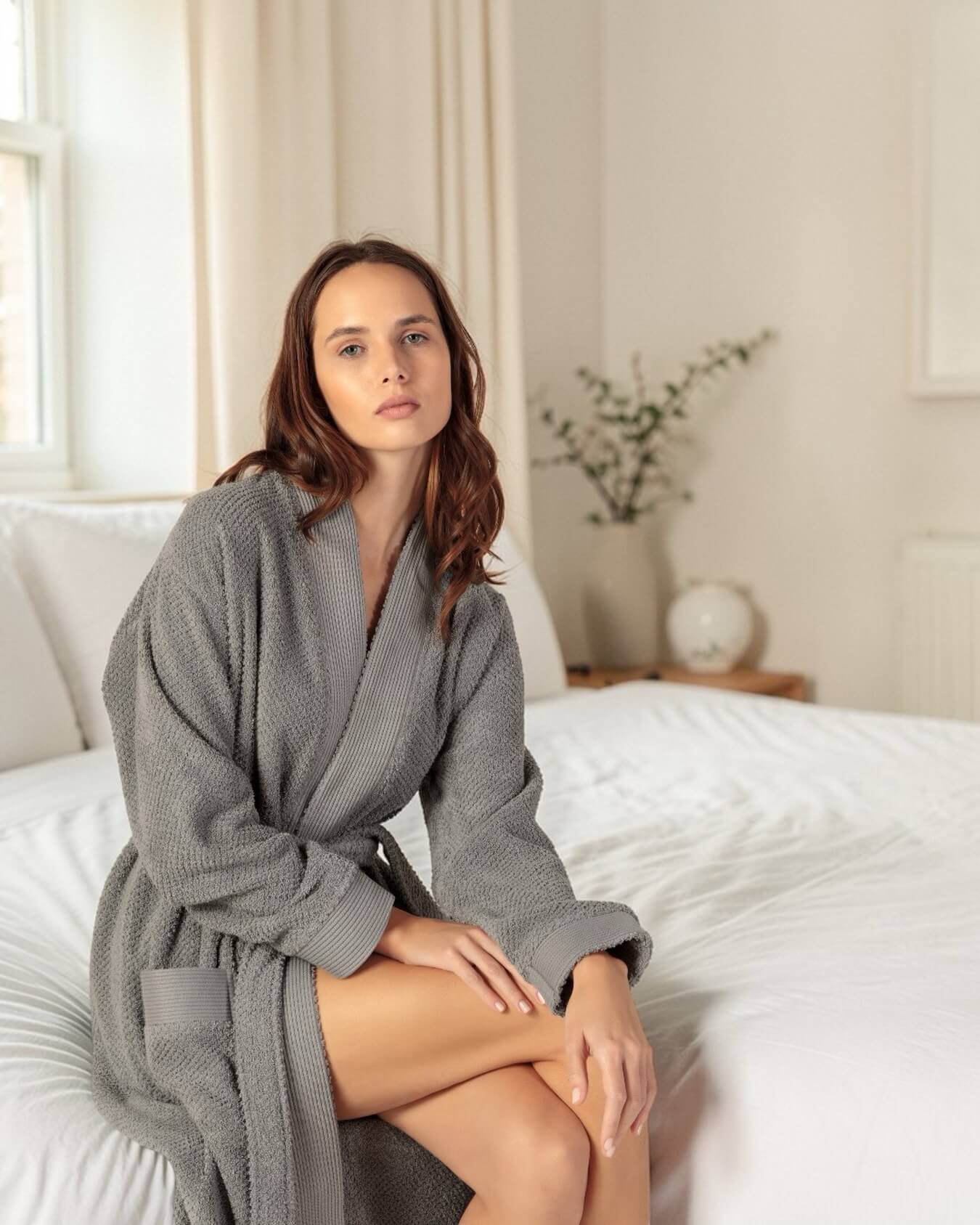
A premium Turkish cotton bathrobe utilizes a unique loop-pile construction that significantly increases the surface area of the fabric, allowing it to absorb moisture instantly upon contact while the dense forest of cotton loops traps pockets of warm air against the body. Unlike flat weaves, these loops act as tiny insulators. Turkish cotton is particularly effective because its long fibers create a smoother, stronger yarn that withstands the heavy density needed for winter warmth without becoming scratchy or stiff. When you wrap yourself in this material, you are effectively stopping evaporation and insulating your core in a single motion.
Critical Features for Winter Warmth: Hoods and Length
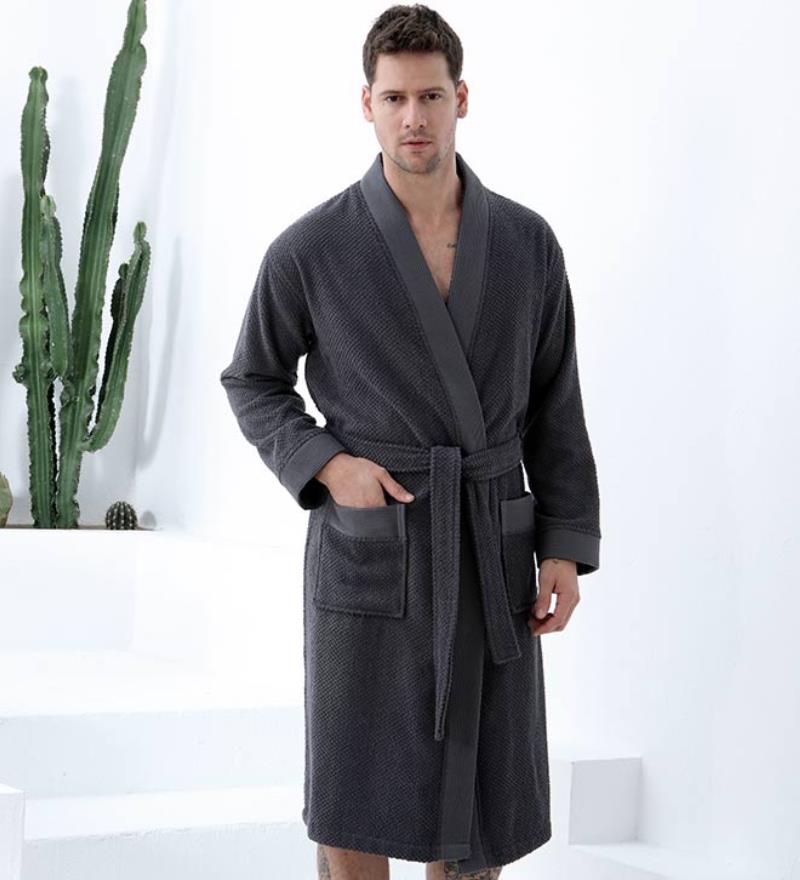
Beyond the fabric itself, the architecture of the garment plays a decisive role in how much heat your body retains. Standard kimono-style collars or knee-length cuts often leave critical areas exposed, creating "draft tunnels" that compromise your overall warmth.
The "Chimney Effect" and the Hood
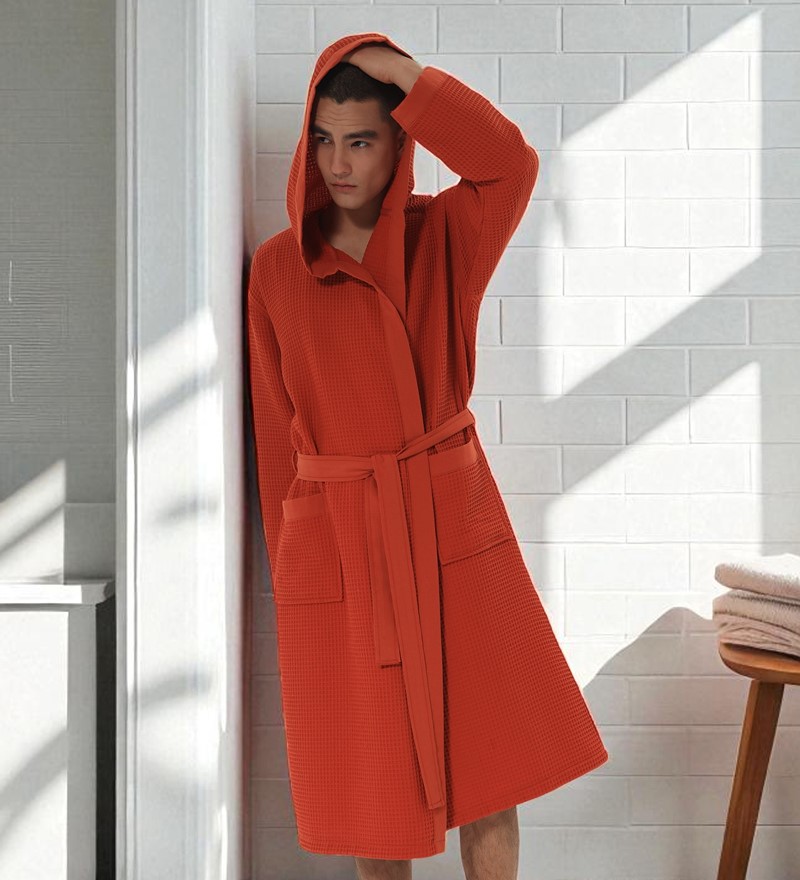
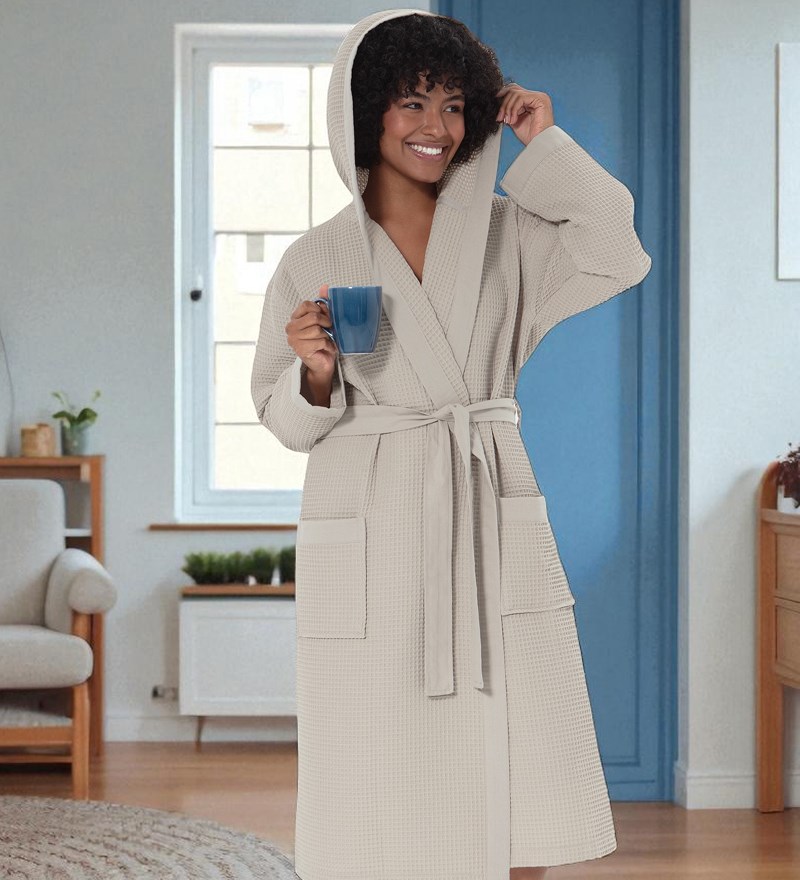
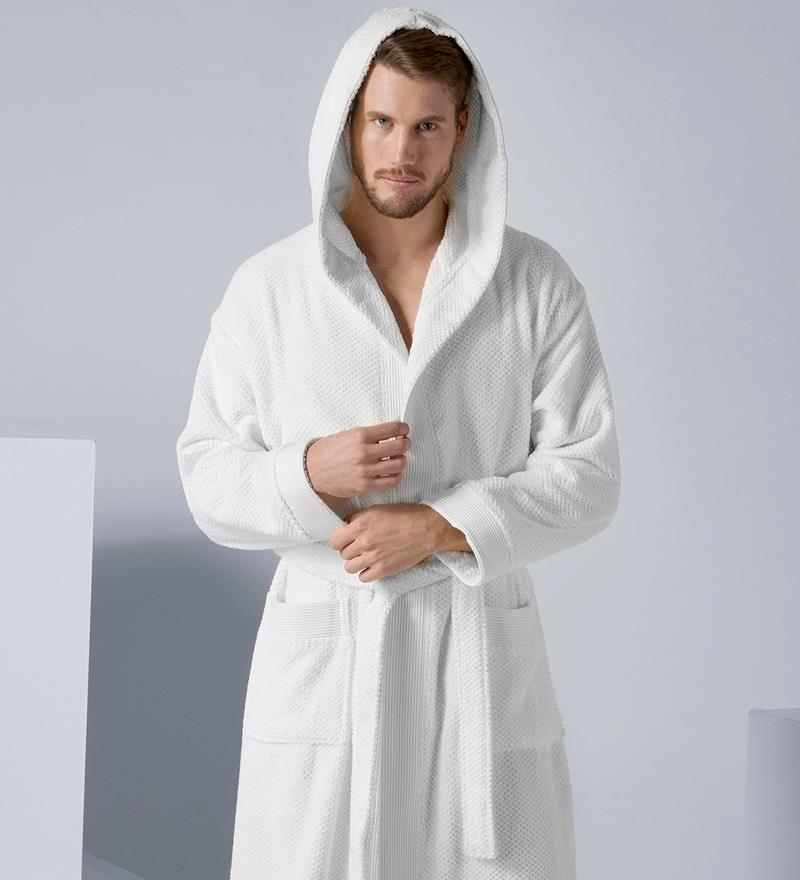
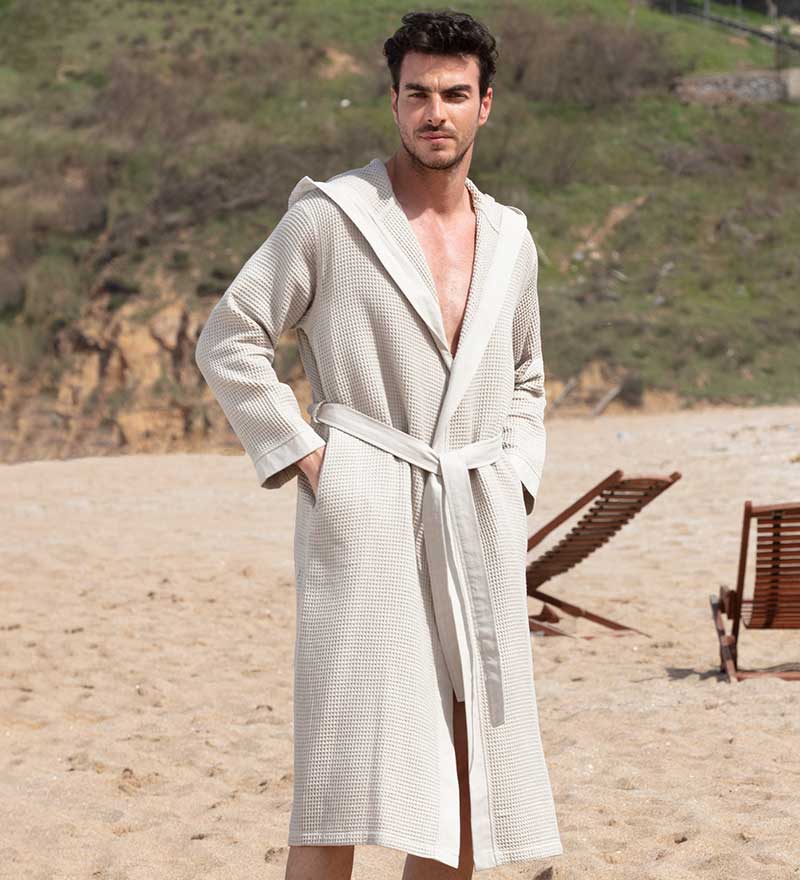
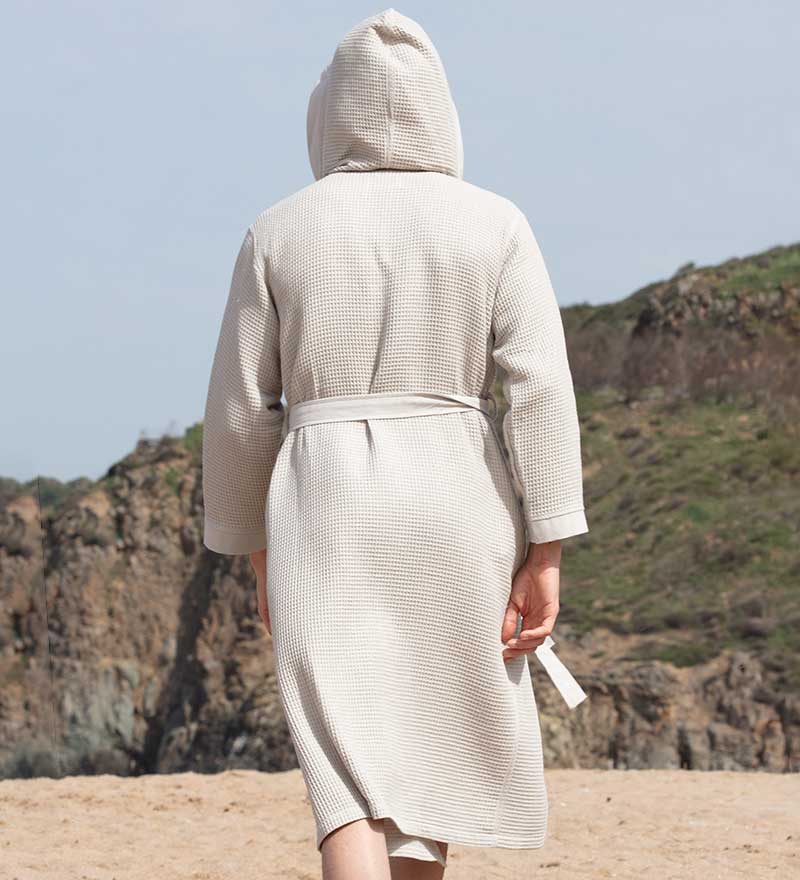
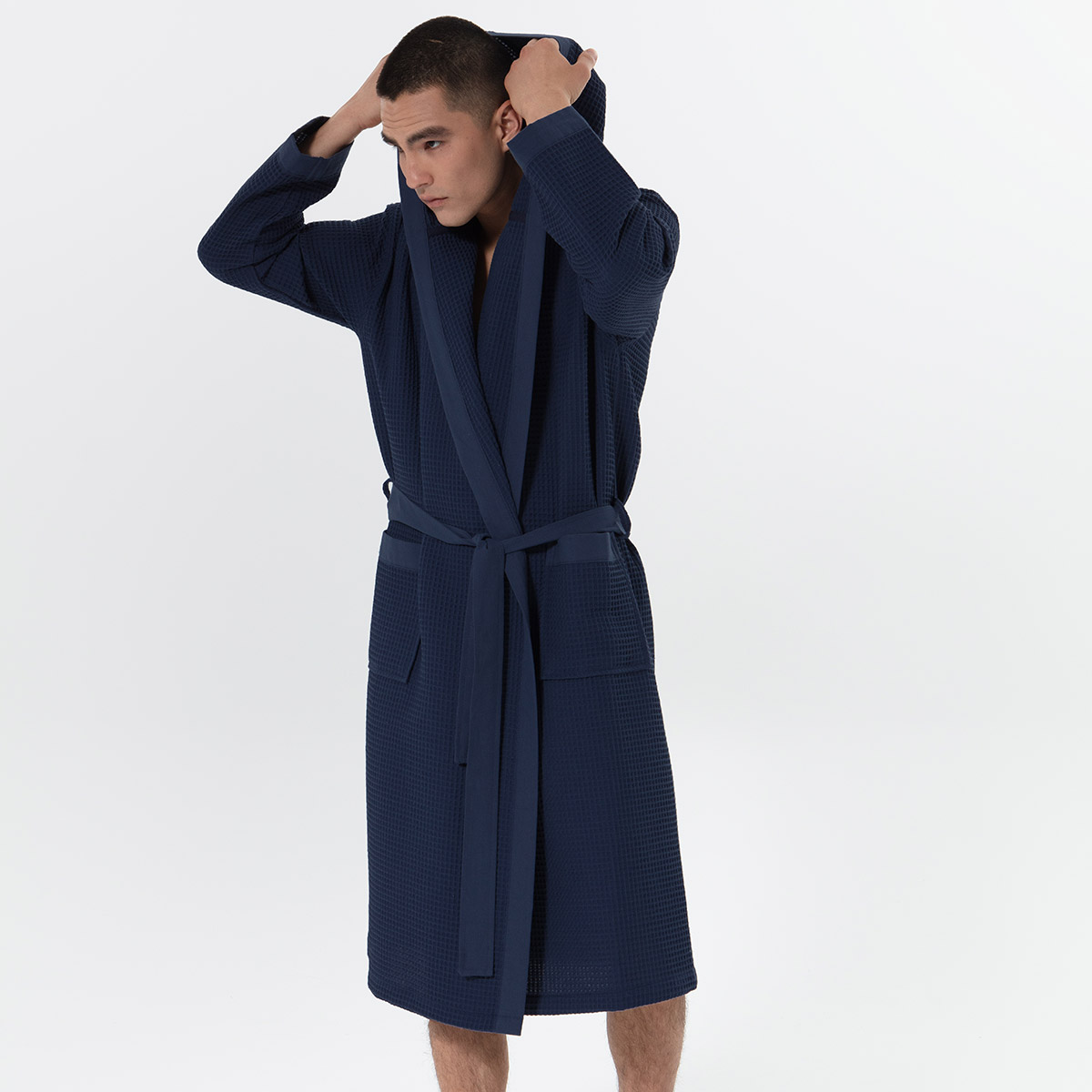
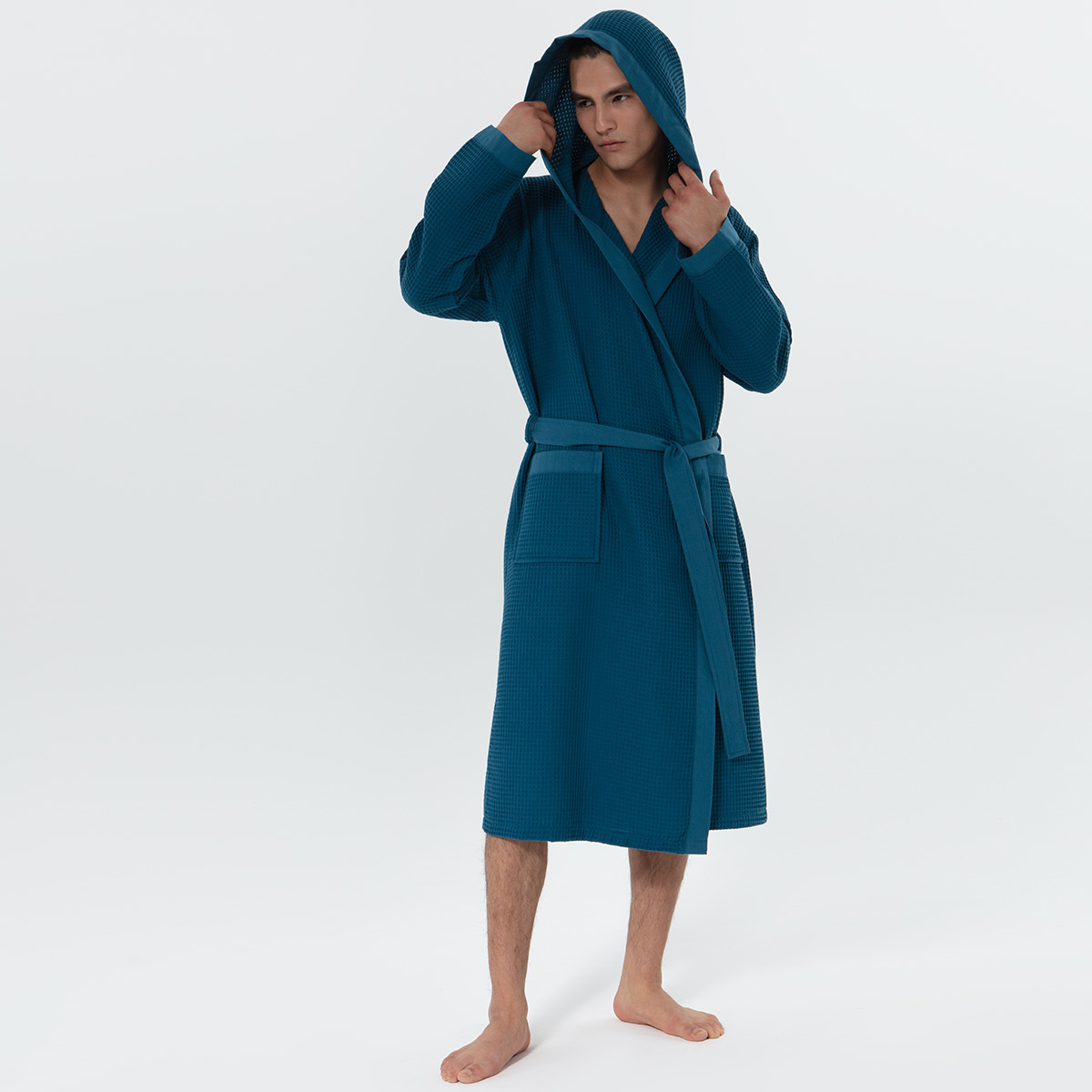
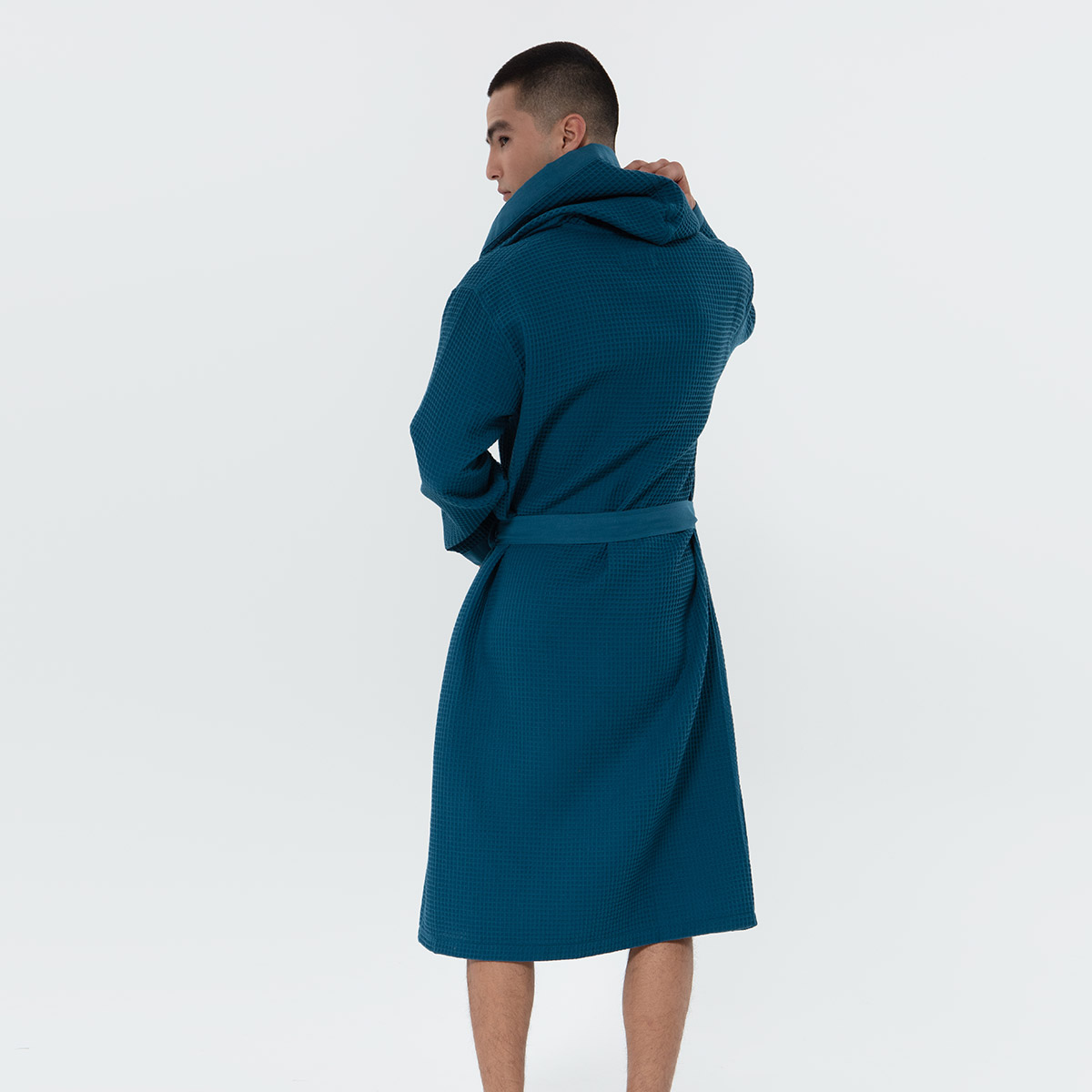
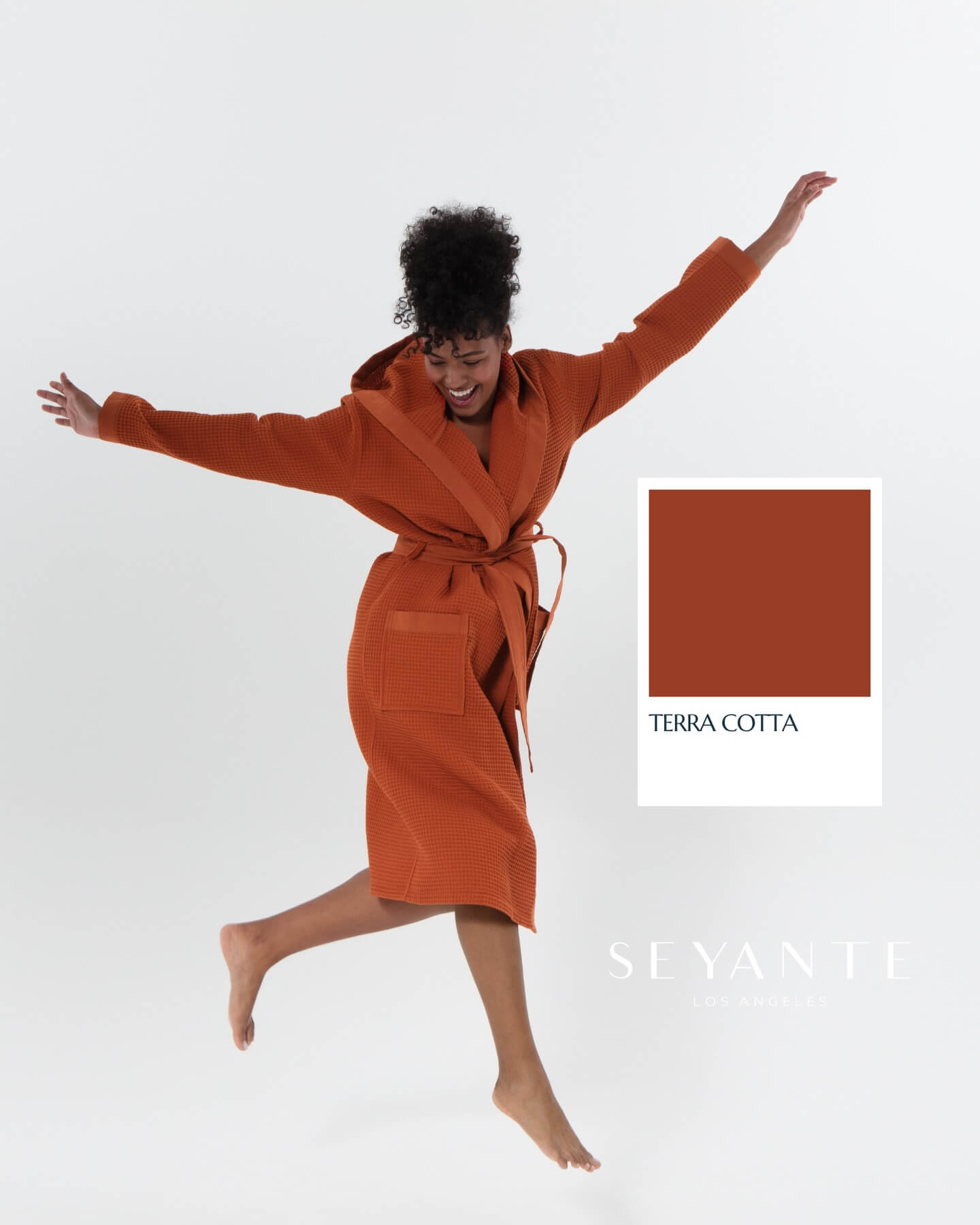
A significant percentage of body heat is lost through the head and the back of the neck, especially when hair is wet, which makes a hooded bathrobe an essential tool for those who are sensitive to the cold. The hood functions as a thermal cap. When you pull up a mens hooded bathrobe or a womens robe with hood, you protect the wet hair from cold drafts and create a continuous seal of warmth from the top of your head down to your ankles. This prevents the "chimney effect," where warm air escapes upward from the collar, keeping the heat generated by your body circulating within the robe.
Coverage Matters: Length and Density
For maximum winter protection, the surface area coverage of the robe must be substantial enough to shield the legs from drafts, which is why full-length options with a high Grams per Square Meter (GSM) are superior to shorter, lightweight alternatives. A robe with a GSM of 400 or higher provides a heavy, blanket-like feel. This weight is comforting to the nervous system and creates a physical barrier that cold air cannot easily penetrate.

Matching the Robe to the User: Problem vs. Solution
Not everyone experiences cold the same way. We have identified three common "cold profiles" and the specific robe types that solve their problems.
1. The "Deep Freeze" Sufferer
- The Problem: You start shivering the second the water turns off and can't get warm for an hour.
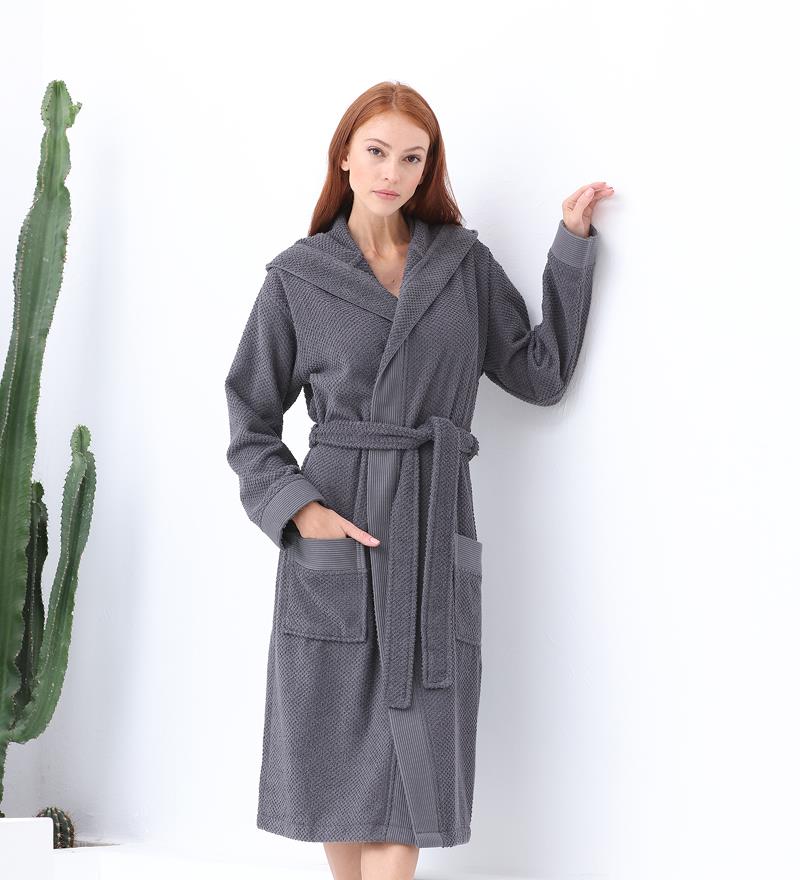
- The Solution: A High-GSM Turkish Cotton Bathrobe with a Hood.
Why: This is the heavy artillery of warmth. The hooded bathrobe feature is non-negotiable here. It dries you instantly and provides maximum insulation. It is heavy, thick, and impenetrable.
2. The "Active" Morning User
- The Problem: You feel cold initially but overheat if you wear something too heavy while blow-drying hair or making breakfast.
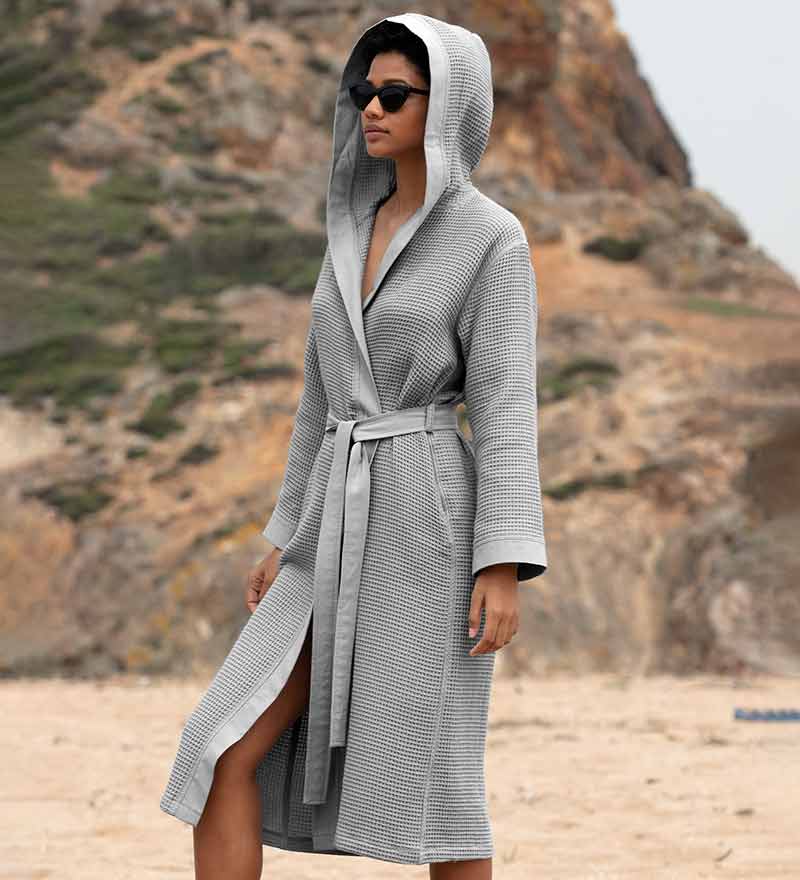
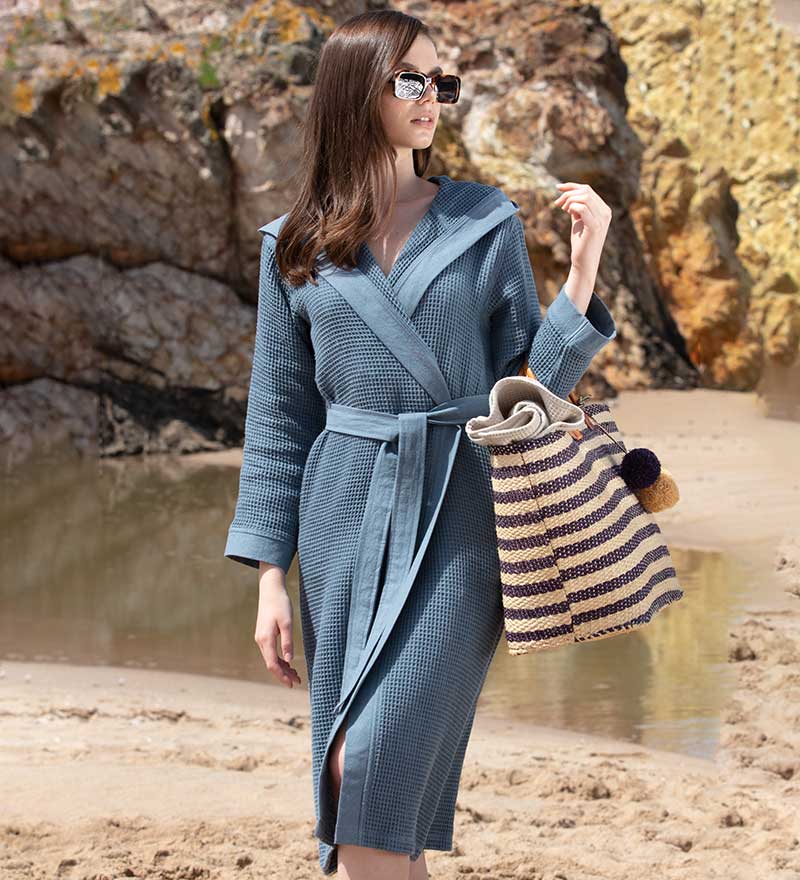
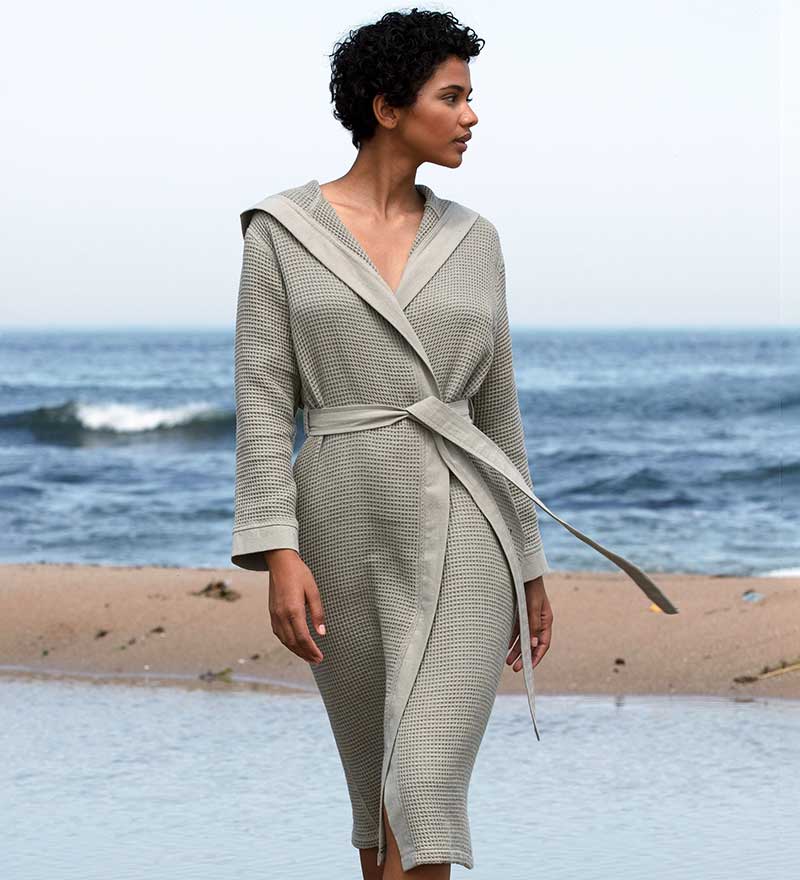
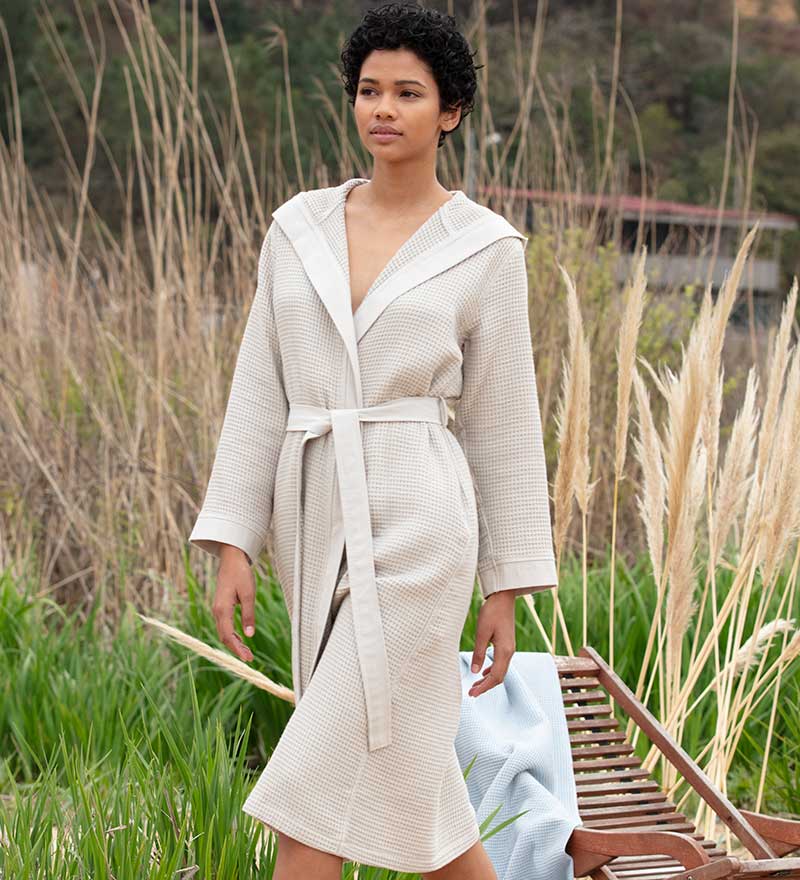
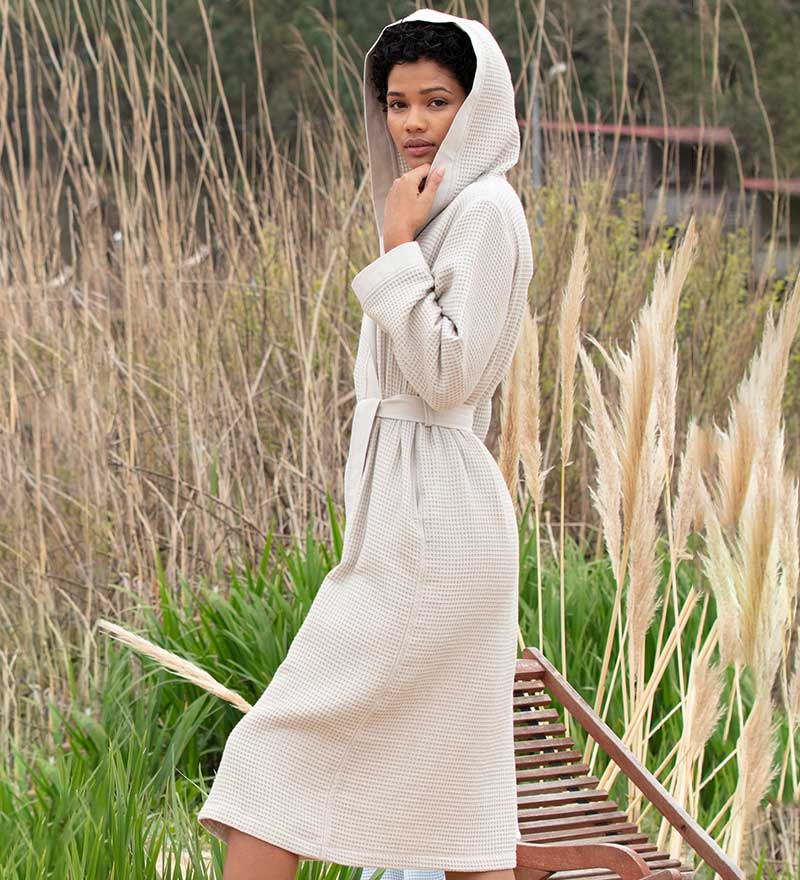
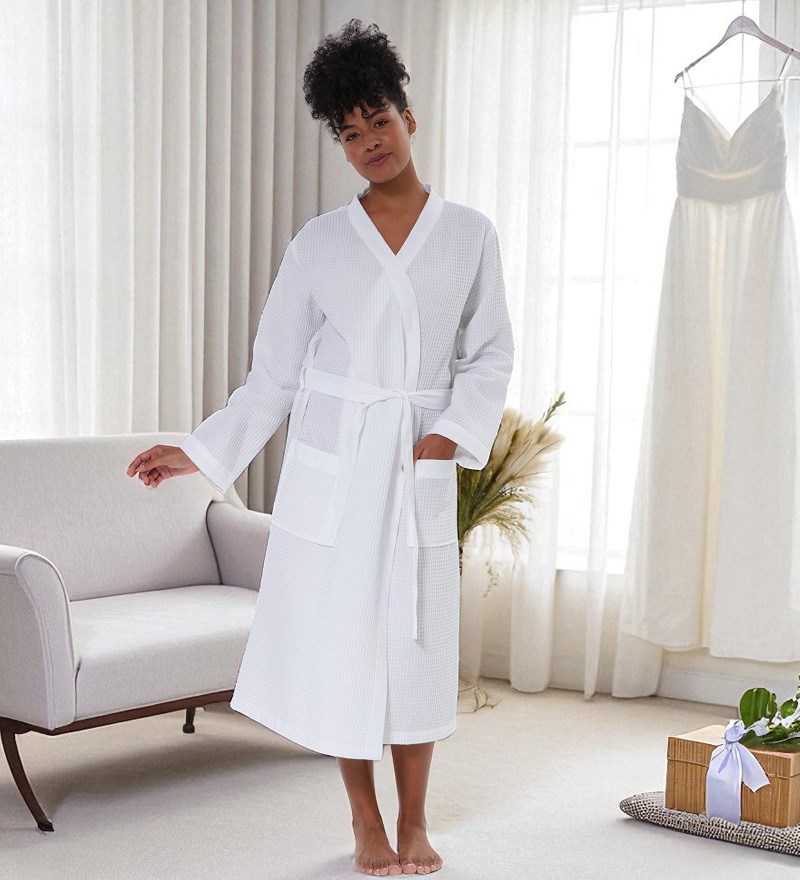
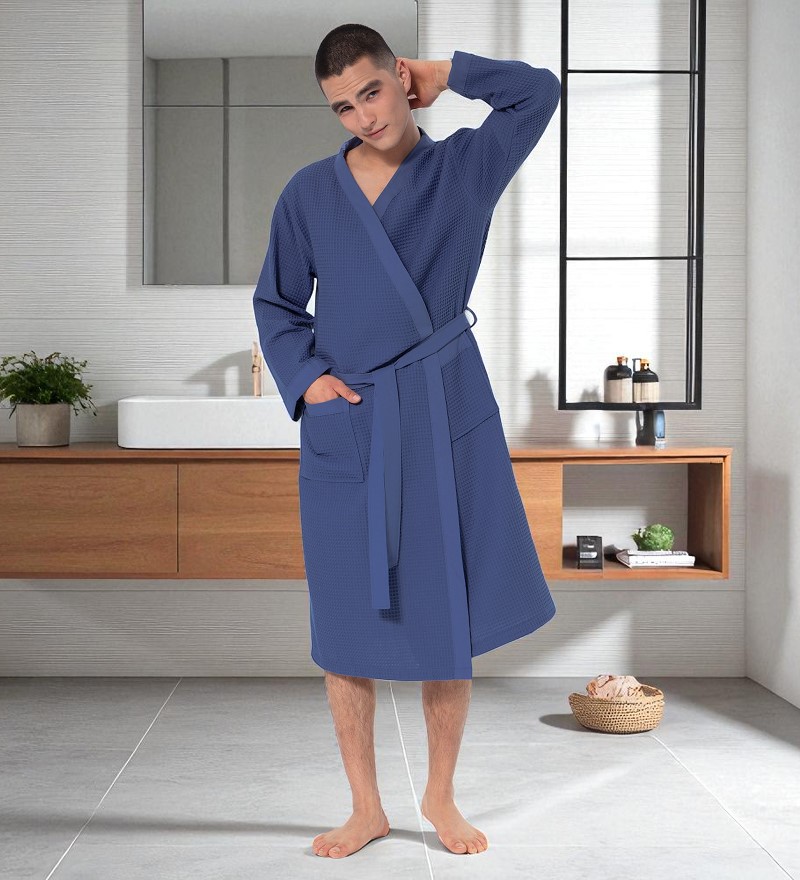
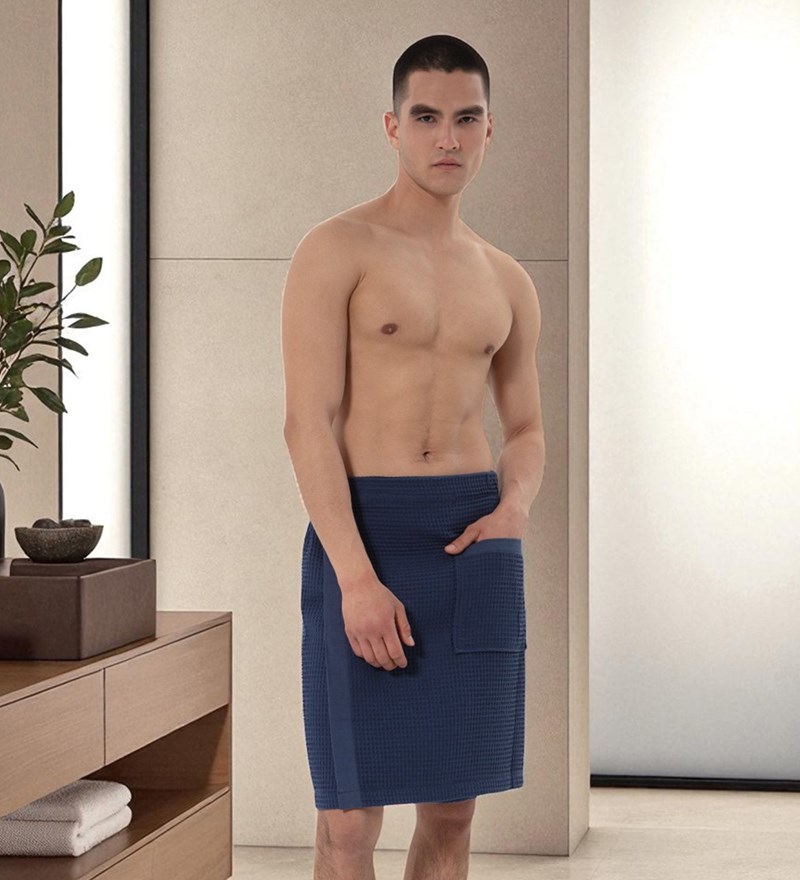
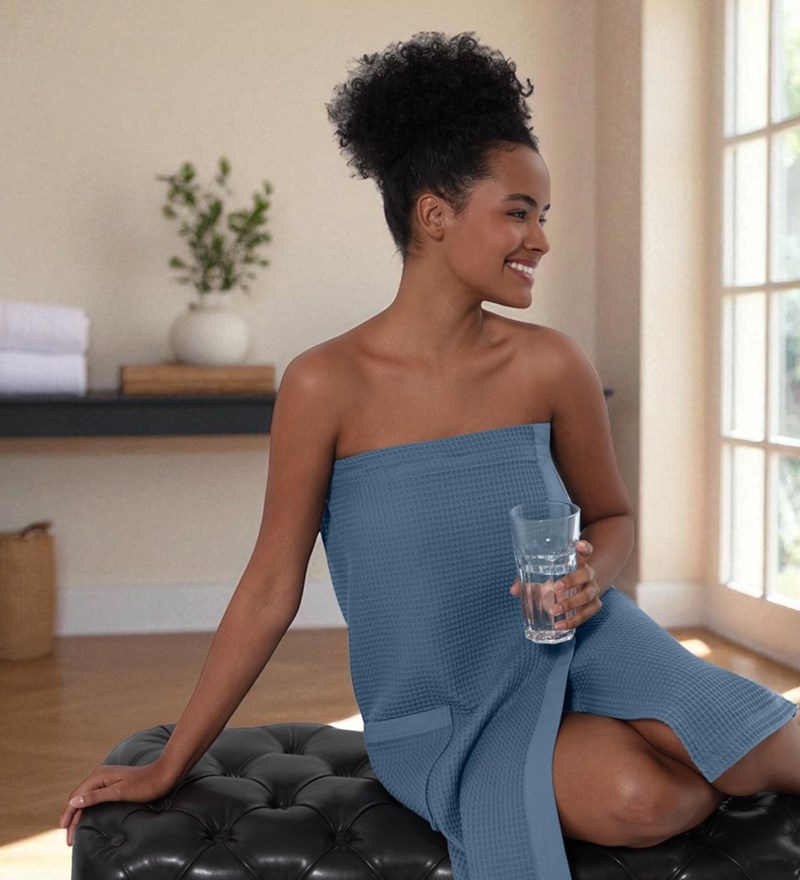
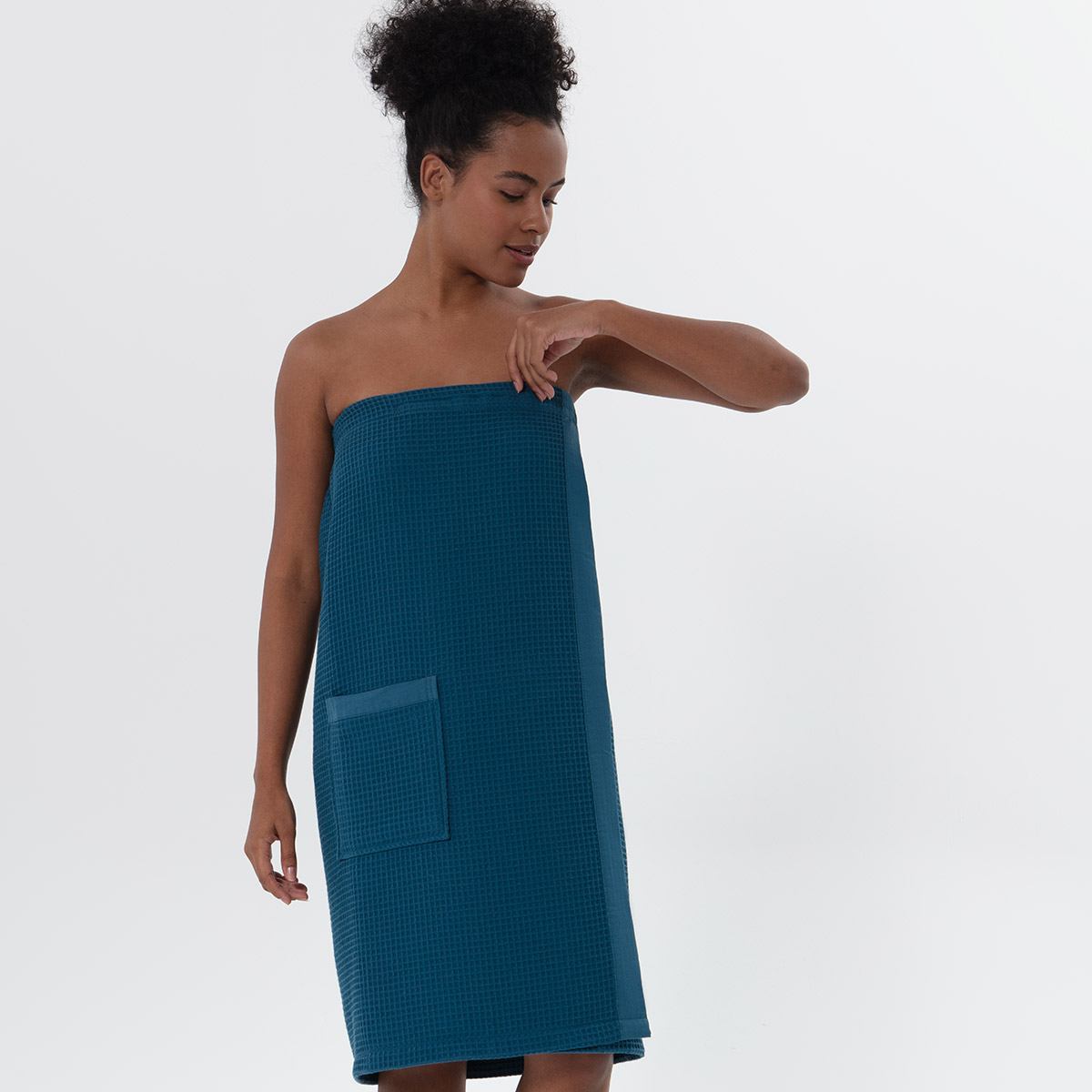
- The Solution: A Dual-Texture or Medium-Weight Waffle Robe.
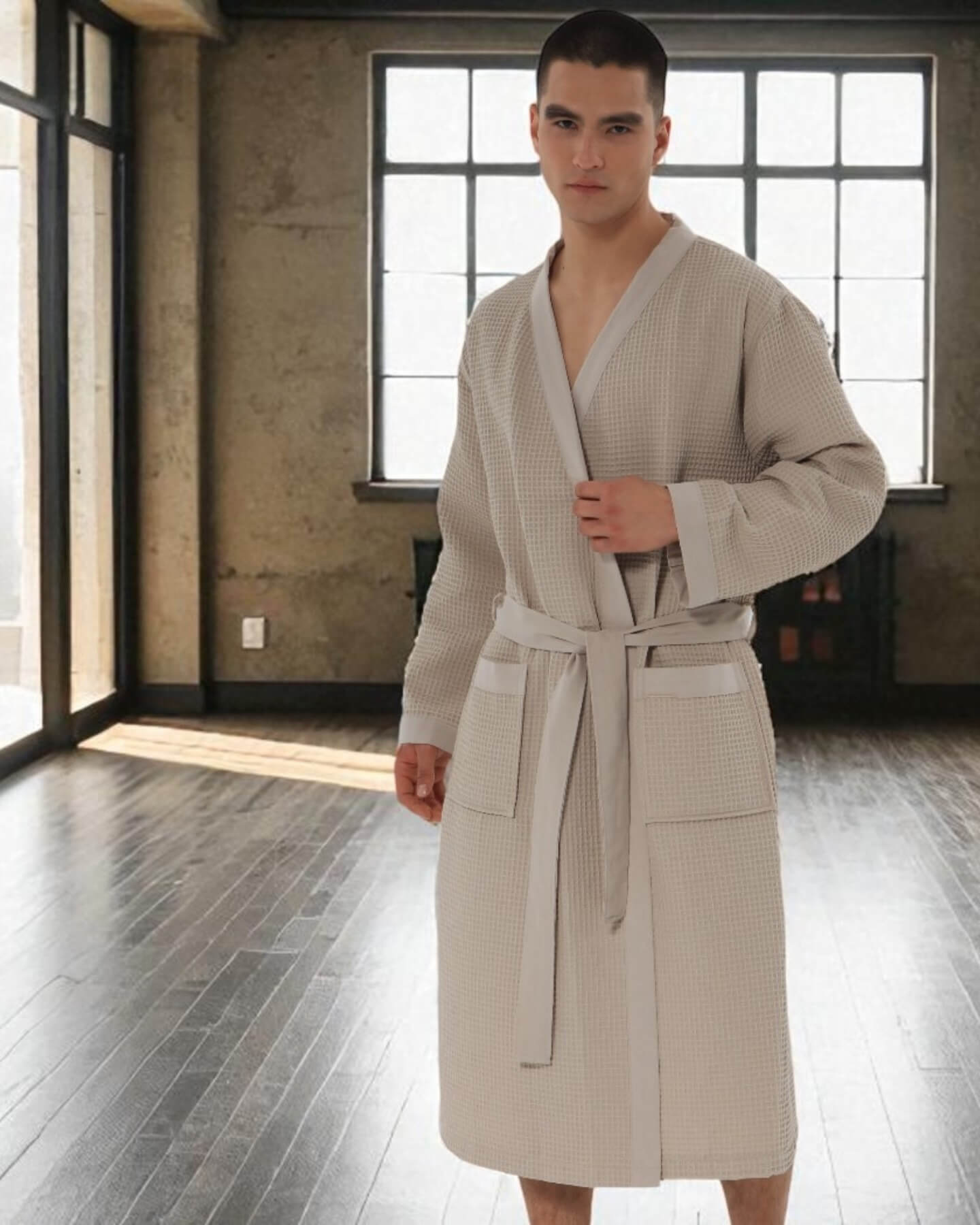
Why: While generally a lightweight robe style, some waffle options are lined with terry cloth. The waffle exterior allows for airflow (breathability), while the inner lining handles moisture. This prevents the "sweat-then-freeze" cycle that active users often face with overly heavy garments.
Comparison: Which Weave Wins Winter?
Understanding the technical differences helps you choose the right tool for your specific environment.
Winter Warmth Performance Matrix
| Feature | Plush Turkish Cotton (Terry) | Waffle Weave (Standard) | Synthetic Fleece |
|
Moisture Wicking |
Superior. Stops evaporation immediately. |
Good. Dries quickly but holds less water. |
Poor. Repels water; skin stays damp. |
|
Insulation (Wet) |
High. Warm even when damp. |
Moderate. Better for mild climates. |
Low. Can feel clammy if skin is wet. |
|
Insulation (Dry) |
High. Traps body heat effectively. |
Medium. Breathable structure lets heat out. |
Very High. Excellent for dry lounging. |
|
Best Use Case |
Post-Shower Winter Survival. |
Spa days; heated homes. |
Watching TV (Dry only). |
|
Recommendation |
#1 Choice for "Always Cold" users. |
Layer over pajamas. |
Over pajamas only. |
Conclusion
Being "always cold" after a shower is not a permanent condition; it is a sign that your bathroom textiles are not working hard enough for you. By upgrading to a high-quality Turkish cotton bathrobe—specifically one that features a heat-trapping hood and a dense, absorbent pile—you interrupt the physics of heat loss.
Don't let the winter chill dictate your morning routine. Whether you choose the impenetrable warmth of a mens hooded bathrobe or the enveloping softness of a womens robe with hood, the right gear turns the coldest room in the house into a sanctuary of comfort.
Related Posts


Related Products




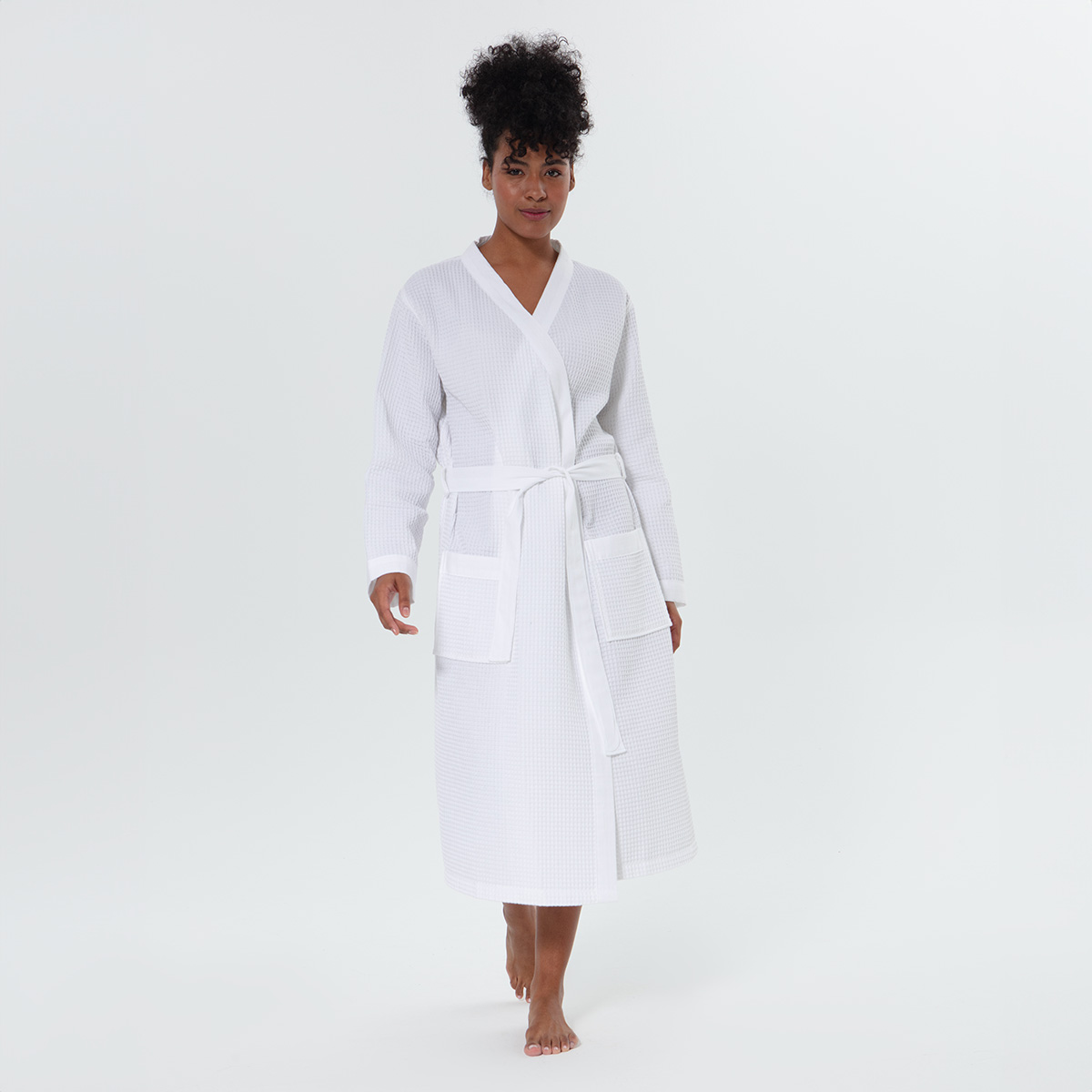

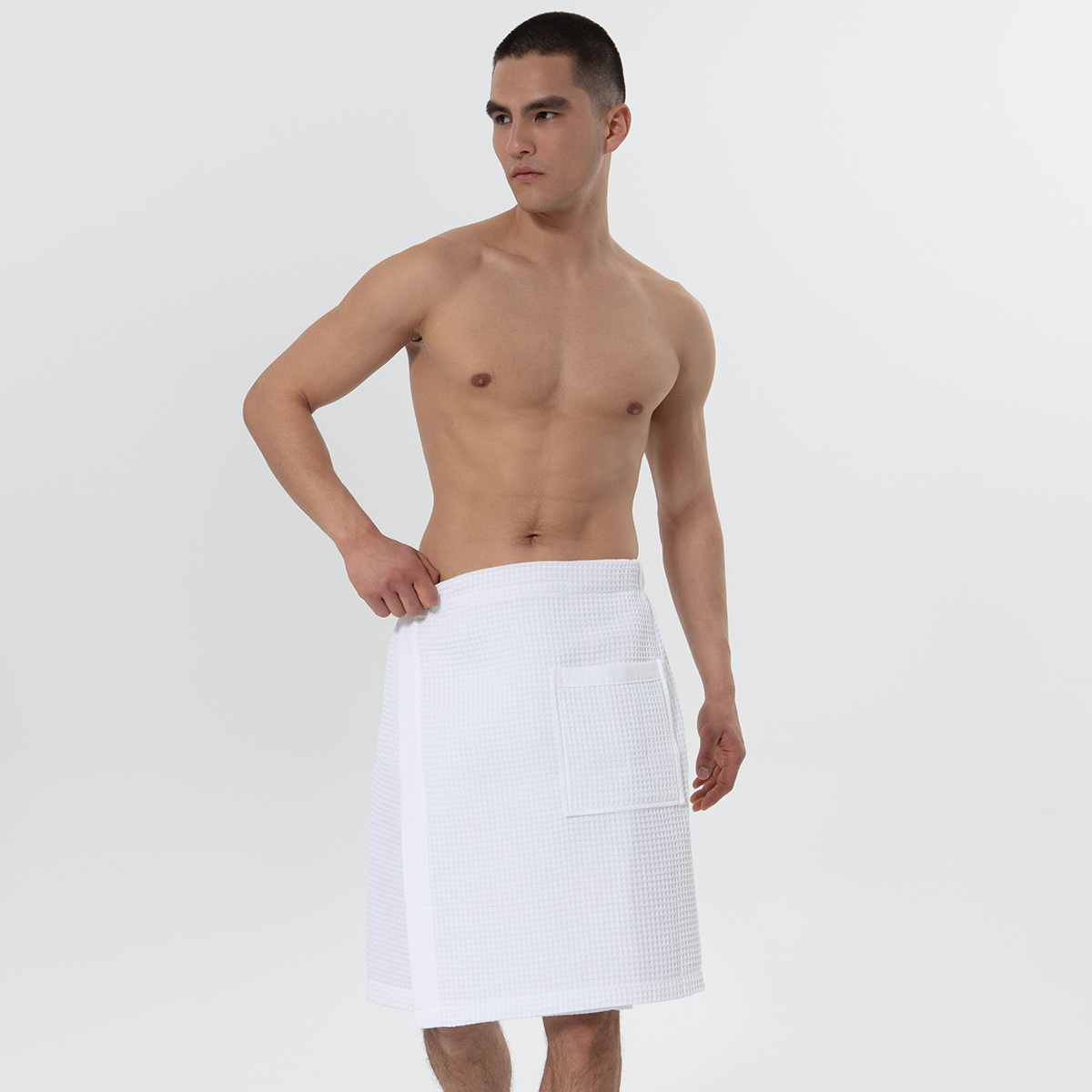
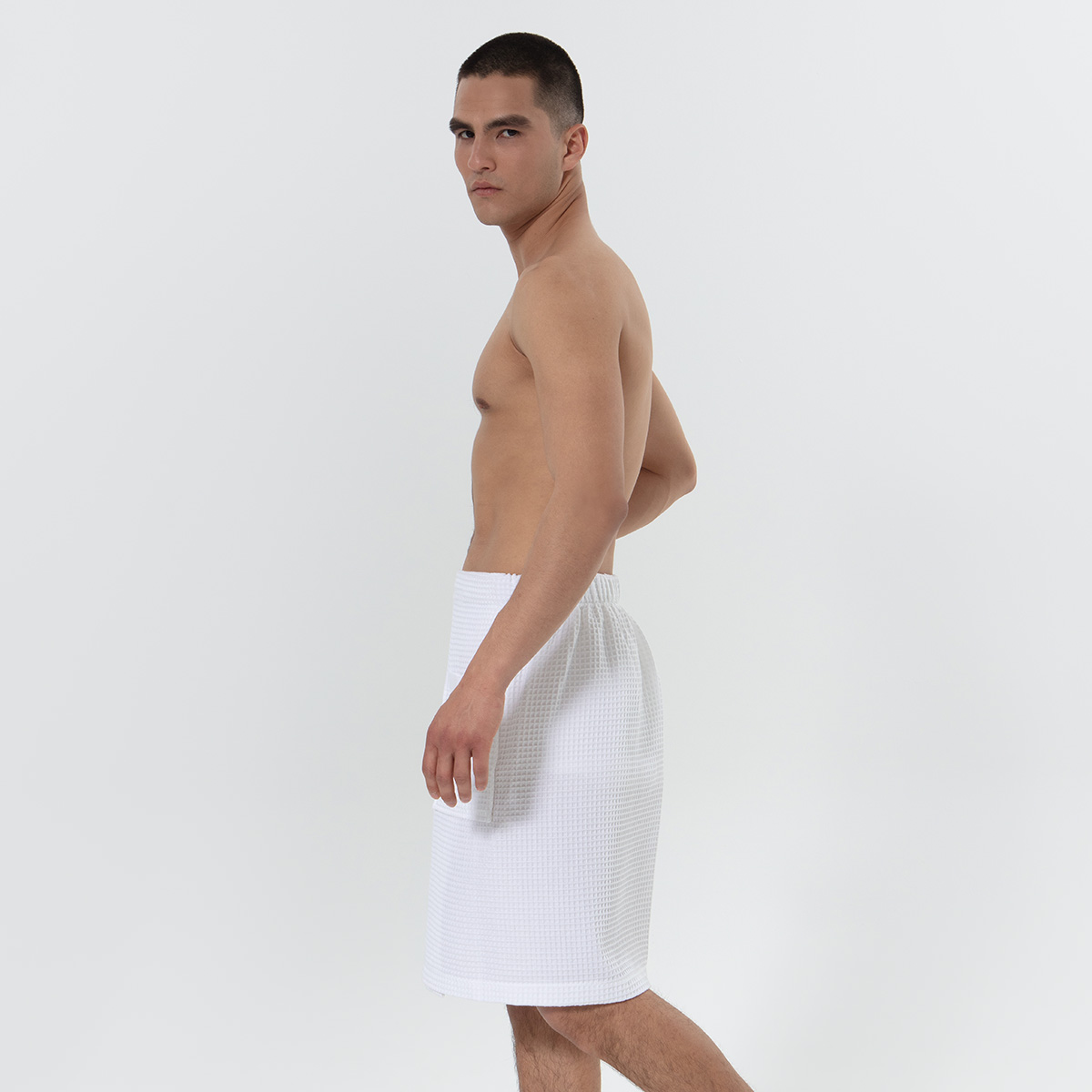


Offering high-quality bathrobes for both women and men with GOTS certification
Our commitment to excellence is reflected in our use of the Global Organic Textile Standard (GOTS) certification for our products. GOTS is a benchmark for organic textiles, ensuring environmentally friendly and socially responsible manufacturing processes.




FREE STANDART DELIVERY
STRESS-FREE SHOPPING
ONLINE CUSTOMER SERVICE