From Modest Gown to Luxury Bathrobe: A Quiet Evolution of Softness, Ritual and Design
- Early History: The Morning Gown and Quiet Aristocratic Rituals
- A New Era Emerges: Where Comfort Finally Aligns with Style
- Elevating the Standards: The SEYANTE Philosophy of True Luxury
- The SEYANTE Model
- Sustainability, But Not as a Marketing Slogan
- An Unassuming Object of Significance: Bathrobes in Today's Culture of Wellness
- What Modern Luxury Robes Represent
- How SEYANTE's Robes Are Intended to be Worn and Lived In
- FAQ: Questions People Actually Ask About Luxury Bathrobes
- Care Instructions (Gentle but Essential)
It seems there's something rather comforting about the thought of slipping into a robe after a long day. Maybe you envision the mist rising off a hot shower, or the stillness of the home after the evening winds down. The habit — the break — that we now know as a robe did not develop in a vacuum. It developed from changing patterns of behavior, and various design changes, and, ultimately, the pursuit of comfort, which has always driven humans.
Therefore, this story does not begin with luxury spas or high-end wellness brands but instead begins with humble garments that were much less ornate than the rich textures we surround ourselves with today.
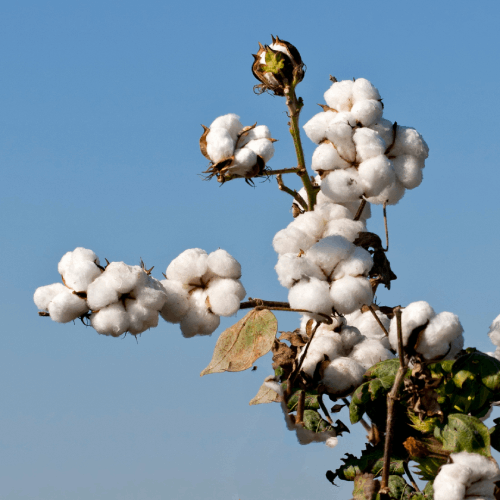
And yes, at some point along this path, GOTS Certified Organic, Turkish Cotton, pure & safe, and chemical free actually became part of the conversation. That may seem crazy, if you think about it.
Let us take the winding path through history to understand how a basic "morning gown" eventually evolved into the type of premium-quality (only available for SEYANTE) bathrobes that people now buy and preserve as family heirlooms.
Early History: The Morning Gown and Quiet Aristocratic Rituals
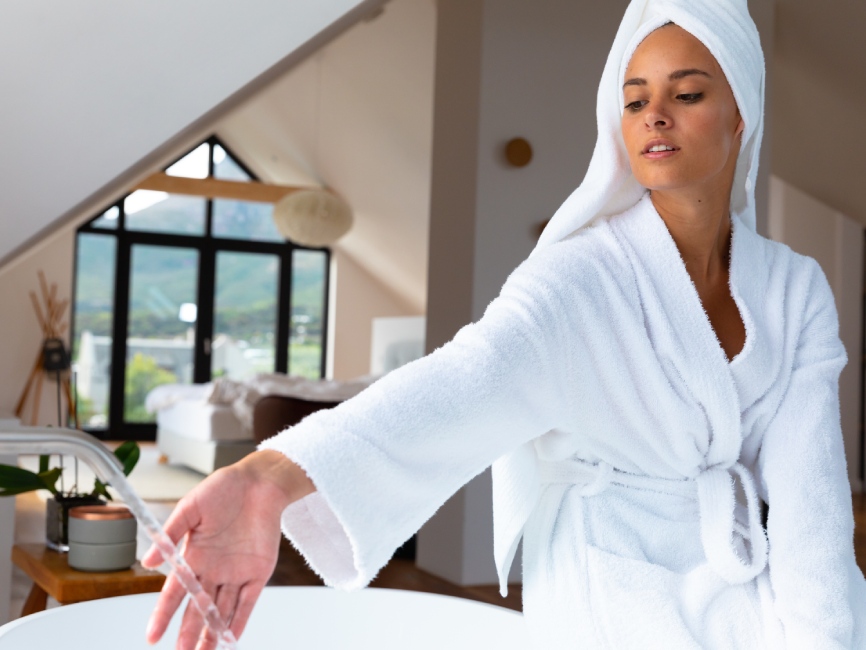
Before robes became symbols of self-care and weekend laziness, they were -- strangely enough -- symbols of refinement. Morning gowns developed in the late 18th Century, typically constructed from lightweight fabrics, and always worn indoors.
How They Began
- Primarily reserved for the aristocracy.
- Used primarily while reading letters, writing letters, or simply spending time alone in private areas of the home.
- Were intended to provide modesty, warmth and a sense of dignified relaxation.
There was no Instagram-worthy breakfast spread, no spa-style bathrooms, and no large terry cloth. Only a garment that enabled individuals to slow down, in an age where convenience was not a factor in people's lives.
You may wonder whether these early gowns bore any resemblance to today's robes. Not really. They were more akin to elegant house jackets than anything you would wrap yourself in after a warm bath.
I'm getting ahead of myself...
A New Era Emerges: Where Comfort Finally Aligns with Style
By the early 20th Century, advancements in textile manufacturing worldwide made new types of fabrics widely available. Terry cotton entered the scene, and with it, the robe began to feel cozier and much more relatable.
The Shift So Far
- Designers introduced terry cotton designs, adding bulk and softness.
- Robes became thicker and more comfortable thanks to spa trends and domestic influence.
- Following World War II, consumer preferences shifted greatly.
Post-War consumers sought comfort that felt reliable. Therefore, designers focused on creating softer loop piles, more durable stitching, and fabrics that could withstand everyday use. At some point during the 50s and 60s, robes ceased being an accessory and became a common fixture in every home.
Although the morning ritual robe gradually evolved into a companion to numerous post-bath activities and lazy weekend reading, give or take a few design missteps, this era defined the model for today's bathrobes.
Elevating the Standards: The SEYANTE Philosophy of True Luxury
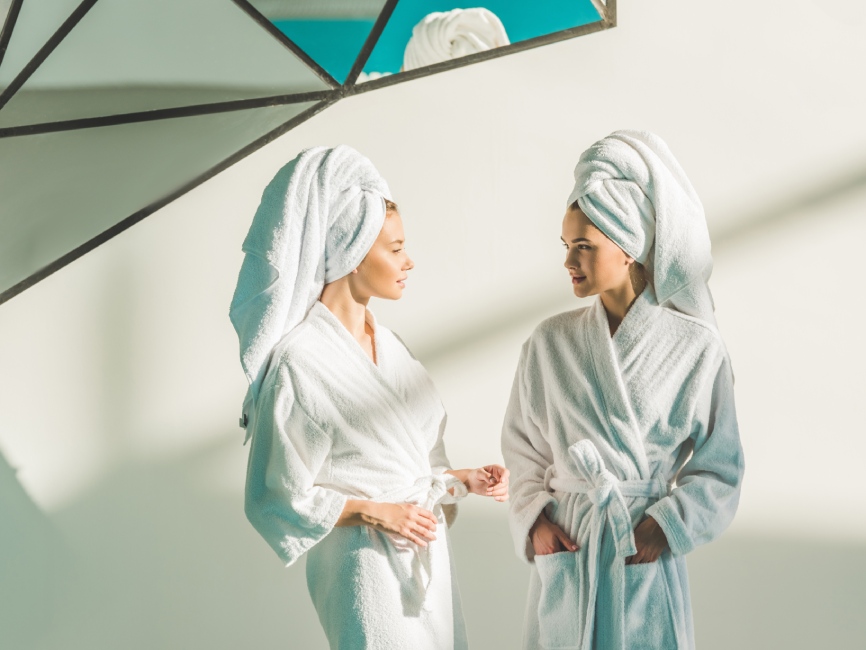
Many robes currently marketed as luxurious do not possess equal levels of luxury. SEYANTE views the bathrobe not as a textile, but as a ritual object - an object that bridges comfort, purity, and thoughtful design.
At this point, the texture of the story will slightly shift.
The SEYANTE Model
Each robe produced by SEYANTE is crafted from:
- Premium Quality Turkish Cotton (Exclusive to SEYANTE).
- Produced using GOTS Certified Organic production methods.
- Organic, chemical-free, pure and safe for skin.
- Ethically Produced to protect artisans and respect the planet.
There is something unique to Turkish cotton itself. Its longer fibers result in fabrics that feel soft immediately upon wearing but will continue to soften over time. This small distinction - the growth of the fabric with you - is something that people often overlook.
SEYANTE did not wish to produce robes that merely looked nice in a bathroom. SEYANTE wished to produce robes that people instinctively reach for because they simply feel right and will last. For years, actually.
Back to the larger context...
Sustainability, But Not as a Marketing Slogan
We constantly hear the term "sustainable," but SEYANTE's approach to sustainability is more about making decision after decision on a single thread at a time, rather than simply promoting the concept of sustainability.
What Sustainability Looks Like From Our Perspective
- All GOTS Certified Organic Processes Used.
- Environmentally Friendly Dye Systems.
- Minimal impact on water usage.
- Production chain designed to reduce waste.
- Legitimate commitment to future generations.
There is a significant distinction between sustainability as a marketing slogan and sustainability as a silent promise. SEYANTE subscribes to the latter. The dyes used are environmentally friendly. The cotton used is free from toxic chemicals. The stitching is designed to last long enough for the robe to be passed down to others.
This isn't just about fabrics. It's about honesty in making choices.
An Unassuming Object of Significance: Bathrobes in Today's Culture of Wellness
Bathrobes are no longer an afterthought in today's homes. They've evolved into an integral component of how people relax. That's partially due to the fact that people have converted their homes into sanctuaries, especially in recent times; however, it's also due to the significance placed on daily rituals.
What Modern Luxury Robes Represent
- Mindfulness and intentional self-care.
- A sense of personal expression through simple, clean design.
- Relaxation within your own space.
It's interesting how something that appears so mundane can represent a person's conscious decision to prioritize themselves.
SEYANTE's robes capture this essence with their subtle softness, which conveys luxury not through loud proclamations, but through texture, weight and design.
How SEYANTE's Robes Are Intended to be Worn and Lived In
There's a little philosophy woven into each piece: robes should be straightforward yet special. Much like that one spot in your home that always provides you with a sense of calm.
Combining:
- GOTS Certified Organic Materials,
- Turkish Cotton,
- an ethical production framework,
- and a commitment to pure & safe, chemical free textiles,
... produces garments that not only enhance routines, but elevate them.
Softness that does not fade. Natural absorbency. Timeless designs. All are intentional.
Perhaps that is why SEYANTE robes have become items that people purchase as gifts, collect, and yes, sometimes maintain as keepsakes.
FAQ: Questions People Actually Ask About Luxury Bathrobes
Why is Turkish Cotton considered premium?
Turkish cotton fibers are longer than standard cotton fibers, which creates stronger, softer and more absorbent textiles. They also get softer after repeated washing - a detail that surprises many first-time users.
Is GOTS certification really necessary for a robe?
If you care about environmental responsibility and safe, chemical-free fabrics, then yes. GOTS certification guarantees high ecological and social standards throughout the production process.
Are SEYANTE robes suitable for sensitive skin?
Absolutely. Because they are organic, chemical free, and pure & safe, they are ideal for anyone avoiding harsh treatments or irritants.
What makes SEYANTE robes last longer?
The durability comes from the fiber quality of Premium Turkish Cotton and the ethical manufacturing process that prioritizes long-term performance rather than fast production.
Do luxury robes really improve wellness routines?
A surprisingly large number of people say yes. A soft, calming robe signals the brain to slow down, making daily rituals more comforting and mindful.
Care Instructions (Gentle but Essential)
To preserve the softness and integrity of your SEYANTE robe:
- Wash separately in warm water
- Use non-chlorine bleach if needed
- Tumble dry low
- Warm iron only
Each step protects the long fibers of Turkish cotton and maintains the robe’s absorbency and texture.