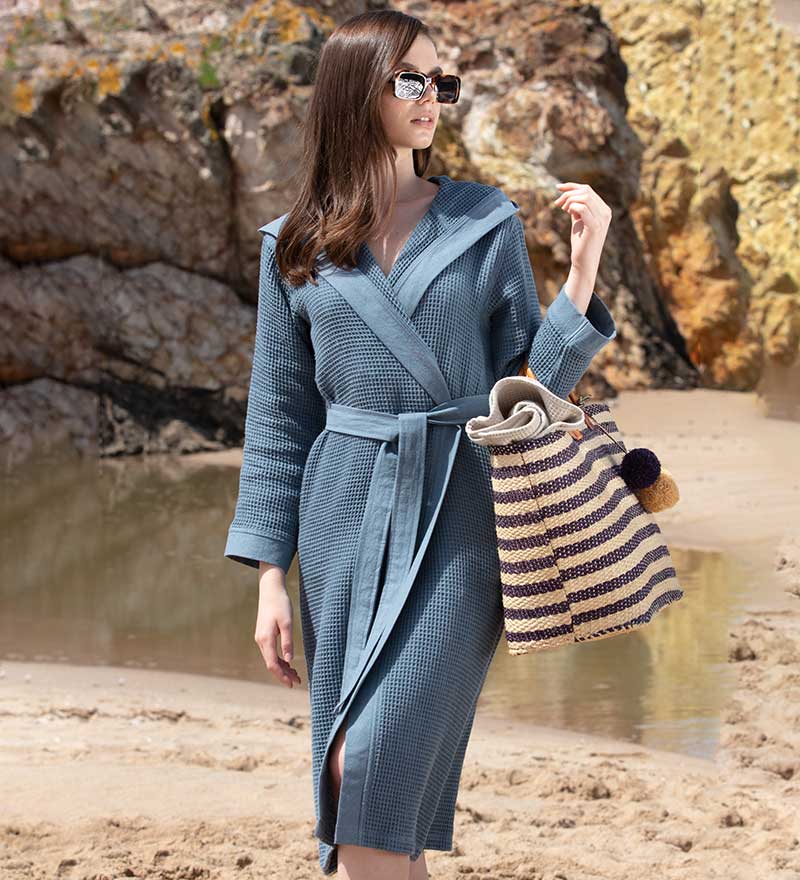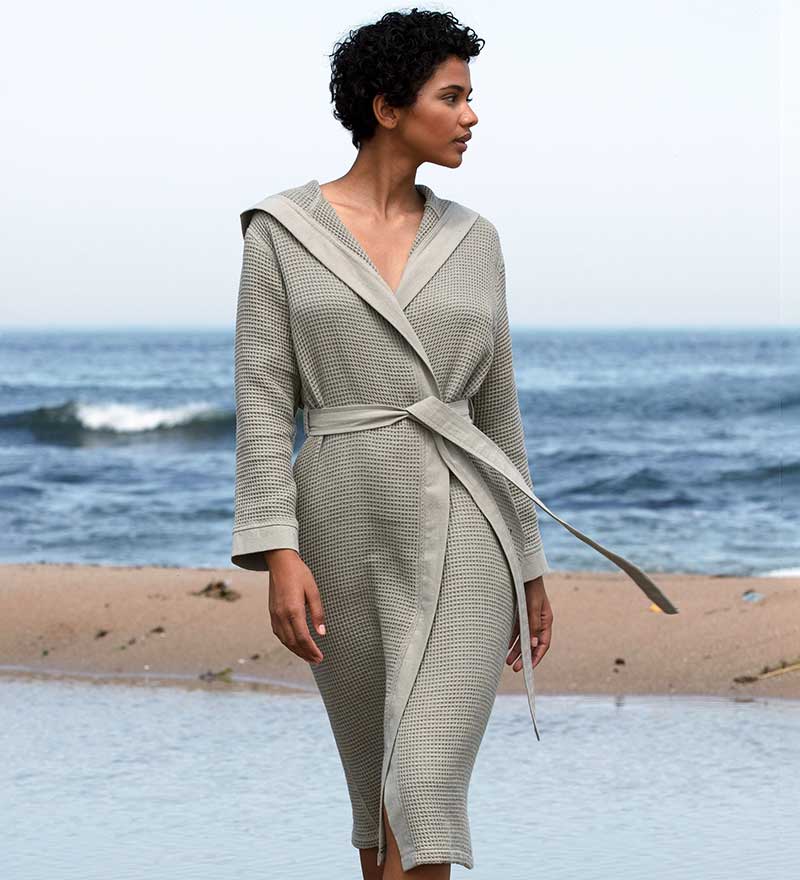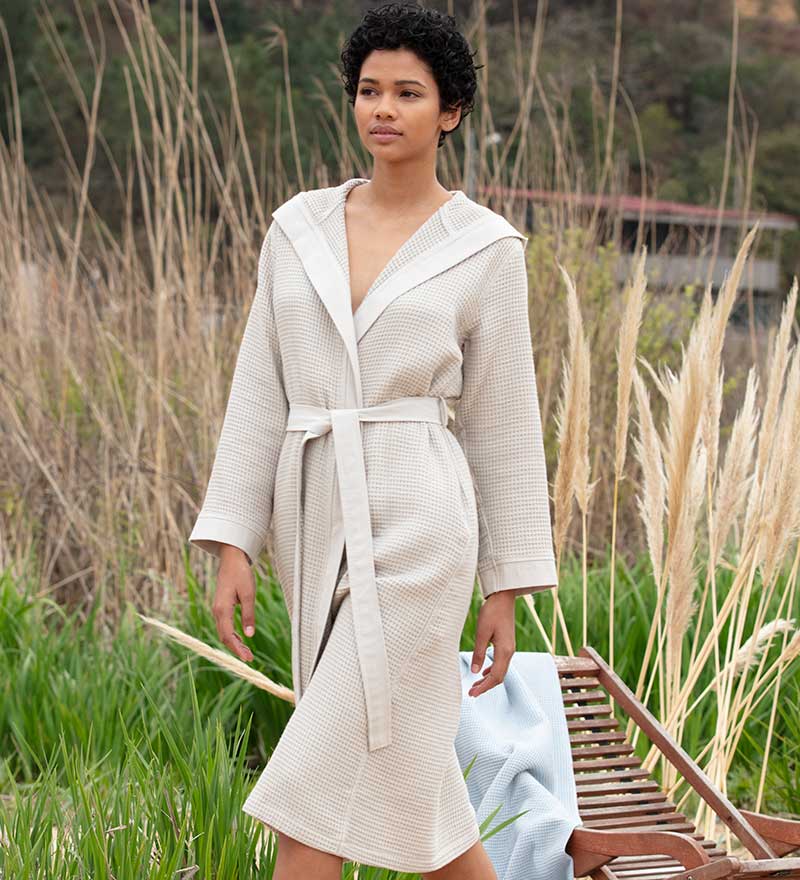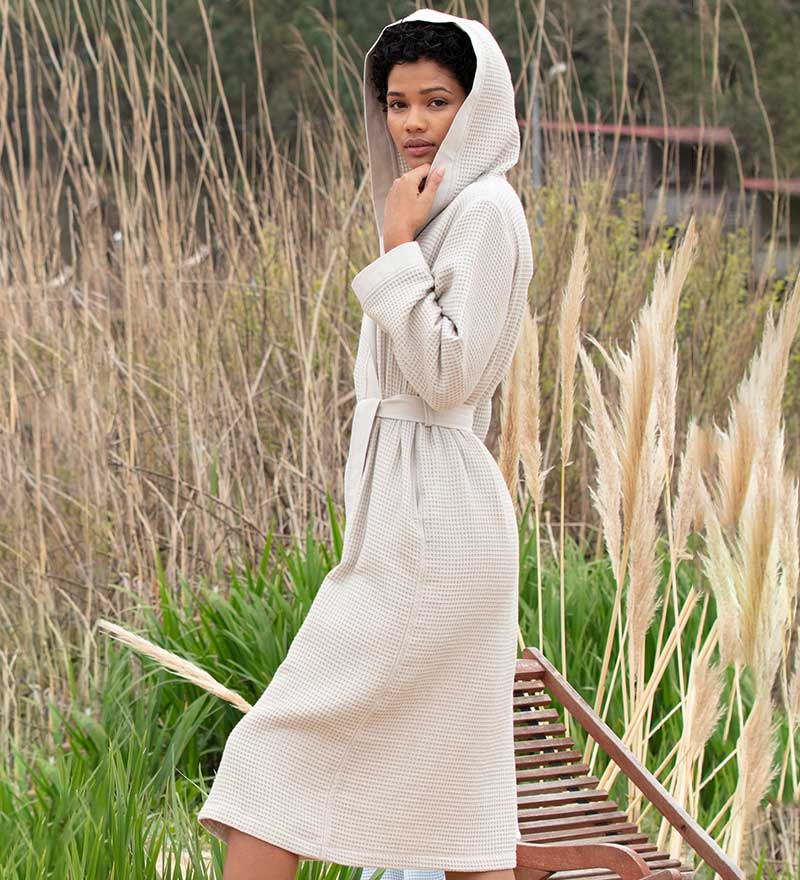




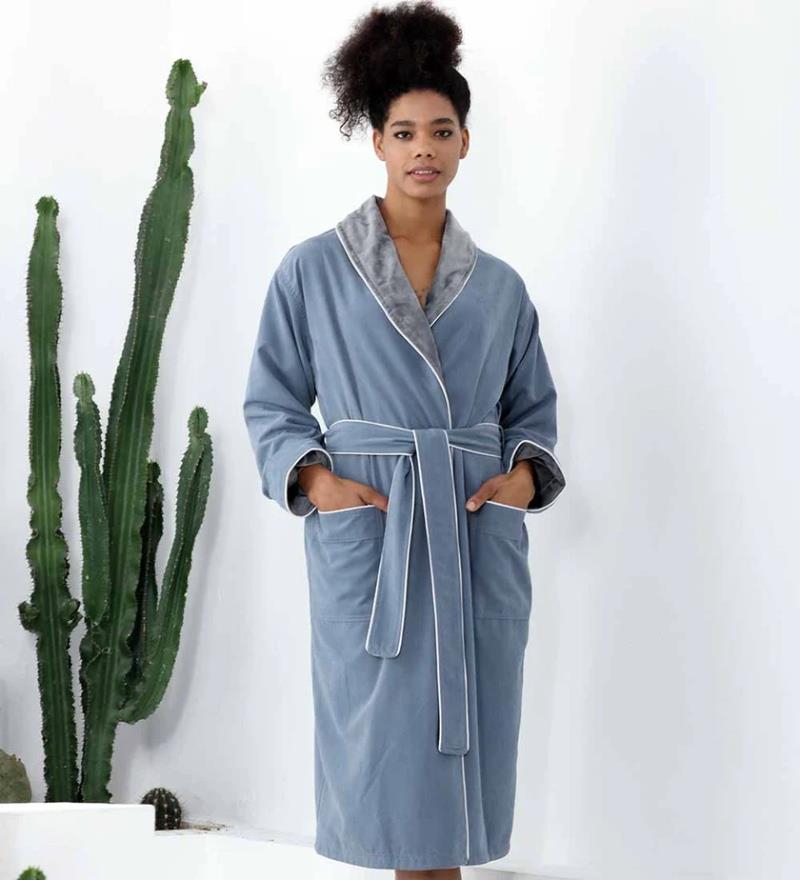
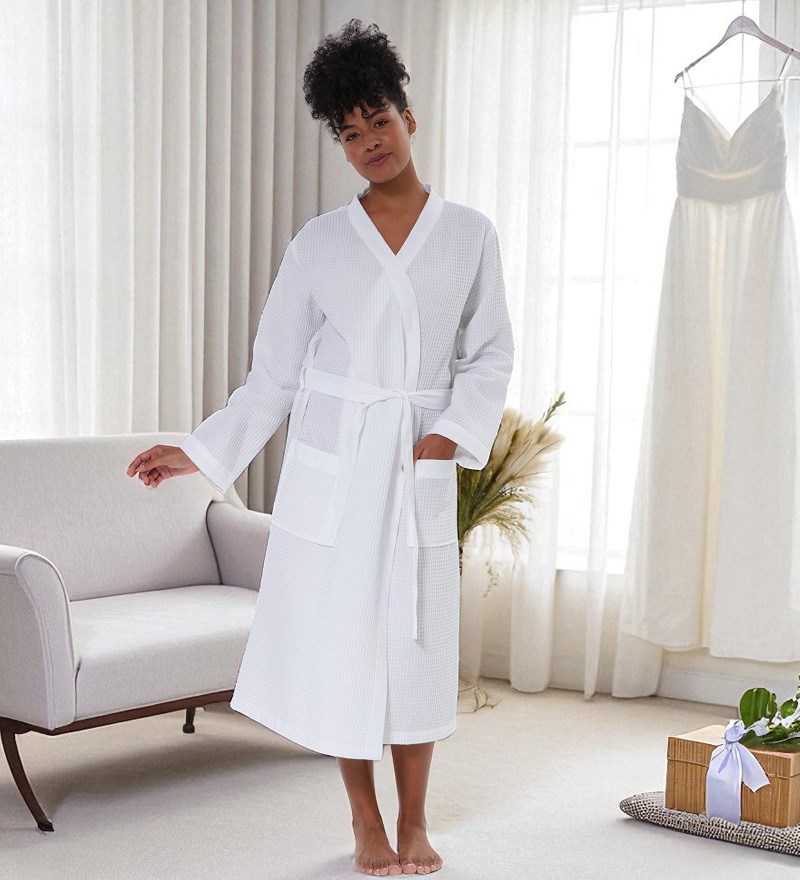
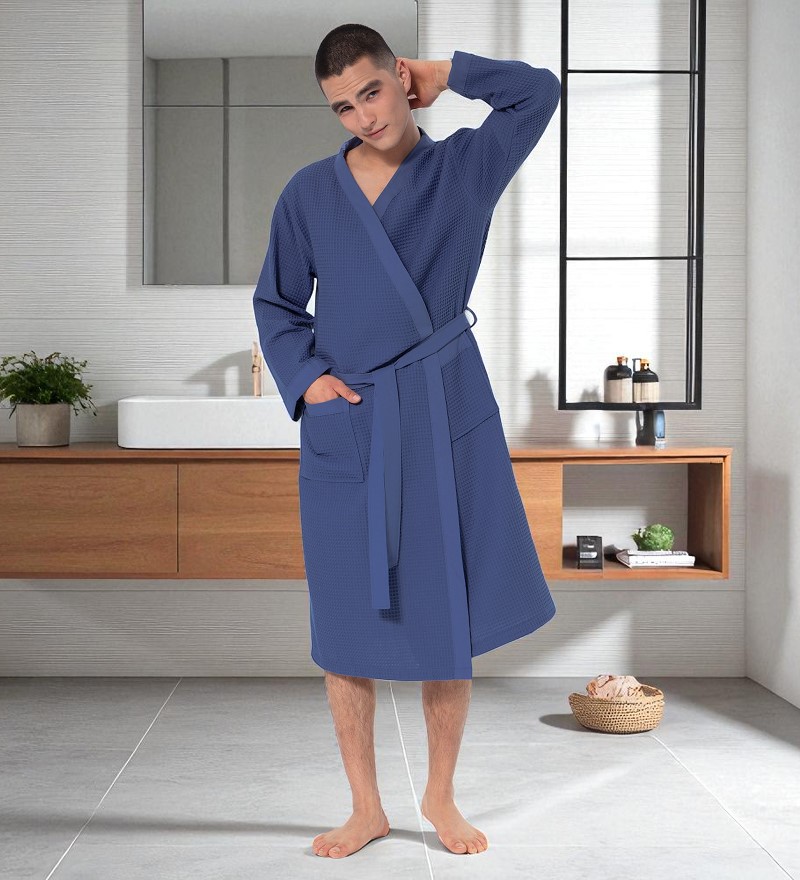


- Waffle Robes
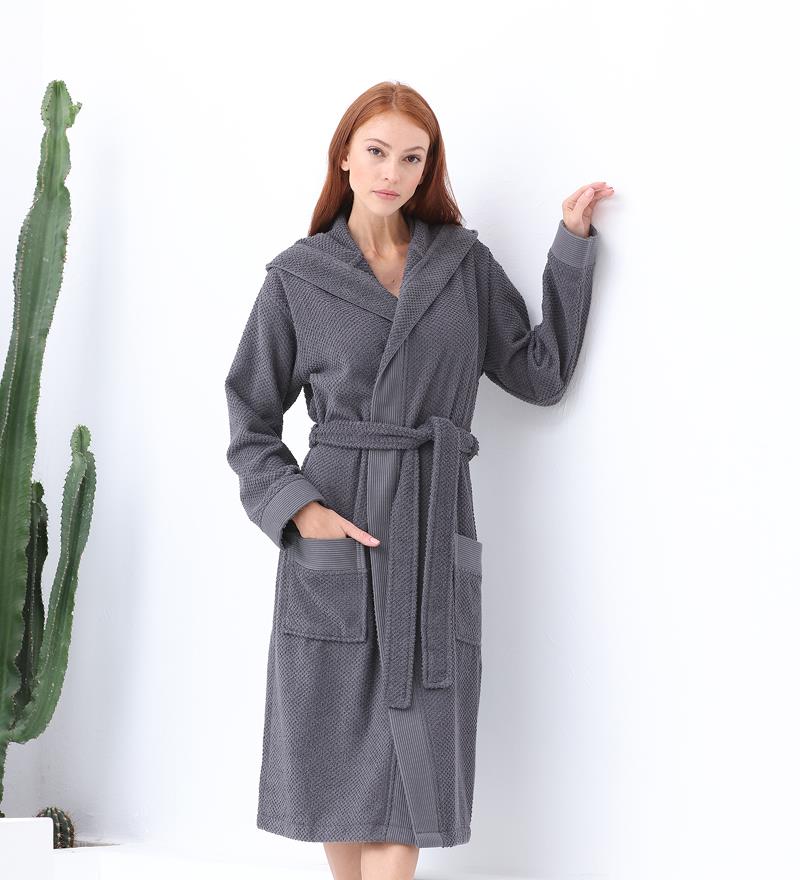
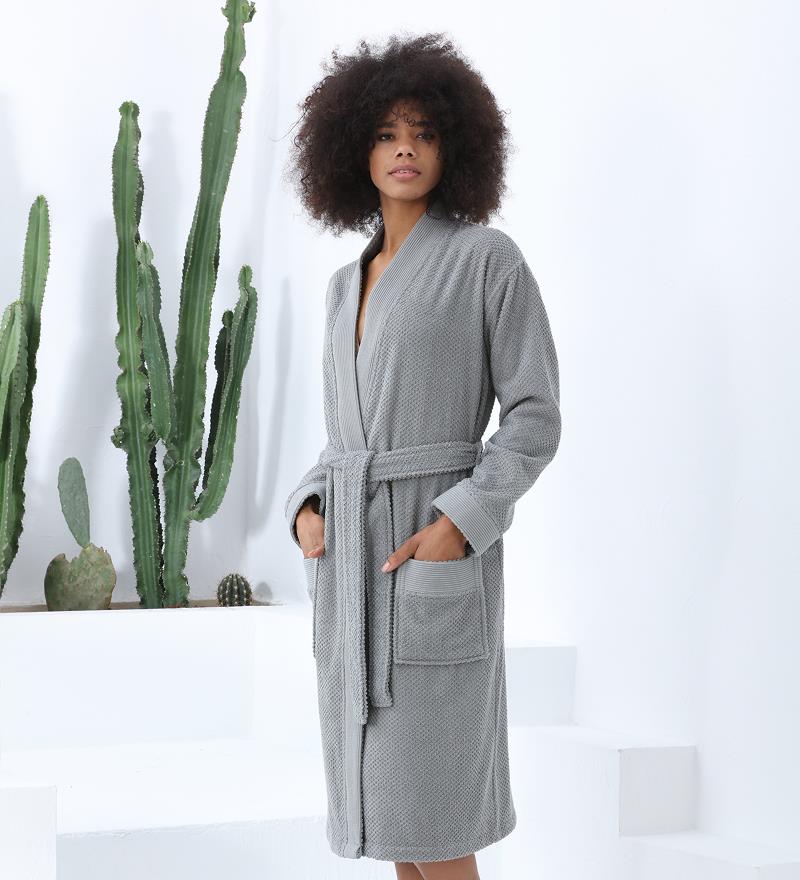
- Terry Cloth Robes
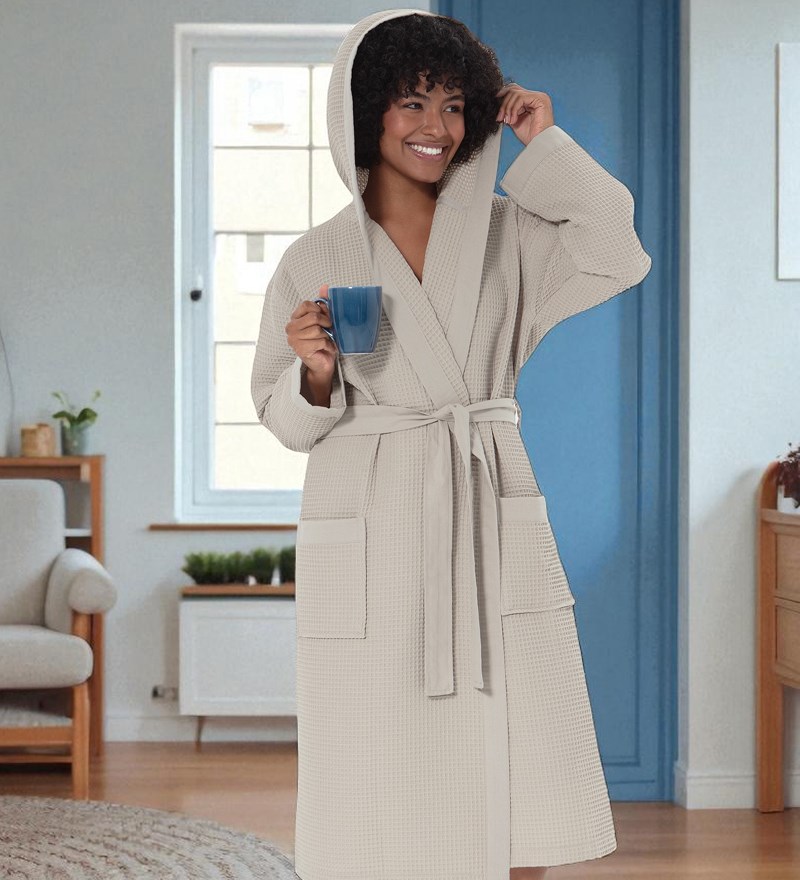
- Microfiber Robes
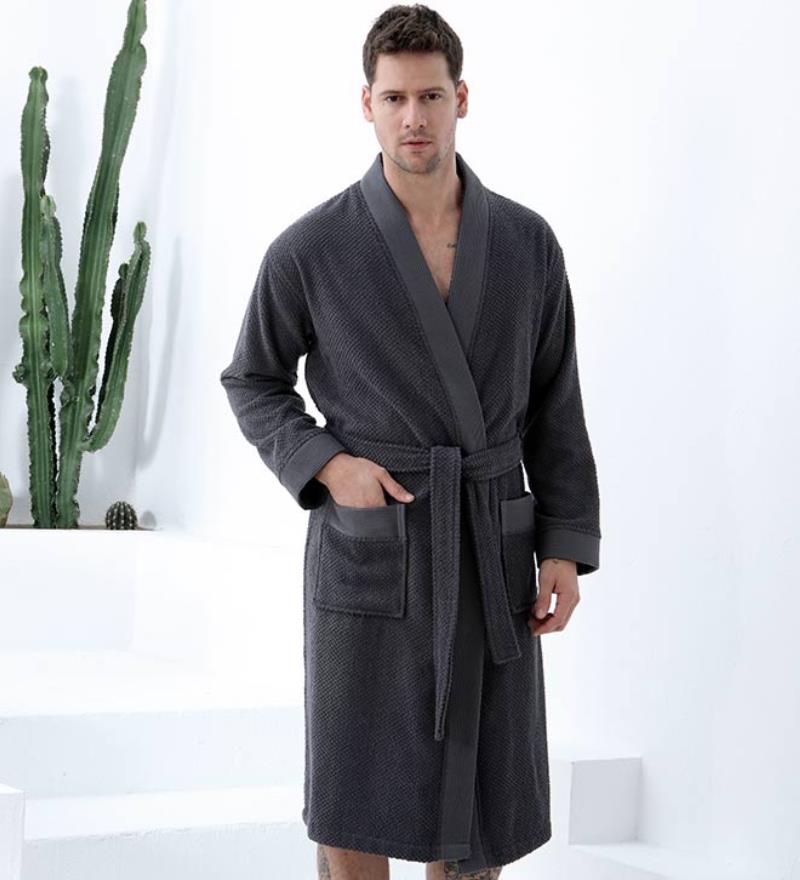
- Turkish Cotton Robes
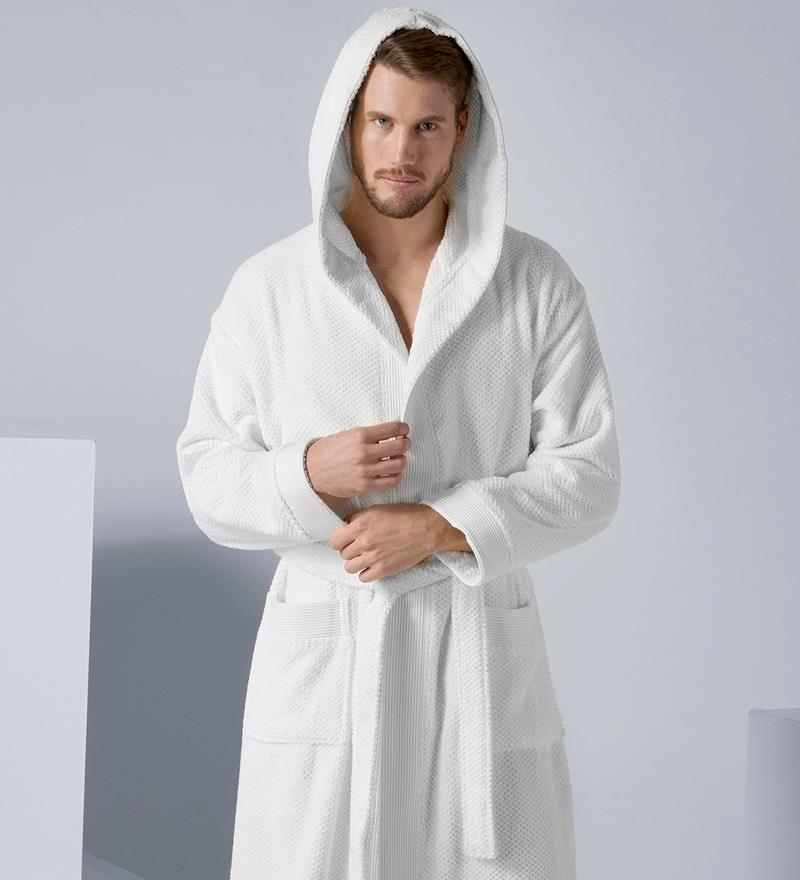
- Towel Robes
- View All Robes by Material


Wim Hof and Other Breathing Methods: A Simple At-Home Guide - Seyante
We take thousands of breaths every single day, yet most of us never pay attention to how we do it. The simple act of inhaling and exhaling is an automatic survival mechanism, but when controlled and directed, it transforms into a powerful tool for managing our daily energy and focus. Engaging in breathing exercises at home is one of the most accessible ways to transition from a state of scattered distraction to a state of grounded presence.
Whether you are looking to kickstart your morning with a surge of energy, find your focus before a big meeting, or wind down after a chaotic day, mastering a few basic techniques can completely shift your mindset. This simple breathing guide introduces three of the most popular methods—including the famous Wim Hof breathing method—and provides a framework for practicing breathwork for beginners safely and effectively.
Setting the Scene: Preparing Your Space
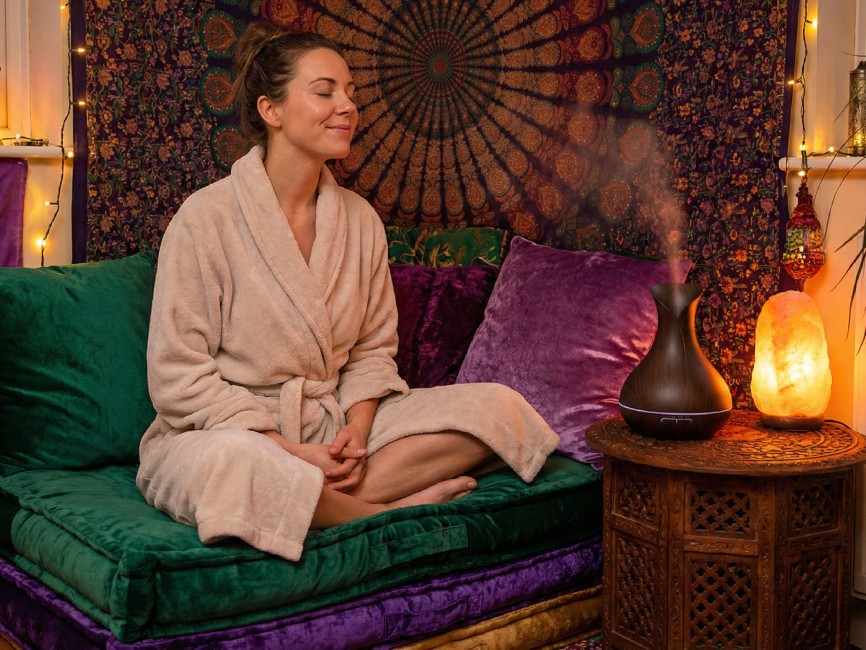
Before you begin any breathing practice, it is highly recommended to physically separate yourself from your daily chores. You do not need a professional studio, but having a dedicated, quiet spot makes it easier to build a sustainable habit.
If you are unsure where to start, our guide on creating a yoga and meditation space at home offers excellent tips for designing your personal relaxation corner. To further enhance your sensory experience and signal to your brain that it is time to relax, consider adding gentle aromatherapy to your room. You can explore the benefits of different scents in our introduction to essential oils. Once your environment is set, you are ready to explore the methods below.
Method 1: The Wim Hof Breathing Method (For Energy)
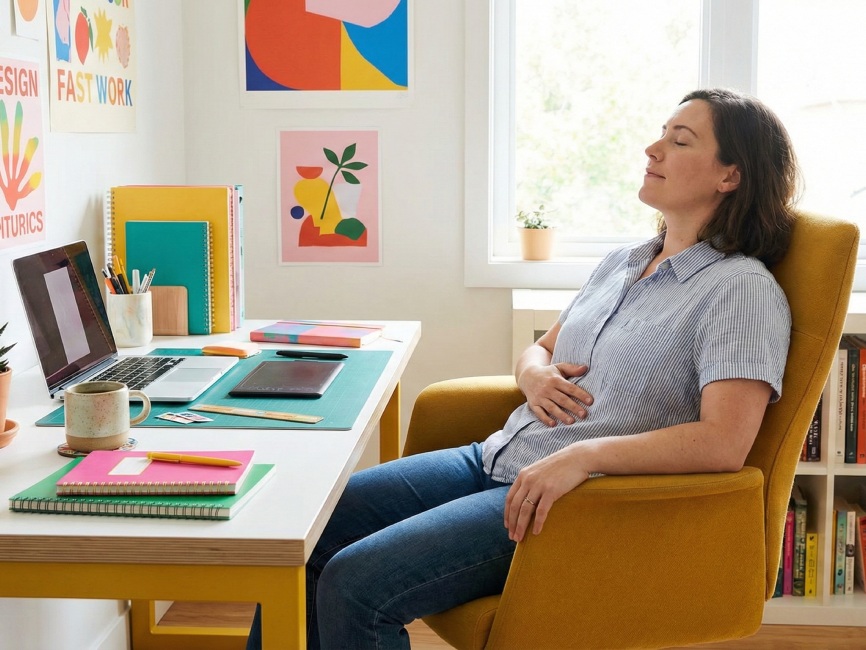
Popularized by the "Iceman" himself, the Wim Hof breathing method is an active, energizing practice designed to flood the body with oxygen and wake up the nervous system. It is best practiced in the morning on an empty stomach to boost alertness.
How to Practice
- The Posture: Sit or lie down in a comfortable, safe place. Never practice this standing up.
- The Flow: Take 30 to 40 deep, active breaths in through the nose (or mouth) and let the air out naturally, without forcing the exhale. It should feel like a wave—inhaling deeply into the belly, then the chest, and letting it go.
- The Hold: After the last exhalation, inhale deeply one final time, let the air out completely, and hold your breath until you feel the urge to breathe again.
- The Recovery: When you feel the urge to breathe, take one deep breath in and hold it at the top for about 15 seconds, then let it go.
- Duration: This cycle is typically repeated 3 to 4 times.
Method 2: Box Breathing (For Focus & Calm)
Also known as square breathing, box breathing is famously used by athletes and first responders to maintain extreme focus in high-pressure situations. It is the ultimate tool for "resetting" a wandering mind and establishing a steady rhythm.
How to Practice
- The Posture: Sit comfortably with a straight back.
- The Flow: 1. Inhale slowly through your nose while counting to four. 2. Hold your breath at the top for a count of four. 3. Exhale slowly through your mouth for a count of four. 4. Hold your lungs empty for a count of four.
- Duration: Repeat this "box" cycle for 3 to 5 minutes to feel grounded and centered.
Method 3: The 4-7-8 Breathing Technique (For Relaxation)
When it comes to breathing techniques for relaxation, the 4-7-8 method is widely celebrated for its ability to promote a deep sense of calm, making it an ideal practice for your evening wind-down routine. It acts as a natural tranquilizer for the nervous system.
How to Practice
- The Posture: Sit comfortably or lie in bed, preparing for rest.
- The Flow: 1. Inhale quietly through your nose for a mental count of four. 2. Hold your breath gently for a count of seven. 3. Exhale completely through your mouth, making a subtle "whoosh" sound, for a count of eight.
- Duration: For beginners, it is recommended to repeat this cycle only four times in a row. As you get more comfortable, you can gradually increase it to eight cycles.
Crucial Safety Guidelines: Read Before You Breathe
While breathwork is generally a safe and natural practice, altering your oxygen and carbon dioxide levels requires responsibility and body awareness. Please adhere to the following safety rules strictly:
- Never practice in water: Methods like Wim Hof can cause lightheadedness. Never practice these techniques in a pool, bathtub, or any body of water, as it carries a severe risk of fainting and drowning.
- Never practice while driving or standing: Always practice sitting or lying down in a safe environment. Do not engage in deep breathwork while operating a vehicle or heavy machinery.
- Listen to your body: If you feel dizzy, nauseous, or uncomfortable at any point, stop immediately and return to your normal, natural breathing pattern.
- Consult a professional: These techniques are for general wellness and relaxation; they are not medical treatments. If you have a history of cardiovascular issues, high blood pressure, asthma, pregnancy, or any serious medical condition, you must consult your doctor before attempting any new breathing exercises.
Conclusion
You do not need specialized equipment to tap into the power of your own physiology. By incorporating these simple breathing exercises at home, you can actively influence your energy levels and mental clarity. Whether you use the Wim Hof breathing method to jumpstart your morning or the 4-7-8 breathing technique to unwind at night, the key is consistency and safe practice. Find your quiet corner, take a deep breath, and begin.
Related Posts
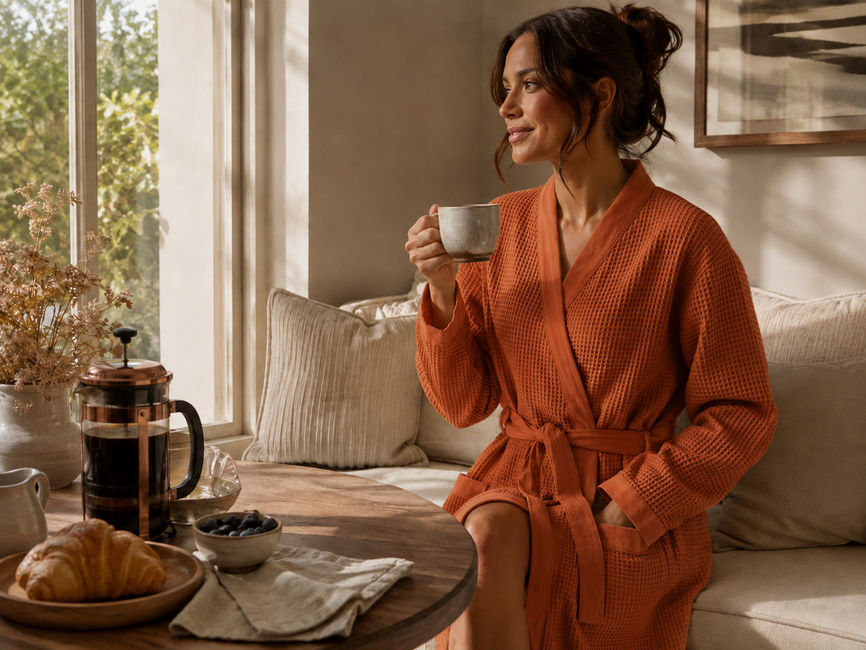

Featured Products
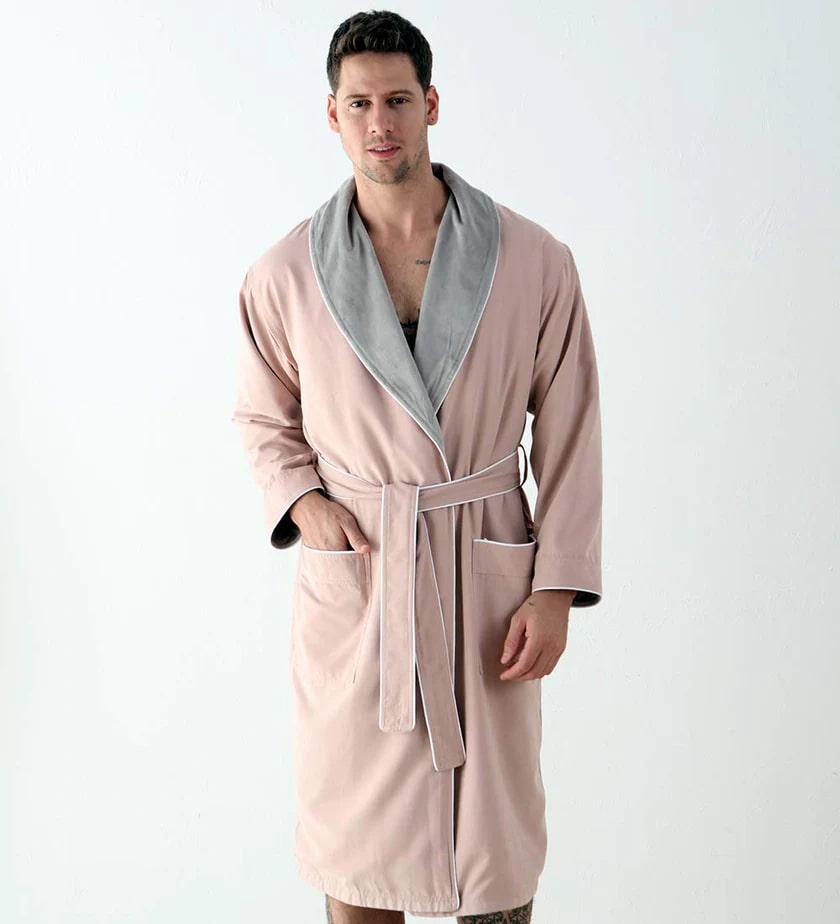

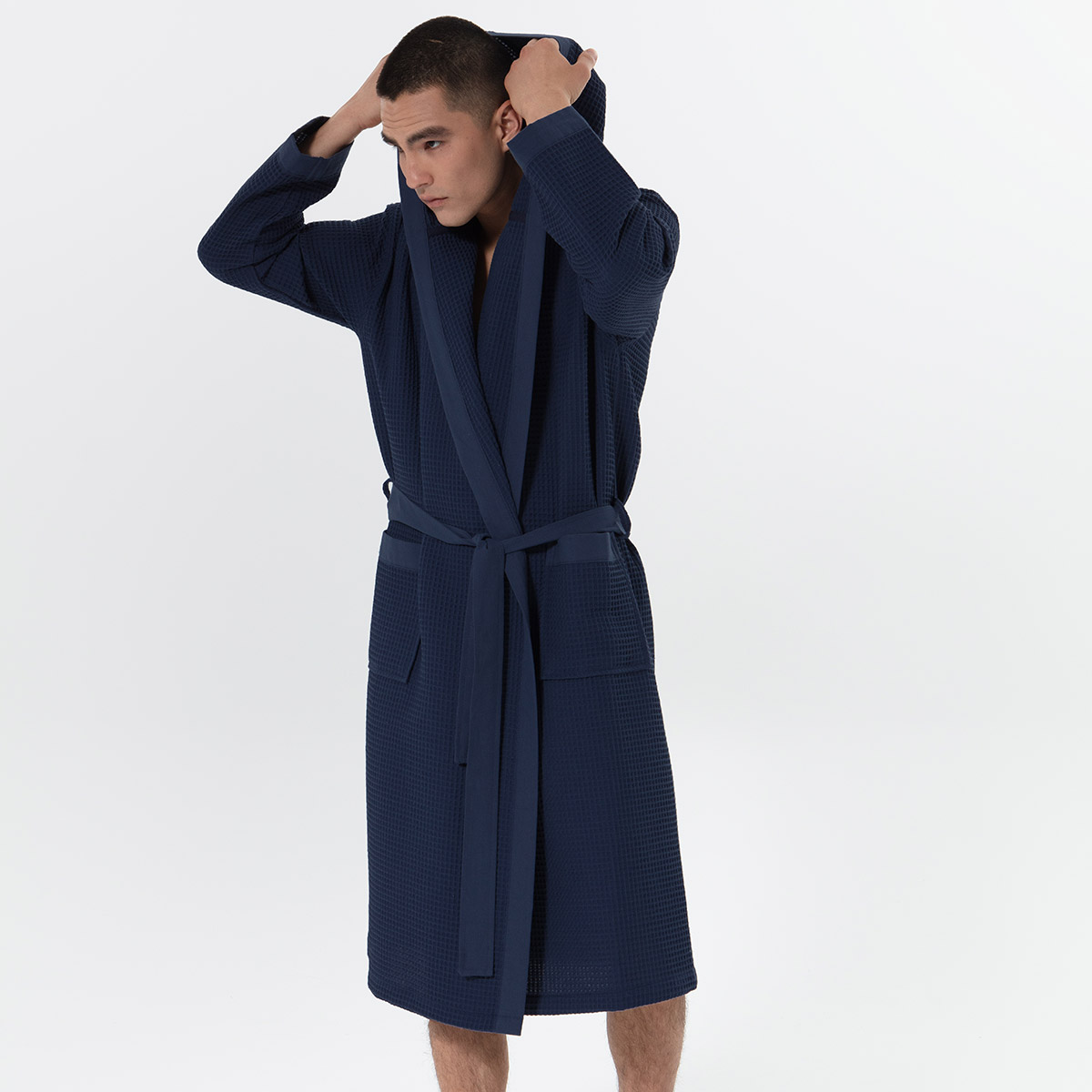

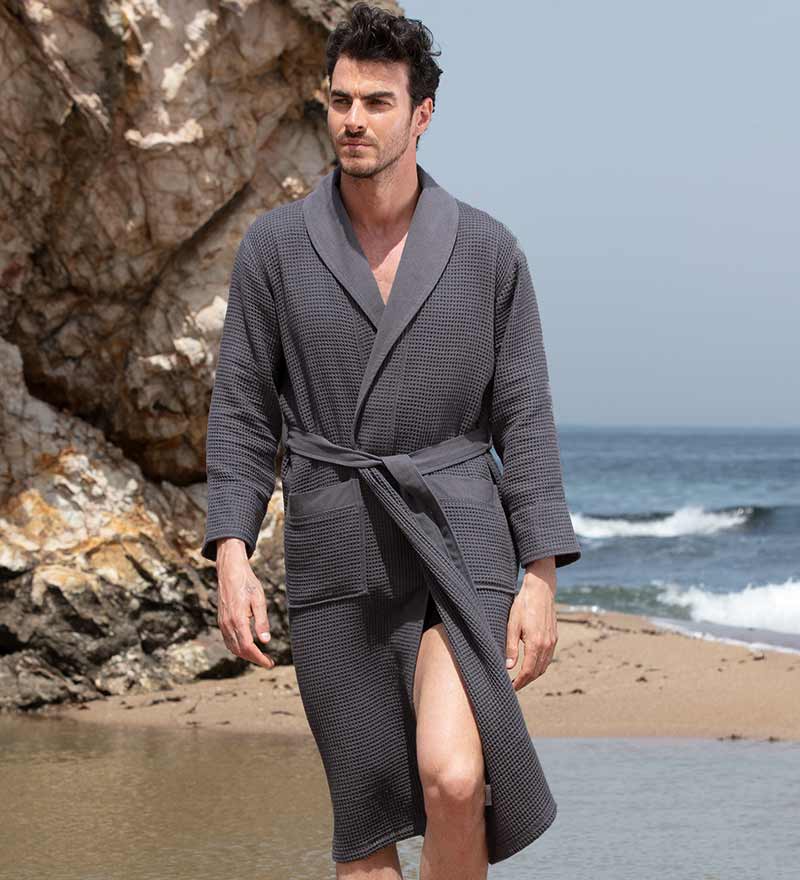

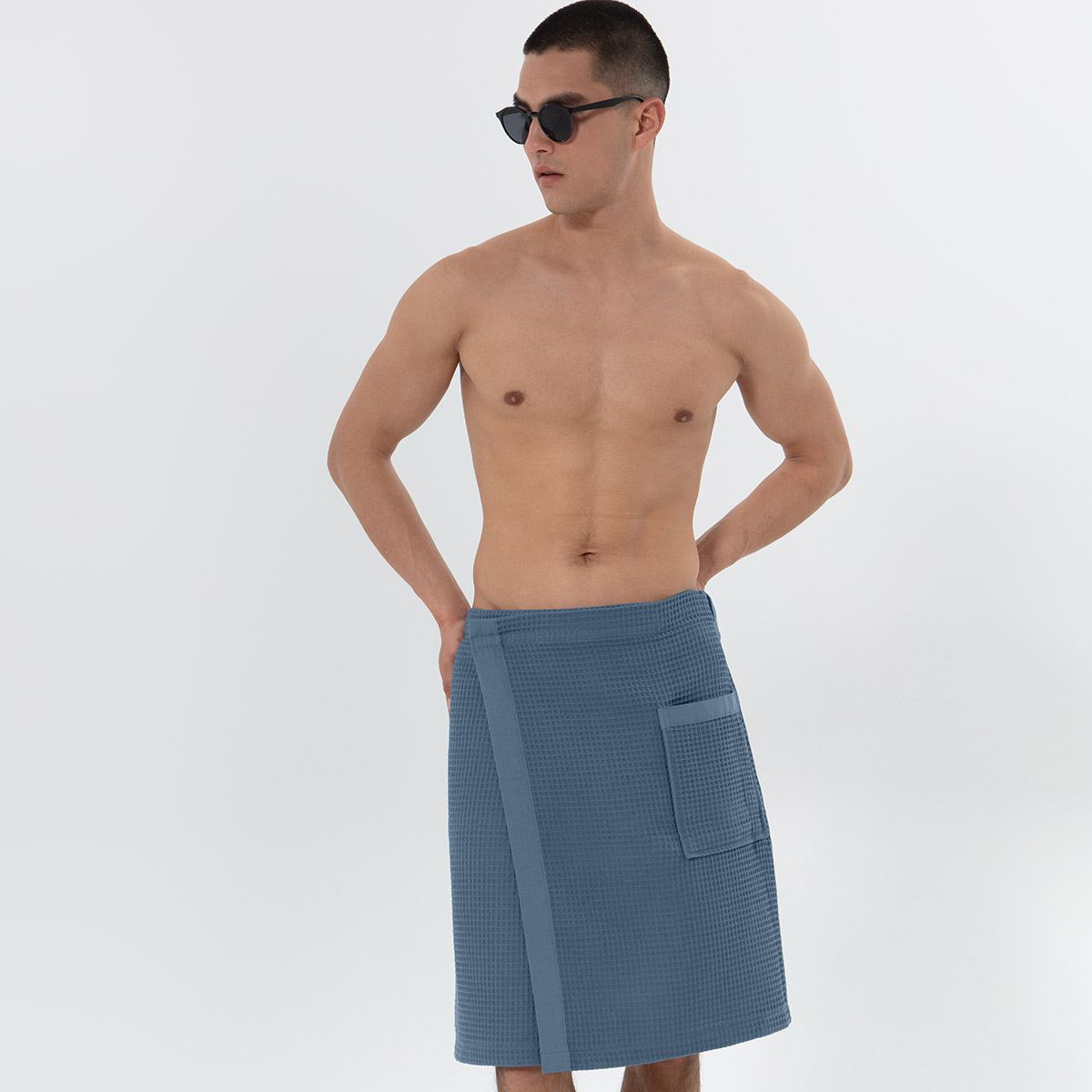

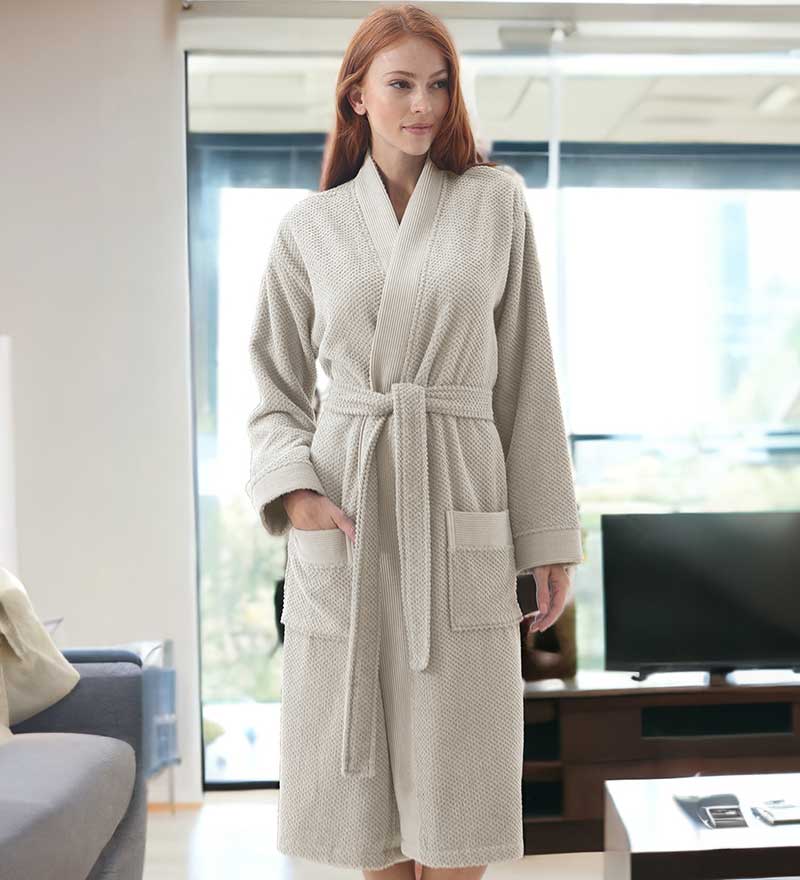
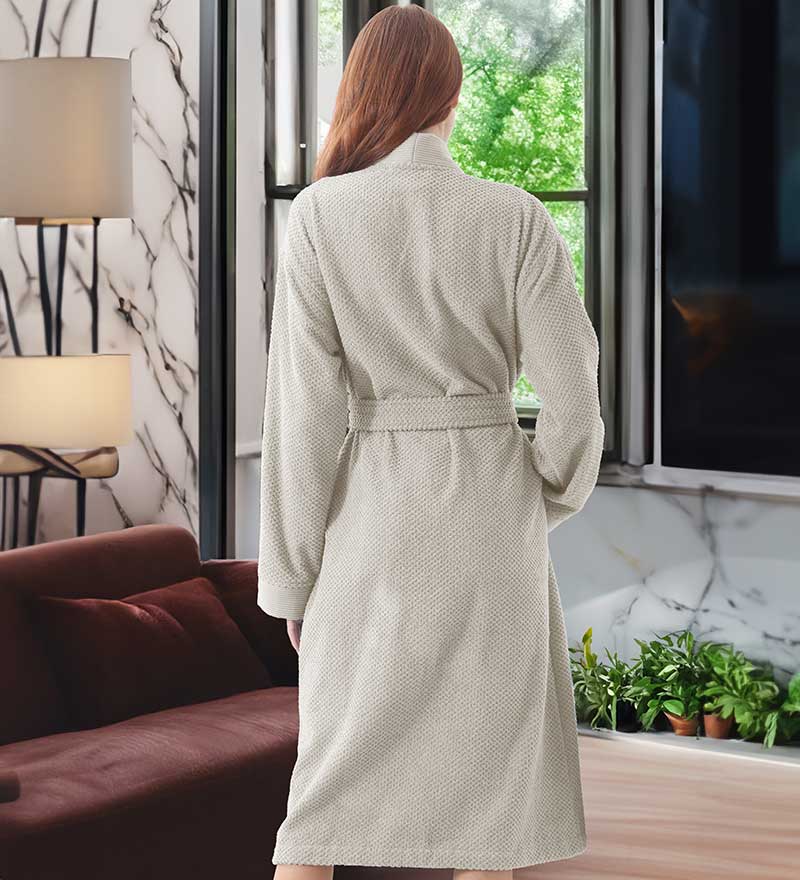


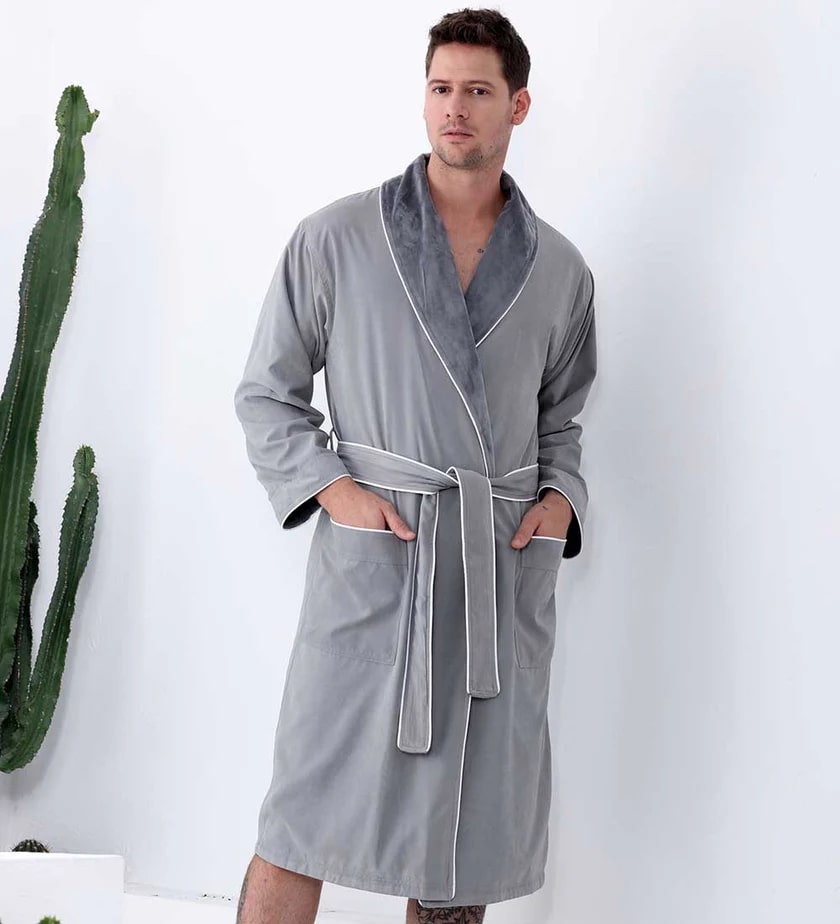

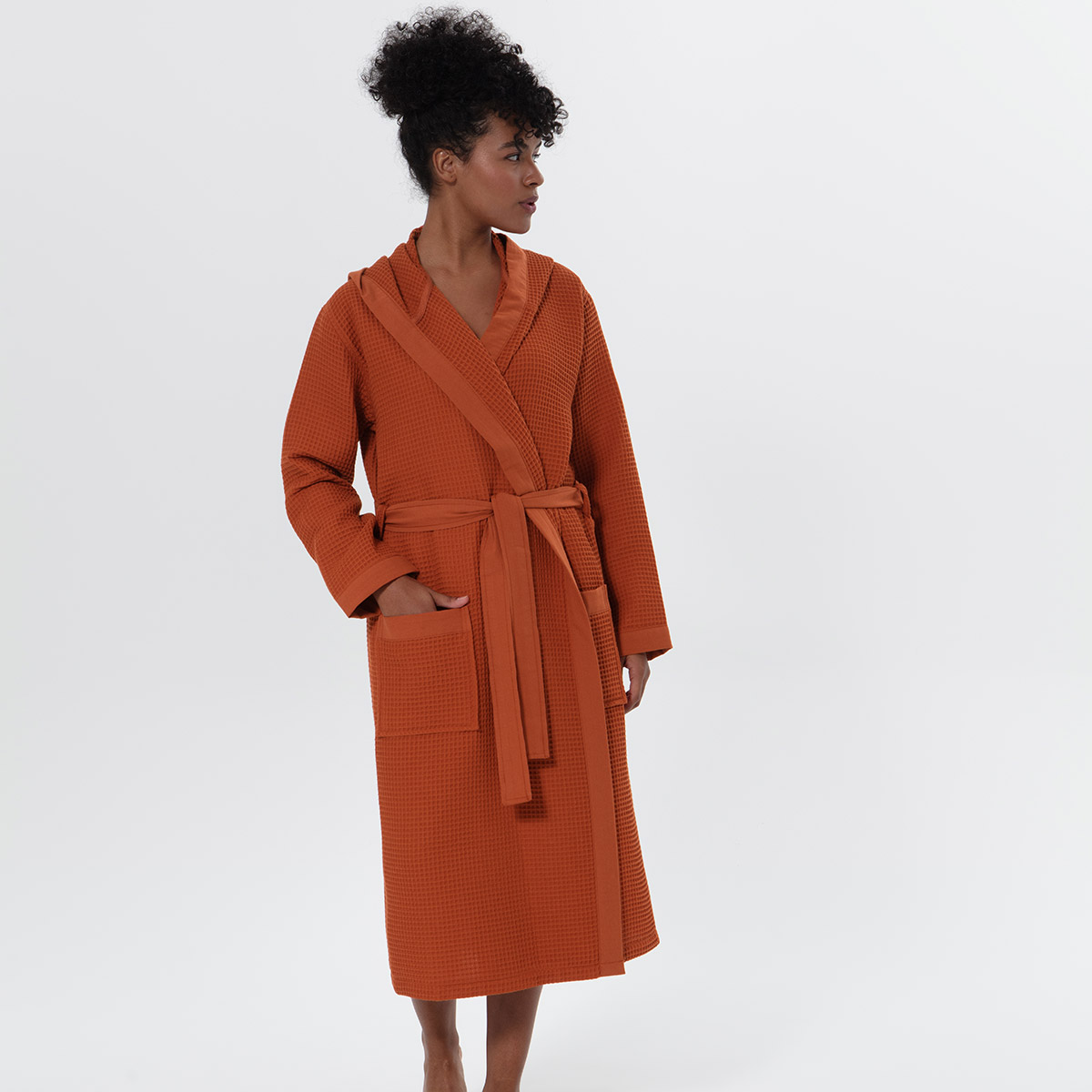


Offering high-quality bathrobes for both women and men with GOTS certification
Our commitment to excellence is reflected in our use of the Global Organic Textile Standard (GOTS) certification for our products. GOTS is a benchmark for organic textiles, ensuring environmentally friendly and socially responsible manufacturing processes.


FREE STANDART DELIVERY
STRESS-FREE SHOPPING
ONLINE CUSTOMER SERVICE