


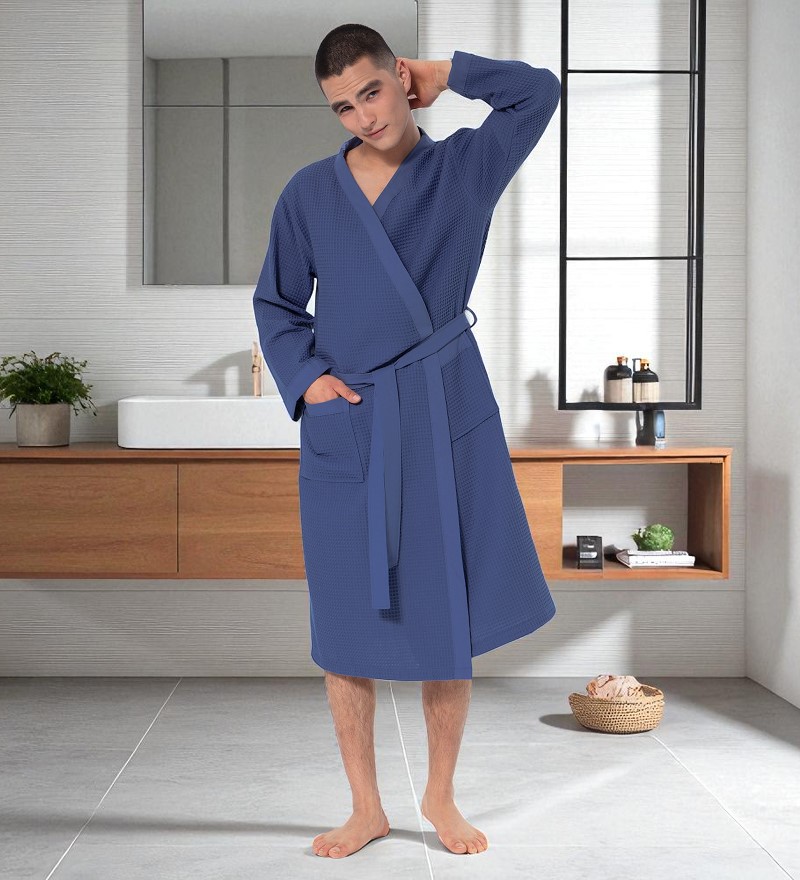
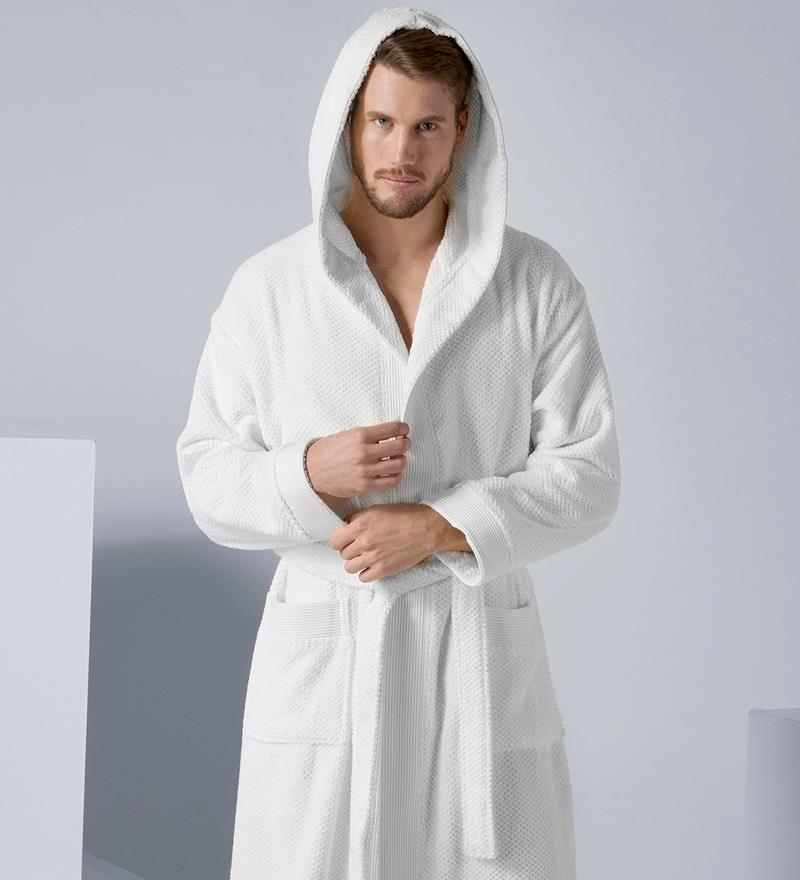
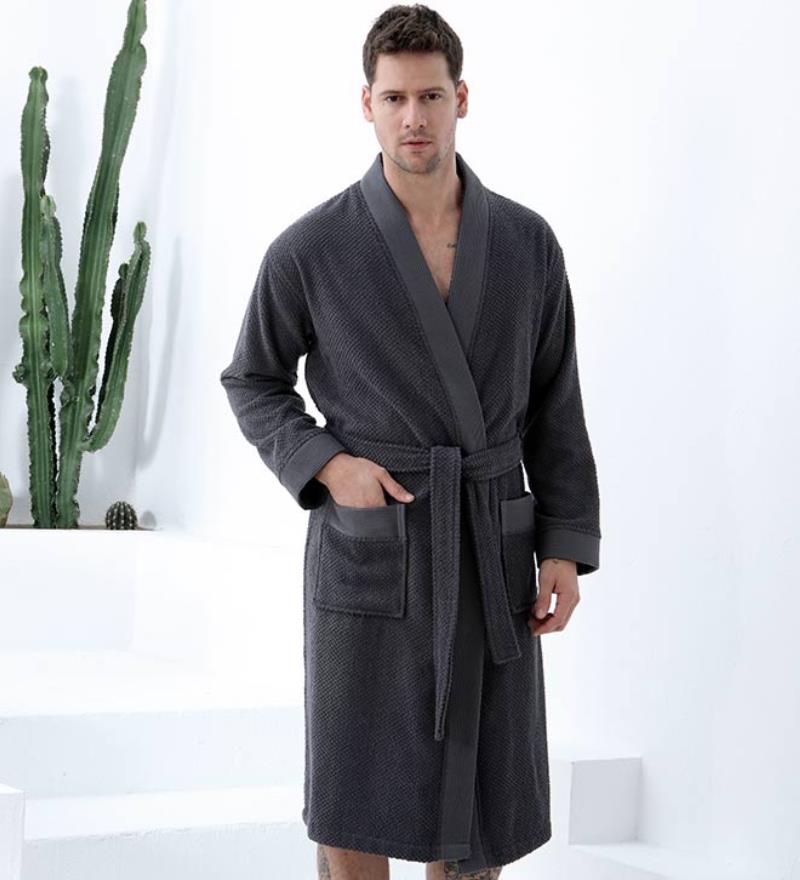
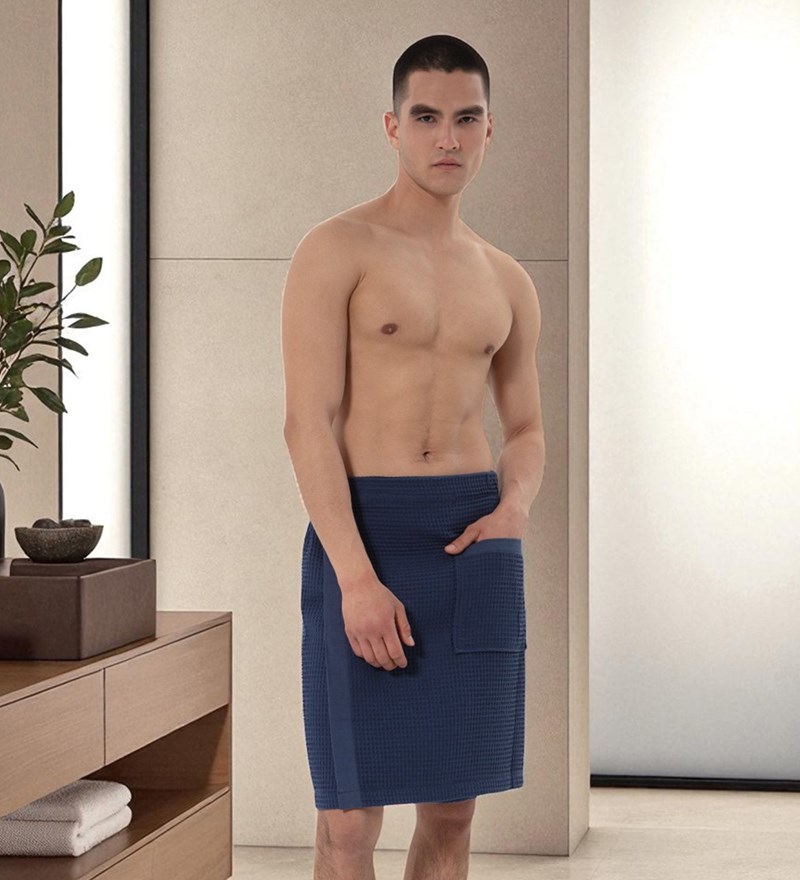


- Waffle Robes
- Terry Cloth Robes
- Microfiber Robes
- Turkish Cotton Robes
- Towel Robes
- View All Robes by Material
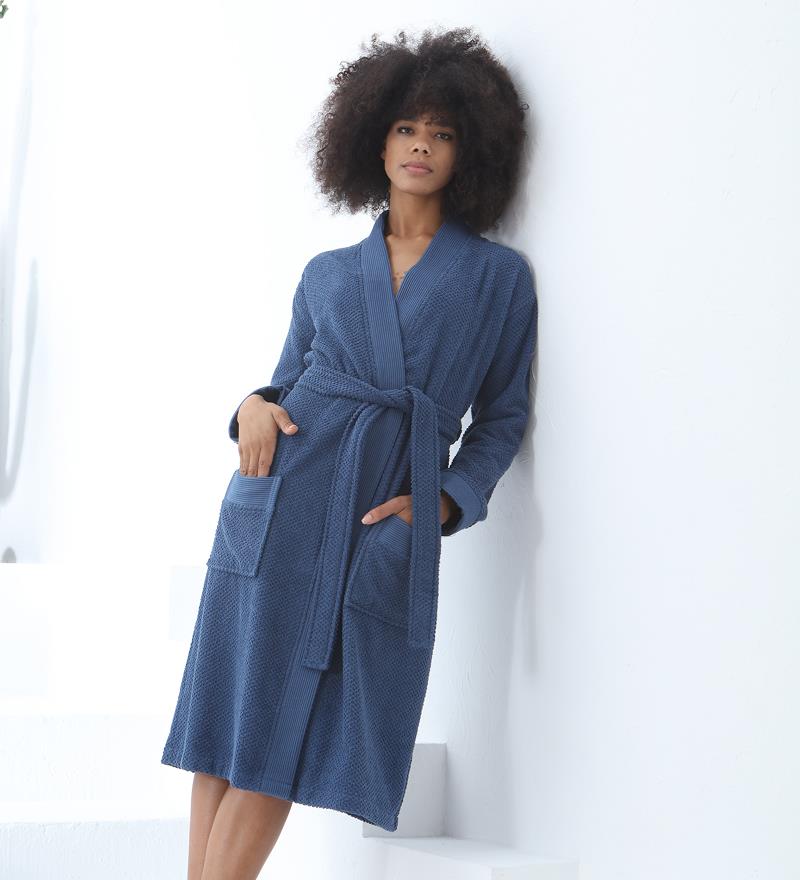
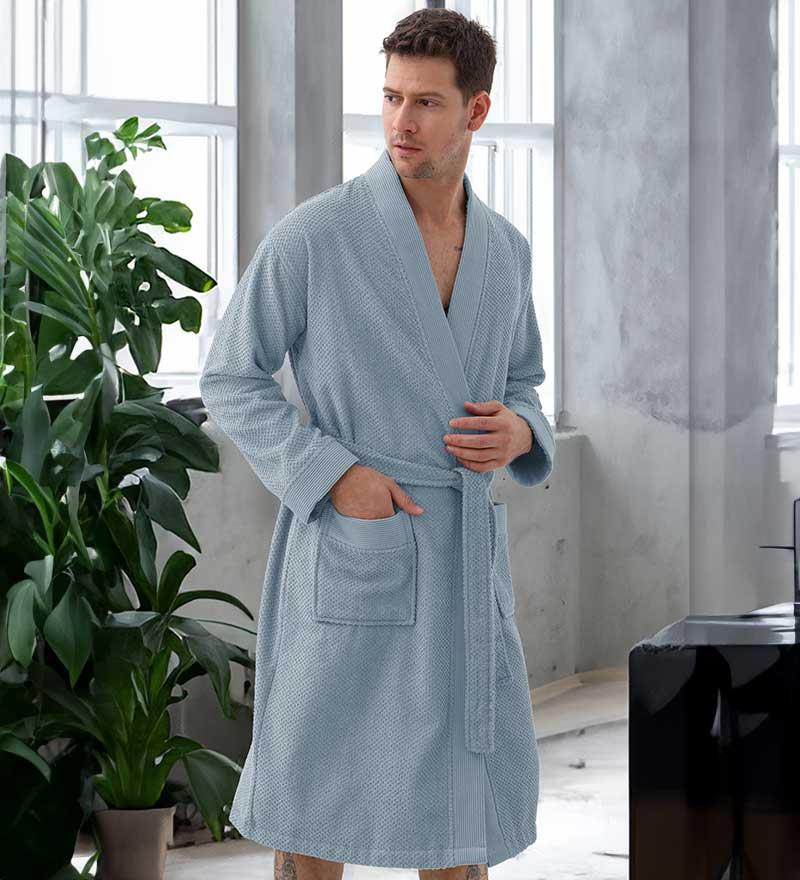

Guide to Bathrobe Materials: Choosing The Best Fabric for Robes
Choosing a bathrobe goes beyond just picking a color. The fabric dictates the robe's function, feel, and durability. The best fabric for robes depends entirely on your needs. Are you looking for a highly absorbent material to use immediately after showering, or do you want a thick, warm textile for lounging on a cold winter evening?
Seyante, as a textile expert, understands the nuances of fiber and weave. We offer this comprehensive guide to help you distinguish between warmth, absorbency, softness, and breathability. Understanding these characteristics ensures you select the perfect robe for comfort and luxury.
Introduction to Bathrobe Materials
Bathrobes serve multiple purposes. Some robes act as wearable towels, maximizing water absorption. Other robes function primarily as loungewear, focusing on insulation and luxurious touch. The fundamental difference lies in the material's properties: the type of fiber (like cotton or wool) and the way it is woven (like terry or waffle).
We will explore the extensive list of bathrobe materials. Each material offers a unique benefit, from the lightweight feel of silk to the heavy comfort of fleece. Selecting the ideal robe means matching the fabric's properties to your specific lifestyle and climate.
Comprehensive Guide to Bathrobe Fabric Materials
The characteristics of the fiber determine the robe's performance. Natural fibers often excel at absorbency and breathability, while synthetic materials typically offer superior warmth and quick-drying properties.
Wool Robes: Warmth and Comfort for Winter
Wool is an excellent choice for insulation. Wool robes trap body heat effectively, making them ideal for very cold climates. They feel substantial and cozy. However, wool is generally less absorbent than cotton. Wool requires specific care and can feel heavier than other materials. A pure wool robe offers unmatched warmth, perfect for use over pajamas in the morning.
Fleece and Polar Fleece: Lightweight and Absorbent Options
Fleece and polar fleece are synthetic materials made from polyester. They are incredibly soft, lightweight, and dry very quickly. Fleece bathrobes provide substantial warmth without the weight of wool. They are not highly absorbent like terry cloth, but they resist wrinkles and maintain their fluffy texture well. A fleece bathrobe is a popular choice for warmth and easy care, often favored for casual, extended lounging.
Flannel: A Wool and Cotton Blend for Coziness
Flannel is typically a soft, woven fabric. It can be made from wool, cotton, or synthetic fibers. Most flannel used in robes is brushed cotton, giving it an extra-soft texture. Flannel robes balance warmth and breathability. They offer significant coziness for chilly mornings. The fabric feels smooth and pleasant against the skin. Flannel robes are a great compromise between heavy insulating robes and lightweight cotton options.
Cotton Robes: Versatility and Comfort
Cotton is the most popular material for bathrobes due to its breathability, durability, and high absorbency. Cotton fibers are natural and gentle on the skin. The final texture and function of a cotton robe depend heavily on the weave structure.
Cotton Waffle Robes: Perfect for Warmer Weather
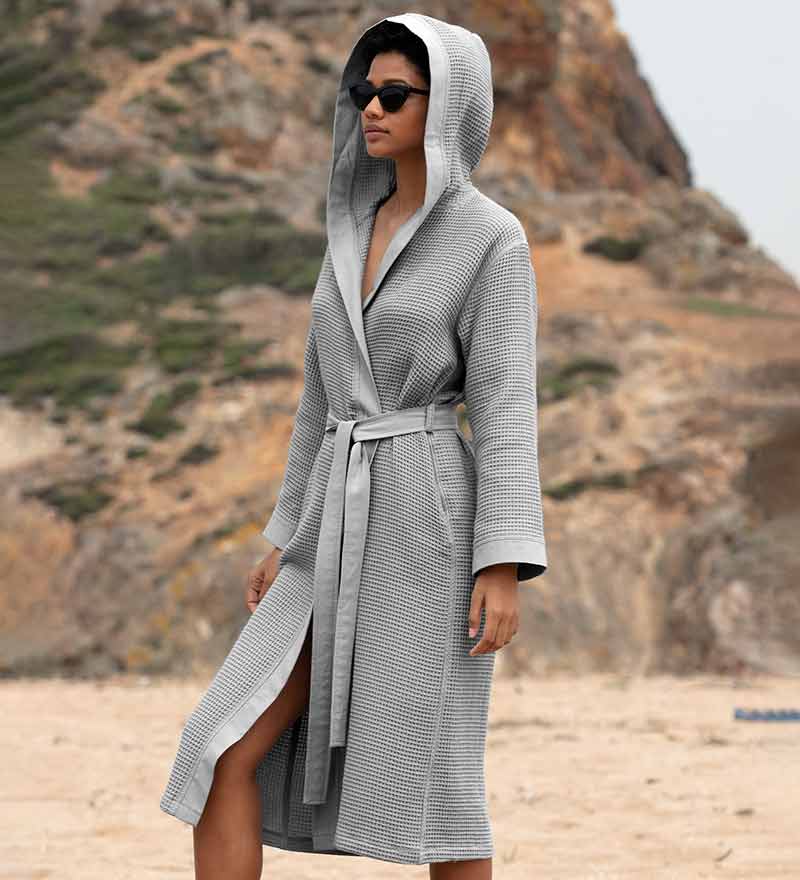
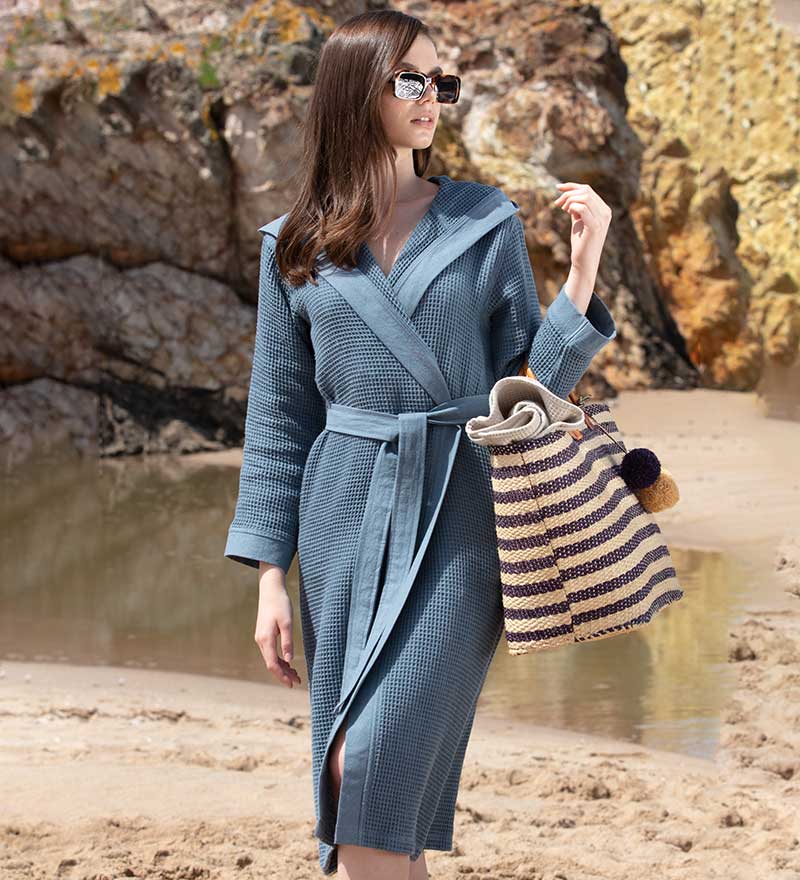
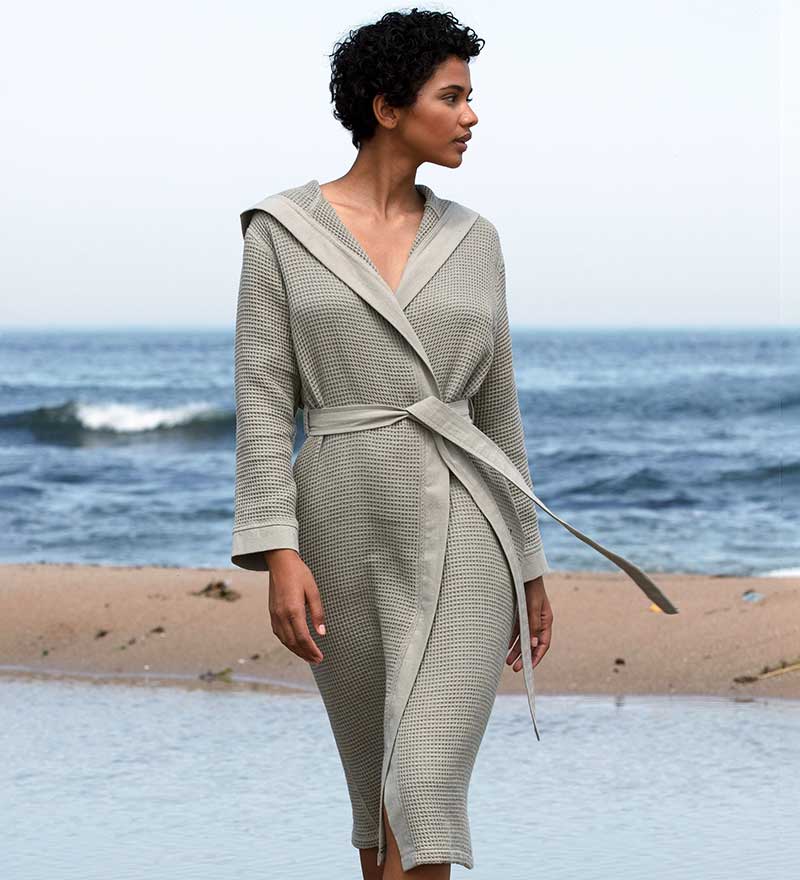
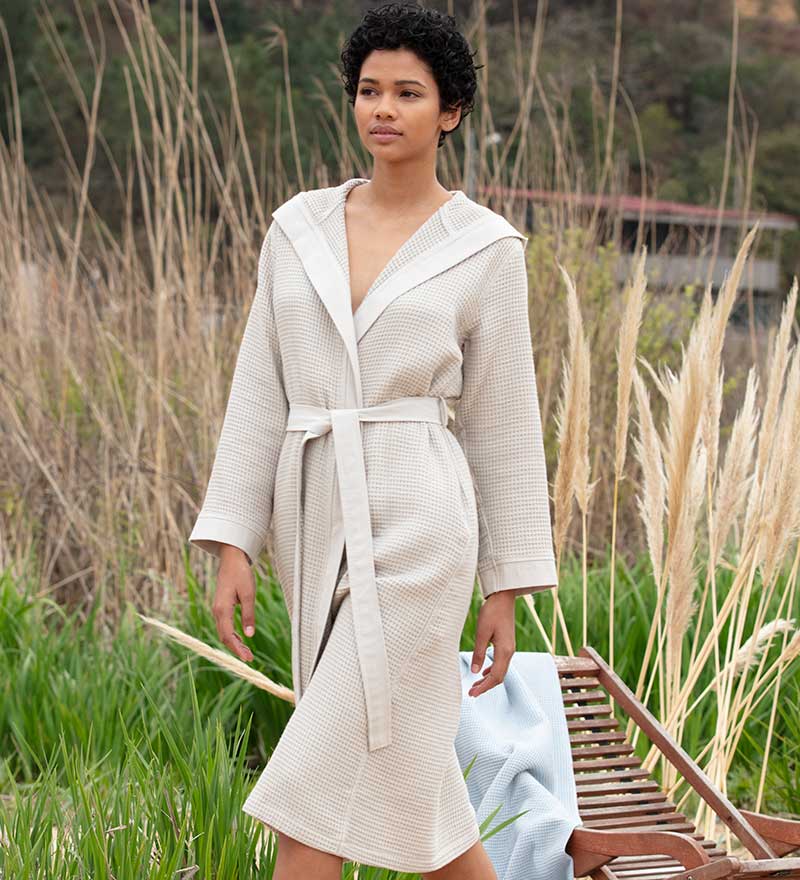
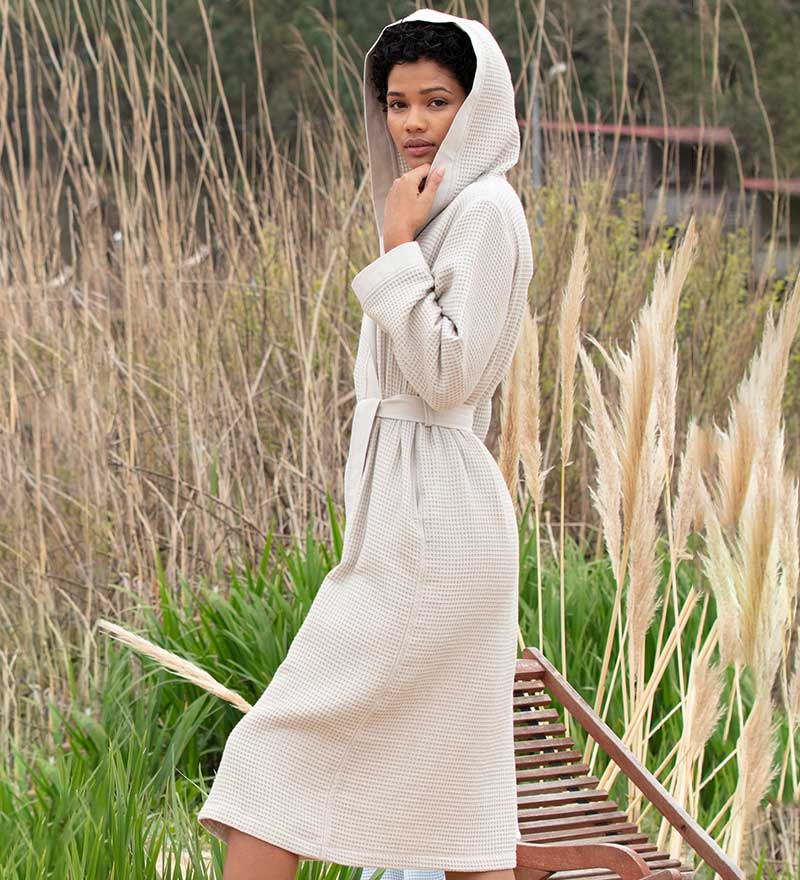
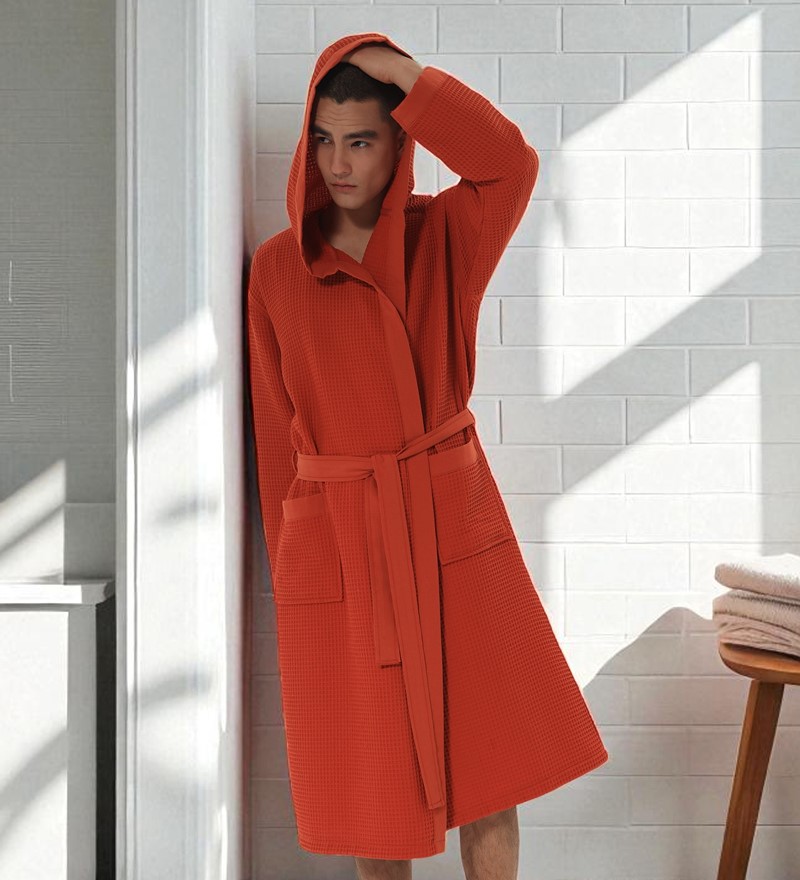
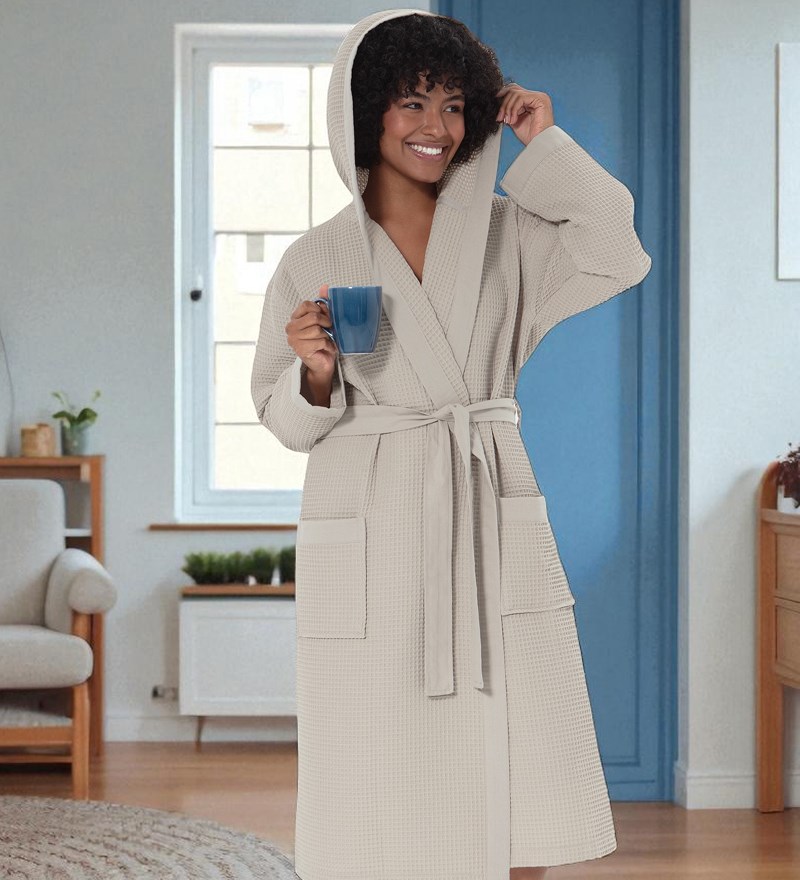
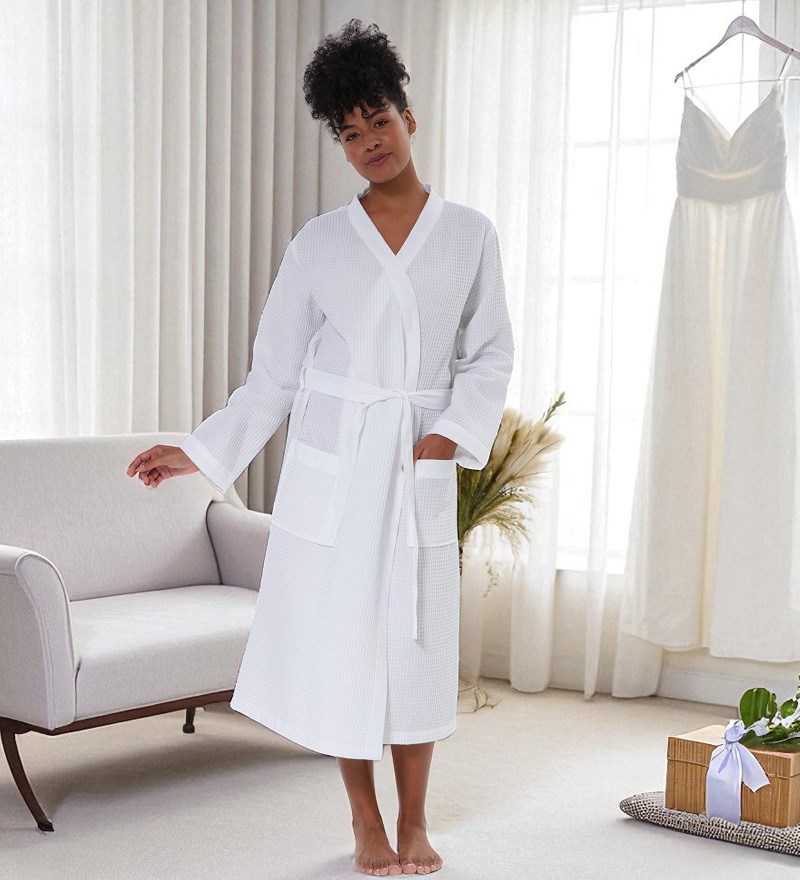
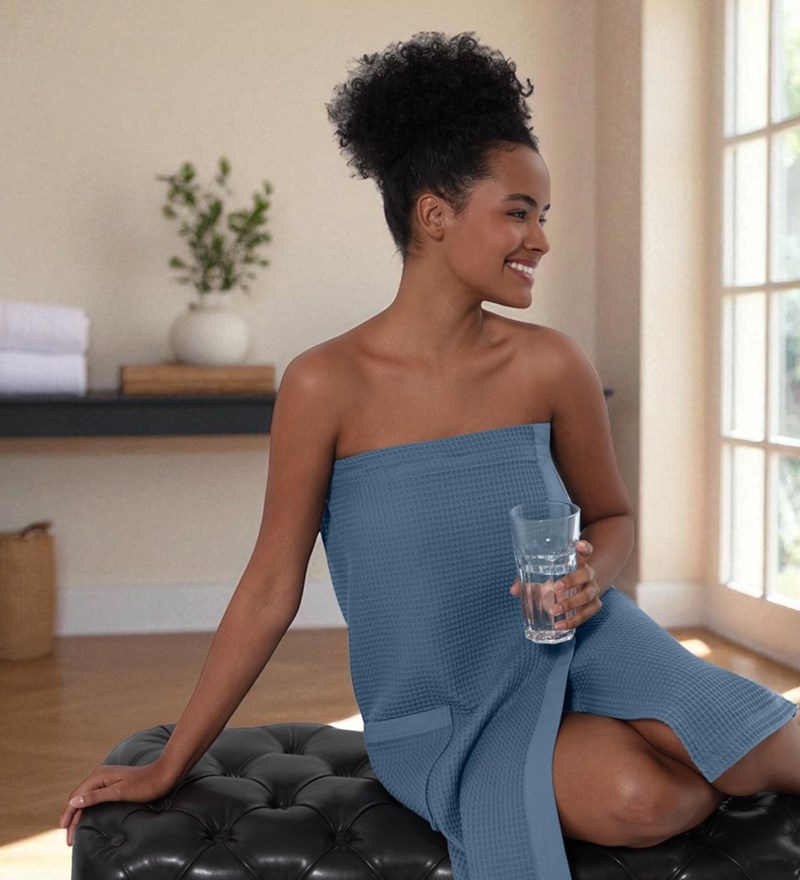
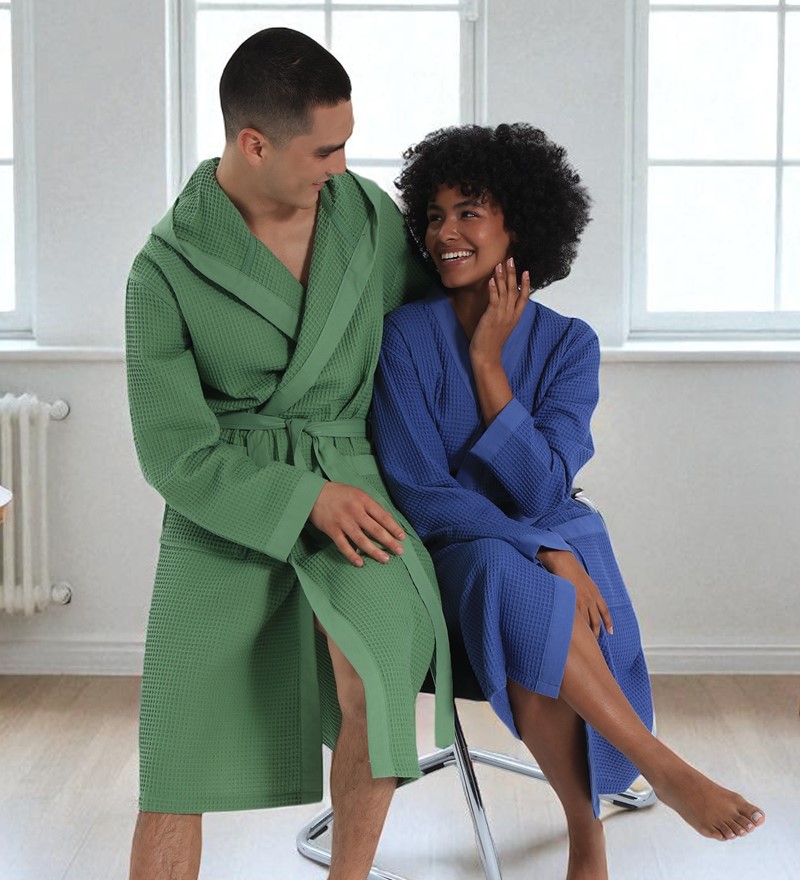
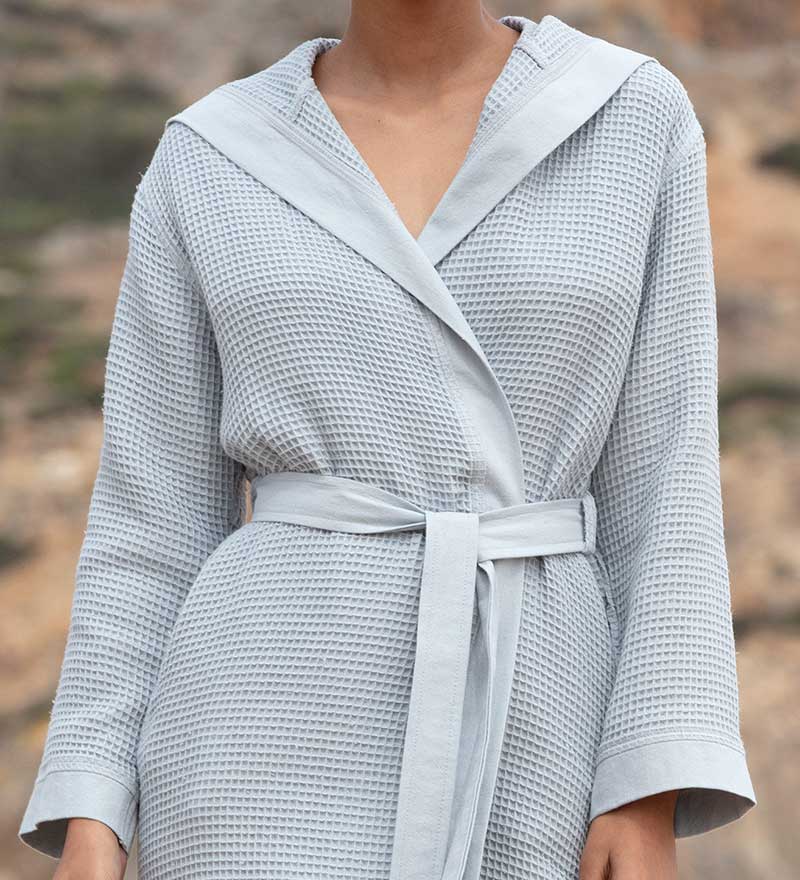
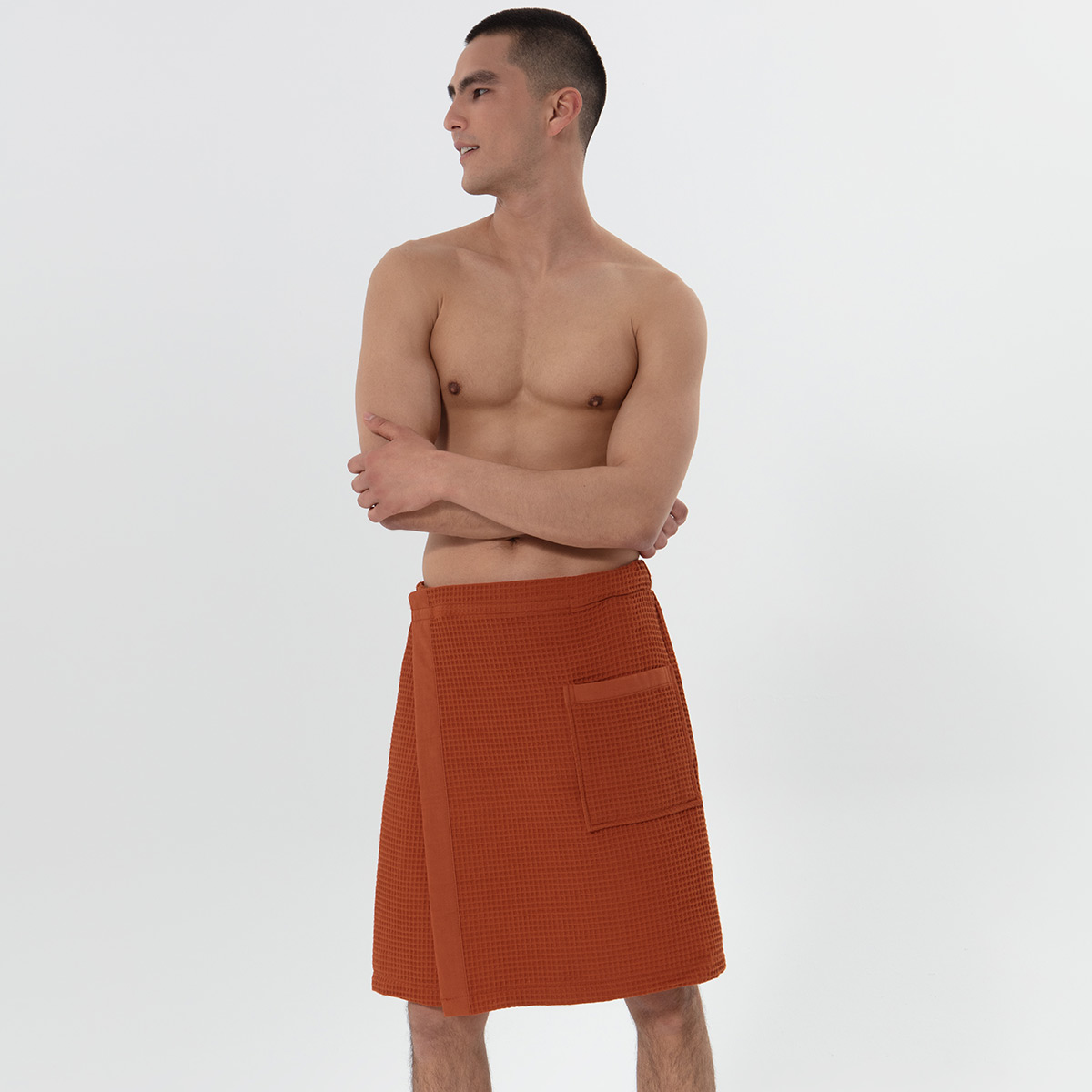
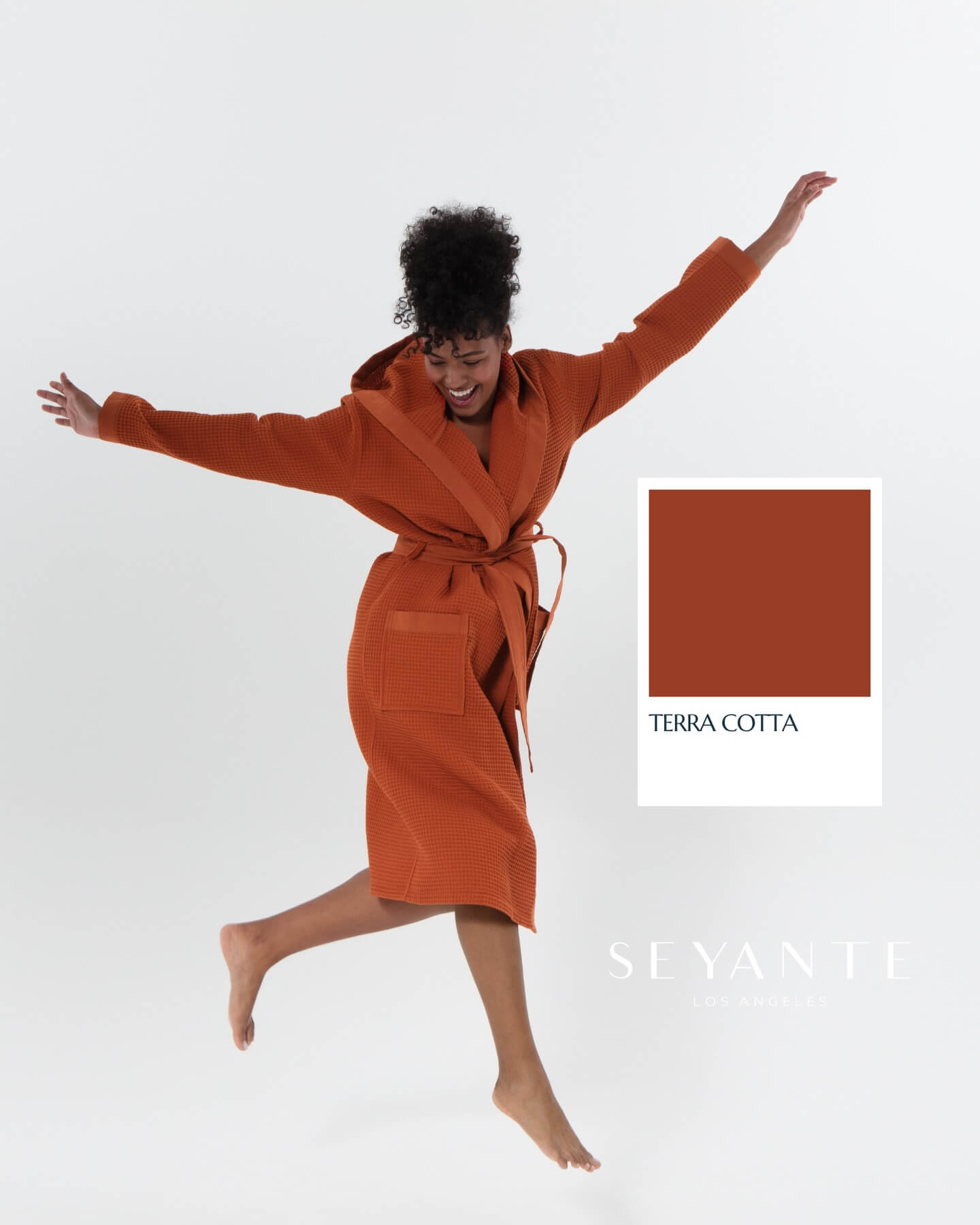
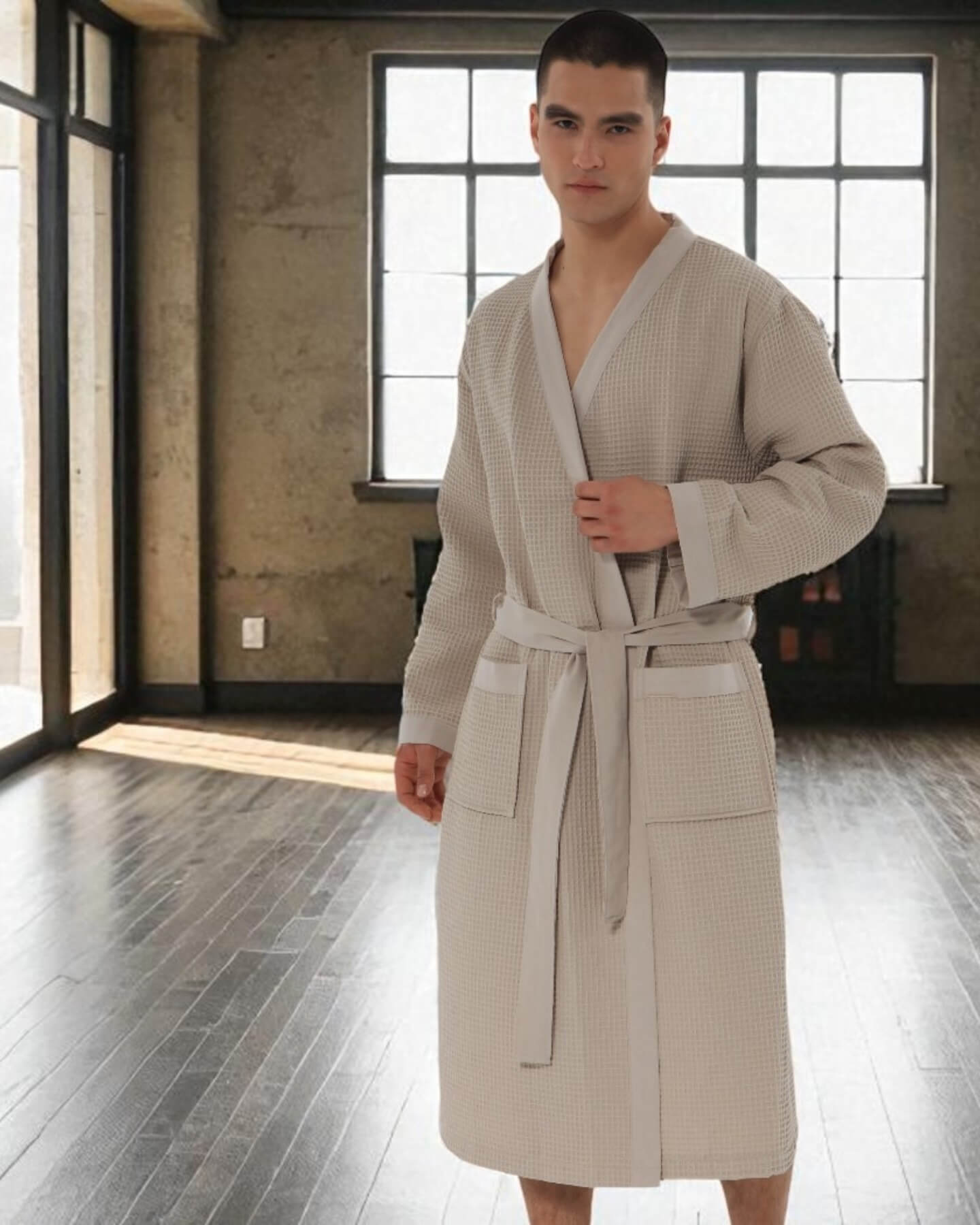
Cotton waffle weave creates a distinctive grid pattern. This texture increases the fabric's surface area, making it moderately absorbent. More importantly, the weave promotes excellent air circulation. Waffle robes are lightweight, highly breathable, and dry faster than thick terry cloth. They are the standard for spa settings and perfect for use in warmer weather or humid environments.
Cotton Terry Cloth: Ideal for Post-Shower Use
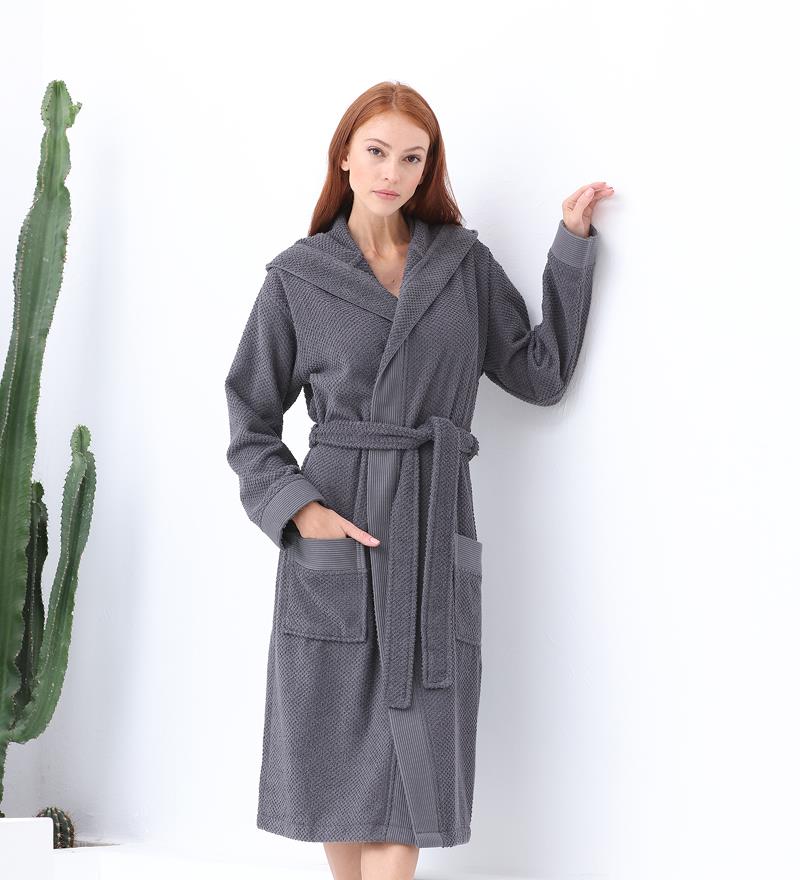
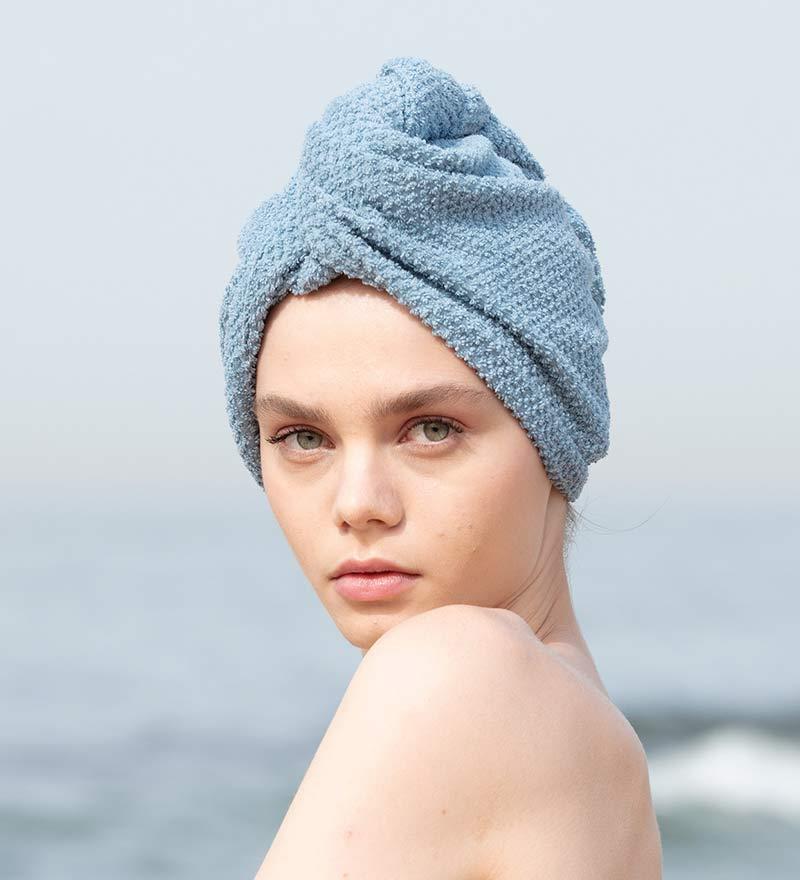
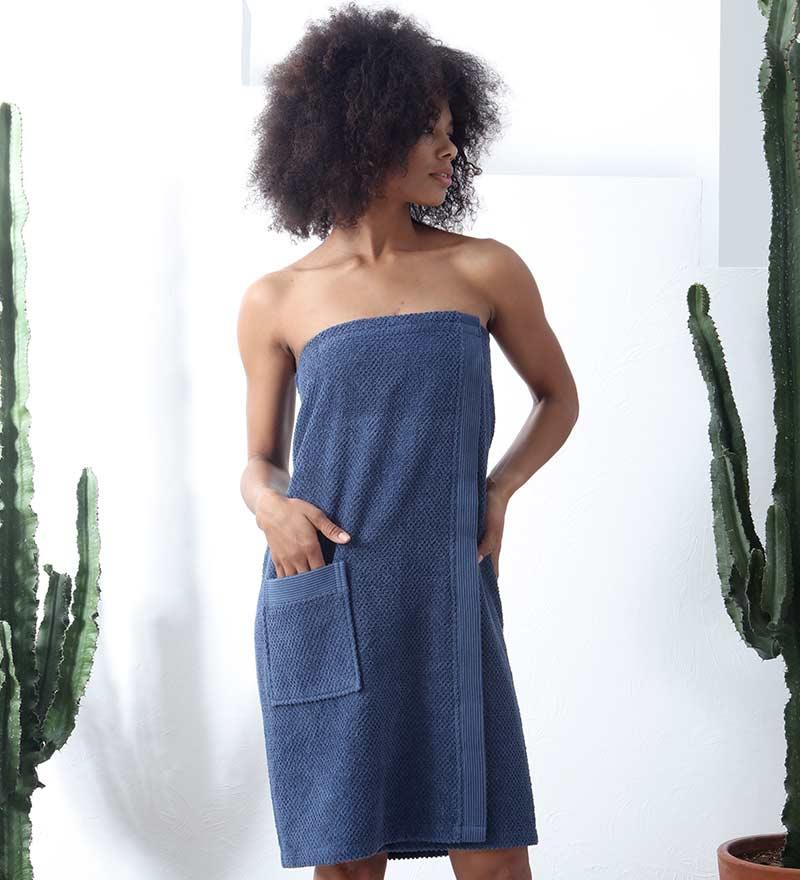
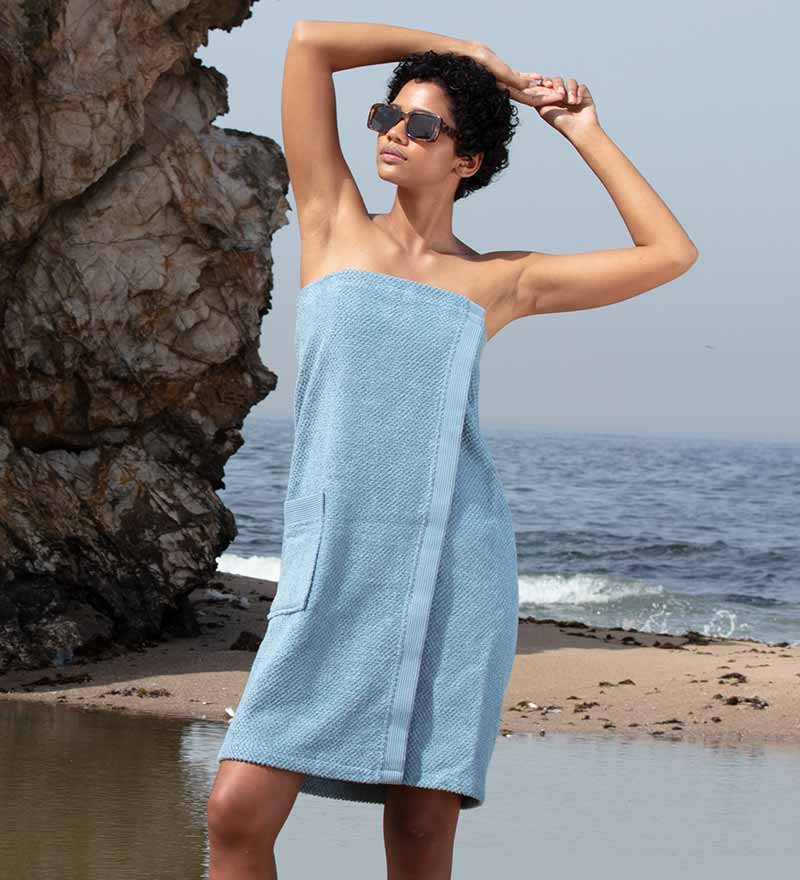
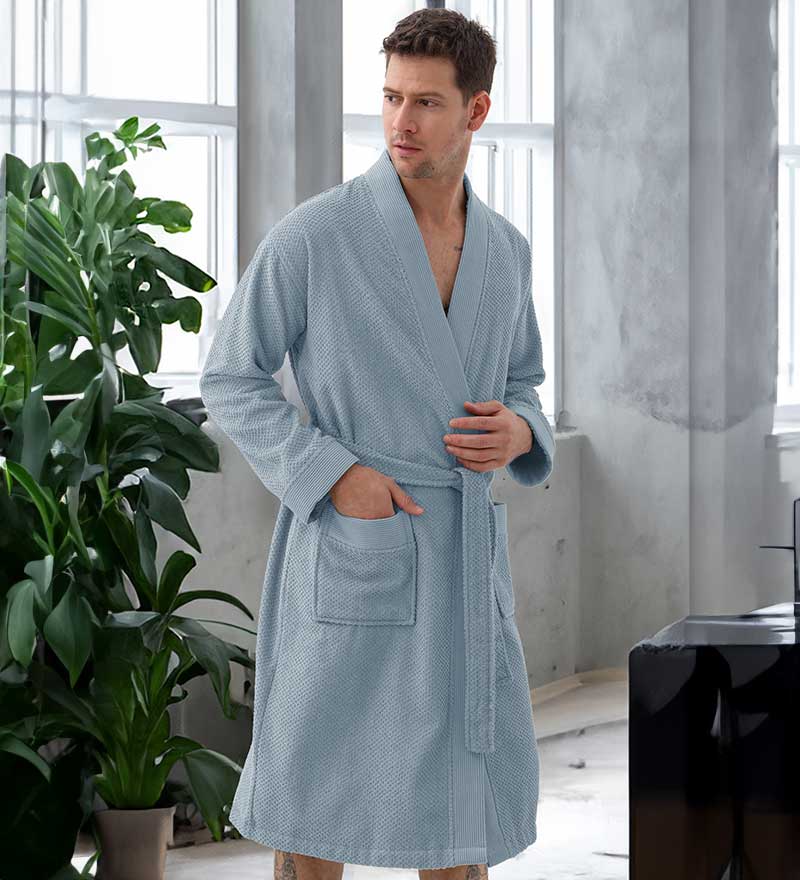
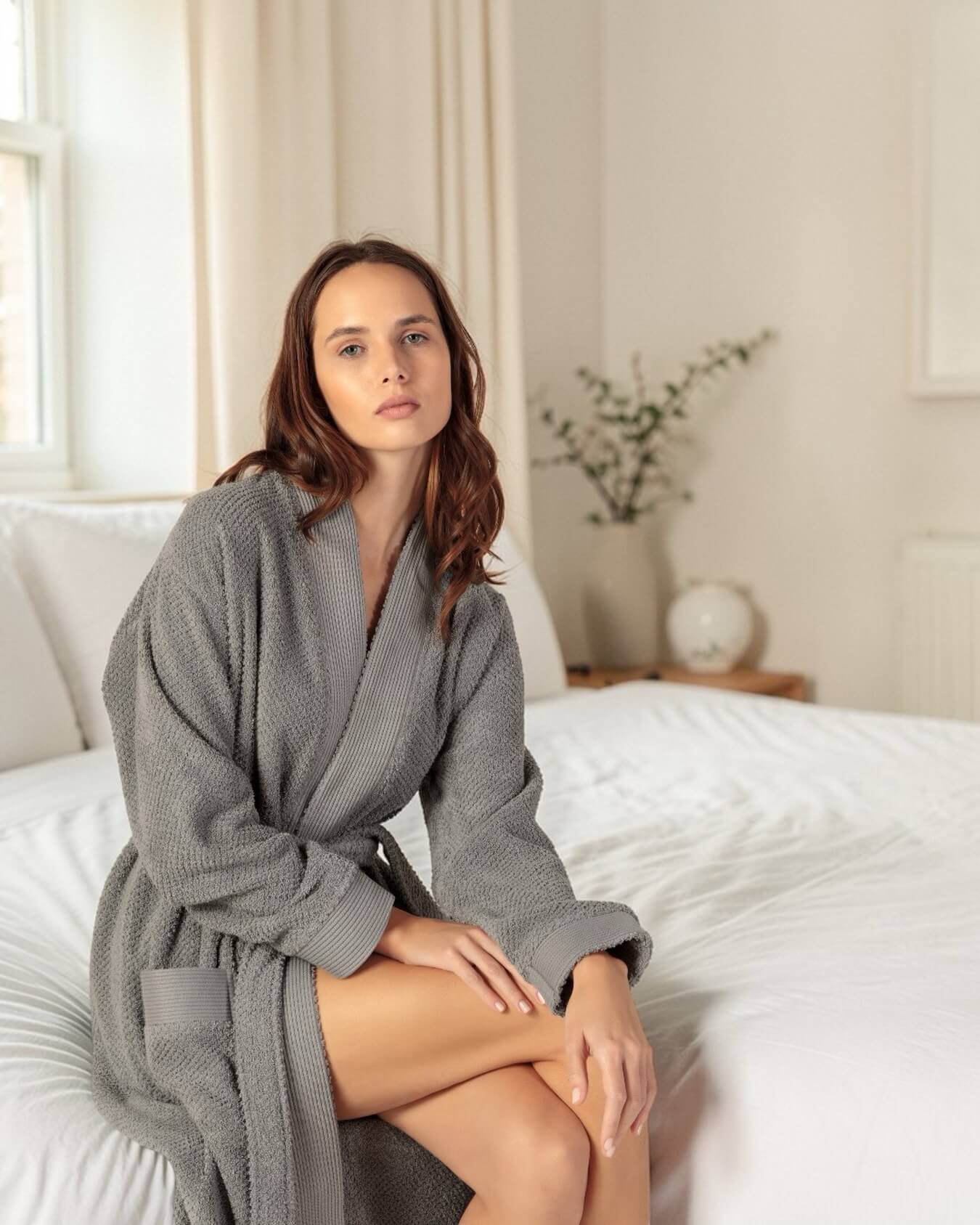
Terry cloth features loops of cotton thread on both sides of the fabric. This looped structure maximizes water absorption. A terry cloth robe works exactly like a luxurious, oversized towel. It is the definitive choice for use immediately after a bath, shower, or swim. While very absorbent, terry cloth takes longer to dry and can feel heavy when fully saturated.
Cotton Velour and Sherpa: Luxury and Softness
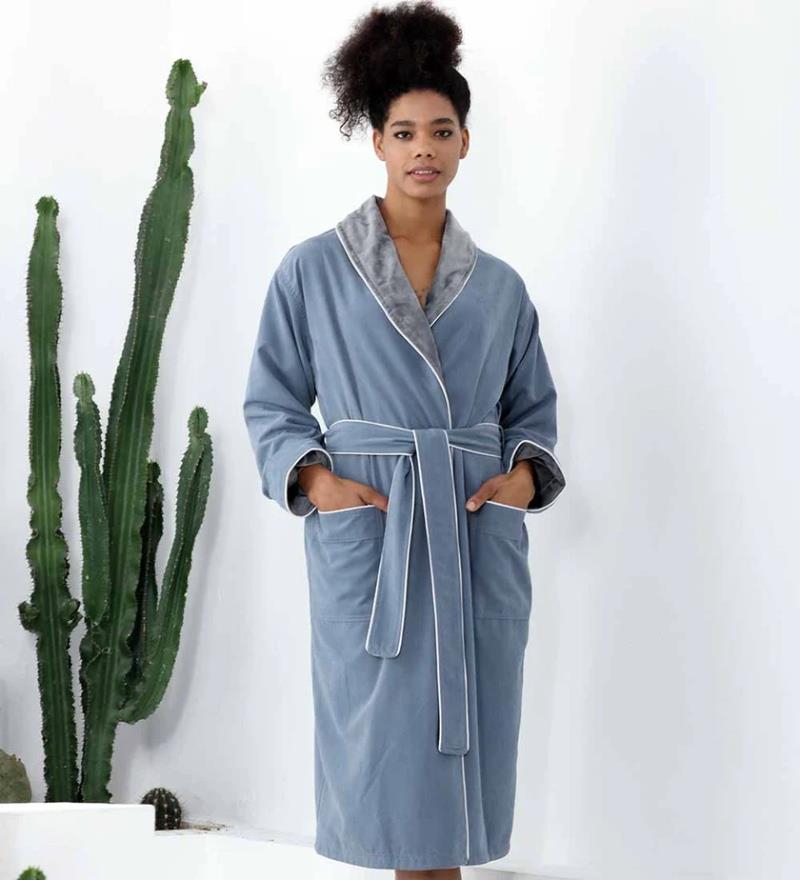
Velour is a material that starts as terry cloth. The loops are sheared off and brushed, creating a dense, plush, and incredibly soft surface. Cotton velour bathrobes have a luxurious, velvety look and feel. They offer good warmth but sacrifice some of the high absorbency found in pure terry cloth. Sherpa is a synthetic fabric, usually polyester, designed to mimic the texture of sheep's wool. When used as a lining (often in a cotton outer shell), it provides exceptional, cloud-like softness and warmth. Cotton velour is a preferred choice for those seeking luxury and a soft touch.
Exploring Turkish Cotton Robes
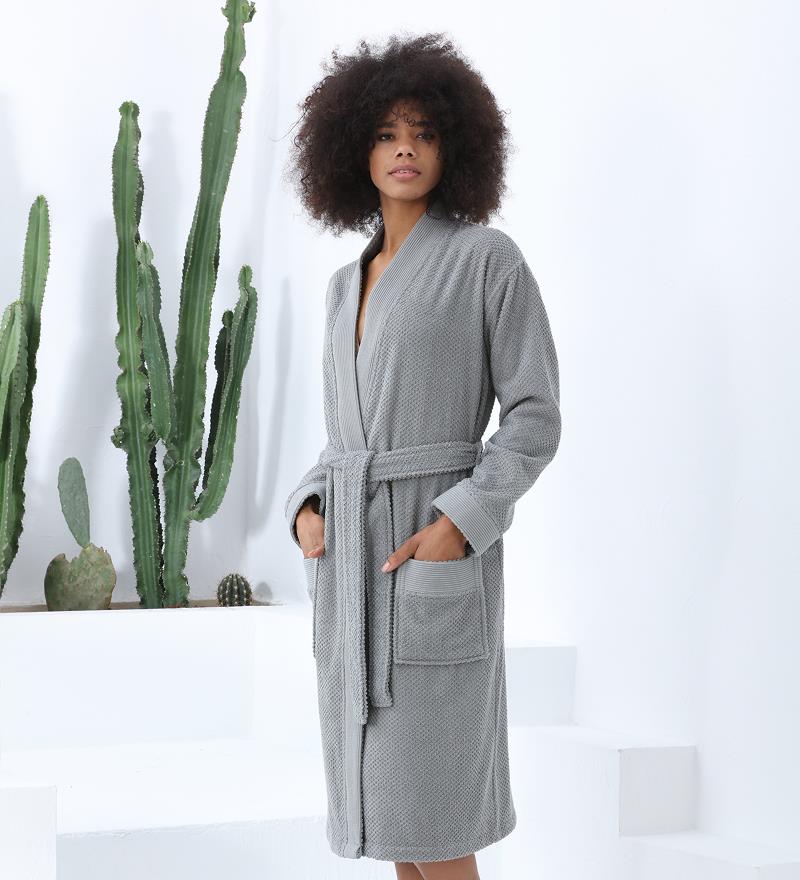
The quality of cotton is determined by its fiber length. Turkish cotton is a premium, long-staple cotton grown exclusively in the Aegean region of Turkey. Its long, smooth fibers result in threads that are stronger and smoother than regular cotton.
Turkish cotton robes are highly prized for a few distinct reasons:
- Softness: The long fibers create a fabric that is inherently soft and only gets softer with washing.
- Absorbency: While less thirsty than a typical terry cloth initially, Turkish cotton absorbs water effectively.
- Durability: The strength of the long fibers makes the robes resistant to pilling and breakdown.
For a balance of luxury, softness, and effective drying, Turkish cotton robes are often considered the superior choice in the cotton category.
Luxury and Synthetic Material Choices
Beyond the traditional cotton and wool options, a diverse range of materials offers unique textures and performance characteristics. These materials cater to specific desires, such as high fashion, specialized comfort, or easy maintenance.
Cashmere, Chenille, and Microfiber: Luxurious Choices
Cashmere is a wool fiber from the cashmere goat. It is exceptionally soft, lightweight, and an excellent insulator. Cashmere robes are the pinnacle of luxury loungewear. They are extremely warm but require careful handling and dry cleaning. Chenille is a fabric woven from yarn that resembles furry pipe cleaners. It is soft, fuzzy, and known for its distinctive iridescent sheen. Microfiber is a fine synthetic fiber, typically polyester. Microfiber bathrobes are very light, durable, and highly efficient at wicking away moisture and drying quickly. They offer a super-soft, plush feel that mimics the look of suede.
Jersey, Bamboo, and Acrylic: Unique Bathrobe Materials
Jersey fabric is a lightweight, soft knitted material. A cotton or cotton-blend jersey robe feels like a comfortable t-shirt. These robes are stretchy, casual, and perfect for warm nights or layering. Bamboo fabric is a semi-synthetic textile derived from bamboo pulp. It is highly sought after for its natural moisture-wicking and hypoallergenic properties. Bamboo robes feel soft, silky, and are very breathable, making them an eco-friendly and comfortable choice. Acrylic is a synthetic fiber that is lightweight, durable, and holds color well. It is often blended with other fibers to reduce cost and increase the fabric's quick-drying characteristics.
Satin & Silk, Plush, and Polyester: Diverse Options
Silk is a natural protein fiber that is incredibly smooth, lightweight, and has a beautiful luster. Silk robes are purely for style and lightweight comfort; they offer no absorbency or significant warmth. Satin is a weave, often made from polyester or nylon, that mimics the sheen and smooth feel of silk at a lower cost and with greater durability. Plush refers to any fabric with a dense, soft pile, typically made from high-pile polyester fibers. Plush robes are exceedingly soft and very warm, ideal for pure lounging. Polyester, as a general category, is durable, quick-drying, and resists shrinking. It is a workhorse fabric often used for strength and easy maintenance.
What Is The Best Fabric For A Robe Offering Comfort And Luxury?
The choice of the best fabric for robes depends fundamentally on the robe’s intended function.
- For Absorbency (Post-Shower Use): Cotton Terry Cloth wins easily. Its looped construction absorbs the maximum amount of water.
- For Pure Warmth (Cold Climates): Fleece, Sherpa lining, or high-quality Wool provide the best insulation with minimum effort.
- For Breathability (Spa or Summer): Cotton Waffle weave or Bamboo is the superior option, promoting airflow and light comfort.
- For Sheer Luxury and Feel: Silk or Cashmere delivers an unparalleled, elegant experience.
For the ideal combination of comfort and luxury, balancing both function and feel, we recommend premium long-staple cotton options. Turkish cotton robes offer a superb middle ground: they are soft, durable, absorbent, and breathable. The textile's quality ensures the robe feels luxurious against the skin while still effectively managing moisture. For those who prioritize softness above all else, a Cotton Velour or a Microfiber/Plush blend offers the ultimate tactile experience.
Ultimately, the best robe is the one that meets your personal comfort and warmth requirements. A quality fabric ensures your robe remains a staple of luxury and relaxation for years to come.
Related Posts


Related Products
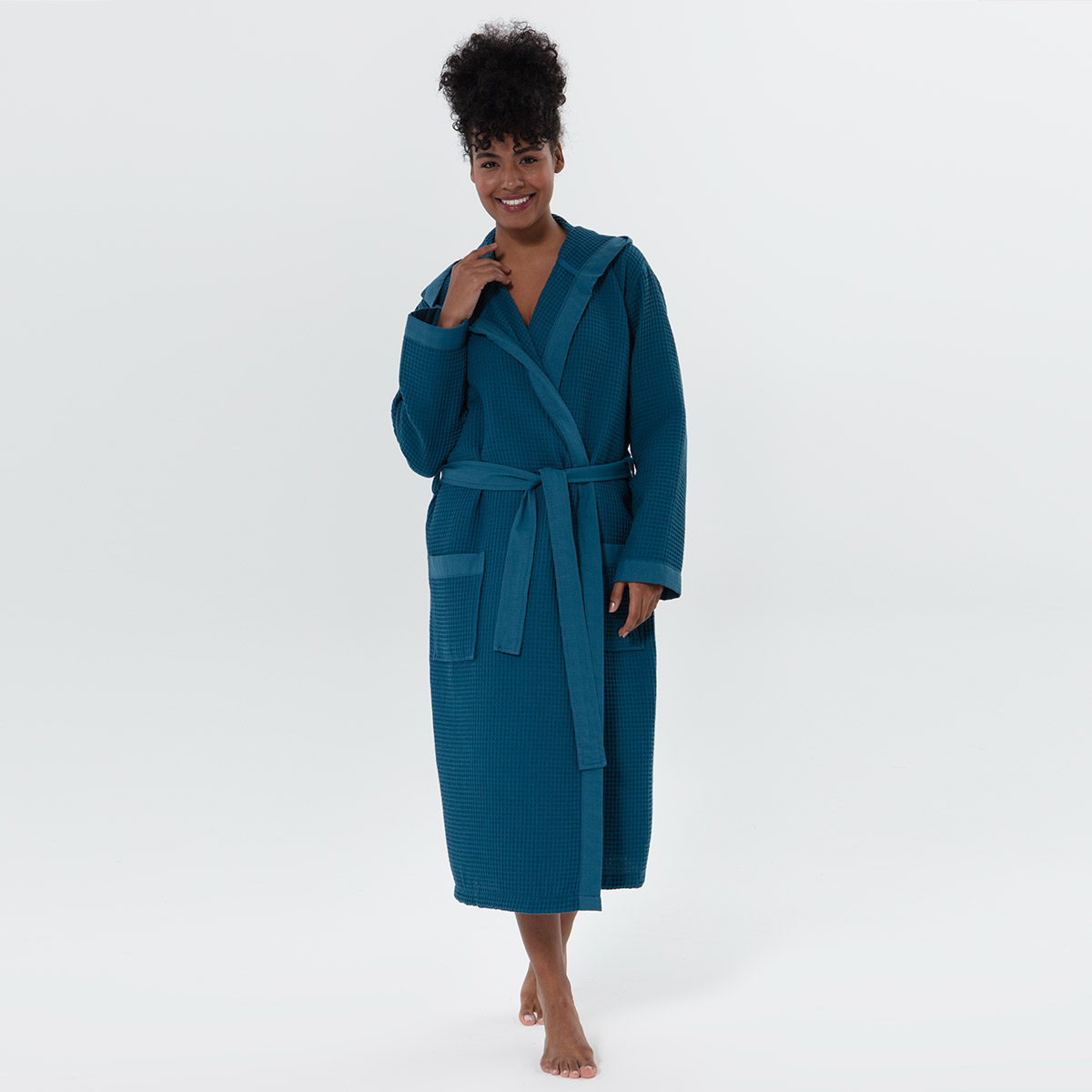
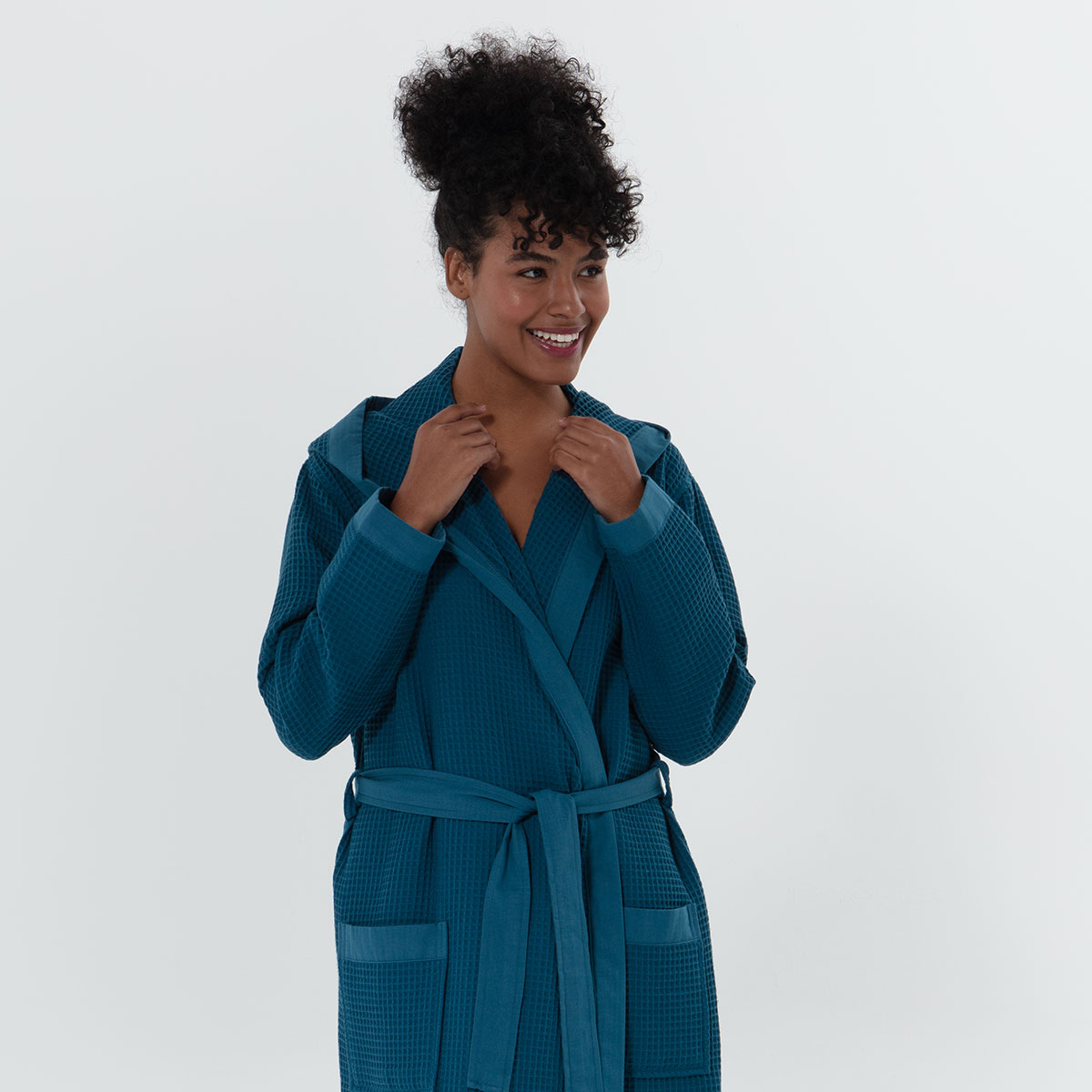
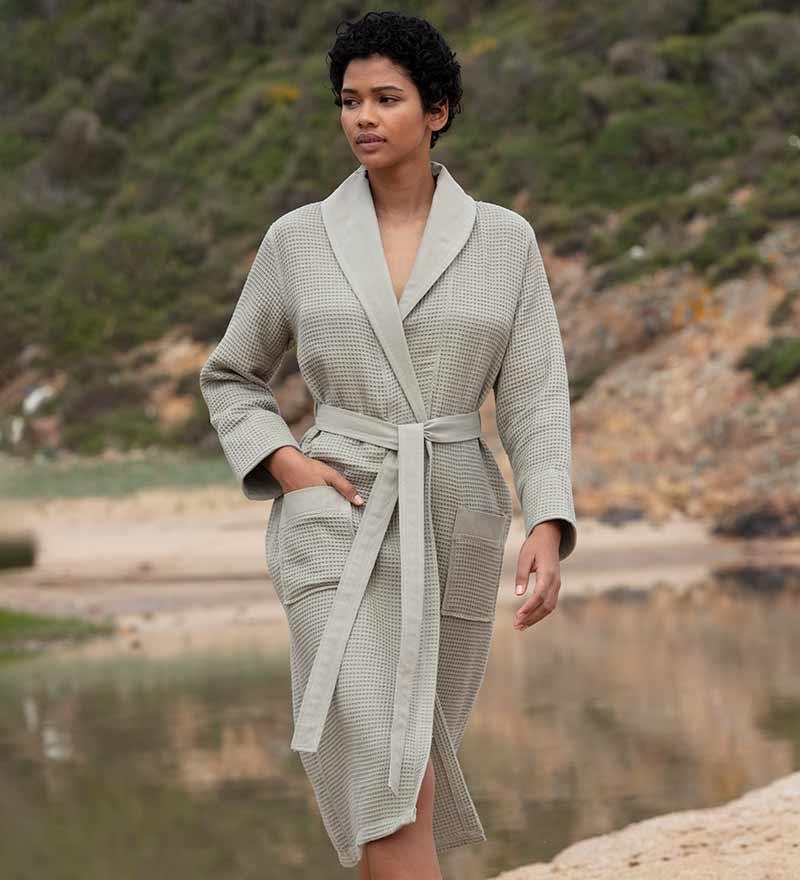

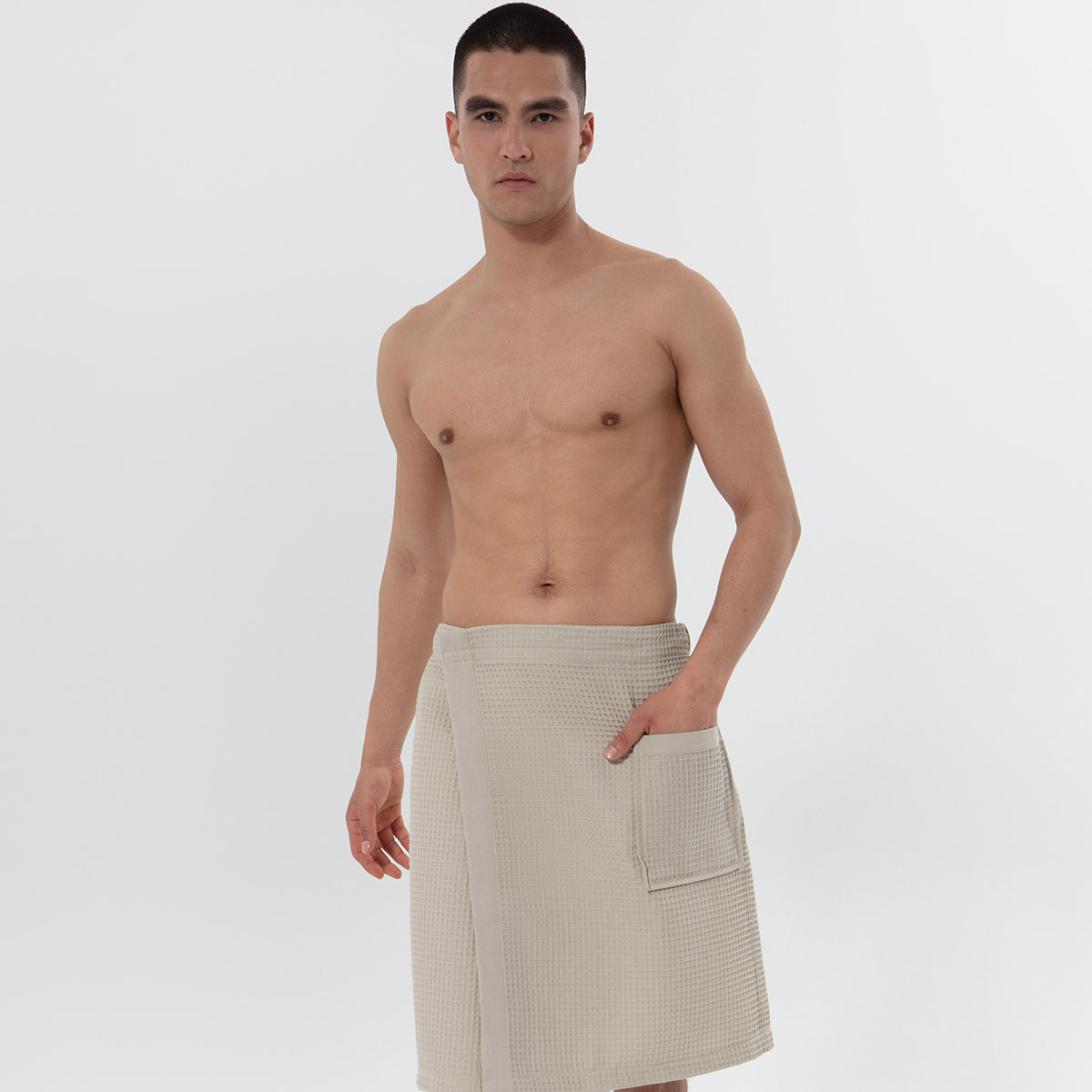

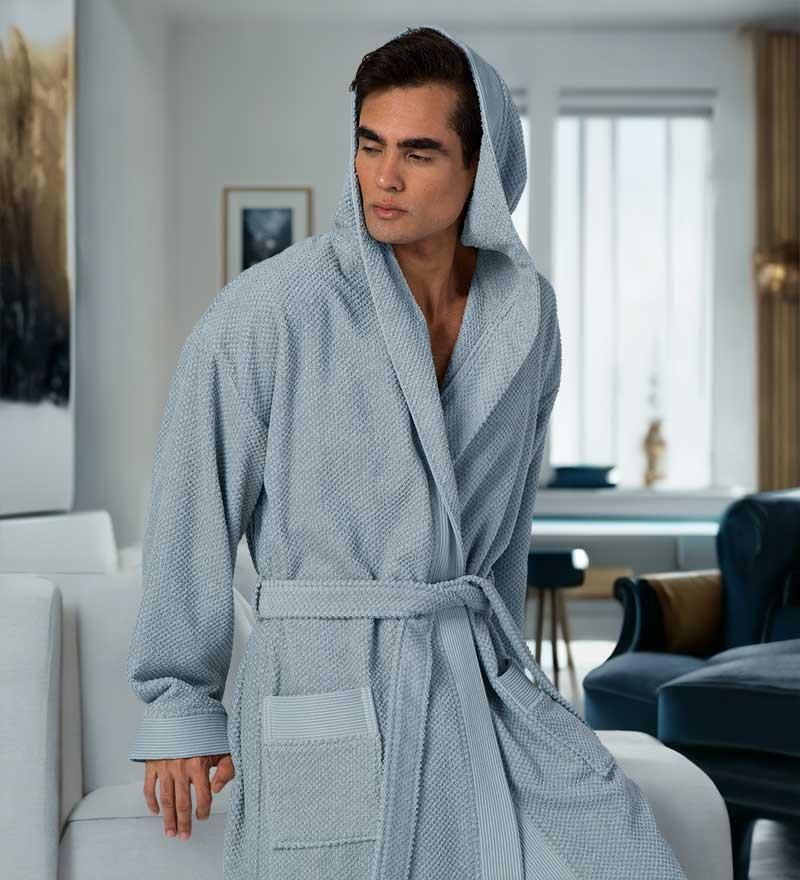

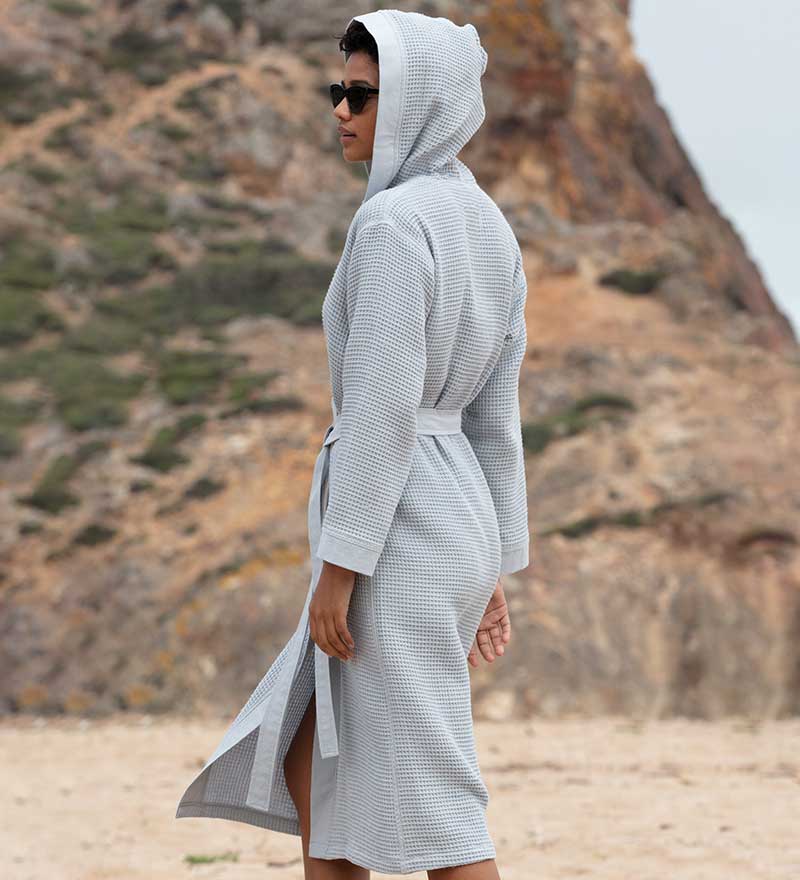




Offering high-quality bathrobes for both women and men with GOTS certification
Our commitment to excellence is reflected in our use of the Global Organic Textile Standard (GOTS) certification for our products. GOTS is a benchmark for organic textiles, ensuring environmentally friendly and socially responsible manufacturing processes.





FREE STANDART DELIVERY
STRESS-FREE SHOPPING
ONLINE CUSTOMER SERVICE