


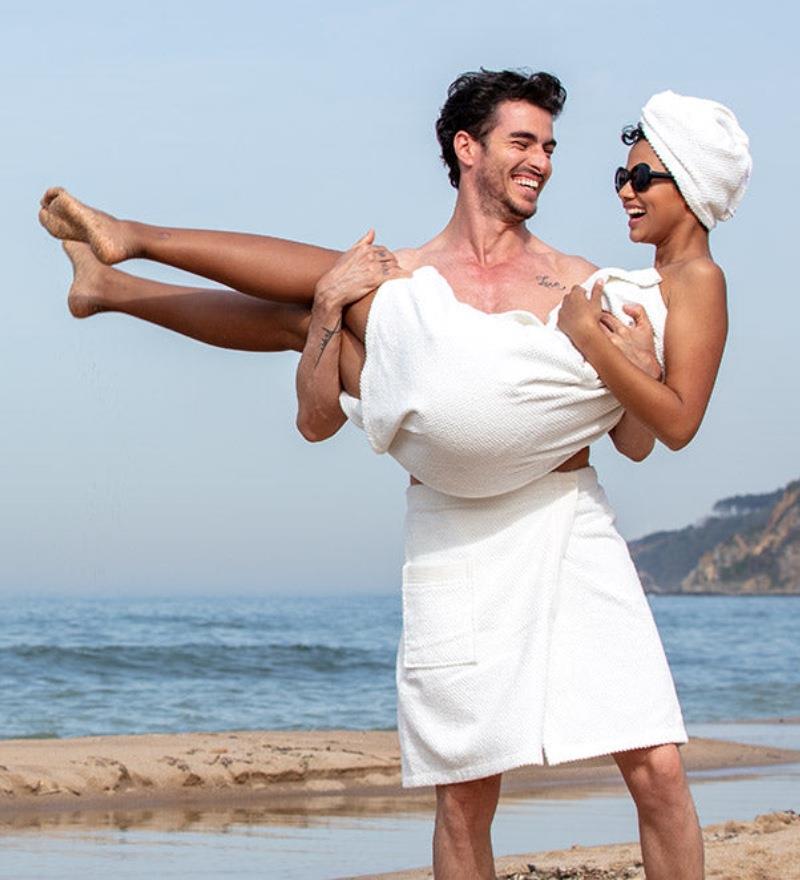
- Waffle Robes
- Terry Cloth Robes
- Microfiber Robes
- Turkish Cotton Robes
- Towel Robes
- View All Robes by Material
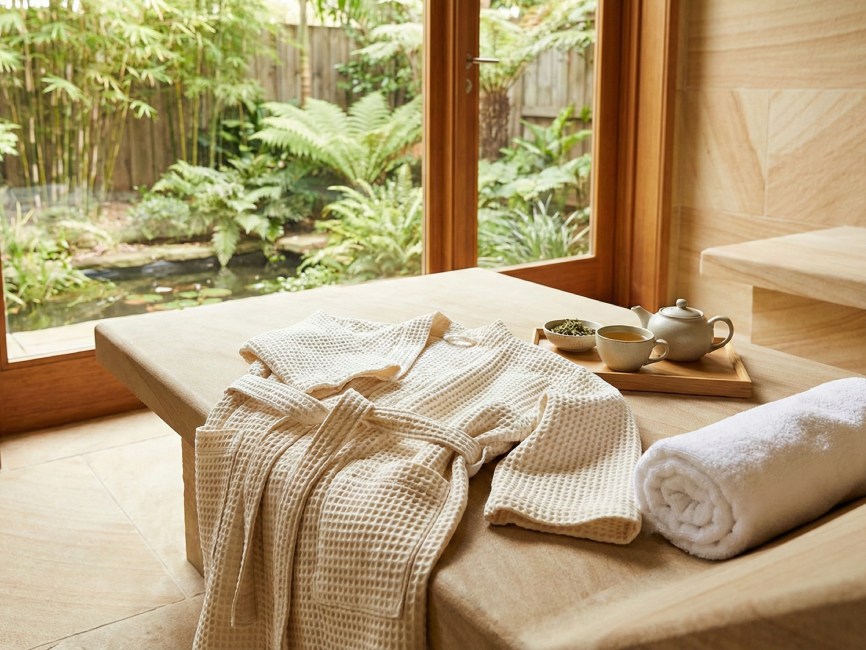
Wholesale Robes for Hotels and Spas: Picking the Right Turkish Cotton and Waffle Styles - Seyante
The initial physical interaction a guest experiences within a luxury hospitality environment often happens when they first wrap themselves in a premium garment designed specifically to offer an immediate sense of sanctuary and professional care. Selecting the correct inventory for wholesale robes for hotels and spas involves a sophisticated understanding of textile performance, guest psychology, and the rigorous demands of industrial laundering cycles that define the operational success of a high-end establishment. Every piece of fabric in a hotel room serves as a silent ambassador for the brand’s commitment to quality, making the choice between various textures and materials a critical component of the overall guest satisfaction strategy.
The Strategic Importance of Fabric Selection in Hospitality
High-traffic environments like luxury resorts and medical spas require materials that maintain their structural integrity while providing a "Pure & Safe" tactile experience for diverse skin types. Decision-makers must evaluate how different fibers react to frequent chemical exposure and high-heat drying processes to ensure the longevity of their investment without sacrificing the softness guests expect. A strategic procurement process focuses on the balance between initial aesthetic appeal and the long-term cost-per-use, ensuring the facility remains stocked with high-performing assets that reflect a five-star reputation.
Defining Luxury Through Turkish Cotton
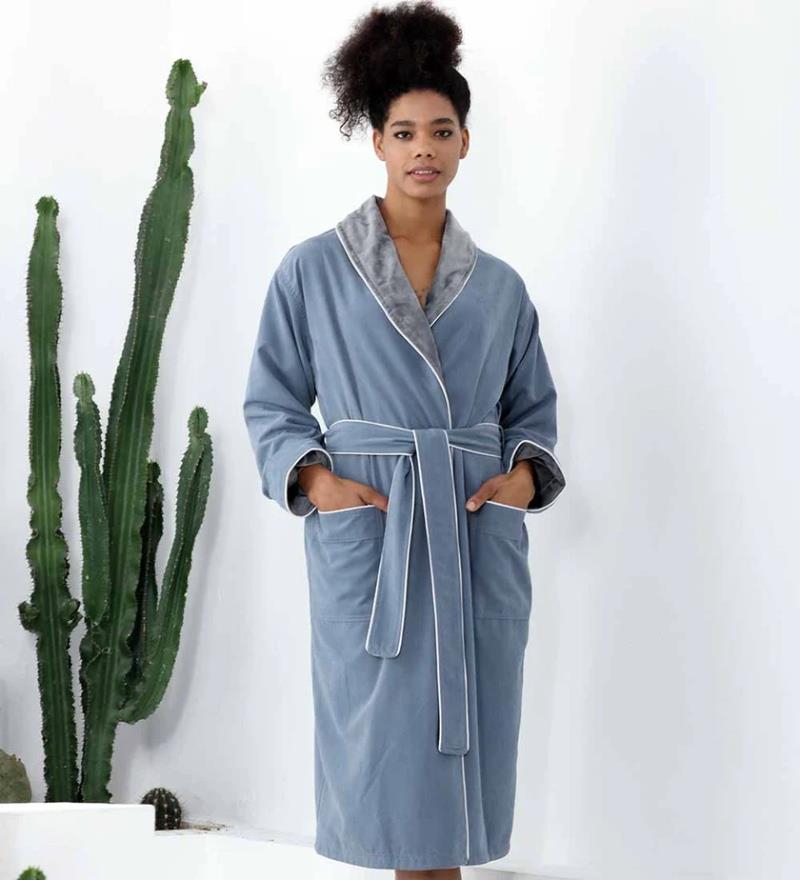
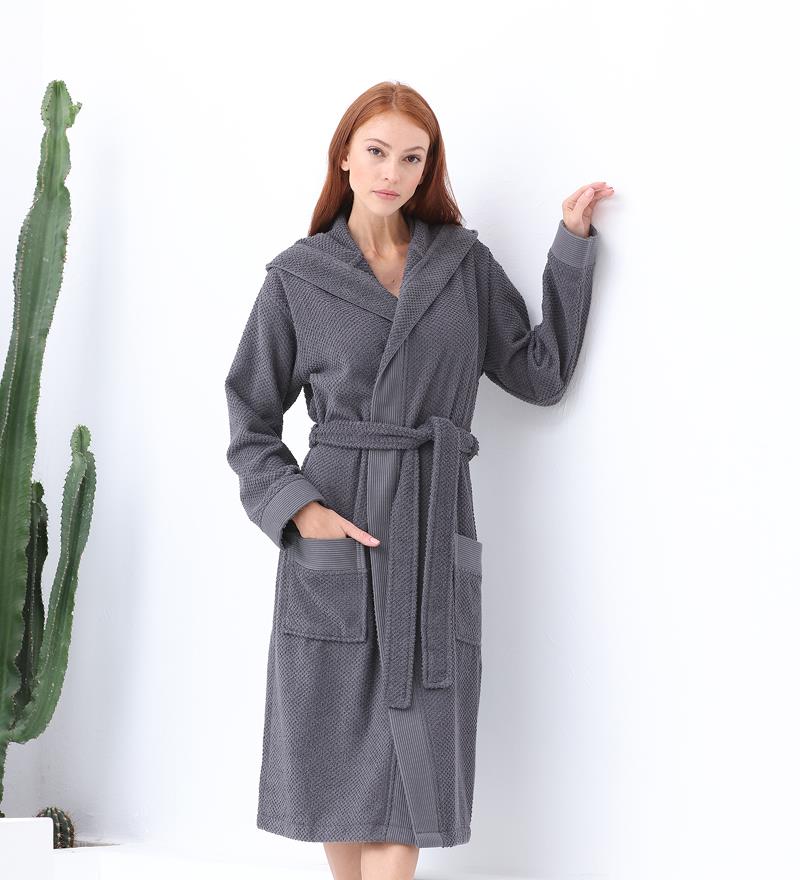
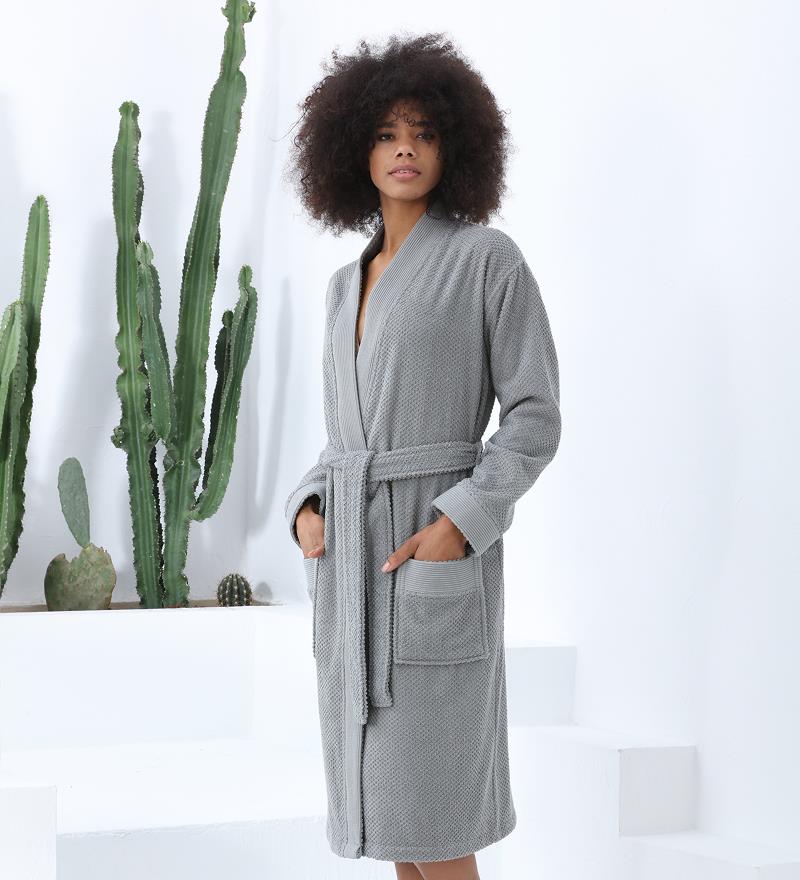
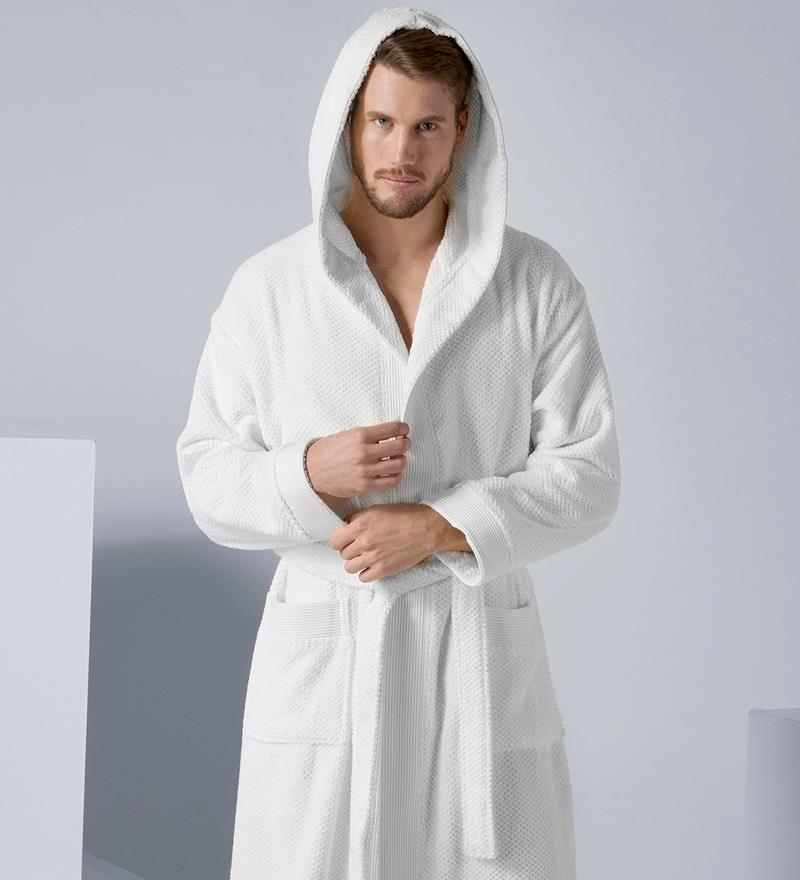
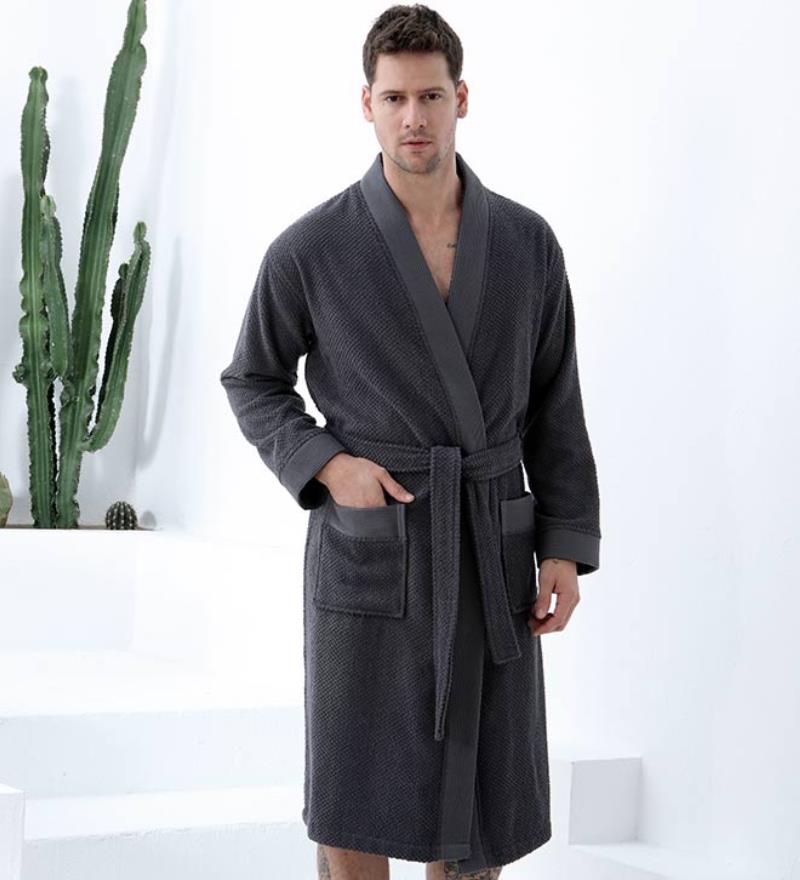
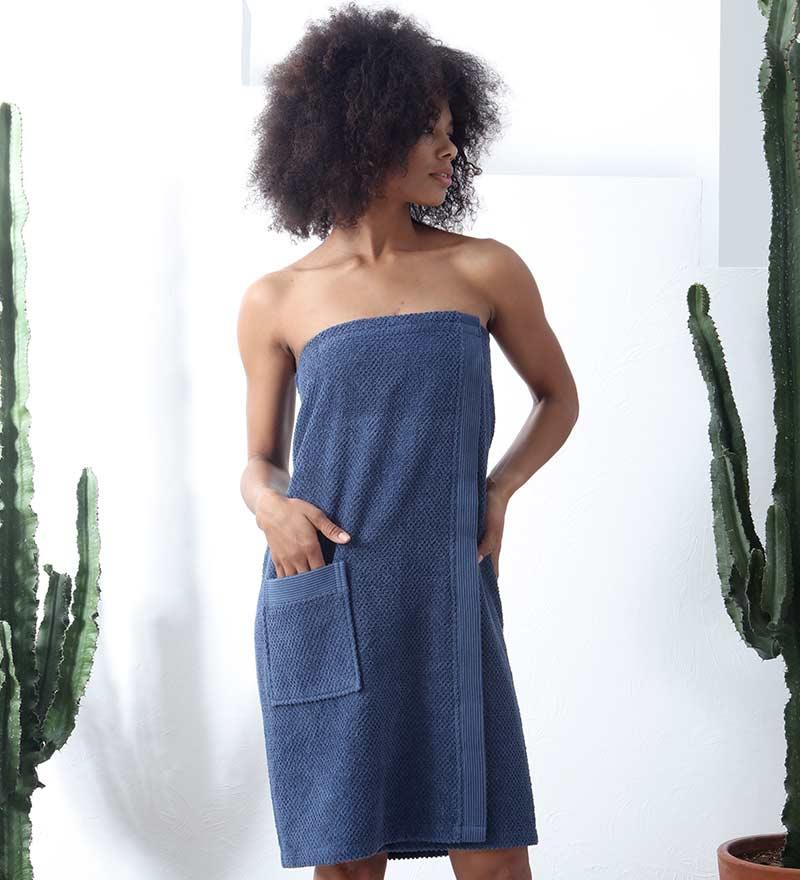
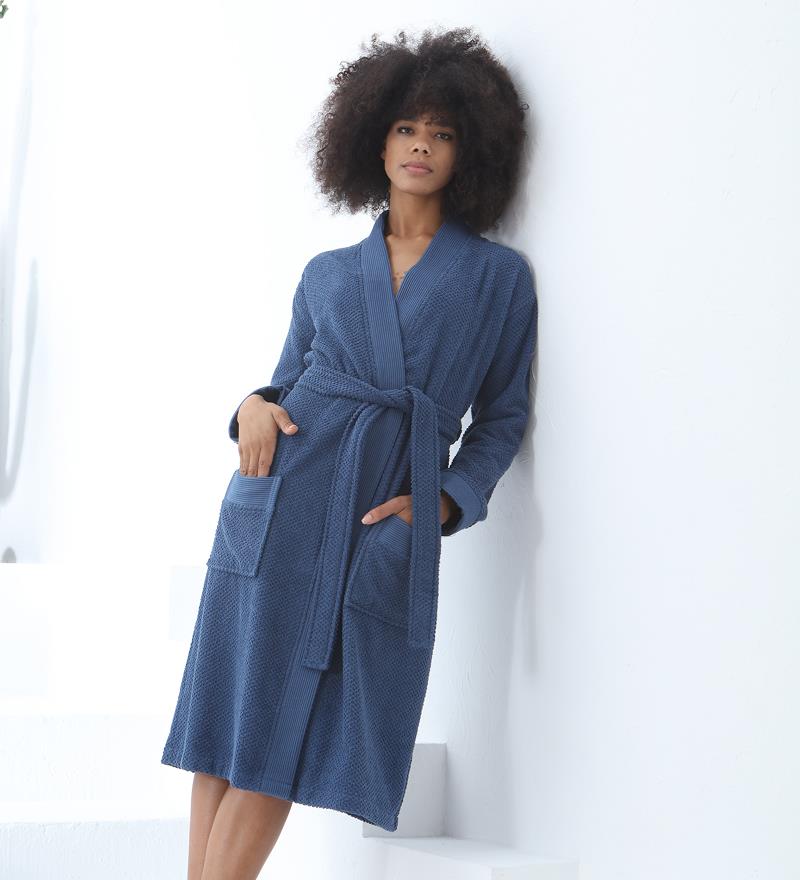
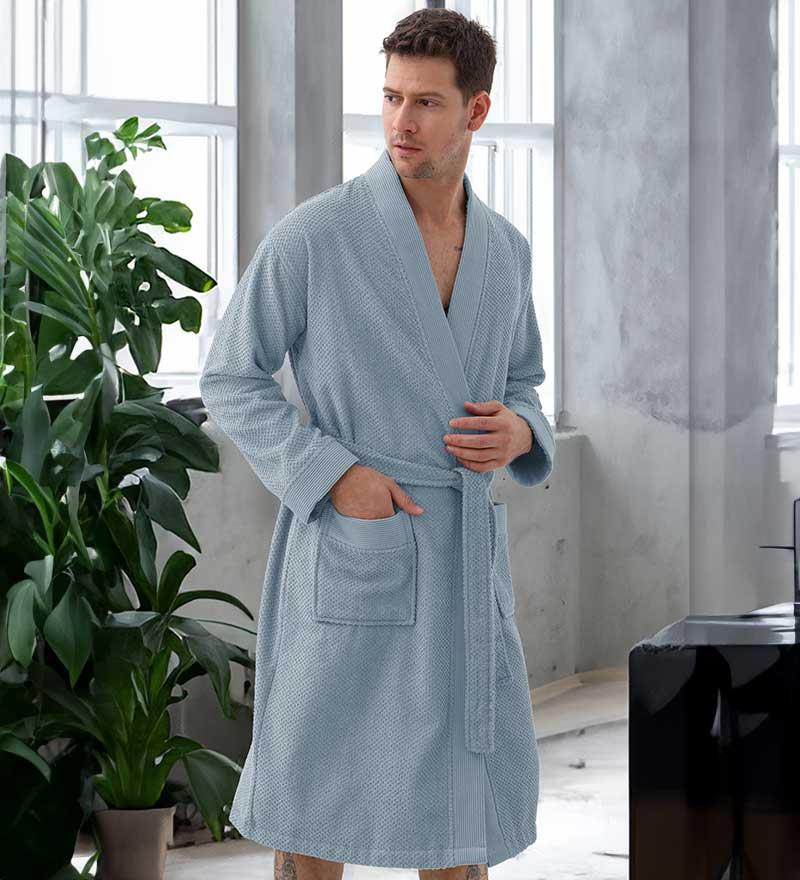
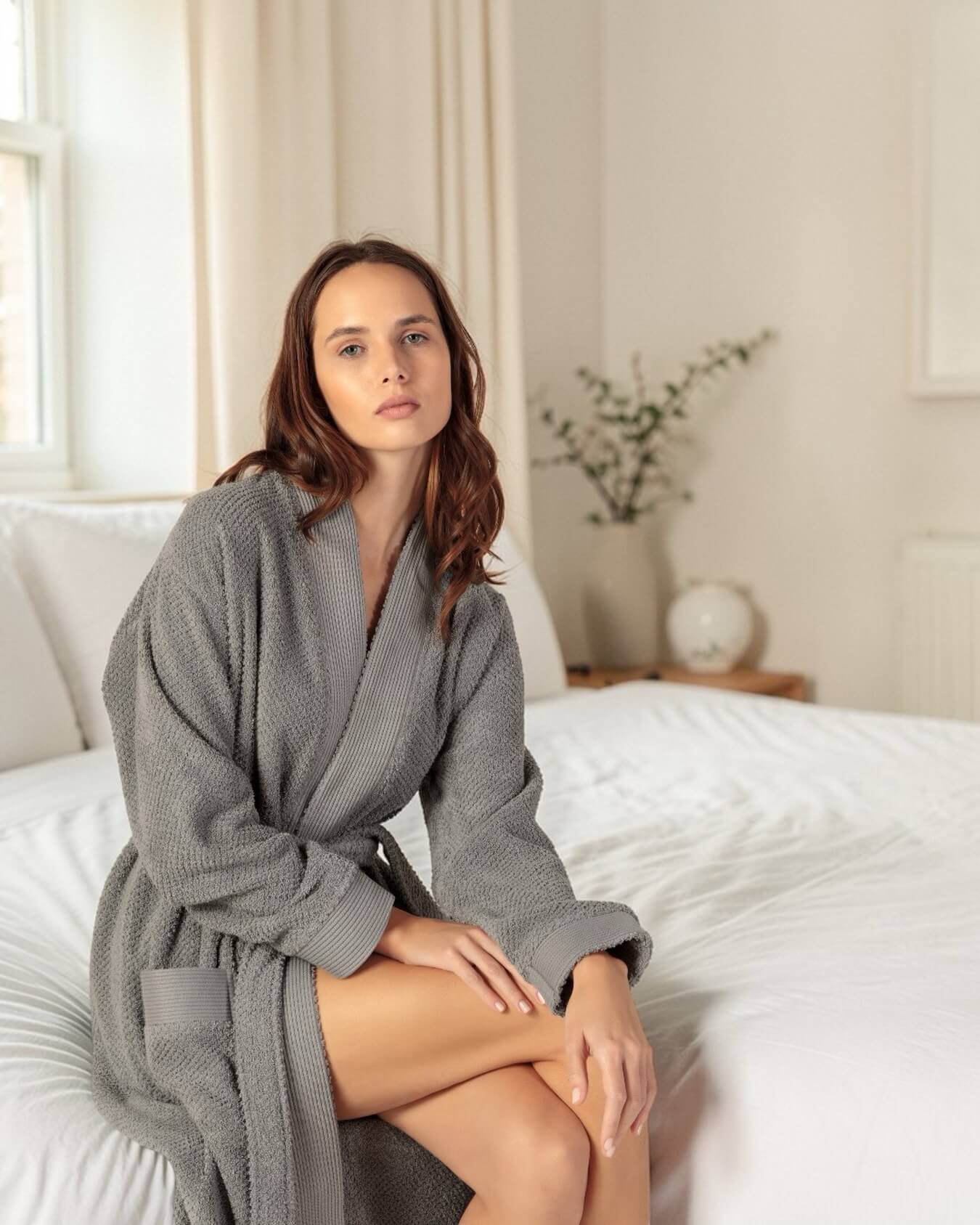
Premium Turkish cotton stands as the global benchmark for the hospitality industry because its extra-long fibers allow for the creation of smoother, stronger, and more resilient threads that minimize the risk of pilling or fraying during commercial use. These fibers possess a unique ability to become increasingly absorbent and soft with each wash, providing a dynamic luxury experience that improves throughout the lifespan of the garment. Utilizing this material ensures that guests feel a substantial, "hug-like" weight that calms the senses and provides superior warmth after water-based treatments or baths.
The Operational Advantage of GSM
Grams per Square Meter (GSM) acts as the primary indicator of a robe's density, directly influencing both the guest’s perception of luxury and the facility's laundry efficiency. A GSM range of 400 to 600 provides the dense, plush insulation required for a traditional hotel experience, while lower ranges offer a breezy feel suitable for humid climates or pool-side service. Understanding these measurements allows procurement officers to match the weight of the fabric to the specific climate and service goals of their property, optimizing both comfort and utility.
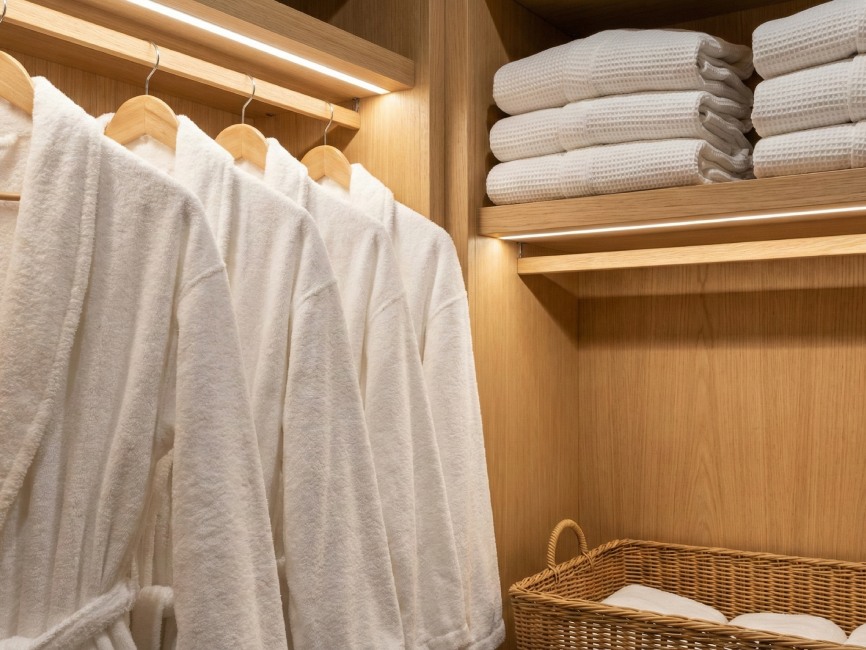
The Rise of Waffle Styles in Modern Wellness Spaces
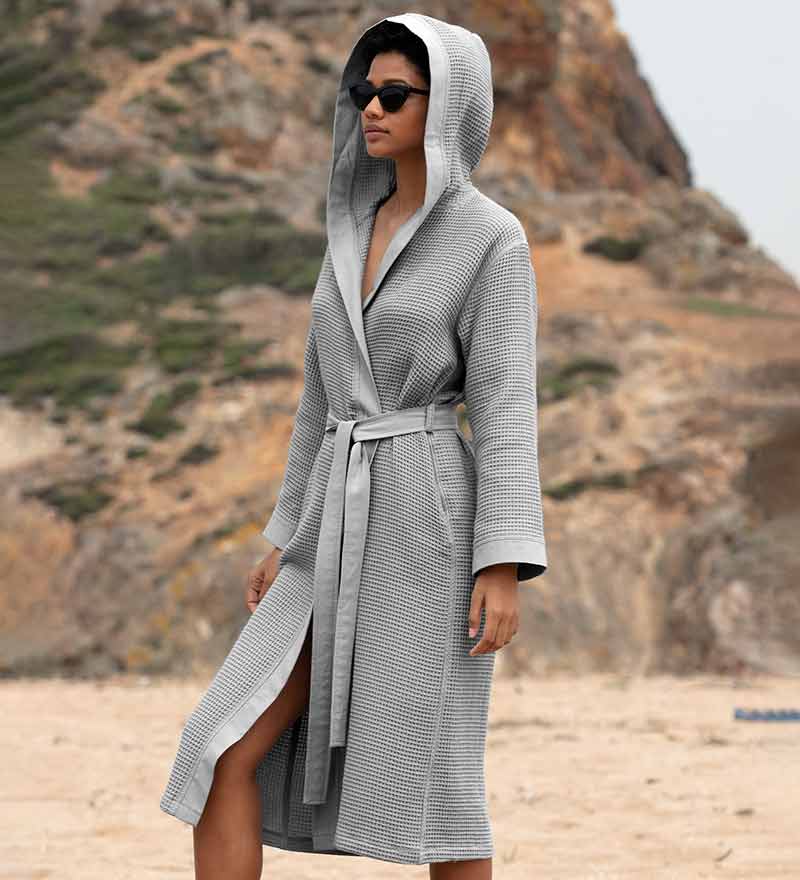
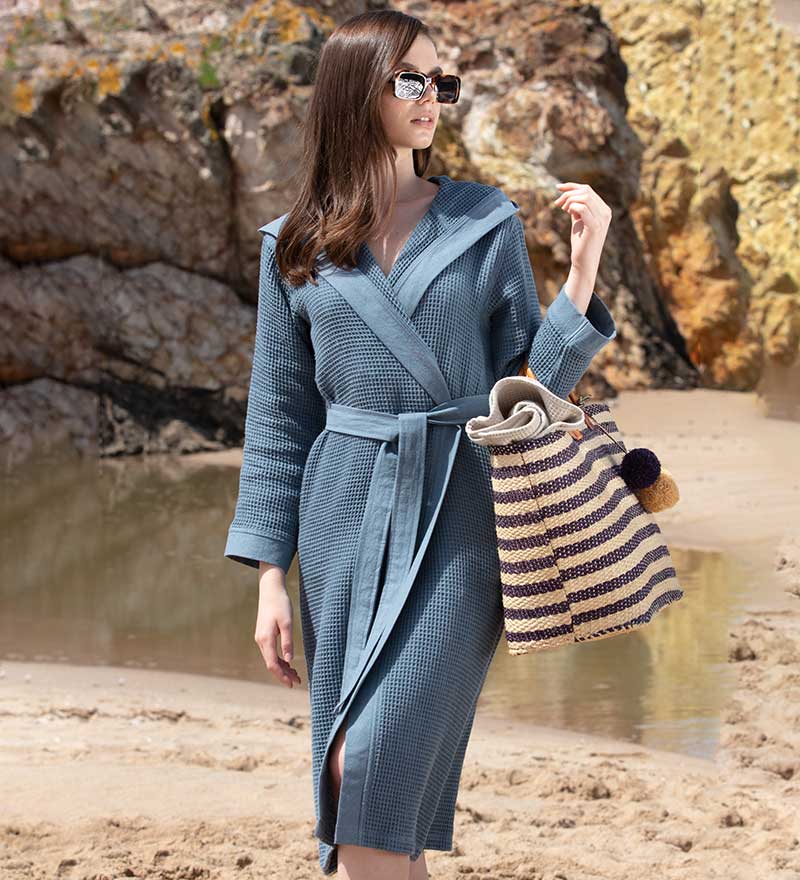
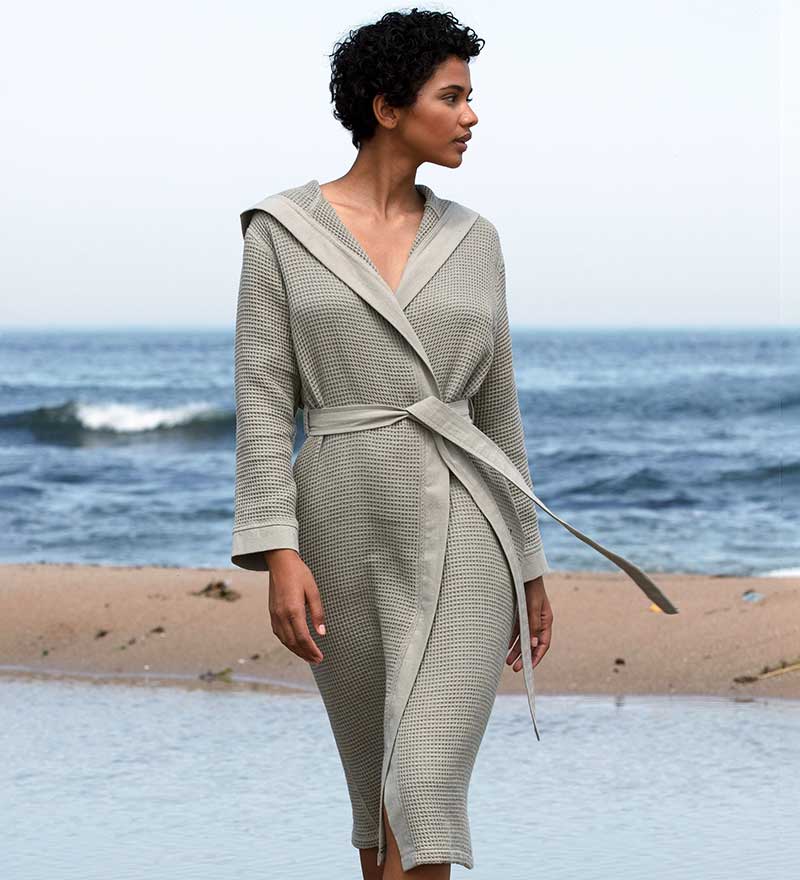
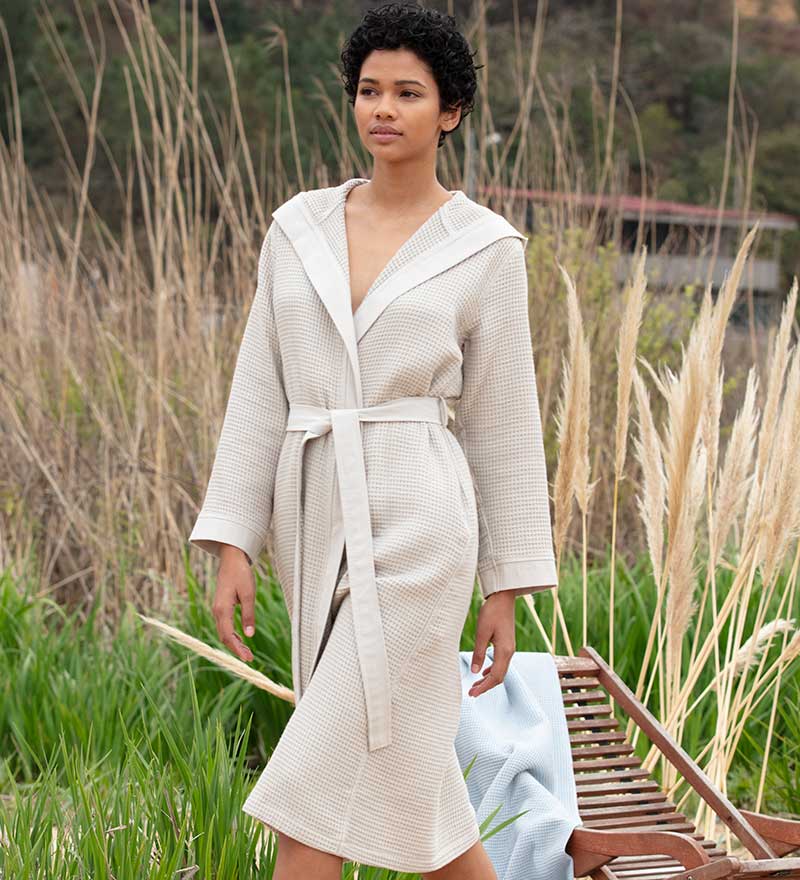
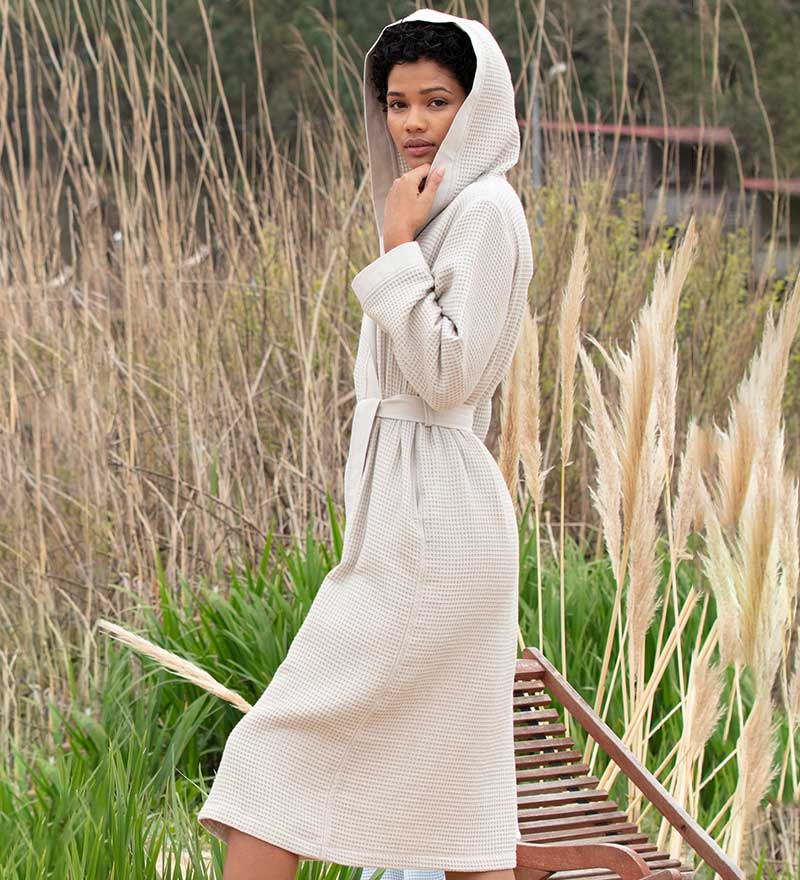
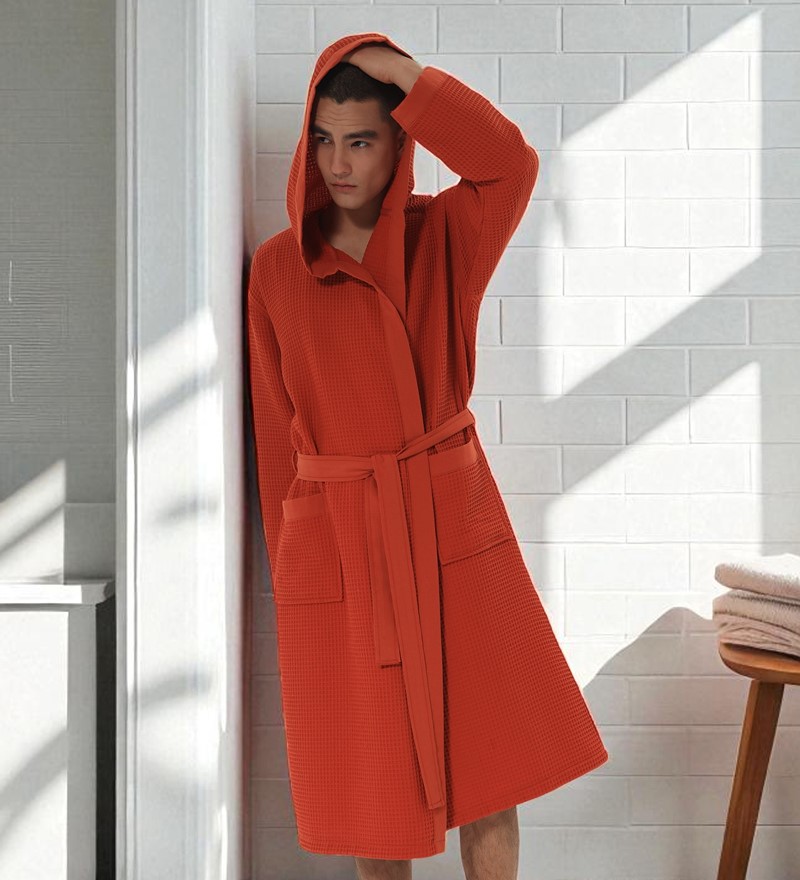
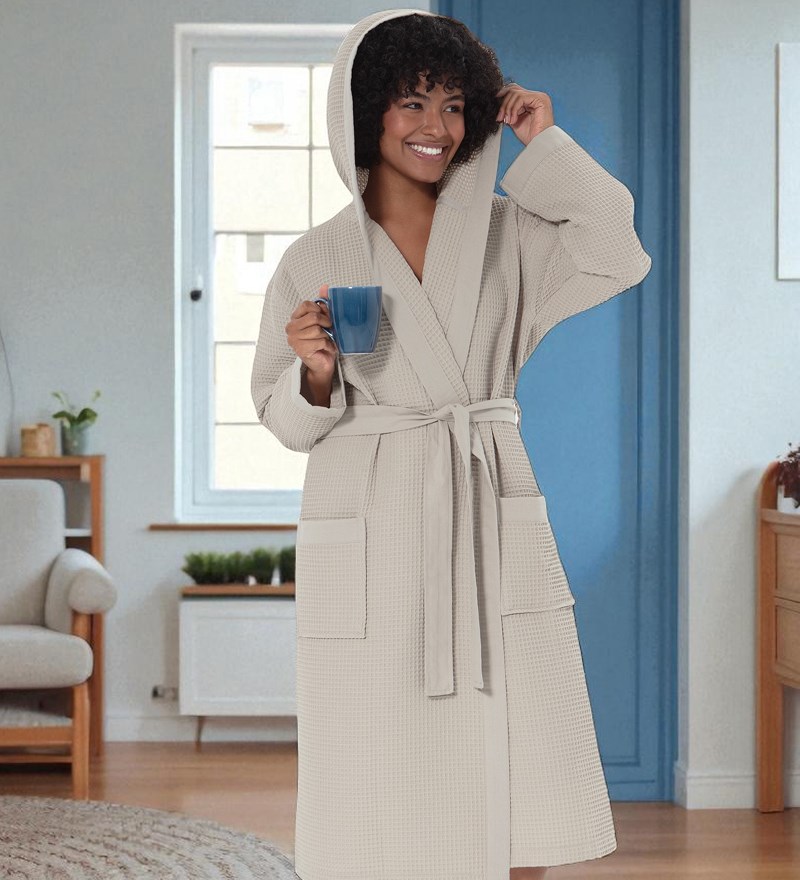
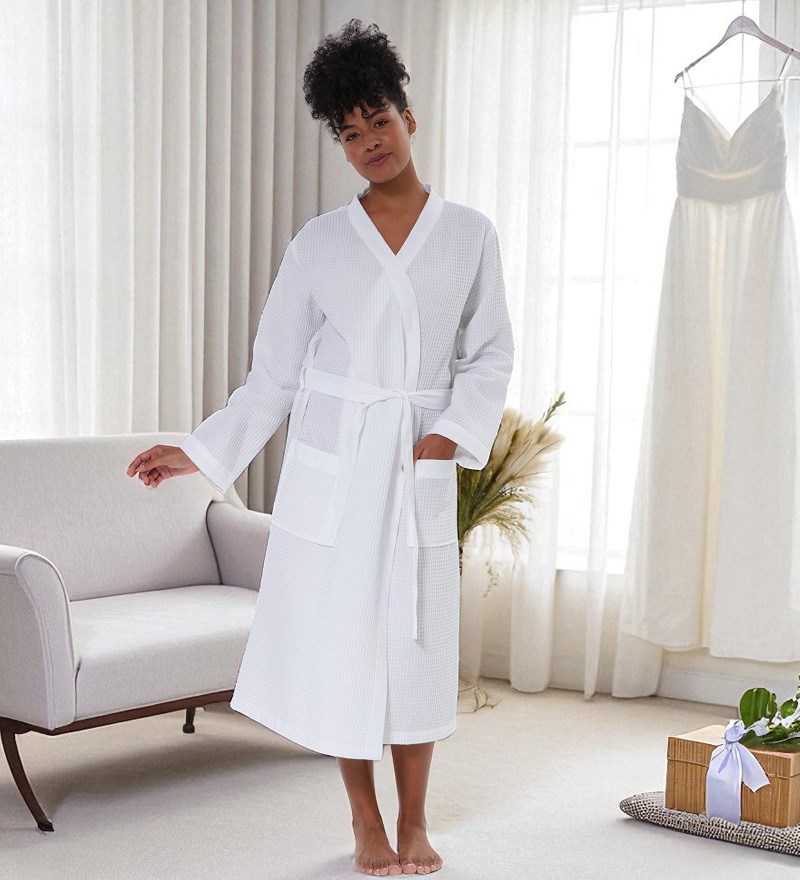
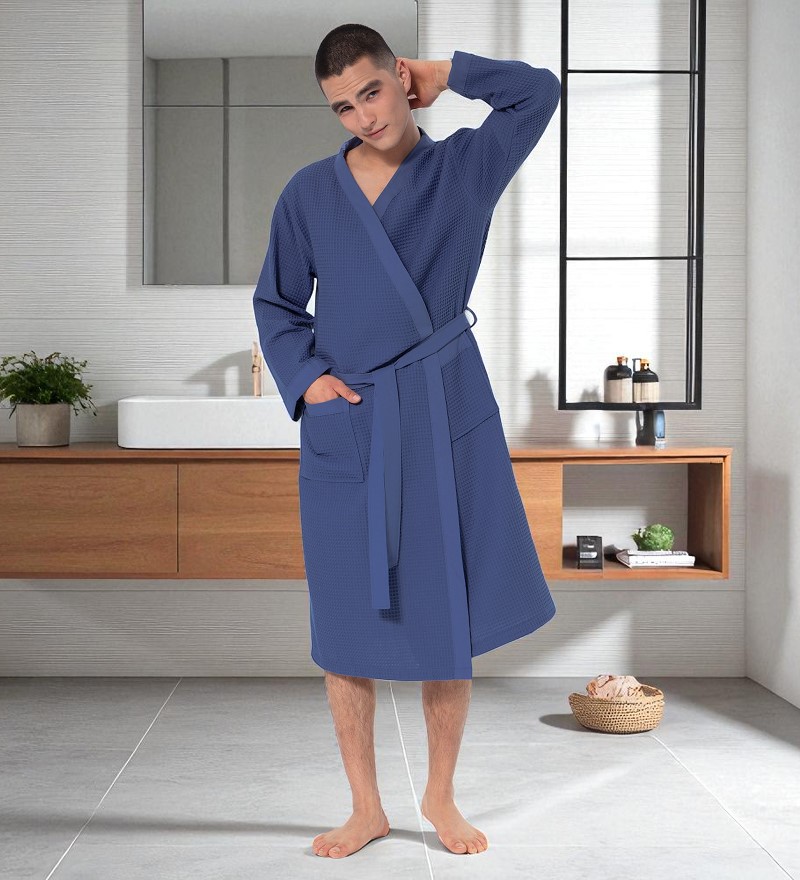
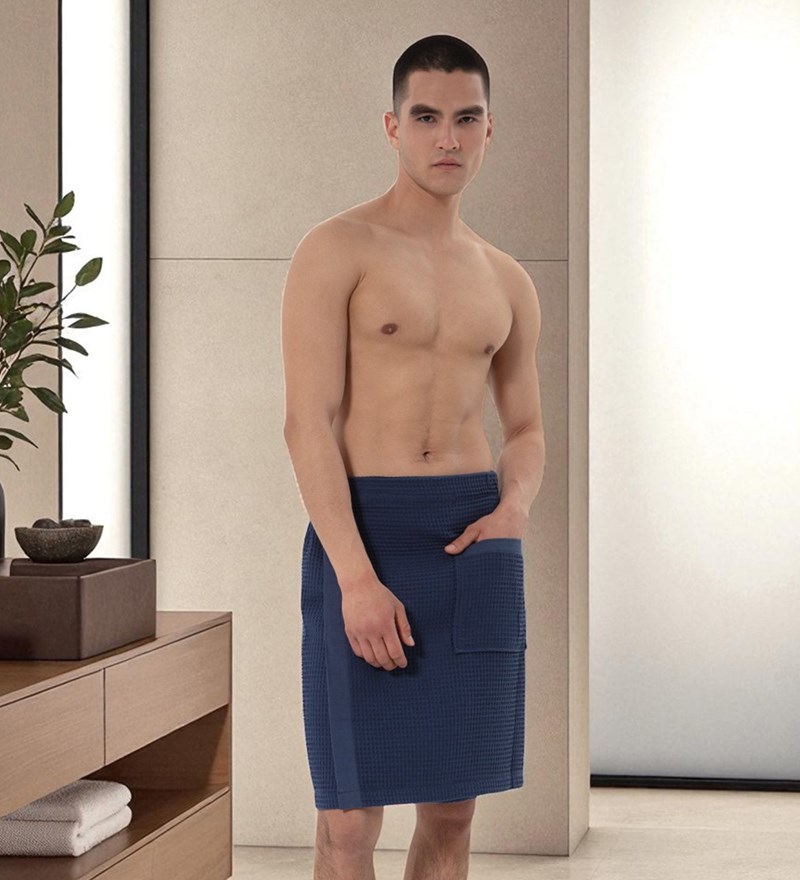
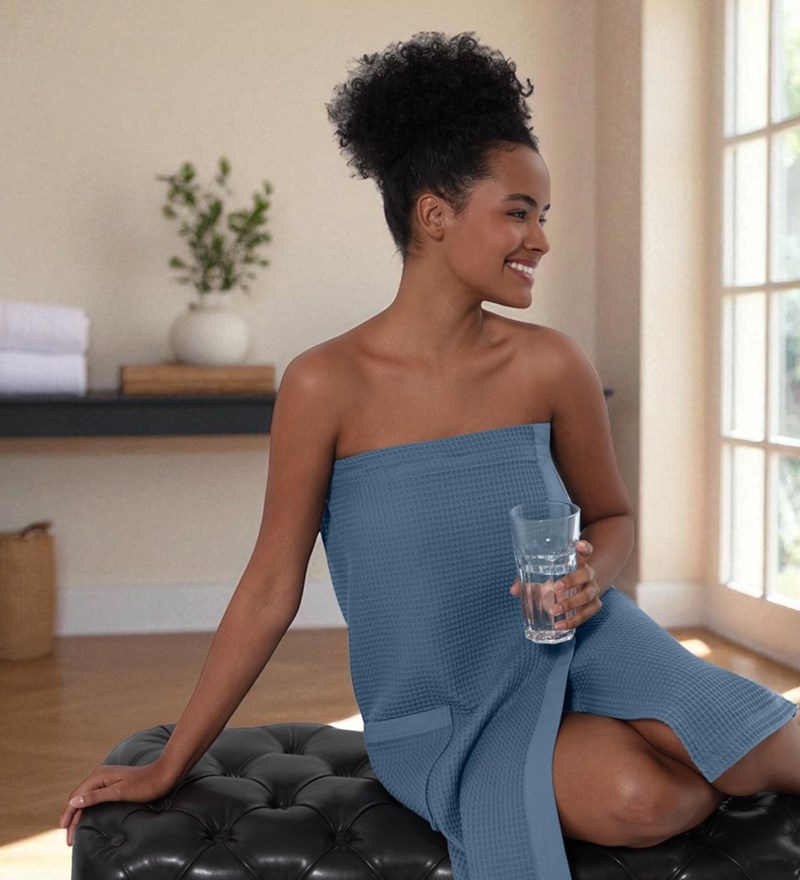
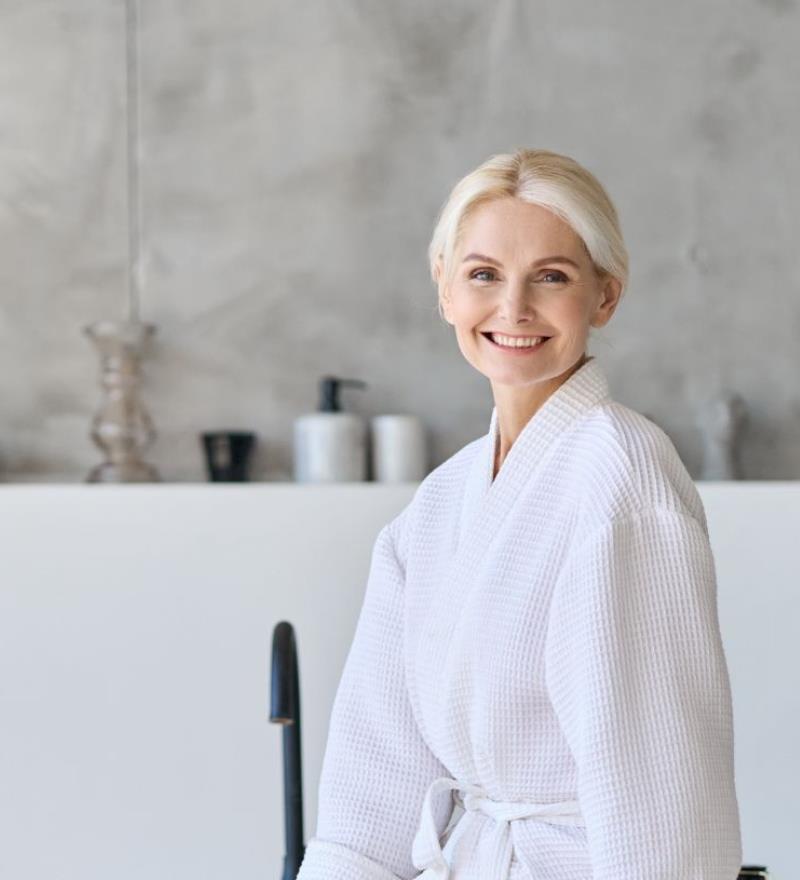
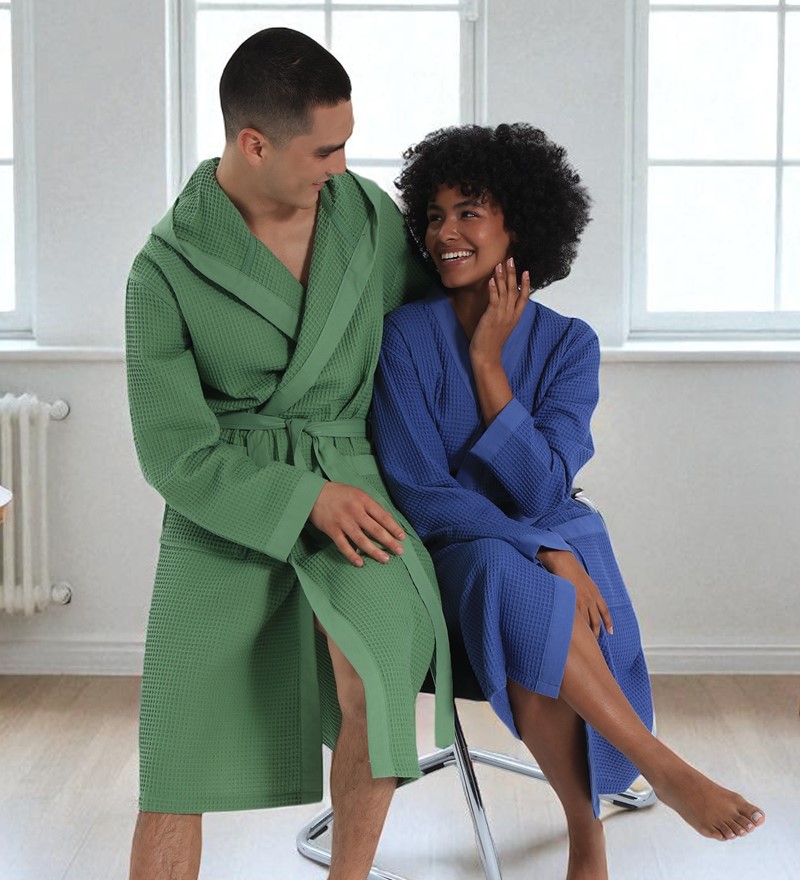
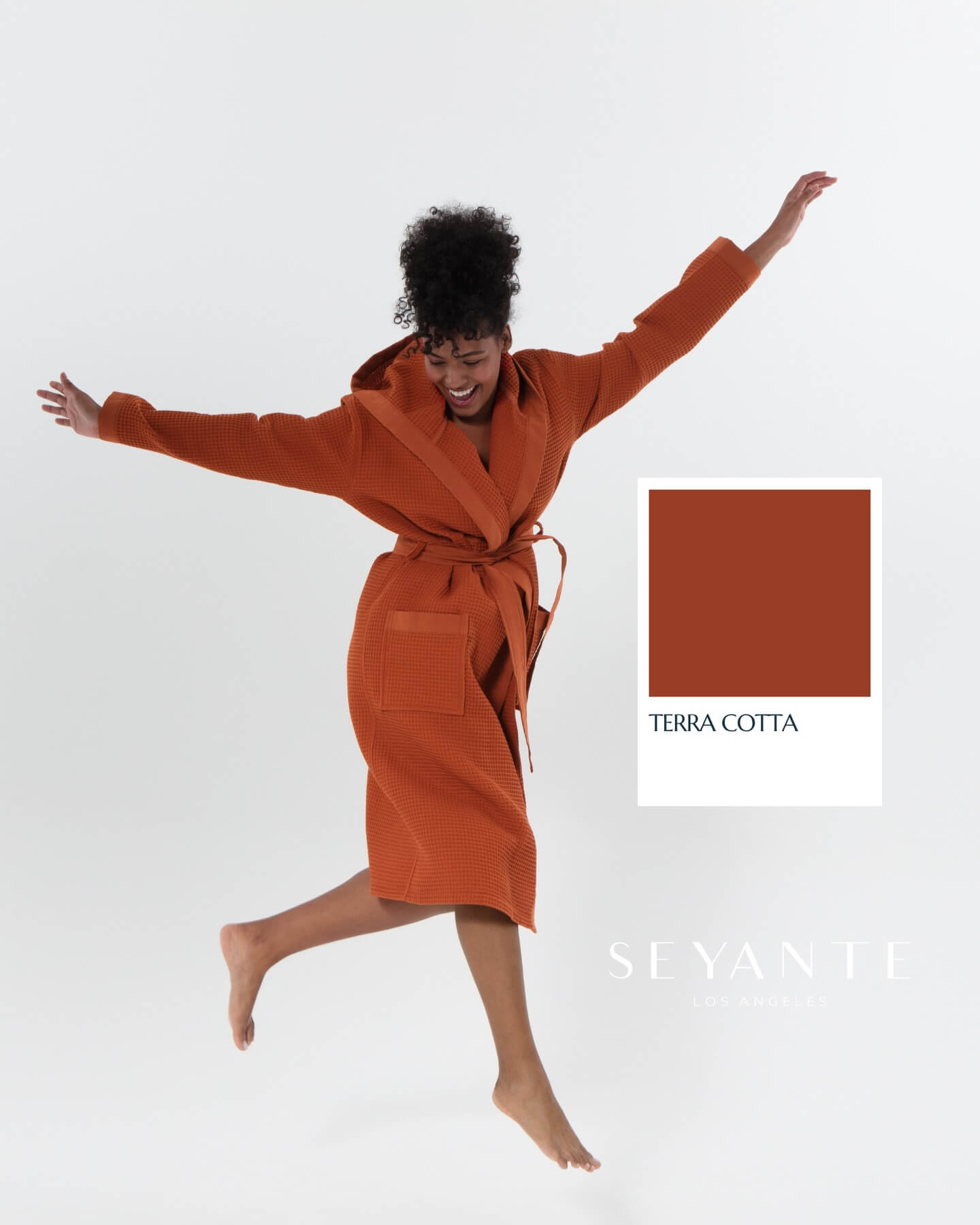
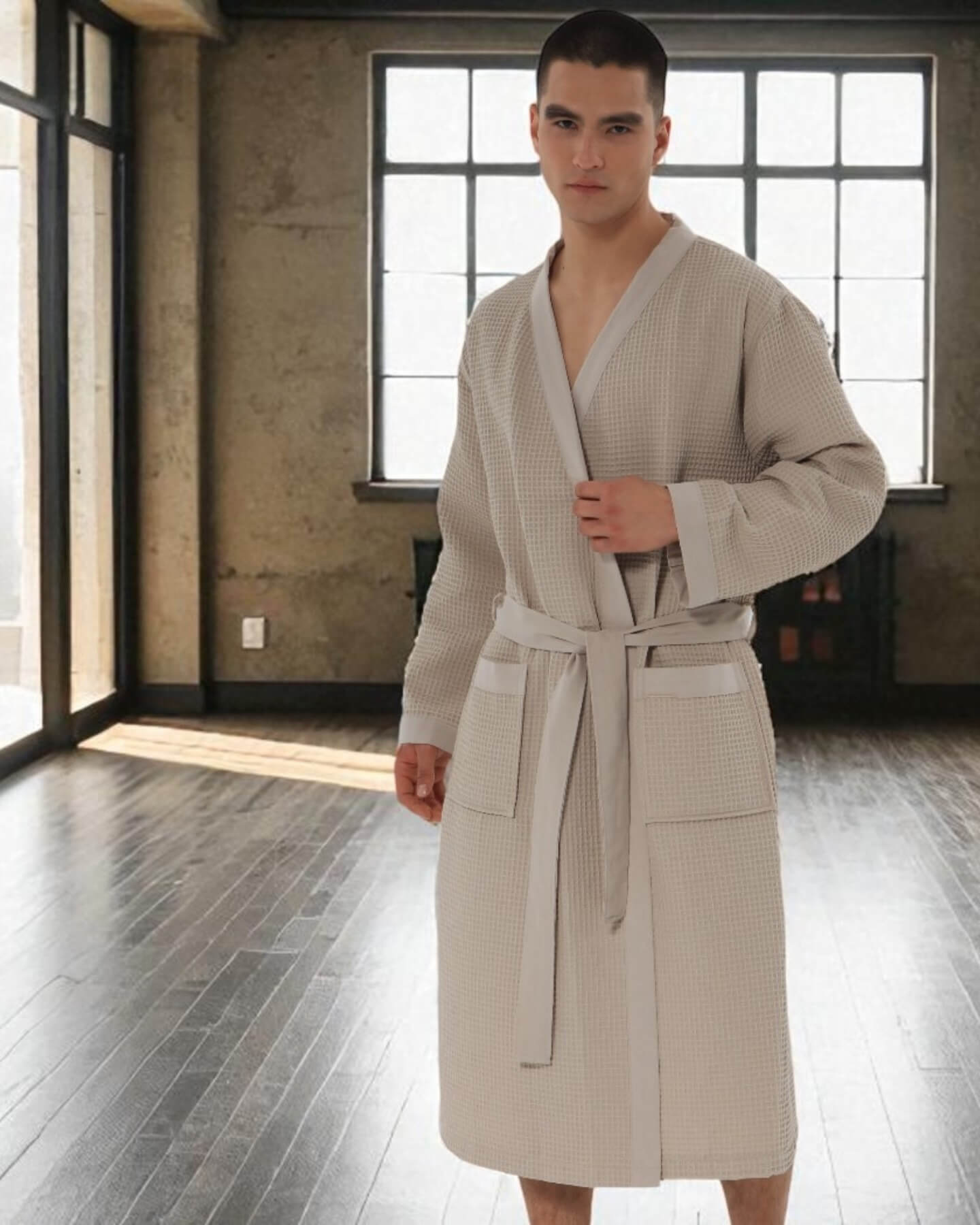
Boutique hotels and contemporary day spas frequently opt for the refined, grid-patterned aesthetic of waffle robes because they provide a sophisticated silhouette that aligns with modern minimalist design trends while offering practical advantages for both the guest and the staff. This textured surface creates tiny air pockets that facilitate natural temperature regulation, ensuring the wearer remains comfortable without the excessive heat often associated with heavy terry cloth. The result is a garment that feels like high-end loungewear, making it a versatile choice for a wide variety of guest activities.
Breathability and Thermal Management
The geometric structure of the fabric allows for constant airflow, which significantly reduces the discomfort of overheating in steam rooms or tropical outdoor environments. Guests appreciate the lightweight nature of these robes, as they provide necessary coverage and a professional appearance without the physical burden of a heavy towel-like material. This makes the waffle style the preferred option for facilities that focus on holistic wellness, skincare routines, and extended lounging sessions.
Laundry Efficiency and Environmental Impact
From a business perspective, the thinner profile of a grid-textured robe leads to faster drying times and reduced energy consumption within the facility’s laundry operations. Because these garments take up less volume, housekeeping teams can transport larger quantities per load, and the establishment reduces its overall carbon footprint through lower utility usage. These operational savings make the waffle style an economically and environmentally responsible choice for large-scale operations looking to optimize their overhead.
Comparison: Selecting the Right Style for Your Facility
Choosing the best inventory requires a side-by-side analysis of how each fabric type serves the specific needs of your guests and your business model.
Wholesale Robe Comparison: Terry vs. Waffle
|
Feature |
Plush Turkish Cotton (Terry) |
Organic Grid Texture (Waffle) |
|
Guest Perception |
Traditional, heavy, and very cozy. |
Modern, lightweight, and chic. |
|
Primary Use |
In-room showers; cold climates. |
Poolside; humid spas; skincare. |
|
Absorbency |
Maximum. Dries skin instantly. |
High. Wicks moisture efficiently. |
|
Laundry Performance |
High energy use; takes longer to dry. |
Energy efficient; dries very quickly. |
|
Storage Volume |
Bulky; requires more shelf space. |
Compact; easy to store and stack. |
|
Durability |
Becomes softer over time. |
Maintains a crisp, structured look. |
Maintenance Strategies for Longevity in Wholesale Inventory
Implementing a standardized care protocol ensures that your wholesale robes for hotels and spas retain their premium feel and appearance for the maximum number of guest stays. Commercial laundering requires a specific balance of ph-neutral detergents and controlled drying temperatures to prevent the natural fibers from becoming brittle or yellowed over time. By investing in high-quality organic cotton and following professional maintenance guidelines, hospitality managers can significantly extend the replacement cycle of their textiles, protecting the company’s bottom line while maintaining high aesthetic standards.
Avoiding Chemical Buildup
Frequent use of fabric softeners can actually coat the fibers and reduce the natural absorbency of Turkish cotton, leading to a "waxy" feel that guests might find unpleasant. Using mild, eco-friendly detergents ensures that the "Pure & Safe" qualities of the organic cotton remain intact, protecting the skin of sensitive guests and preserving the integrity of the fabric loops.
Inventory Rotation and Quality Audits
Maintaining a "par" level that allows for proper rest and rotation of the robes prevents individual garments from being over-processed and worn out prematurely. Regular quality audits by the housekeeping staff help identify pieces that require specialized treatment or retirement, ensuring that every guest receives a robe that looks and feels brand new.
Conclusion
The selection of wholesale robes for hotels and spas is a defining factor in how guests perceive the quality of their stay and the professionalism of the wellness environment. Whether an establishment prioritizes the classic, heavy luxury of Turkish cotton or the efficient, modern elegance of a grid-textured style, the focus must remain on the durability of the material and the comfort of the user. High-quality textiles serve as a long-term investment in the brand’s image, providing a tangible touchpoint of care that guests remember long after they have checked out.
Related Posts


Related Products
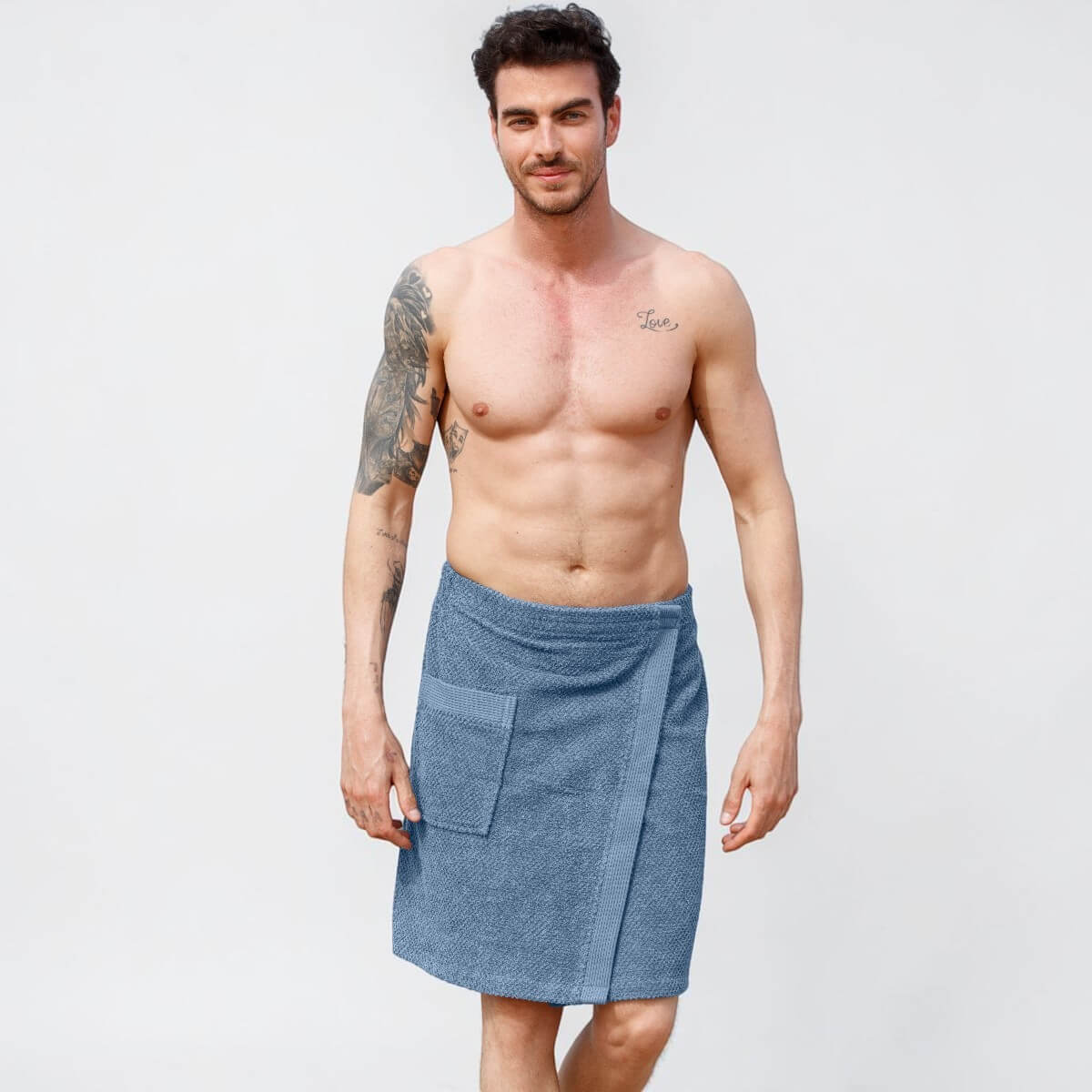

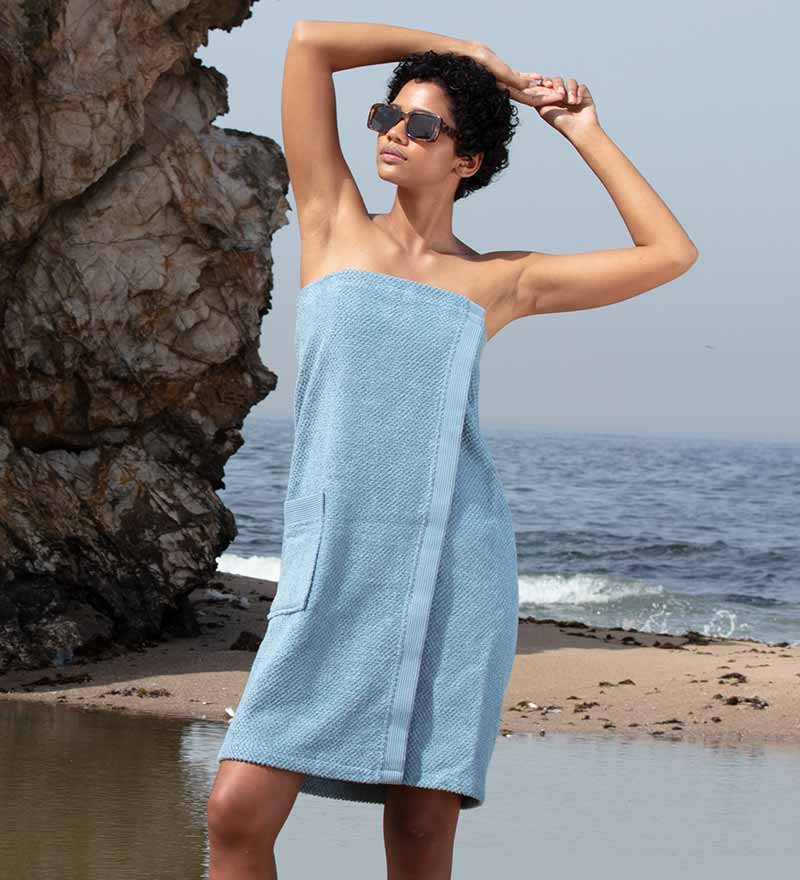

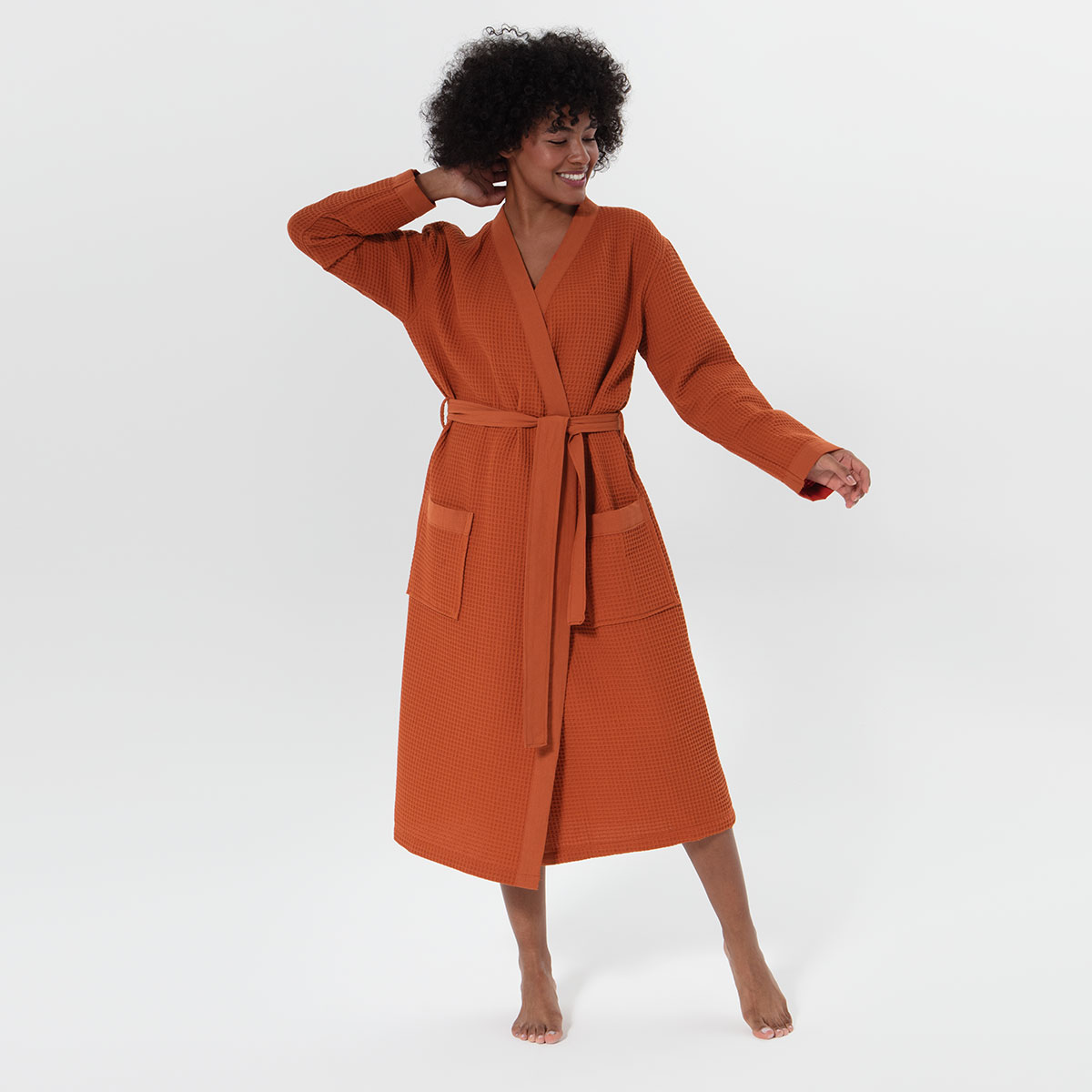
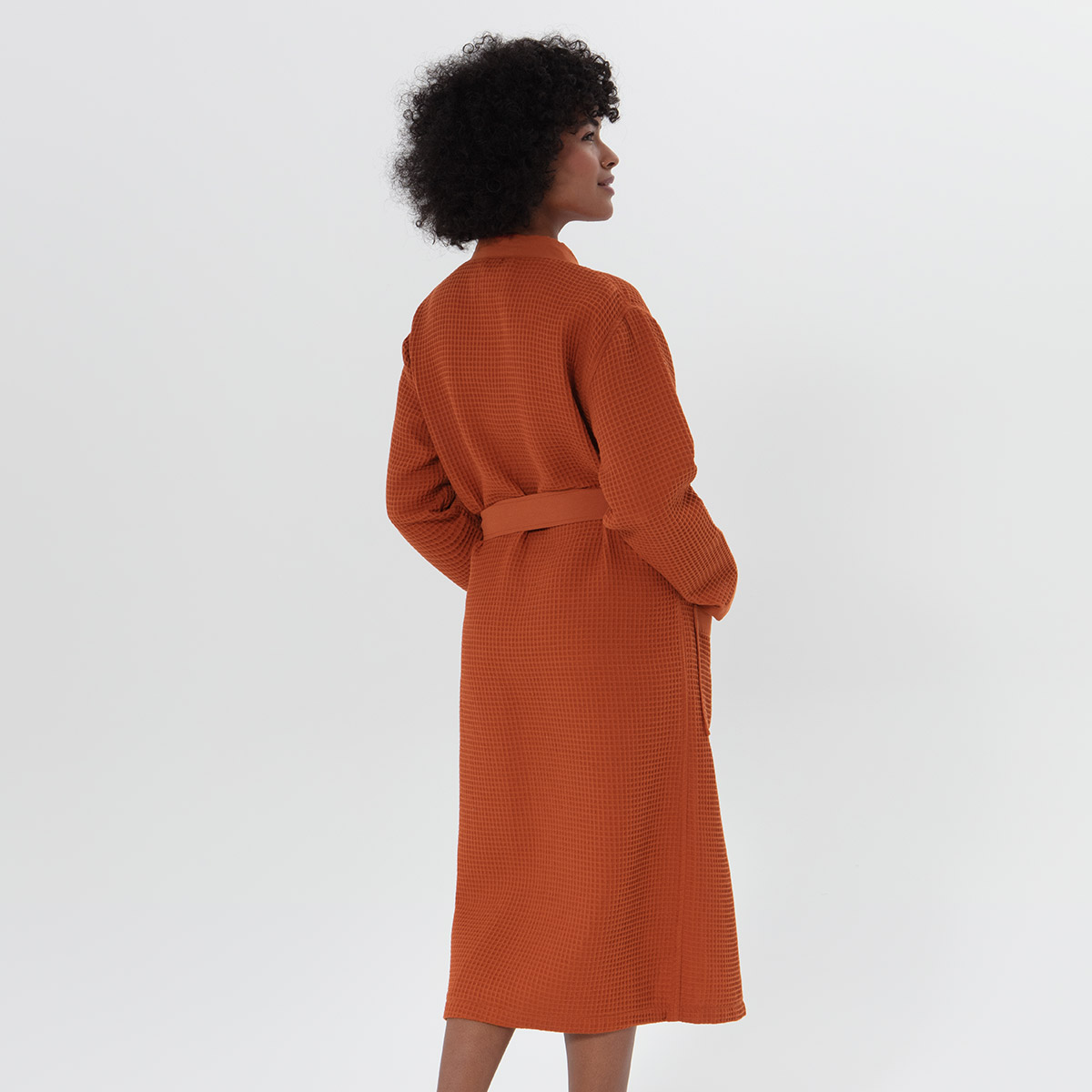
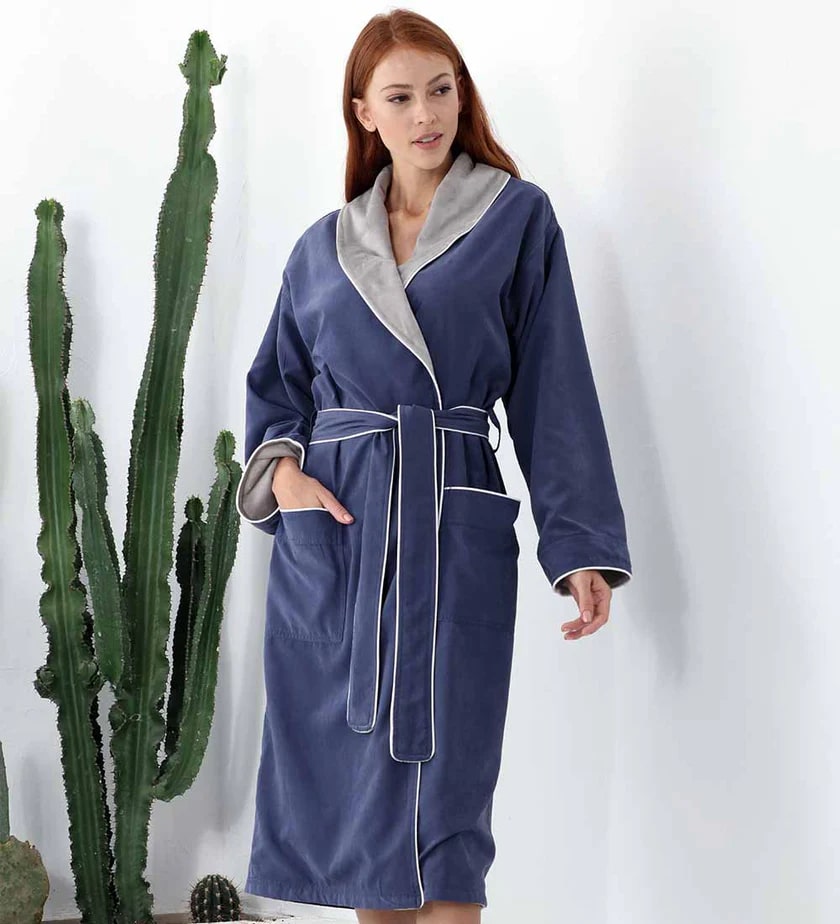

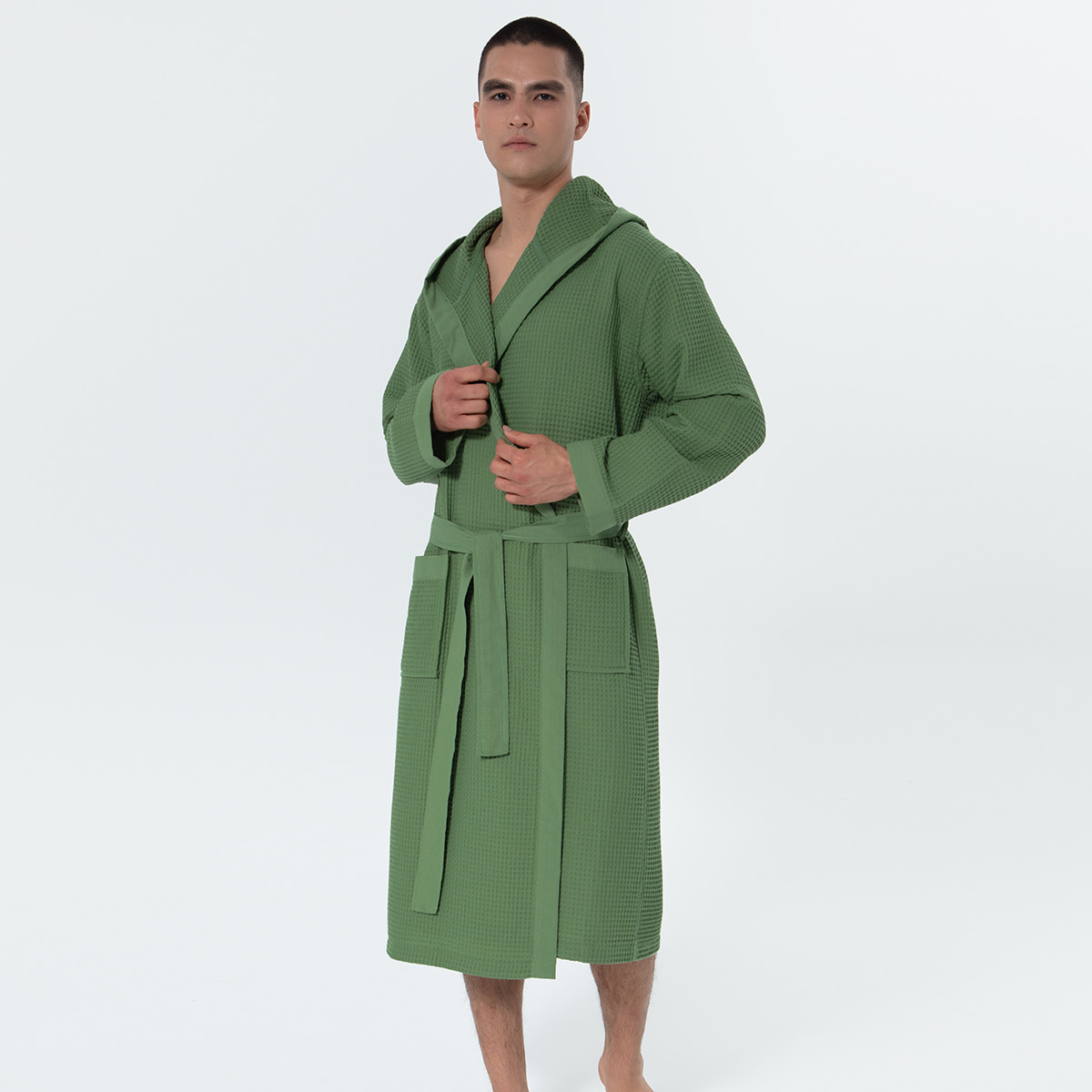

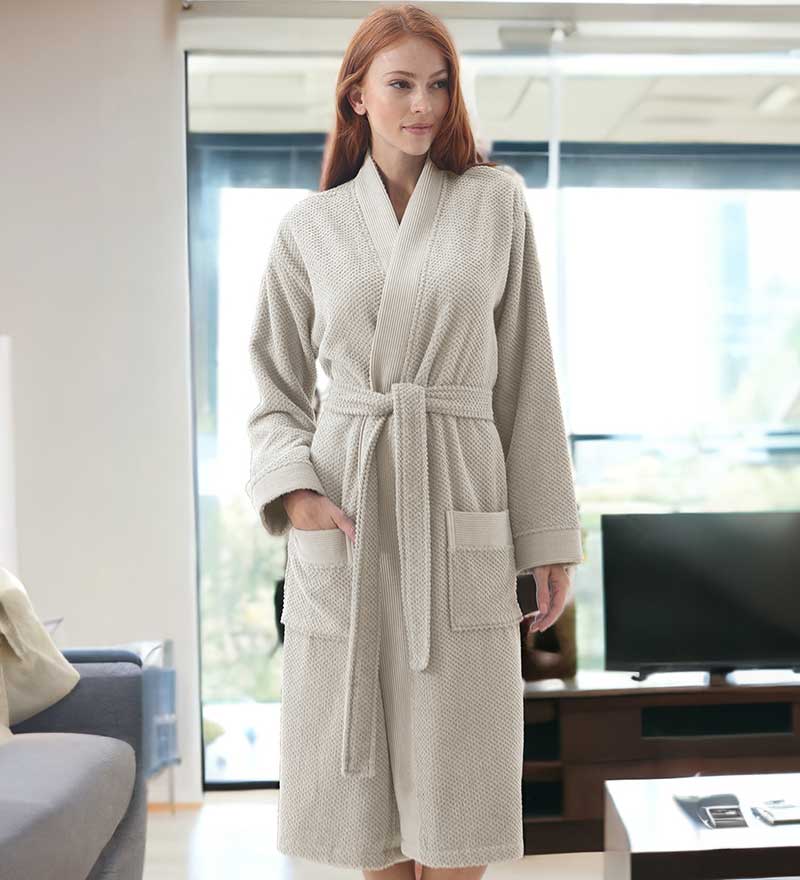
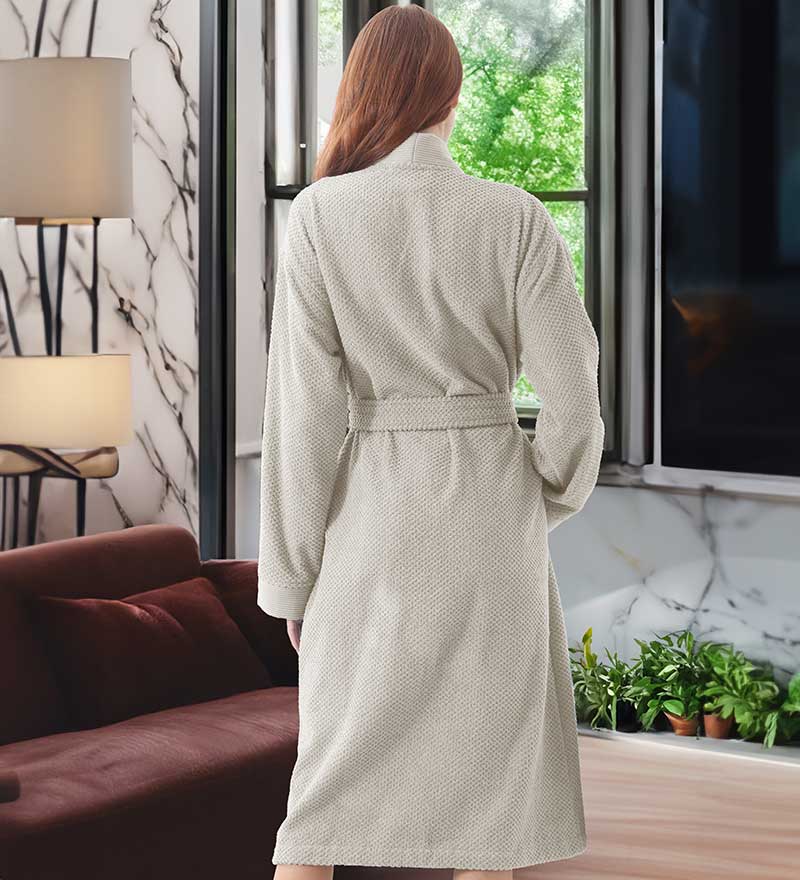
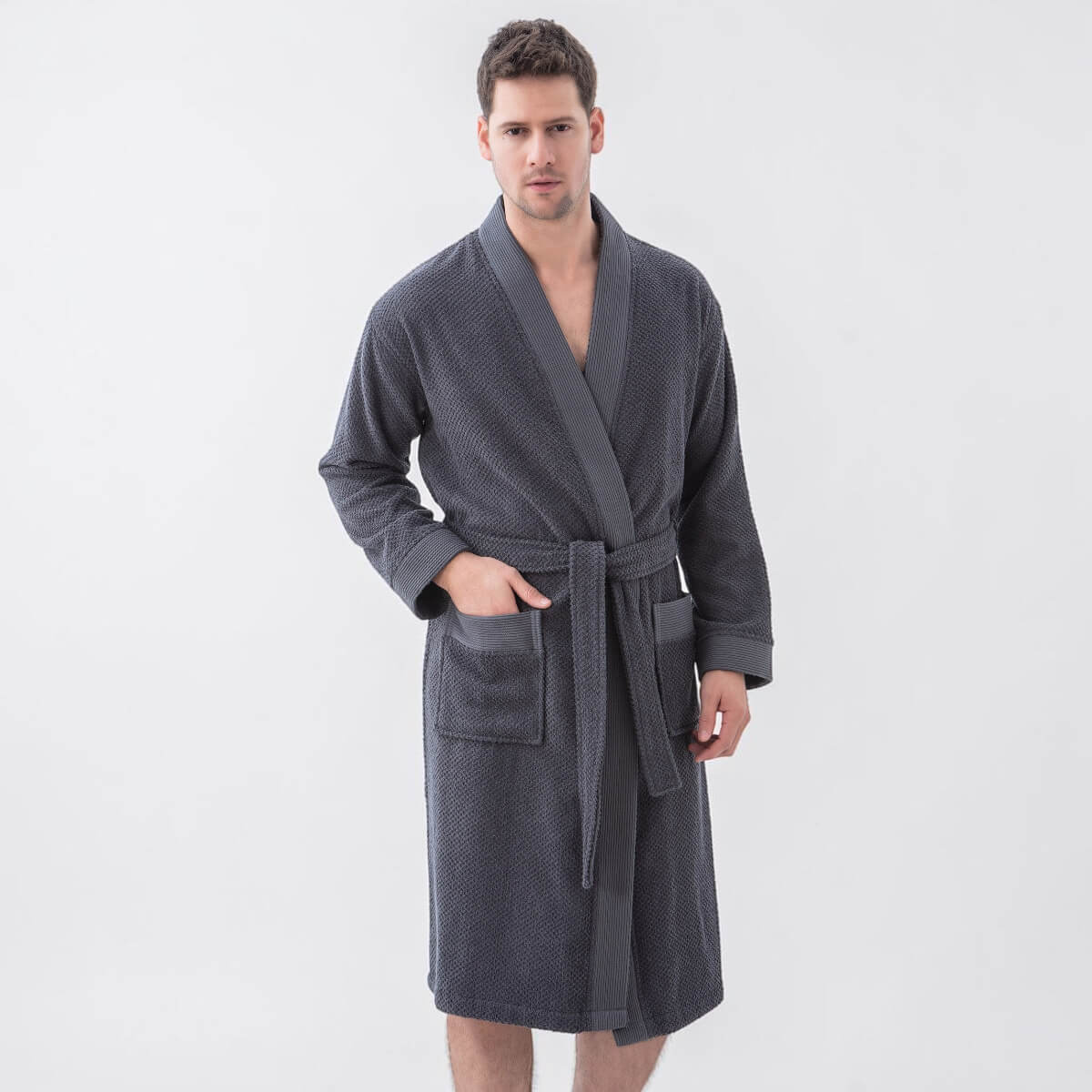

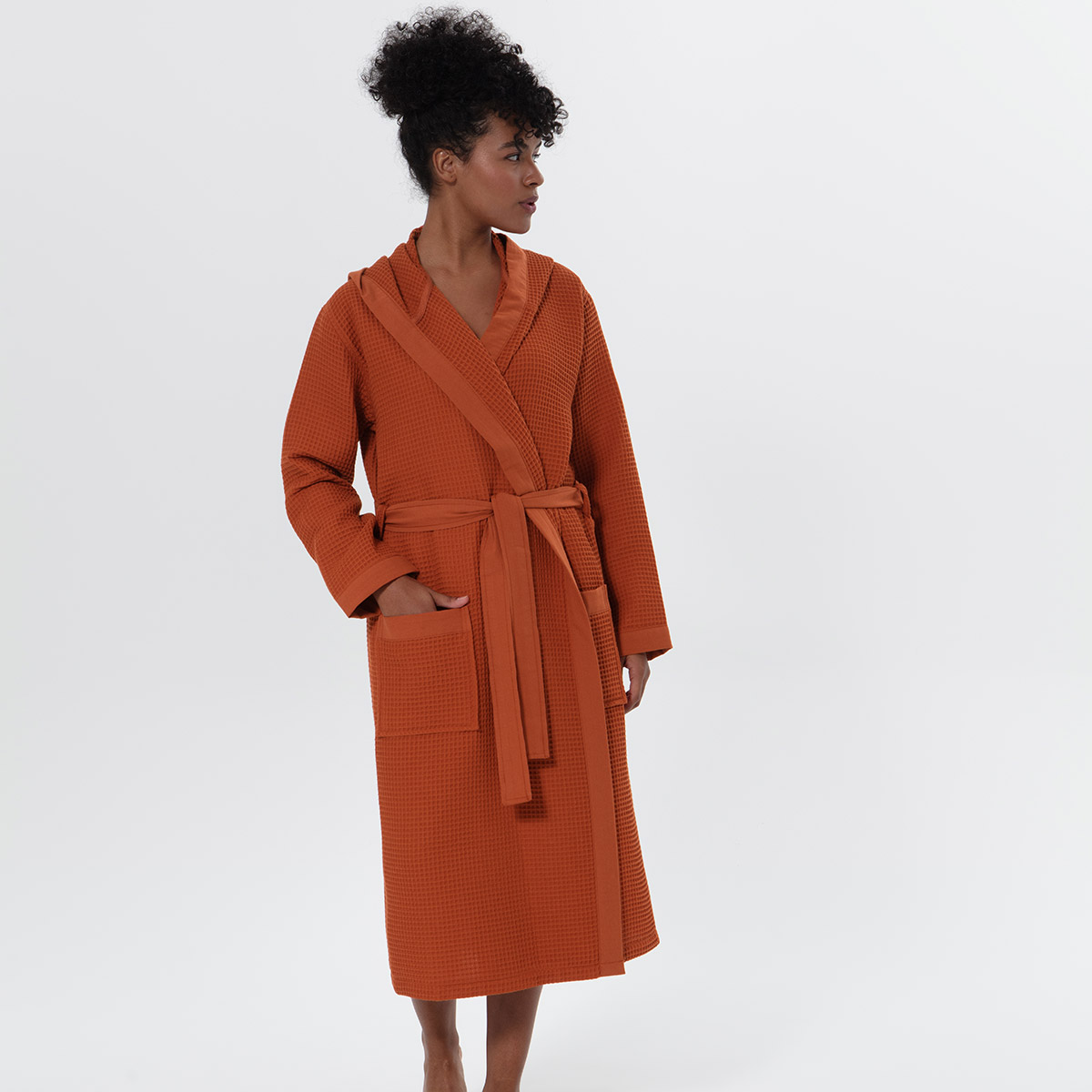


Offering high-quality bathrobes for both women and men with GOTS certification
Our commitment to excellence is reflected in our use of the Global Organic Textile Standard (GOTS) certification for our products. GOTS is a benchmark for organic textiles, ensuring environmentally friendly and socially responsible manufacturing processes.





FREE STANDART DELIVERY
STRESS-FREE SHOPPING
ONLINE CUSTOMER SERVICE