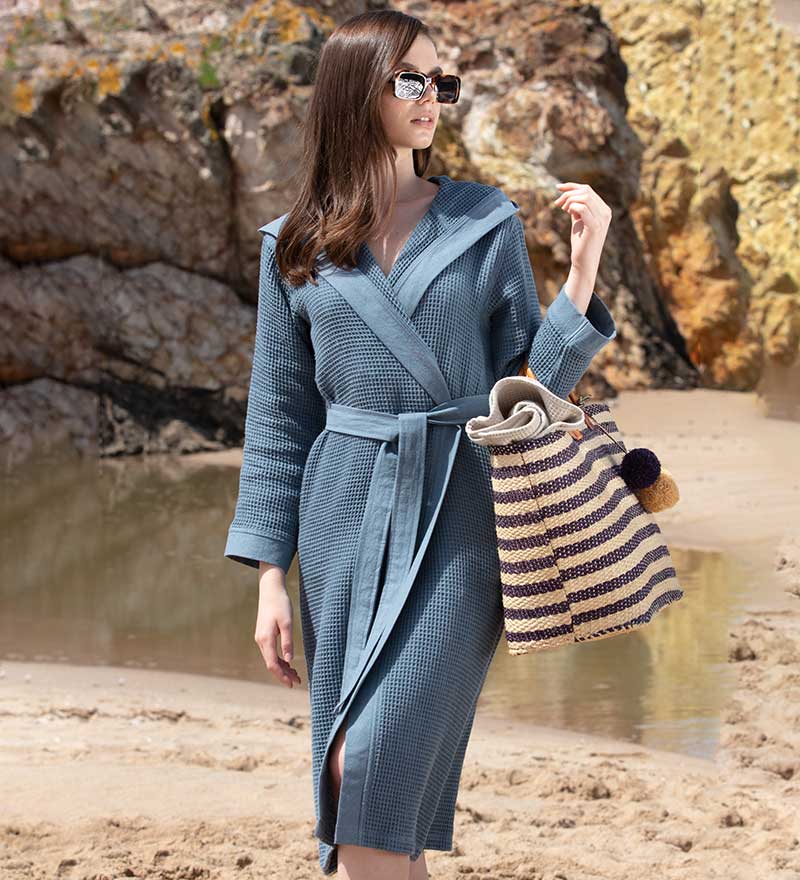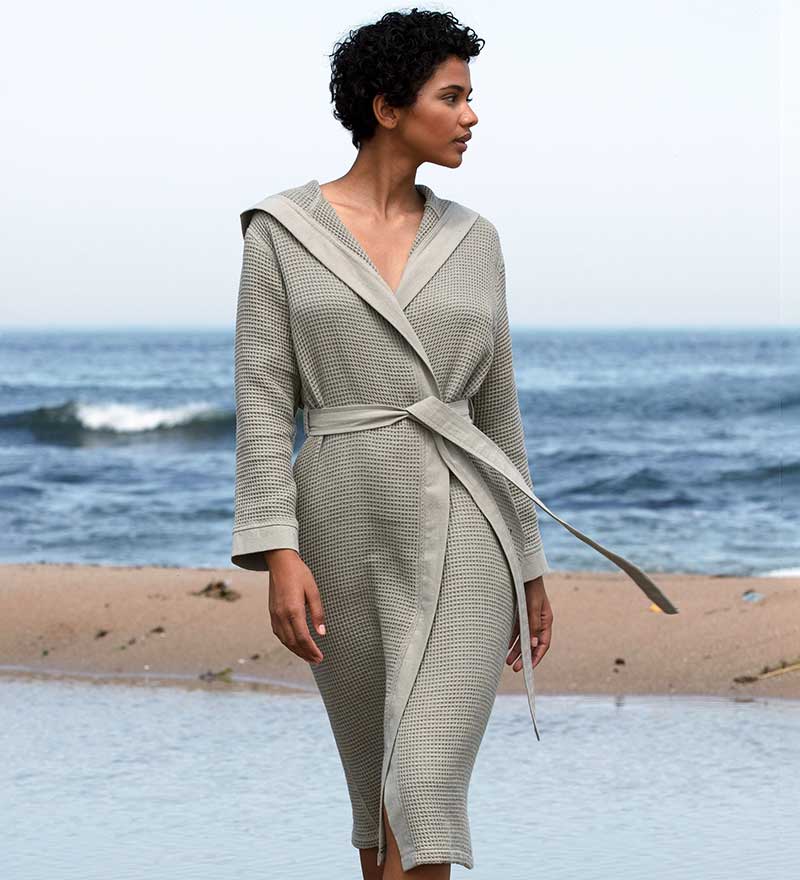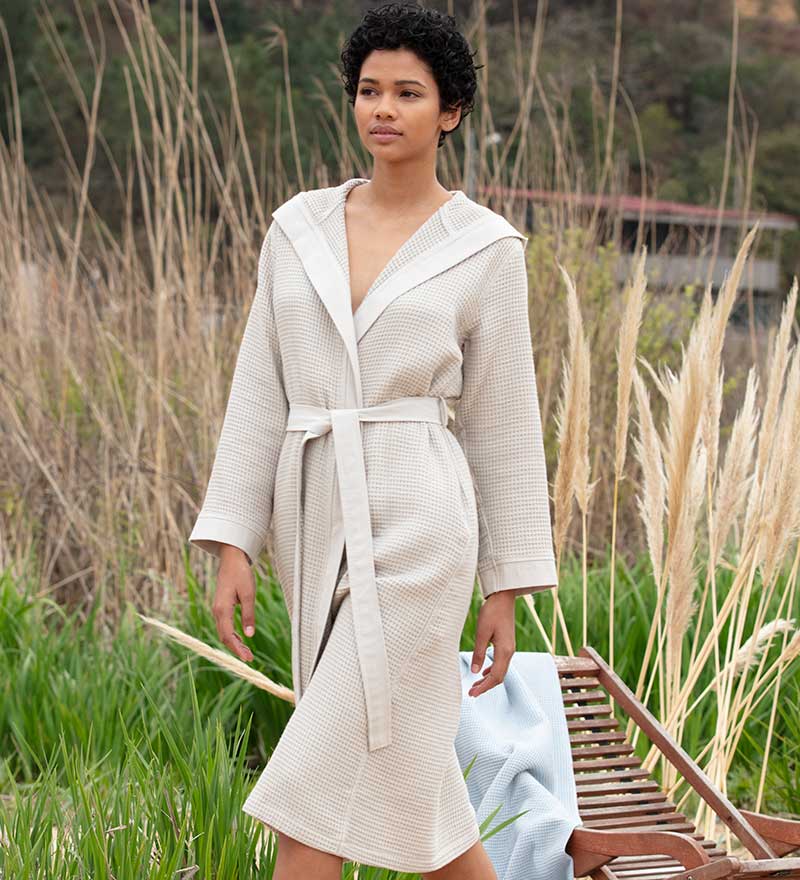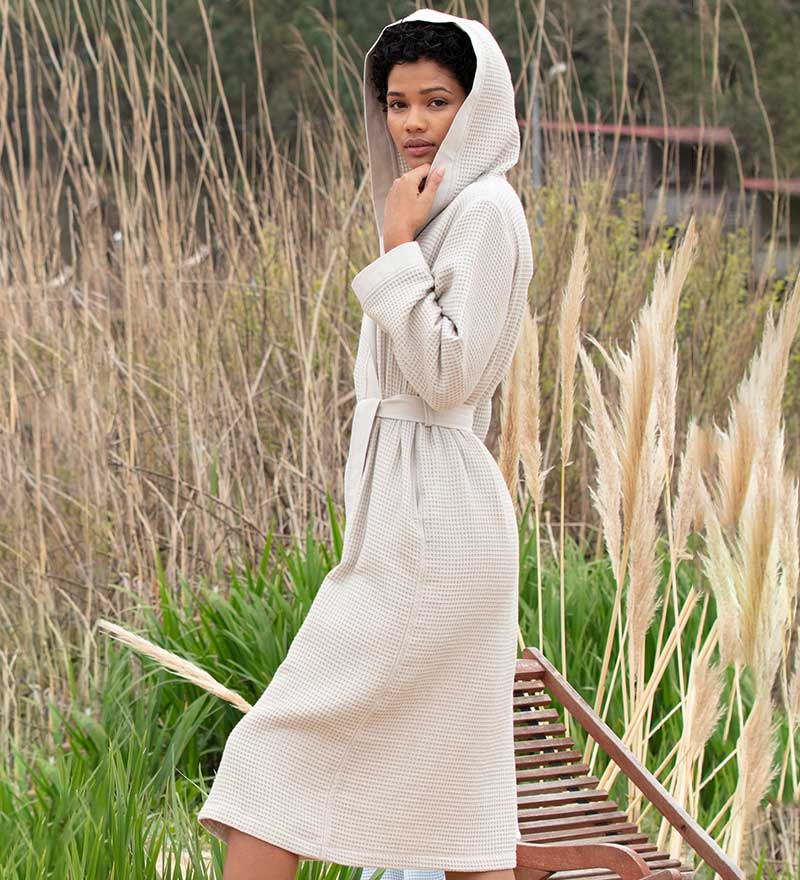



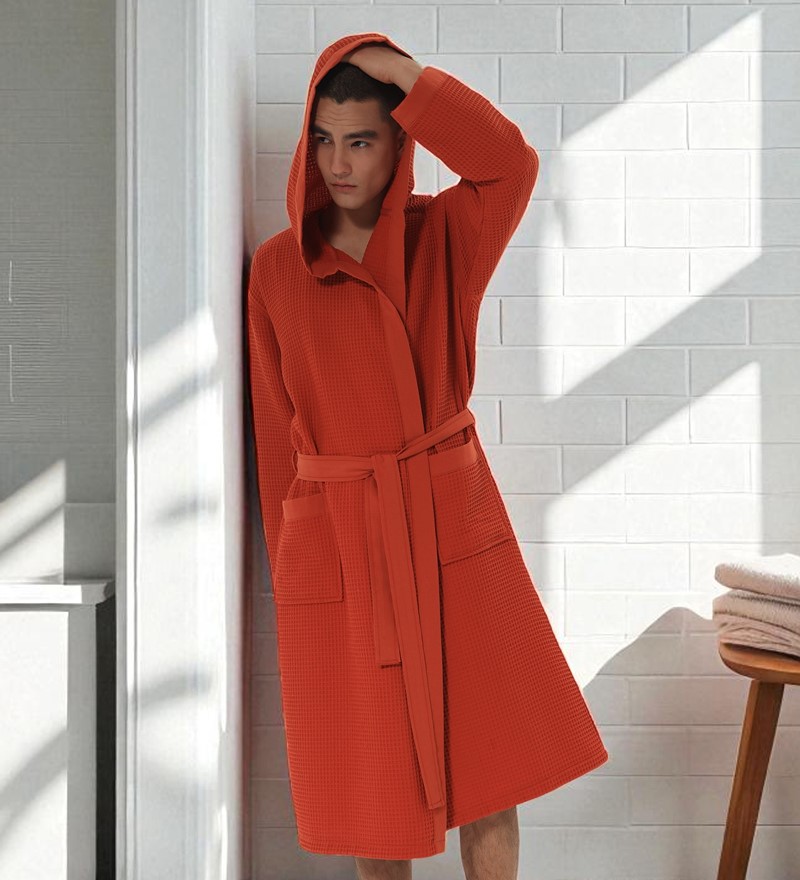
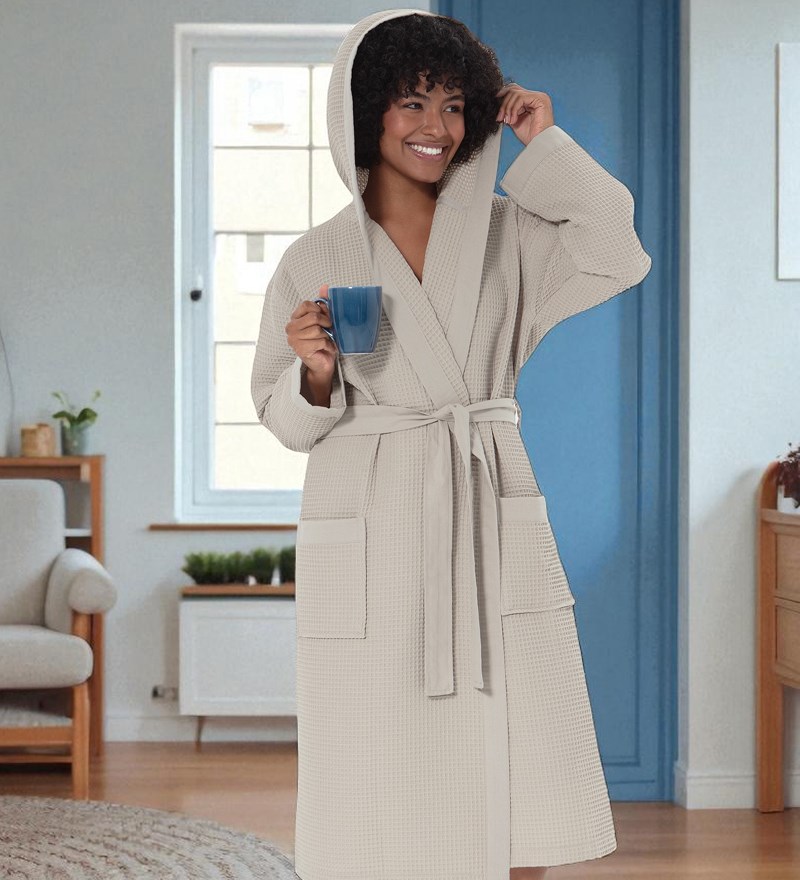
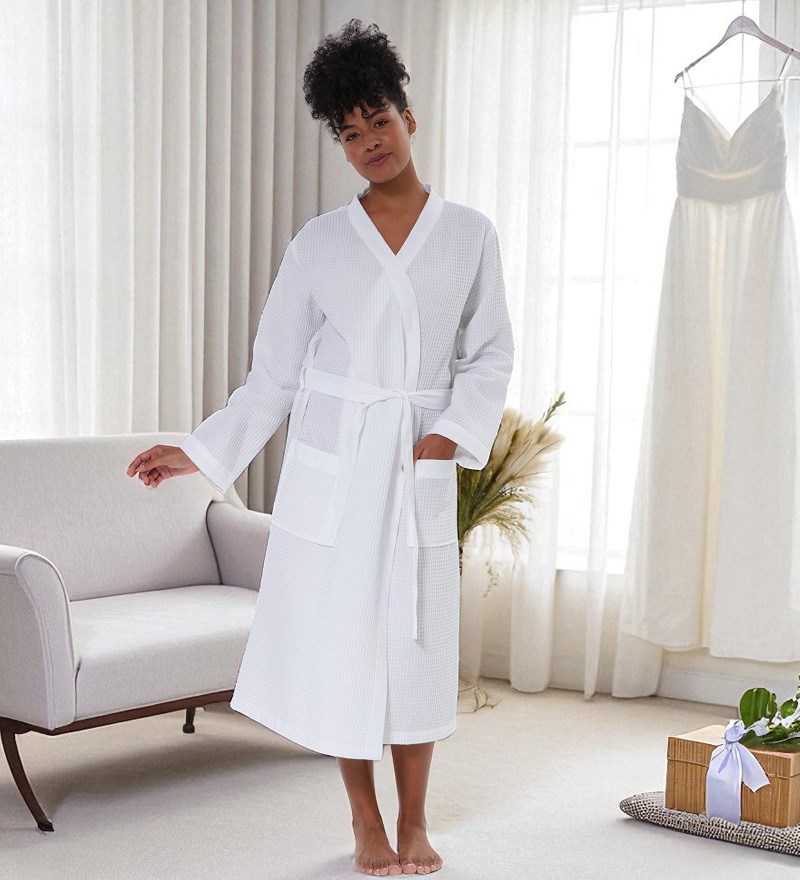
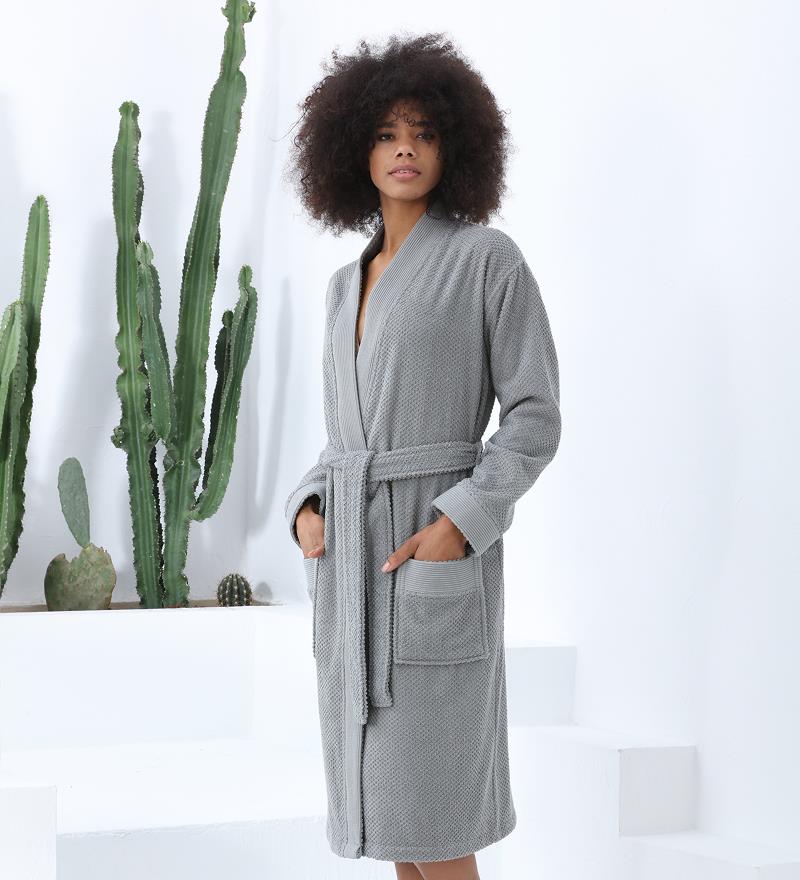
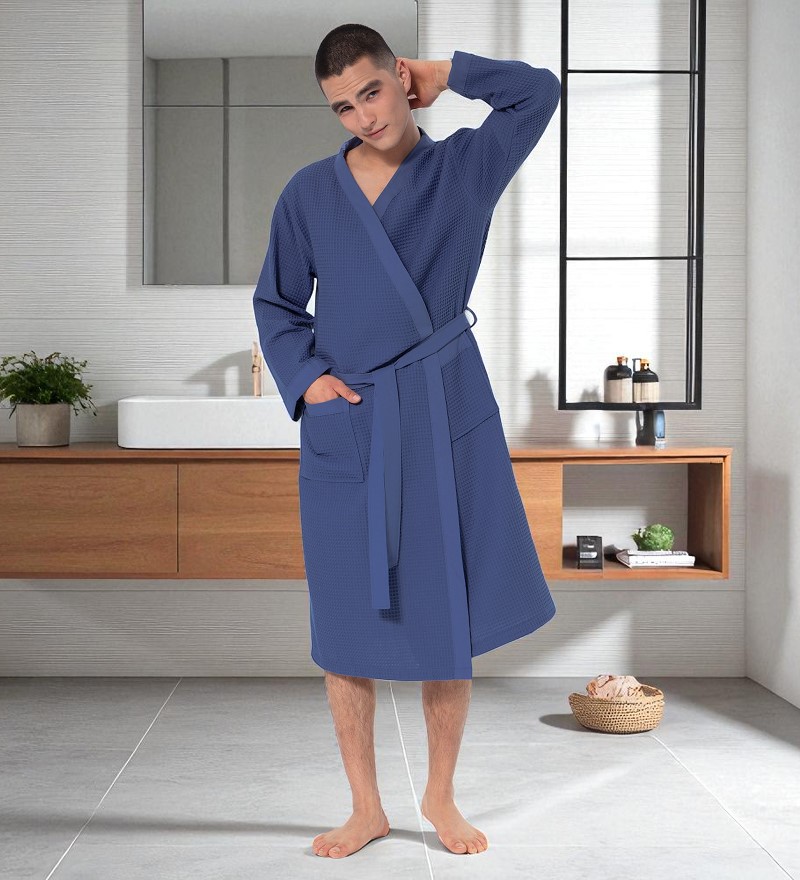
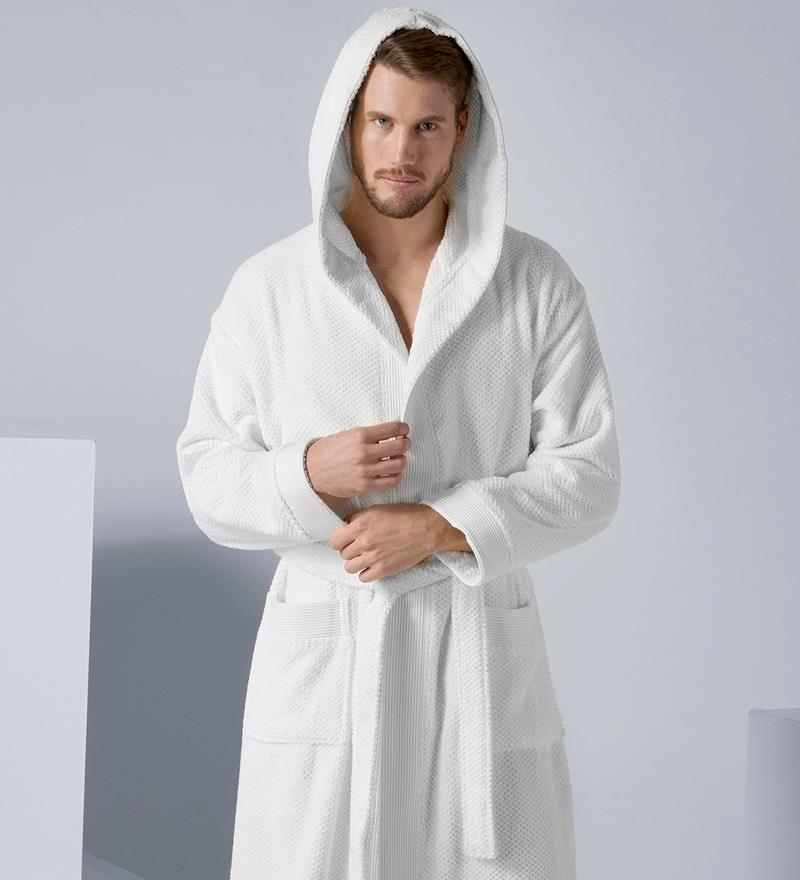


- Waffle Robes
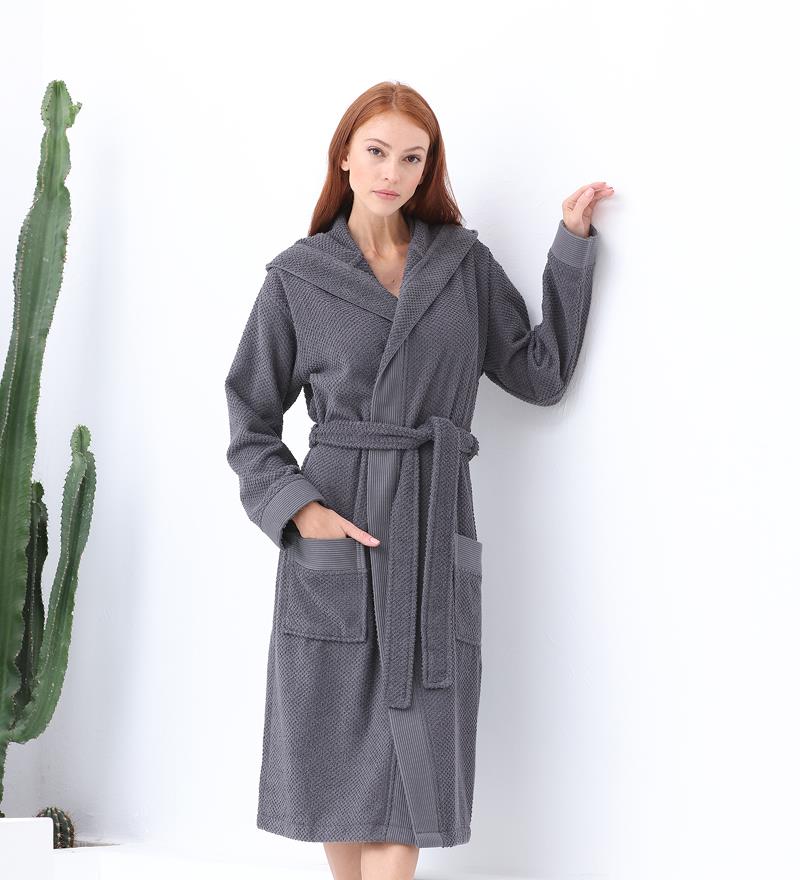
- Terry Cloth Robes
- Microfiber Robes
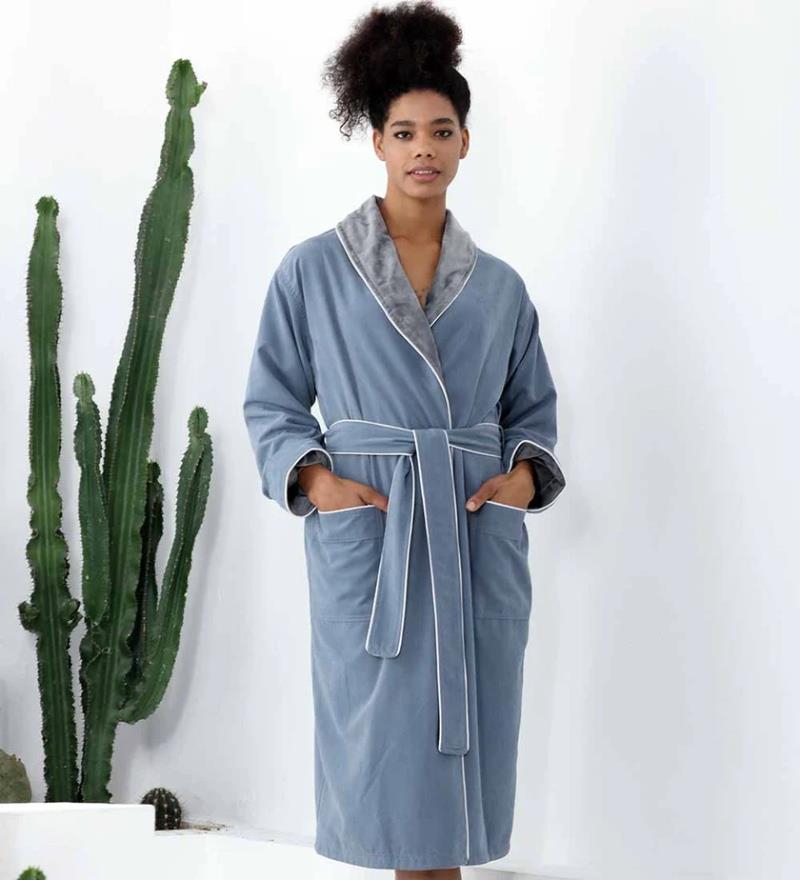
- Turkish Cotton Robes
- Towel Robes
- View All Robes by Material
Hair Turbans for Women Benefits Materials and Styling - Seyante
You've just stepped out of the shower, your hair is dripping down your back, and the large bath towel you've balanced on your head is already sliding toward one ear. You want to begin your skincare routine, get dressed, or make breakfast, but instead you're holding a heavy bundle in place. A hair turban for women offers a simpler option: it gathers damp hair securely, absorbs excess water, and leaves both hands free.
The right turban can also support gentler hair care. Wet strands have reduced tensile strength and a lifted cuticle, so vigorous rubbing can create unnecessary friction and mechanical stress. A turban works best as a compress-and-absorb tool, not as a scrubber. Material, fit, hair texture, and wearing time all affect whether it feels helpful or frustrating.
Hair turbans also have a story beyond bathroom convenience. Women's headwraps have deep roots in sub-Saharan Africa and ancient Egypt, and the practice traveled to the Americas through the trans-Atlantic slave trade in the 17th and 18th centuries. In colonial Louisiana, the 1786 “Edict of Good Government” required Black women to bind their hair in a kerchief called a tignon, turning hair covering into a legally enforced social marker. Over time, that imposed covering became a visible expression of identity and resistance, and headwraps re-emerged as an explicit cultural statement during the civil rights era of the 1960s and 1970s. The radical history of the headwrap provides useful historical context.

Introduction to Hair Turbans for Everyday Self Care
A hair turban is a small change that can make a post-shower routine feel more orderly. Instead of wrestling with a full-size towel, you can wrap your hair once, secure the closure, and move on to moisturizer, clothing, or breakfast. That hands-free quality matters because it reduces the temptation to twist, rub, or repeatedly readjust wet hair.
The difference becomes obvious with long or thick hair. A regular bath towel may feel comforting against the scalp, but its weight can pull backward while the towel slips forward. A shaped turban distributes the fabric around the head and usually uses a button, loop, or similar closure to keep the wrap in place without requiring a tight knot.
A gentler post-shower rhythm
The best routine starts before the turban goes on. Press or squeeze out excess water with your hands, then place the damp hair inside the wrap. You're asking the fabric to draw away moisture gradually, not forcing it to dry the hair instantly.
That distinction helps set realistic expectations. Some people will notice a quicker, neater drying process, while others, especially those with dense curls or low-porosity strands, may still need air-drying time. The value may be less about speed and more about reducing rough towel handling and keeping wet hair contained.
For a broader at-home spa routine using towel wraps and turbans, see this guide to towel wraps for women and hair turbans. It complements the hair-focused approach here by showing how a turban can fit into a calm post-shower ritual.
What this guide helps you decide
You'll learn how a turban differs from a towel or fashion headwrap, why microfiber and cotton behave differently, and how to match fabric to hair type. You'll also get a practical wrapping method, care advice, and guidance for situations where a turban may overlap with cultural or religious head covering.
The goal isn't to promise a miracle. It's to help you choose a textile and routine that treat wet hair with less friction, less pulling, and more intention.
What Hair Turbans Are and How They Work
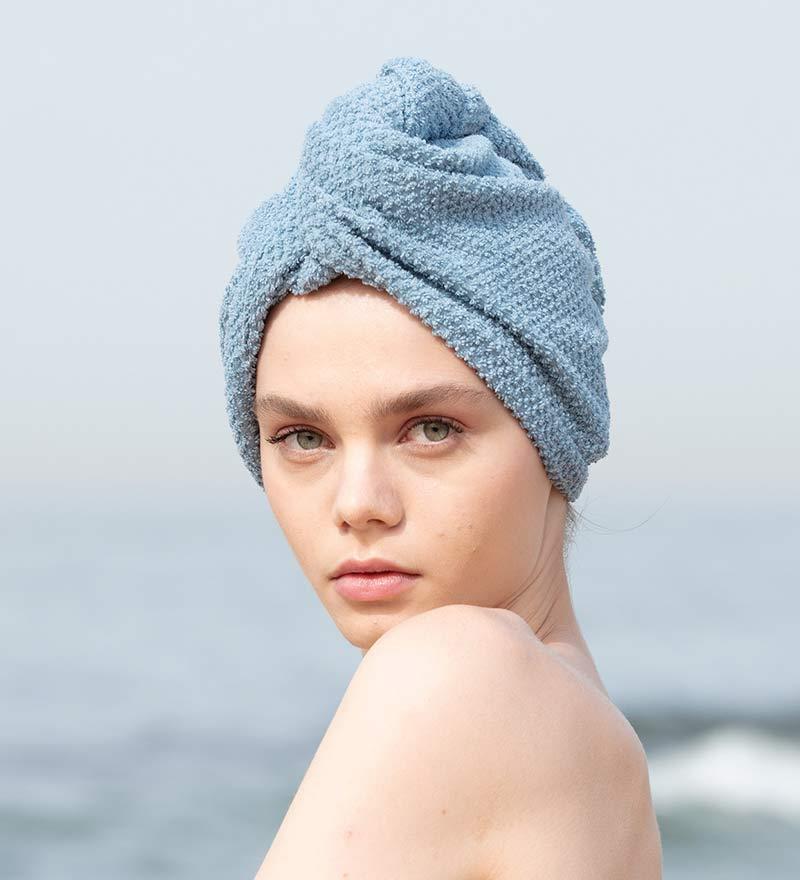
A hair turban is a lightweight, shaped wrap designed to hold damp hair close to the head while the fabric absorbs water. Its tapered form usually follows the shape of the skull, with a wider opening for gathering hair and a narrower end that twists toward the nape. A button or loop then secures the twist.
That construction separates it from a standard bath towel. A towel is a broad rectangle intended to dry the body. You can wrap it around your head, but you'll often need to fold, tuck, or hold it in place. A turban is already shaped for the job, so the fabric stays closer to the hair and creates less bulk.
Compressing is different from rubbing
Think of the difference between pressing a sponge against a spill and scrubbing the spill with a rough brush. Pressing allows the sponge to absorb. Scrubbing adds movement and friction.
A turban should behave like the sponge. You place damp hair into the fabric, gently gather it, and let the textile draw away moisture. Vigorous towel motion, by contrast, increases shear and microcracking in vulnerable wet hair. Gentle blotting and squeezing lower the risk of breakage compared with aggressive rubbing, according to independent expert summaries of hair-drying practice. Guidance on gentle towel drying and hair breakage explains this compressive approach in practical terms.
Turban, headwrap, or fashion accessory
The word “turban” can describe several different objects. A drying turban is functional and usually made from absorbent textile. A headwrap may protect hair from sun, dust, sweat, or environmental exposure, or it may form part of personal style. A fashion turban focuses on appearance, volume, drape, and coverage, and it may not be designed to absorb water.
That difference matters when shopping. A beautifully styled wrap may be comfortable for all-day wear but unsuitable for wet hair. A thick drying turban may absorb well but look too casual or bulky for a finished outfit.
The most useful design features are simple:
- Tapered shape: Helps gather hair without excessive folding.
- Low weight: Reduces the feeling of a heavy towel pulling on the head.
- Button or loop closure: Keeps the wrap secure while leaving your hands free.
- Flexible opening: Accommodates different hair lengths and volumes.
- Smooth inner surface: Limits unnecessary snagging during the early drying stage.
Benefits of Using a Hair Turban for Healthier Hair
A hair turban can support healthier handling, but it won't repair split ends or reverse existing chemical damage. Its main contribution comes from changing what happens immediately after washing, when hair is wet, more delicate, and easier to stretch or snag.
Less friction during the vulnerable stage
Wet hair has reduced tensile strength and a lifted cuticle. That combination means rough towel movements can place stress on the outer surface and on individual strands. A loose turban reduces the need to rub because the fabric stays in contact with the hair while absorbing water.
This is especially relevant for curly, color-treated, fragile, and frizz-prone hair. Curly hair can tangle when it's disturbed repeatedly, while treated hair may already feel less resilient. The turban won't remove every source of frizz, but replacing vigorous rubbing with gentle blotting is a sensible first adjustment.
Practical rule: Put the turban on damp hair, not hair that's still dripping heavily, and let it absorb rather than forcing it to work through friction.
Hands-free drying without constant tension
A secure wrap lets you complete other parts of your routine while your hair begins to dry. You can apply skincare, choose clothes, or tidy the bathroom without holding a towel against your head.
The fit still matters. If the closure is pulled tightly, the turban can create traction around the temples, hairline, or nape. A loose, stable fit is more useful than a firm one. You should be able to move your head comfortably, and the fabric shouldn't leave a deep mark after removal.
Less dependence on immediate heat
A turban can help you remove excess water before air-drying or styling. That may make it easier to delay heat tools until the hair is less wet, although drying time varies by texture, density, porosity, and material. The goal is not to eliminate heat from every routine. It's to avoid rushing from shower to high heat while the hair is saturated.
Evidence on speed is mixed. One review reports that towel drying can remove approximately 45 to 65% more moisture than air drying and may reduce drying time by around 20 minutes, while a separate study involving 12 women with long, straight hair found no significant difference in drying time. These findings support a conditional conclusion, not a universal promise. The evidence summary on towel drying and drying speed notes that hair type, fabric, and technique shape the result.
The strongest reason to use a turban is therefore gentler handling, with speed as a possible secondary benefit. If your hair still takes a long time to dry, that doesn't mean the turban has failed. It may still be reducing rubbing, tangling, and the need to keep wet hair under control.
Comparing Terry Microfiber and Waffle Materials
Fabric choice changes the experience more than many shoppers expect. The same wrap shape can feel plush, sleek, or barely there depending on the textile. Compare absorbency, surface friction, weight, and drying behavior, rather than choosing only by appearance.
| Material | Absorbency and Feel | Friction Level | Best For |
|---|---|---|---|
| Terry cotton | Plush, familiar, and comfortably absorbent | Higher than smoother options | Thick hair, long hair, and spa-style comfort |
| Microfiber | Smooth, lightweight, and efficient at drawing away excess water | Low when the surface is smooth | Fragile, frizz-prone, color-treated, or easily tangled hair |
| Waffle cotton | Lightweight, breathable, and textured | Moderate, depending on the weave | Fine hair, low-porosity hair, and daily use |
Terry cotton for plush comfort
Terry fabric uses loops that create a soft, cushioned feel and hold water effectively. That plushness can feel reassuring after a shower, particularly if you have a lot of hair and prefer a substantial wrap.
The trade-off is surface movement. Loops can create more friction than a smooth microfiber surface, especially if you rub or twist the hair inside the turban. Terry can still work well when you blot first, wrap gently, and avoid dragging the fabric across the strands.
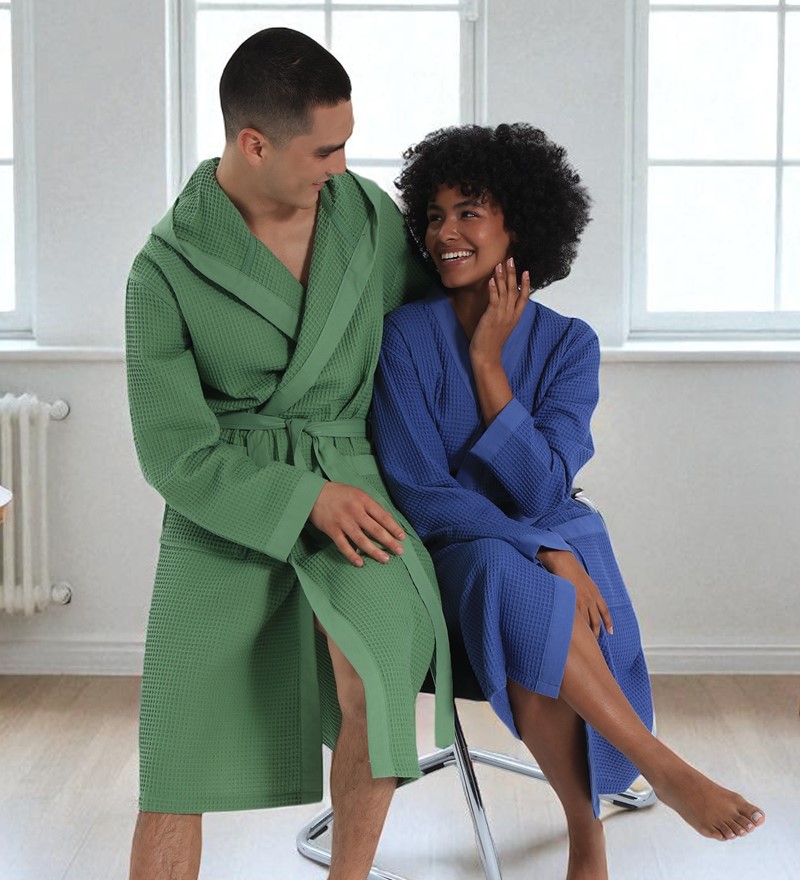
For readers also comparing bath textiles, this guide to waffle and terry cloth robes offers useful context on how looped and textured weaves feel in everyday use. A separate hair-care guide from Skin Perfection can also complement your textile decision with broader routine considerations.
Microfiber for low-friction drying
Microfiber is often chosen for its smooth hand feel and light weight. Comparative hair-drying research found that microfiber-dried hair preserved more mechanical resistance than cotton terry under wet-contact conditions. One study reported 45% resistance to mechanical wear with microfiber, compared with 17% with cotton towels and 10% with blow-drying. This material comparison on drying hair without causing damage summarizes the findings and supports using microfiber during the early post-wash phase.
That doesn't mean microfiber suits everyone automatically. Some people prefer natural fibers, and the finish can vary between products. Look for a smooth surface, a comfortable fit, and a closure that doesn't require tight twisting.
Waffle cotton for lightness and breathability
Waffle cotton has a raised grid texture that feels lighter and more breathable than dense terry. It can be a practical option if you dislike a heavy wrap or want something suitable for frequent use.
Its absorbency depends on the weave and fabric weight, so it may not feel as fast or plush as terry when hair is very wet. For fine or low-porosity hair, though, a lightweight waffle turban may provide enough moisture removal without making the head feel enclosed.
How to Use and Style Your Hair Turban Correctly
Technique determines whether a turban feels protective or irritating. Start with damp, gathered hair and use the fabric to hold it, not to force it into a twist.
The five-step wrap
Blot first. After rinsing, use your hands to gently squeeze out excess water. Don't wring the hair, scrub the scalp, or twist the lengths tightly.
Flip forward. Bend at the waist and let the hair fall toward your face. Gather the lengths so they're centered rather than bunched heavily on one side.
Place the opening. Bring the wide part of the turban over the back of your head and around the hair. Keep the hairline comfortable, with no sharp pulling at the temples.
Twist and secure. Twist the fabric around the hair once, using only enough tension to contain the bundle. Bring the twist back toward the nape and fasten the button or loop.
Check the fit. Lift your head and gently reposition the wrap. It should stay put without pressing hard against the scalp. Unwrap when the hair is damp rather than waiting for it to become completely dry.
A short wearing period is usually enough for the first absorption stage. The instructional routine represented in the visual uses 15 to 20 minutes before unwrapping, but your hair's density and texture should guide the final decision.
Compress, don't rub. If the hair needs more water removed, press the turban lightly against the bundle after securing it. Don't rub the fabric back and forth.
Adjustments for different hair lengths
Short hair may not need a full twist. Place the opening securely, gather the hair without forcing it toward the crown, and use the closure to keep the fabric stable.
Long or thick hair benefits from centering the bundle before twisting. If the turban feels crowded, choose a larger shape rather than tightening the closure. Curly hair should be gathered with minimal disturbance, then released carefully so the curl pattern can settle while the hair finishes drying.
You can also treat a dry turban as a casual head covering during a relaxed morning, but its styling role depends on the design and fabric. For decorative party or event headwear ideas, browse these hen party accessories from Hen Hideaways. A drying turban, however, shouldn't be mistaken for a fashion or religious covering.
Common mistakes and quick fixes
- Too tight: Loosen the twist and move the closure lower.
- Too much water: Blot before wrapping so the fabric isn't overloaded.
- Rubbing inside the wrap: Remove the turban, smooth the hair, and replace it gently.
- Leaving it on indefinitely: Unwrap when the hair is damp and continue with your usual styling method.
- Uneven weight: Recenter the hair so one side isn't pulling against the neck.
Care Instructions to Keep Your Turban Soft and Effective
A clean turban performs better because residue can affect how the fibers absorb water. Hair oils, conditioner, styling products, and detergent buildup may make the surface feel less absorbent over time.
A simple care checklist
- Wash according to the label: Use the warmest setting the care instructions allow, rather than assuming every fabric can tolerate high heat.
- Choose a mild detergent: Strong residue can coat the fibers and change their hand feel.
- Skip fabric softener: Softener can leave a film that reduces absorbency, especially in cotton textiles.
- Dry gently: Air-drying or a suitable low-heat setting helps protect shape, texture, and elasticity.
- Wash regularly: Clean the turban whenever it has noticeable product buildup, odor, or a damp stored smell.
- Inspect the closure: Replace or repair the turban if the button, loop, or stitching no longer holds securely.
Microfiber benefits from care that keeps its surface smooth. Waffle fabric should be dried in a way that lets its texture recover rather than flattening it under heavy heat. Cotton terry may tolerate more handling, but gentle washing still helps preserve its loops and absorbency.
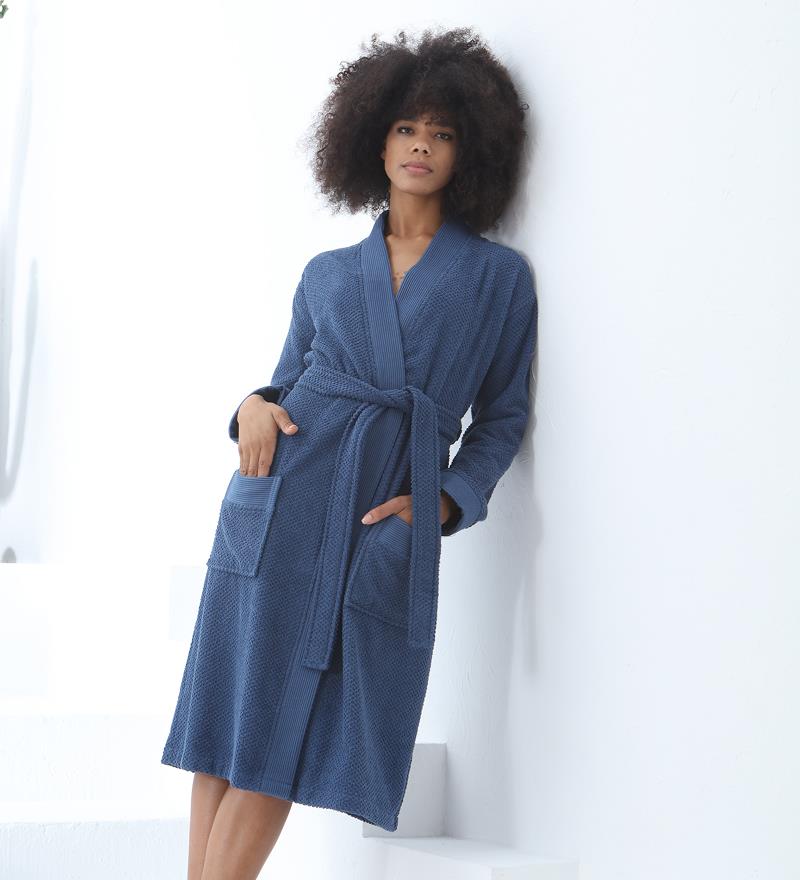
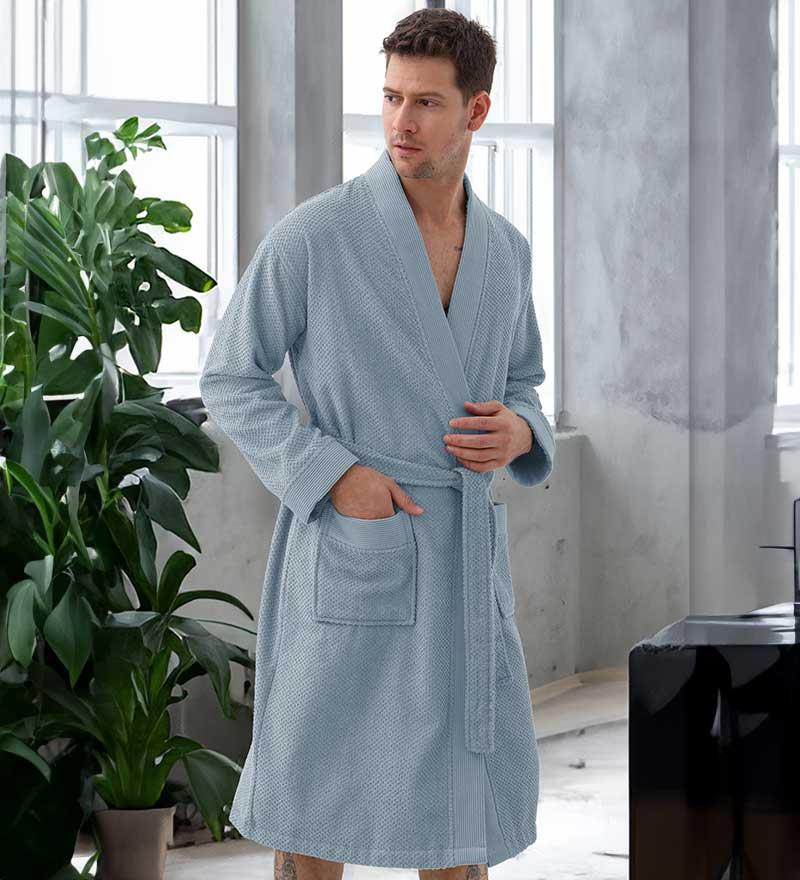
If you're building a coordinated bath routine, this collection of terry cloth robes illustrates why fabric maintenance matters across post-shower textiles. A turban that has lost its stretch or stays wet long after washing may no longer provide a comfortable, hygienic fit.
How to Choose the Right Hair Turban for Your Hair Type
Start with your hair's behavior, then consider the routine you want to build. A person with fine, low-porosity hair may prefer a lightweight waffle weave that doesn't feel bulky. Someone with frizz-prone, color-treated, or fragile hair may prioritize a smooth microfiber surface and a gentle closure.
Thick or long hair often needs room more than compression. A plush cotton terry turban can feel comfortable when the extra absorbency and substantial texture are welcome, but it should still be used without rubbing. If your hair tangles easily, a smoother textile may make removal simpler.
Your practical buying filter
- Match the fabric to the problem: Choose low friction for fragile or easily tangled strands, lightness for fine hair, and plush absorbency for dense hair.
- Check the opening: It should gather your hair without forcing the hairline backward.
- Assess the closure: A button or loop should secure the turban with gentle tension.
- Consider drying conditions: Breathable waffle may feel more comfortable for regular use, while denser materials can feel warmer and heavier.
- Look for textile standards: If organic production matters to you, check whether the product carries a certification such as GOTS, rather than relying only on broad sustainability language.
- Think about the whole day: A post-shower drying turban isn't automatically suitable for outdoor wear, formal styling, religious practice, or all-day coverage.
Cultural and religious context deserves care. Headwraps have been used for practical protection, identity, modesty, and religious expression, so a commercial spa turban shouldn't be treated as a universal substitute for a community-specific covering. For example, independent guidance on Shafi'i practice explains that wiping only over a turban may not satisfy ablution requirements for some Muslim women. Sikh women may choose to wear a turban as part of religious identity and head covering, as described by the Sikh Coalition. These uses aren't interchangeable with a towel wrap.
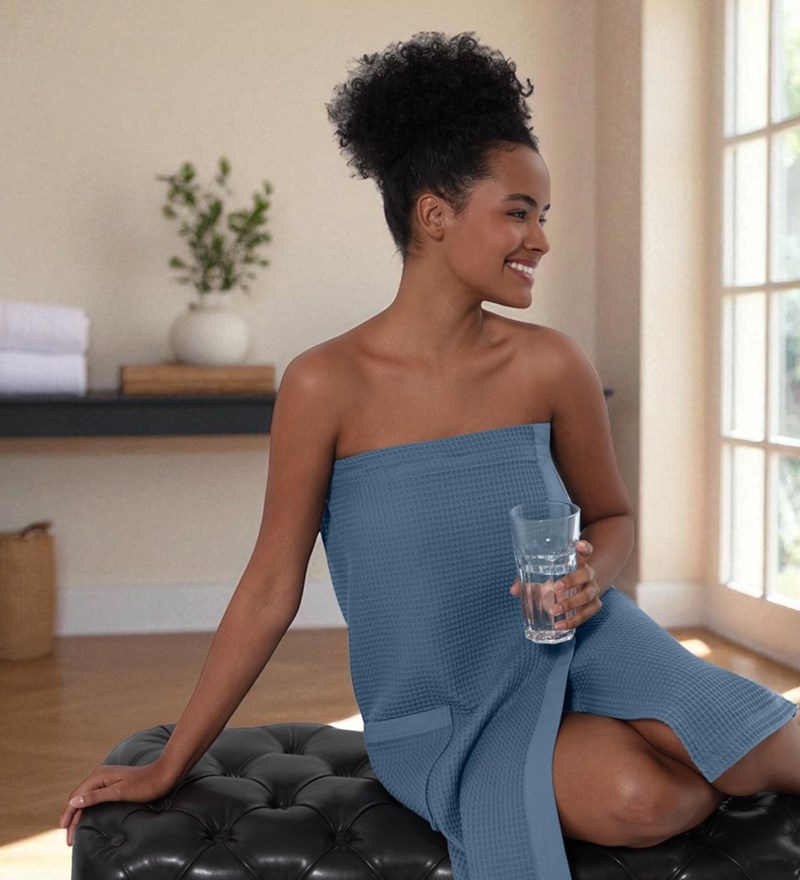
A lightweight organic cotton waffle towel wrap from SEYANTE can be one option for readers who value breathable texture and a secure post-shower design. Choose it for the qualities that fit your hair and routine, not because one material can serve every person.
SEYANTE offers waffle and terry bath textiles, including hair turbans and towel wraps designed for everyday self-care. Visit SEYANTE to compare materials and choose a wrap that lets you handle wet hair more gently.
Related Posts


Featured Products
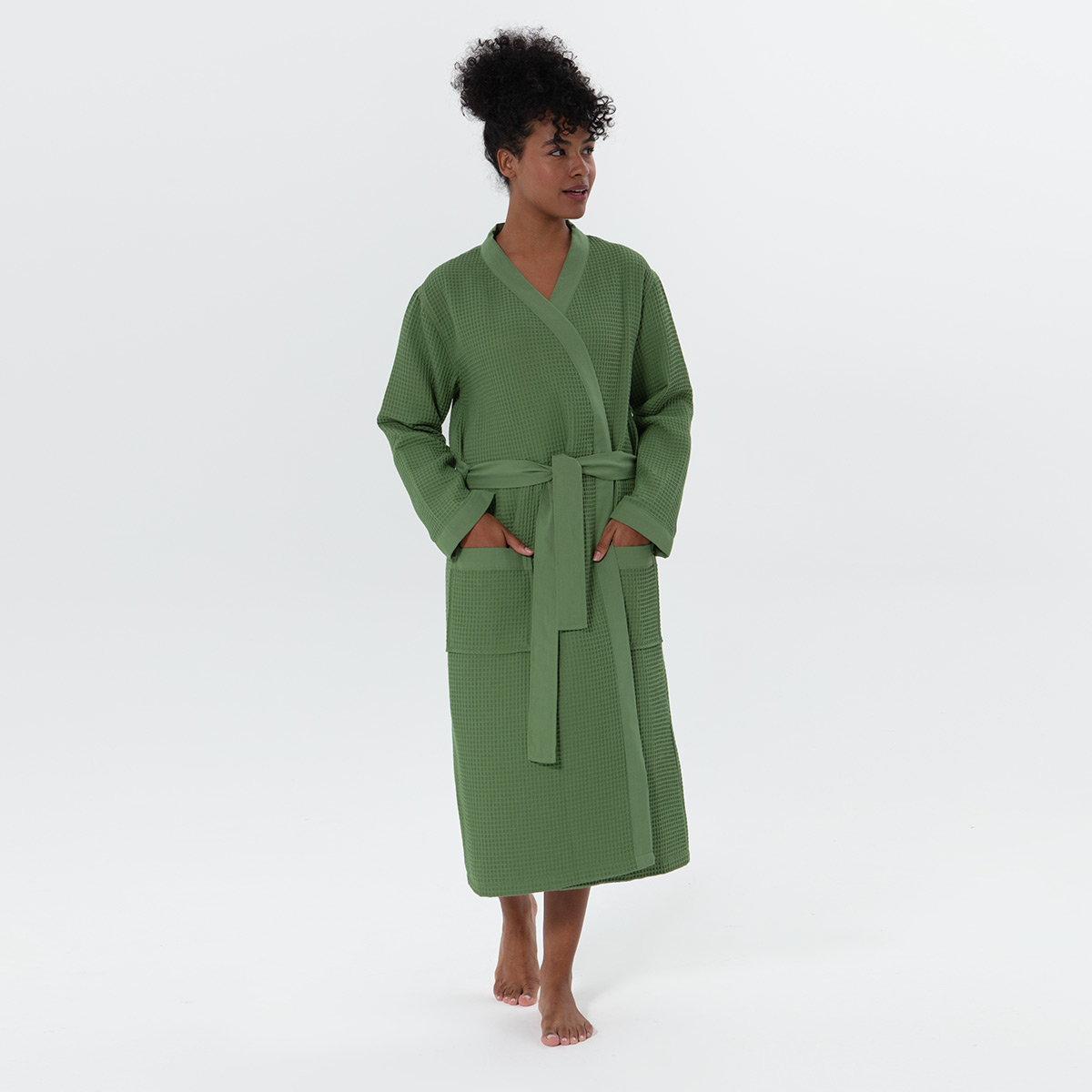

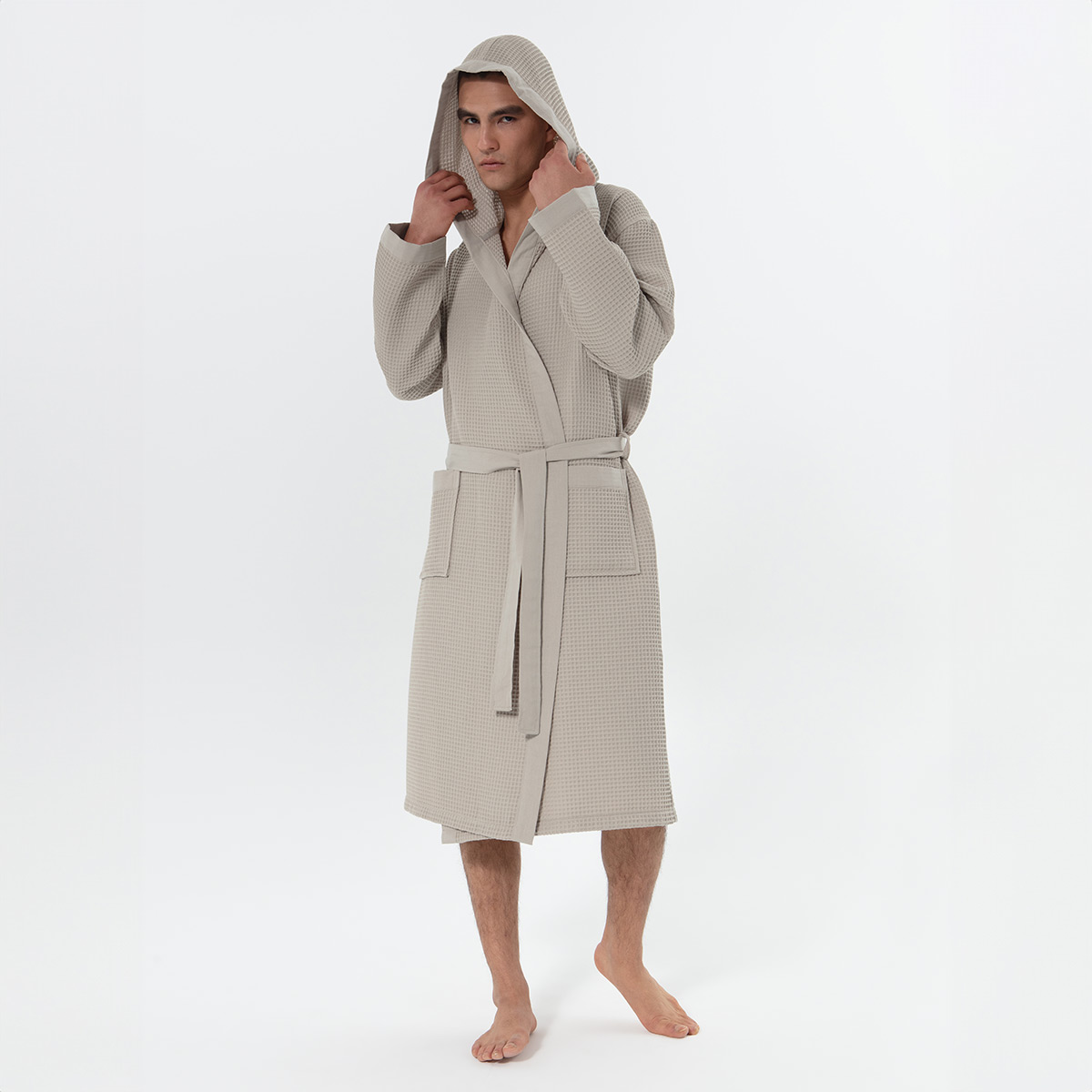

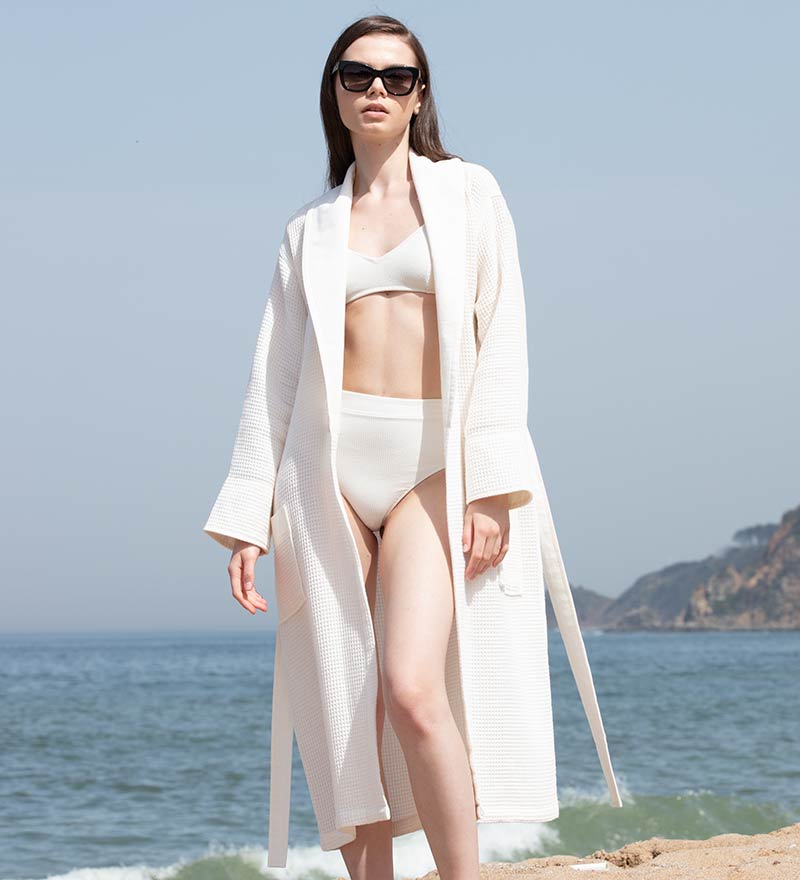
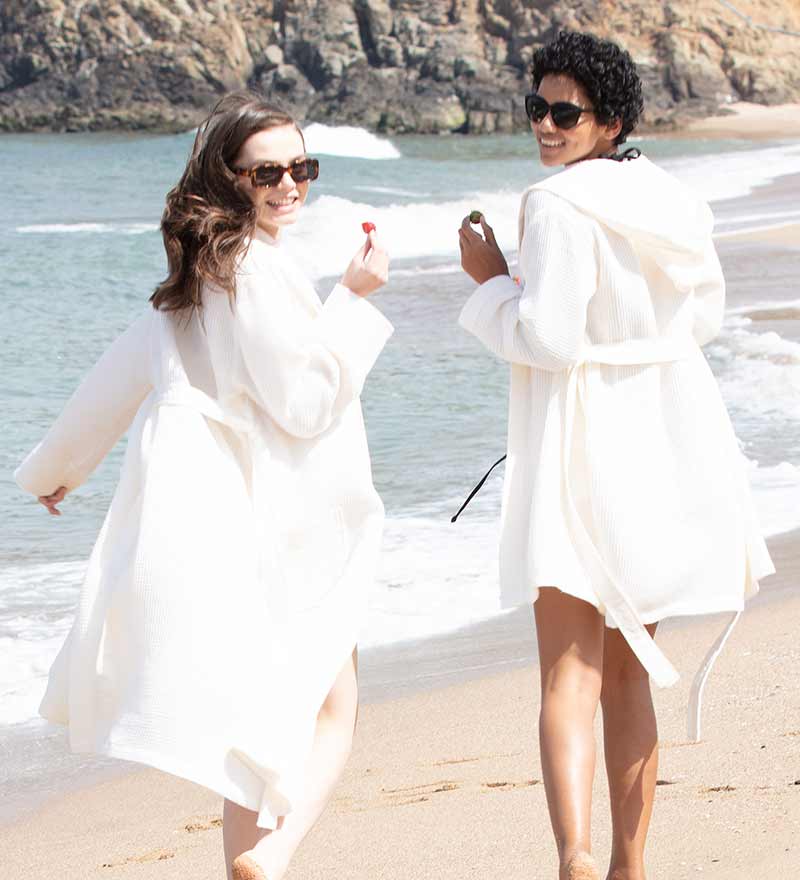
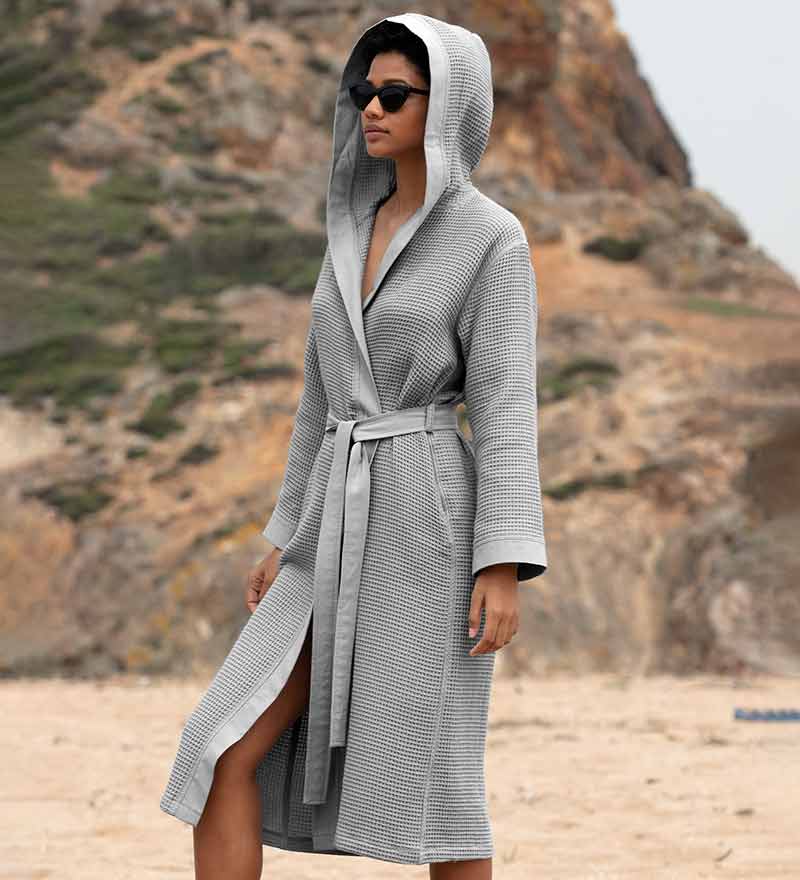

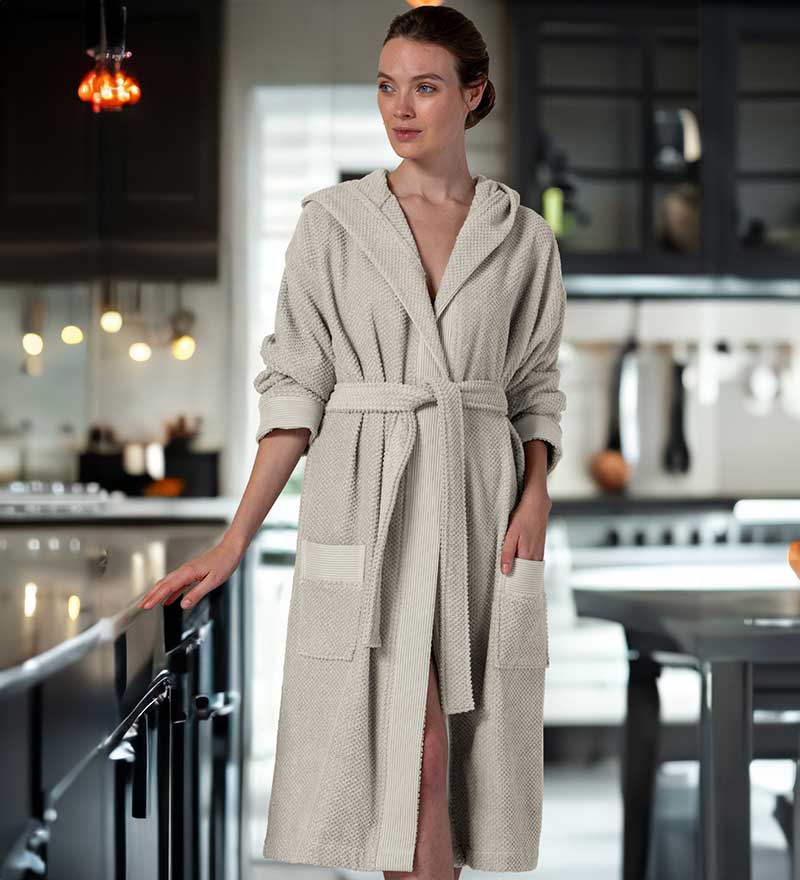

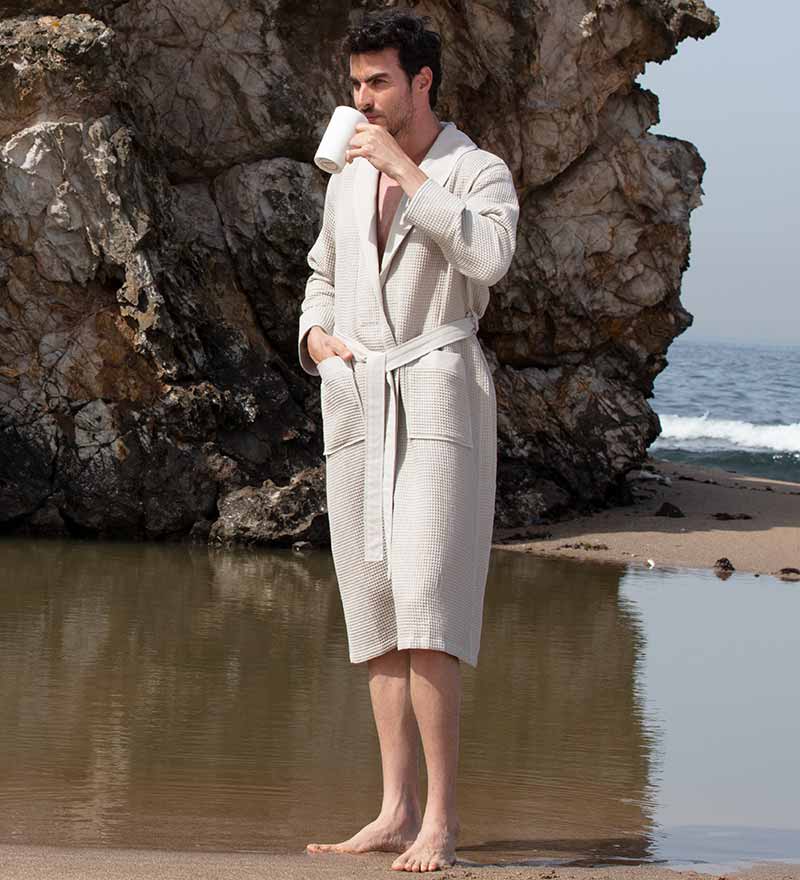

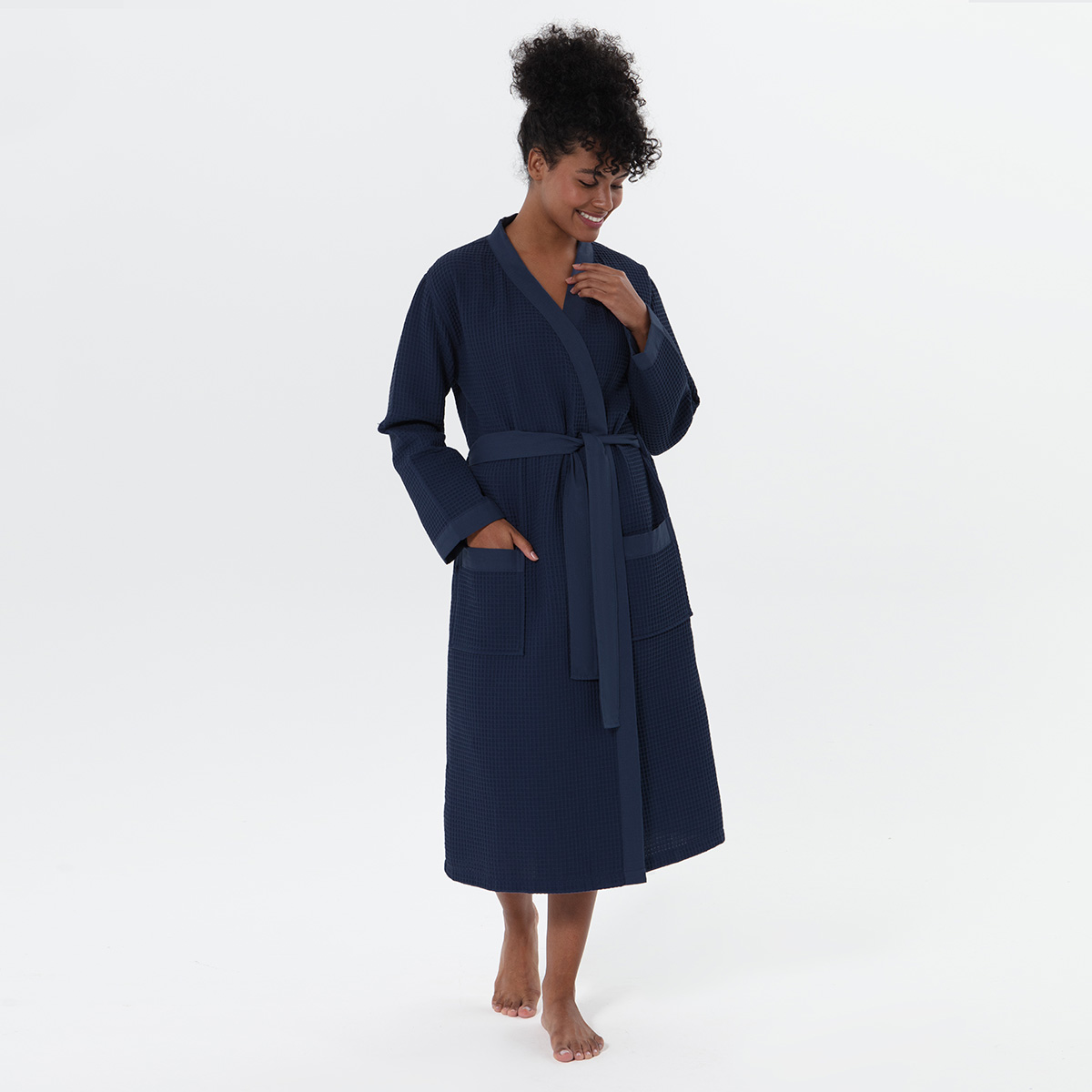

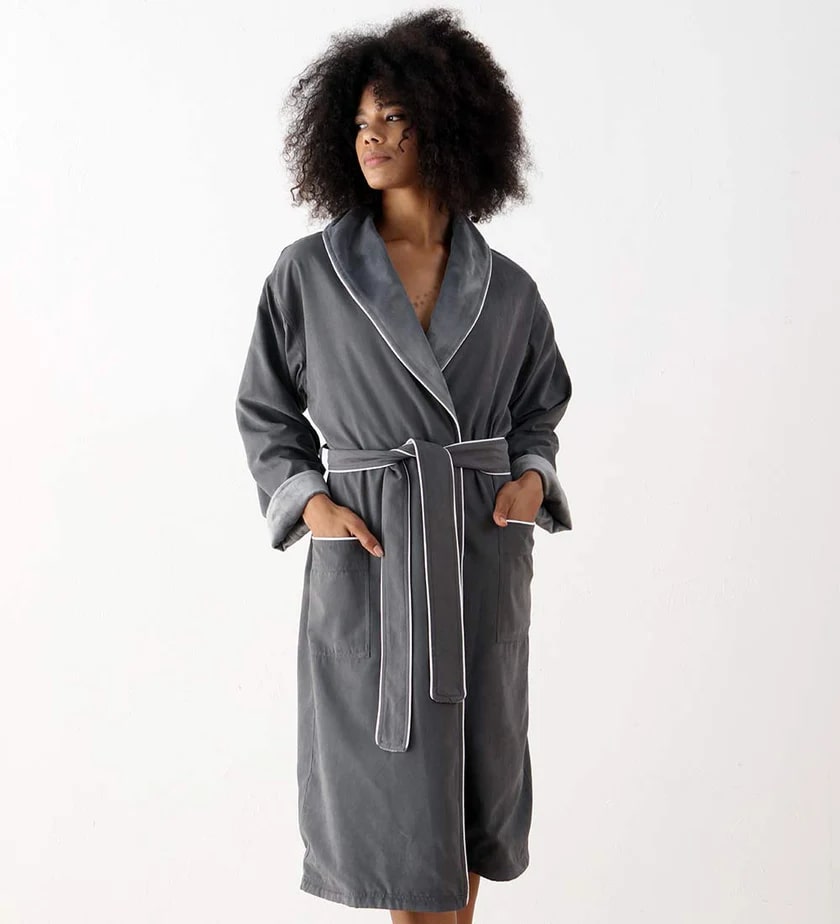


Offering high-quality bathrobes for both women and men with GOTS certification
Our commitment to excellence is reflected in our use of the Global Organic Textile Standard (GOTS) certification for our products. GOTS is a benchmark for organic textiles, ensuring environmentally friendly and socially responsible manufacturing processes.





FREE STANDART DELIVERY
STRESS-FREE SHOPPING
ONLINE CUSTOMER SERVICE