



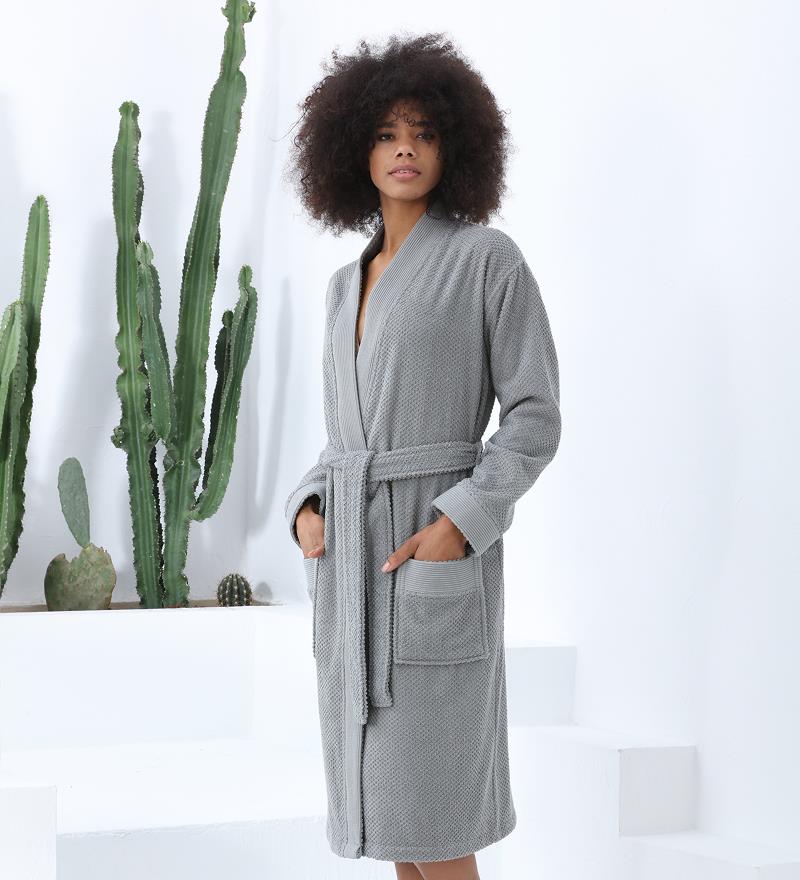
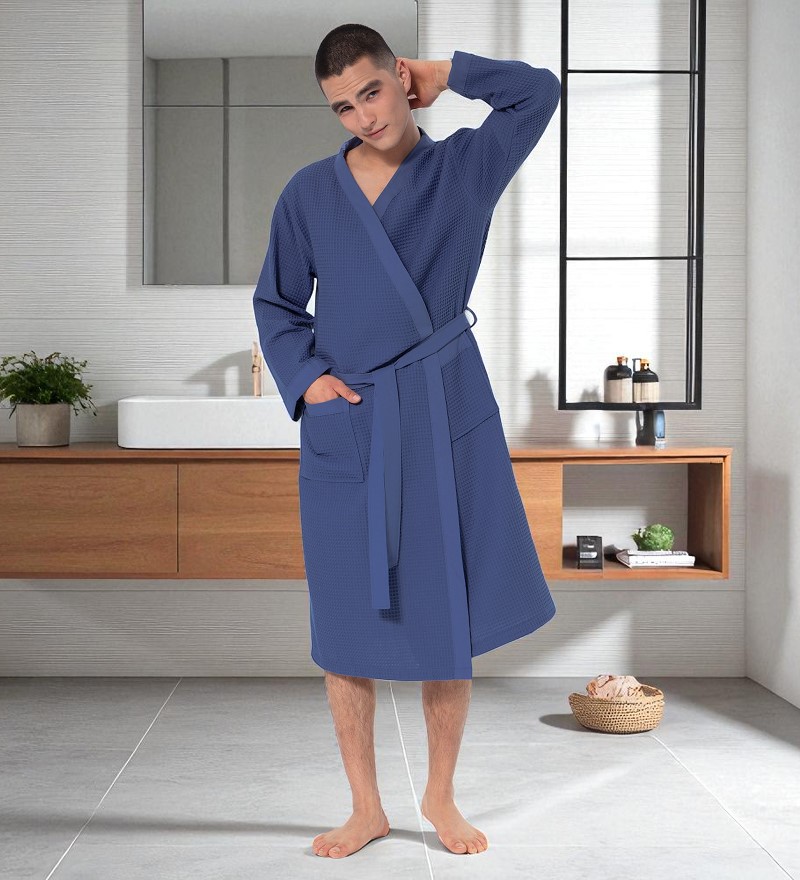
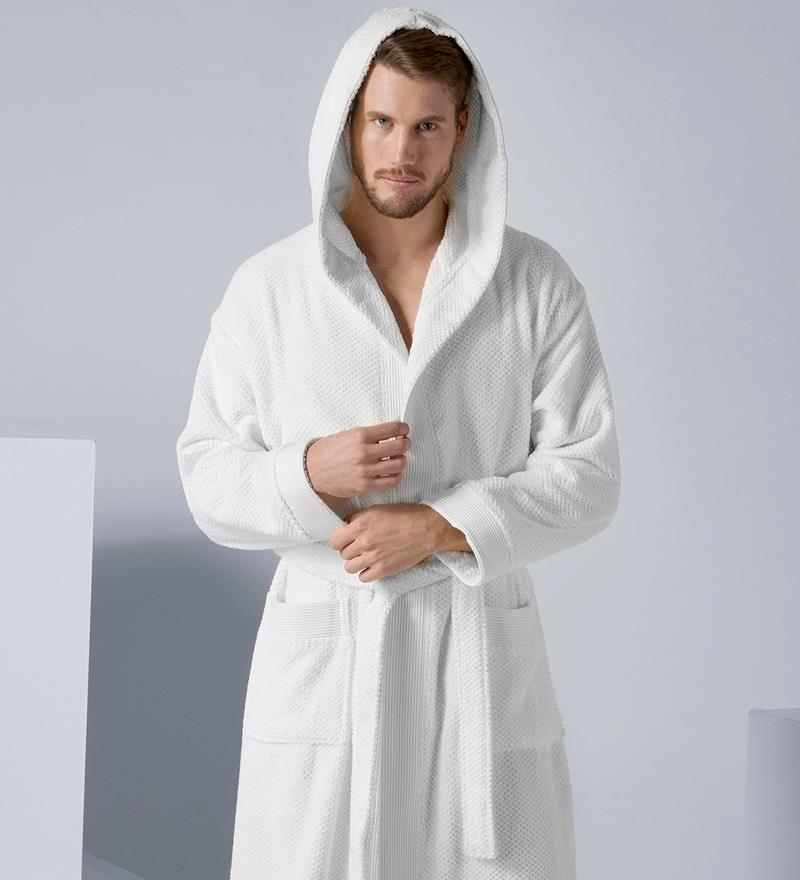
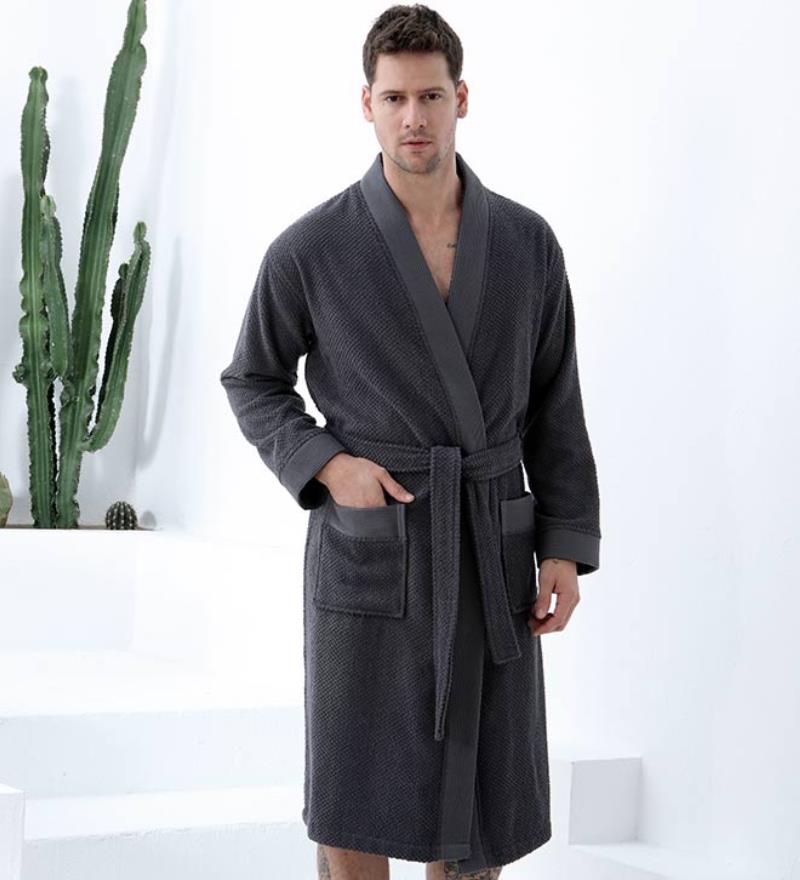


- Waffle Robes
- Terry Cloth Robes
- Microfiber Robes
- Turkish Cotton Robes
- Towel Robes
- View All Robes by Material

Hair Turban Tutorial for Every Hair Length - Seyante
You've just stepped out of the shower, and your hair is dripping down your back while your shoulders collect the runoff. The nearest bath towel is within reach, so you grab it, rub once or twice, and twist your hair into whatever shape stays put. A few minutes later, your roots are flattened, your ends are still wet, and your waves have lost their pattern.
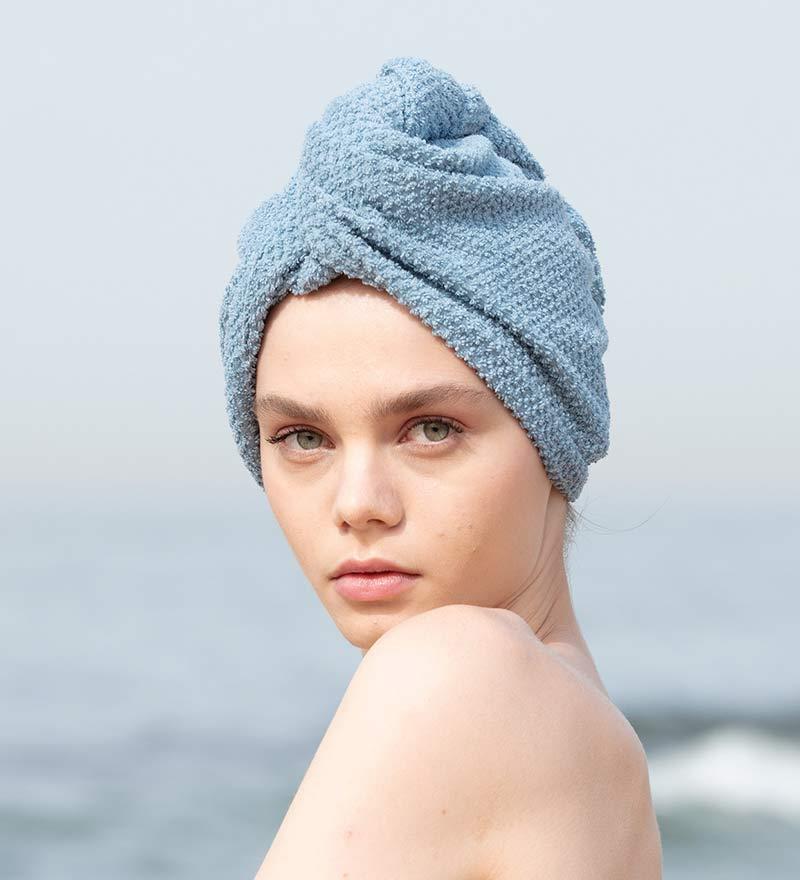
A hair turban tutorial helps replace that rushed habit with a controlled drying step. The right fabric, tension, and wrap shape can remove moisture without grinding hair between rough loops or pulling at the hairline. The key is matching the method to your hair length, density, and curl pattern, rather than expecting one generic twist to suit everyone.
Why a Hair Turban Tutorial Belongs in Your Routine
A hair turban isn't just a towel placed on your head. It's a way to hold damp hair in a stable position while fabric absorbs water, leaving you free to dress, moisturize, or begin the rest of your routine. Historical overviews trace turbans to Mesopotamian sculpture dating to about 2350 BC, and describe their later associations with royalty, spirituality, dignity, self-respect, and courage. They also note that turbans protected wearers from the elements, which gives modern hair wraps a long functional and cultural background rather than making them a passing styling novelty. Read the historical overview of turbans

A deliberate wrap can shorten the rough-drying stage, reduce the need for vigorous rubbing, and make later air-drying or heat styling easier. It may also help limit friction-related frizz, especially when you choose a smooth microfiber or T-shirt fabric and keep the wrap comfortably loose. The effect depends on your hair and materials. Independent summaries of towel-drying research report mixed outcomes across hair types and towel techniques, so treat the turban as a short absorption step, not a guarantee of identical drying performance for everyone. Review the discussion of towel-drying performance
Why one wrap can't serve every head
Long, thick hair needs enough fabric to contain the ends. Short hair can slip inside an oversized towel or acquire a visible crown crease. Curly hair needs a wrap that preserves clumps, while fine hair can lose volume if it stays compressed too long.
The wrong setup creates familiar problems:
- Too much tension: A tight twist can pull around the temples and disturb the hairline.
- Too little coverage: Exposed ends drip onto your collar and stay wetter than the roots.
- Too much time: Damp hair remains compressed after the useful absorption stage has ended.
- Wrong texture: Rough towel loops can catch strands and encourage frizz during handling.
This guide gives you four practical choices: the classic wrap for medium-length straight hair, an adjusted version for long, thick, or curly hair, a micro-wrap for short hair, and a T-shirt plop for waves. You can also use the broader towel-wrap and hair-turban spa routine guide for a relaxing home setup, but your best method still comes from observing how your own hair behaves after washing.
The Classic Wrap Step by Step
Start with hair that's damp, not pouring. After rinsing, use both hands to gently squeeze water from the lengths, moving from near the roots toward the ends. Then blot with a clean, dry microfiber wrap or thin towel until the dripping slows. Guidance on towel turban technique also recommends fabric long enough to cover the hair and extend beyond the shoulders, with microfiber or T-shirt material generally easier to stabilize than thick terry. See the practical towel-turban method

Set the towel before you twist
Flip forward carefully. Bend at the waist and let your hair fall toward the floor. Keep your neck relaxed rather than sharply folding your head.
Place the towel at the nape. Hold the middle of the towel with both hands and position it across the back of your neck. The long edges should run beside your ears, with the two ends hanging evenly in front of your shoulders.
Guide the hair into the center. Use your fingertips to gather the lengths into the middle of the towel. Don't rake through curls or pull the hair into a tight bundle. Straight or lightly wavy hair can rest inside the fabric.
Bring the sides forward. Place one hand on each side of the towel near your temples. Lift the fabric and bring both sides forward so the towel covers the back, sides, and top of your head.
Twist backward from the forehead. Join the two towel ends above your forehead. Twist them together in a backward direction, moving away from your face toward the crown. Use one hand to hold the base of the twist against your forehead while the other hand turns the fabric.
Lift the twist over the crown. Once the twist reaches the top of your head, guide its base backward. The twist should hug the crown, not dig into it.
Lock the tail at the nape. Reach behind your head, find the remaining tail, and tuck it downward into the towel band at the nape. If your wrap has a button or loop, secure the tail there instead.
Comfort check: The turban should feel stable without pulling. If you feel temple pressure, a tight forehead crease, or a tug at the roots, unwrap it and reduce the twist.
Fix the three beginner errors
Twisting upward instead of backward often leaves the towel sitting high and unstable. Twisting too tightly creates tension without improving absorption. Leaving the ends outside the wrap lets water travel down your neck and can make the turban loosen as you move.
Before you walk away, check four points: your scalp is covered, the ends are inside, the wrap doesn't press your temples, and the band isn't leaving a deep forehead mark. If one part feels wrong, adjust it immediately. A comfortable wrap is easier to wear briefly and more likely to dry hair evenly.
Adapting the Wrap for Long, Thick, and Curly Hair
Long, dense, or curly hair may fit the classic wrap, but the same tight twist can create too much weight and pressure. Before covering it, squeeze out water in sections with your hands. Very thick hair may need another gentle squeeze, since a saturated towel loses its shape and begins to slide.
Choose a long bath sheet or elongated microfiber wrap when your hair falls well past the shoulders. Extra length lets the towel hold the ends without compressing them into a heavy rope. If the ends escape, guide them back inside and adjust the fabric. Tightening the twist only adds tension.
Three changes from the classic method
- Use more towel length. Extra fabric keeps long ends enclosed and helps prevent water from collecting at the neck.
- Make the twist looser. Curly hair usually retains more definition when the towel follows the natural curl clumps. Repeated, firm twisting can stretch those clumps and leave more frizz after release.
- Set the anchor lower. Secure the tail at the nape or low crown instead of drawing it toward the forehead. A lower anchor shifts weight away from the front hairline and helps maintain root volume.
For curls, place the hair into the towel with an open palm, as though setting a soft bundle into a bowl. Skip the last scrunch once the turban is secured. Compressing the bundle again can disturb the pattern. After removing the towel, allow the hair to settle before separating clumps or applying product.
Curl-friendly rule: Absorb first, preserve shape second. The wrap should remove excess water while keeping the curl pattern relaxed rather than packed into a tight knot.
Hair density and curl pattern change how the wrap should be set up, as explained in this guide to hair textures and care. Long, curly hair may need more time to release excess water than short or fine hair, but wearing the towel indefinitely can leave the roots compressed. Check the fabric and scalp during wear. If the towel feels heavy or the roots feel pressed down, remove it and let the hair dry loose.

Short Hair and Wave-Friendly Variations
Short hair doesn't always need a full turban. If your bob barely reaches the shoulders, an oversized towel can create more bulk than benefit. It may slip backward, drag on the roots, or leave a straight crease across the crown. A smaller microfiber wrap, hand towel, or folded standard towel gives you better control.
The short-hair micro-wrap
- Drape close to the nape. Place the folded towel against the back of your head, keeping the fabric near the roots rather than letting it hang far down your back.
- Tuck the ends upward. Guide the short hair into the towel and fold the lower fabric upward so the ends are enclosed.
- Twist once at the front. Bring the side edges forward and make one gentle twist. Avoid repeated tightening.
- Secure low. Use a low button, loose elastic, or the wrap's built-in fastening point. The hold should stabilize the fabric without flattening the crown.
Fine waves often look better with a heat-free plop than with a conventional turban. Spread a smooth cotton T-shirt or microfiber cloth on a flat surface. Flip your damp hair forward onto the center, let the wave clumps fall naturally, then scrunch the fabric upward from the ends toward the scalp and secure it gently.
Keep the micro-wrap brief. Short or fine hair may need only 5–15 minutes, while the wave plop can work within a short session, with a 10–15 minute window described in practical guidance for preserving waves. Review the wave-friendly towel wrapping guidance
When you unwrap, don't brush the waves apart. Tilt your head forward, let the hair fall, and use dry or lightly damp hands to scrunch upward once more. If you see a crown line, your fabric was probably too tight or positioned too high. Next time, lower the wrap and leave more room around the roots.

Choosing the Right Towel for Faster, Frizz-Free Drying
The towel affects more than comfort. It determines how much water the fabric can hold, how much the surface rubs against the hair, and how steady the wrap remains while it absorbs moisture. Evidence on towel drying reports that wrapping can remove 45–65% more moisture than air drying. One study found a reduction of about 20 minutes in total drying time, while another reported a reduction of about 50% among 20 women with long, straight hair. A smaller study of 12 Korean women with long, straight hair found no significant difference. Hair type, towel material, and wrapping technique can change the result, so treat these findings as guidance rather than a promise. Read the evidence summary on towel materials and drying
Microfiber is a practical starting point because it combines strong absorbency with a relatively smooth surface. The evidence summary reports that terry cotton holds roughly 1.5 times its weight in water, while microfiber holds about 4 to 5 times its weight. Those figures describe the fabric's capacity, not the exact drying speed for every head of hair.
| Towel Type | Absorption (x weight) | Friction Level | Best For |
|---|---|---|---|
| Terry cotton | About 1.5x | Higher, especially with raised loops | Thick hair needing substantial moisture pickup |
| Standard microfiber | About 4–5x | Low to moderate | Faster absorption and curl definition |
| Waffle microfiber | Varies by construction | Low | Fine hair needing a lighter, less bulky hold |
| Bamboo blend | Varies by construction | Usually smooth | Users who prefer a soft, scalp-conscious surface |
| T-shirt cotton | Varies by fabric weight | Low | Budget-friendly plopping and delicate waves |
Match fabric to the job
Thick or curly hair can begin with plush microfiber when the goal is to remove water without a heavy, rough surface. Its larger capacity can shorten the first drying stage, while the smoother feel helps limit disturbance to curl groups.
Fine or damaged hair usually suits a lighter waffle weave or T-shirt cotton. These fabrics create less bulk, making it easier to secure the wrap without pressing down on the crown. T-shirt cotton also works well for a wave-friendly plop, where the fabric supports the hair instead of twisting it tightly.
Absorbency and friction are separate properties. A towel may pull out water efficiently while its rough surface still disrupts curls or catches fragile strands. Run your fingers over the fabric before using it: if the surface feels scratchy, choose a smoother option, especially for porous, curly, or chemically treated hair.
For more wrap shapes and fastening formats, browse the SEYANTE hair-turban collection. Choose by fabric feel, size, and fastening design, not appearance alone.
How Long to Wear It and Quick Fixes When It Fails
A hair turban helps while it draws out excess water. In a bathroom, the useful stopping point is the moment your hair has stopped dripping and the fabric feels noticeably damp, not saturated. Leaving the wrap on longer can compress the roots, press curl groups together, or hold wet hair in a warm, enclosed space. Use these starting ranges, then adjust for length, density, and texture:
- Fine or short hair: Begin with 5–10 minutes.
- Medium, straight hair: Try 15–20 minutes.
- Thick or curly hair: Start around 20–30 minutes, checking the fabric and roots.
- Waves in a plop: Begin with 10 minutes, then release and reshape.
Hair that remains very wet should not stay wrapped beyond roughly 60–90 minutes. A practical guide also gives approximate windows of 10–20 minutes for fine hair and 30–60 minutes for thicker or curlier hair. Treat your first attempt as an observation period, not a fixed appointment. Check the wear-time guidance for towel turbans for another summary of timing and handling.
Troubleshoot the wrap in the mirror
The turban slips. The towel may be too long, heavy, or anchored too low. Move the fastening point higher and remove extra fabric from the twist instead of tightening it.
A center-part dent appears. Pressure at the crown is usually responsible. Loosen the twist, spread the fabric across the top, and secure it closer to the nape.
Frizz appears after release. Rubbing, rough loops, or repeated handling may have disturbed the hair surface. Blot before wrapping, then try a smoother fabric and handle the hair less during release.
The roots look limp. The wrap may have stayed on too long or rested heavily on the crown. Unwrap earlier and let the roots dry without compression.
Waves look flattened. A tight or lengthy plop can squeeze wave groups out of shape. Release it without pulling, then scrunch upward in the direction of the existing clumps.
Two-line bathroom check: If the fabric feels saturated, unwrap. If your scalp, temples, or crown feel compressed, loosen the wrap before continuing.
Caring for Your Turban So It Lasts
A hair turban can only perform well when it stays clean, absorbent, and structurally reliable. Product residue, body oils, and trapped moisture can make fabric feel stiff or cause it to lose grip, so build washing into your regular hair-care routine rather than waiting for an obvious problem.
Wash the turban in cool water with fragrance-free detergent. Skip fabric softener, which can coat fibers and reduce absorbency. After washing, air-dry it flat or use a low-heat tumble setting with wool dryer balls if the care label allows. A household with more than one user should rotate wraps so each one has time to dry fully between uses.
A simple maintenance rhythm
- After every use: Hang or spread the wrap open immediately. Don't put it in a drawer while damp.
- Weekly: Wash it, especially if it touches styling products or a sensitive scalp.
- Monthly: Use a baking soda soak to help loosen residue buildup, then rinse thoroughly before washing as usual.
- At the first warning: Check for a musty smell, unusual stiffness, slipping grip, thinning fabric, or an odor that remains after laundering.
Mildew can begin as a smell or a change in texture before you see visible spotting. If the material stays damp in a closed space, washing alone won't solve the storage problem. Fold the fully dry turban in a dry drawer, with enough room that the fabric isn't crushed under heavy items.
Replace it when performance changes
Retire a microfiber turban when it no longer absorbs properly, keeps a persistent odor, loses its fastening grip, or develops thin areas that expose hair. A damaged fastening point encourages tighter twisting, and that can turn a comfortable wrap into a source of tension. A cotton option such as the SEYANTE white cotton hair-drying towel wrap can fit a routine centered on absorbent cotton, provided you follow its care instructions and keep it dry between uses.
Good maintenance protects consistency. The same wrap feels different when its fibers are clean and open compared with when residue has stiffened the surface. Store it dry, wash it gently, and replace it when it stops helping you control moisture without extra pulling.
SEYANTE offers hair turbans and towel wraps for a more organized post-shower routine, including absorbent cotton options designed to hold damp hair securely while you get ready. Visit SEYANTE to explore the available wraps and choose a fabric and shape that suit your hair length, texture, and preferred drying method.
Related Posts


Featured Products

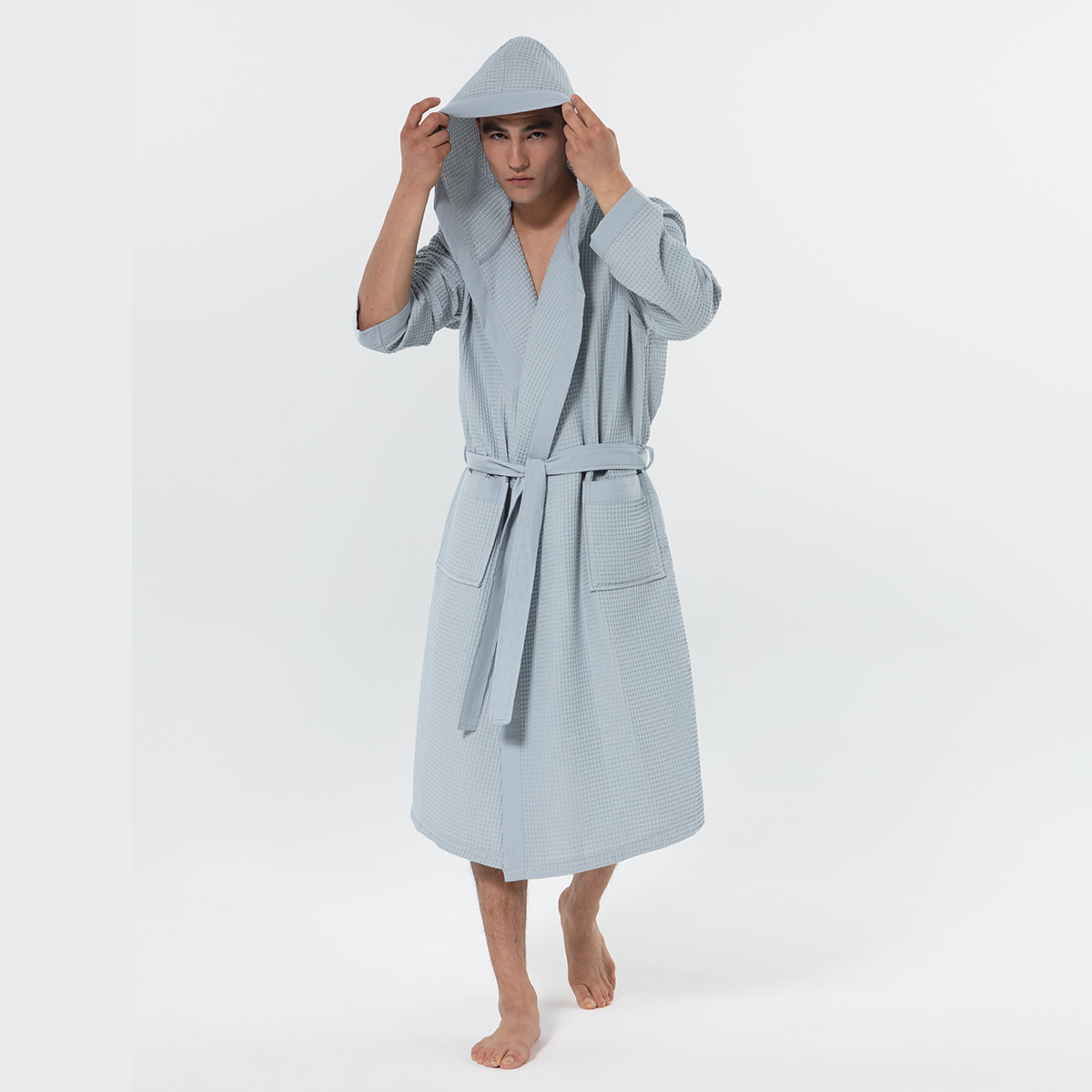

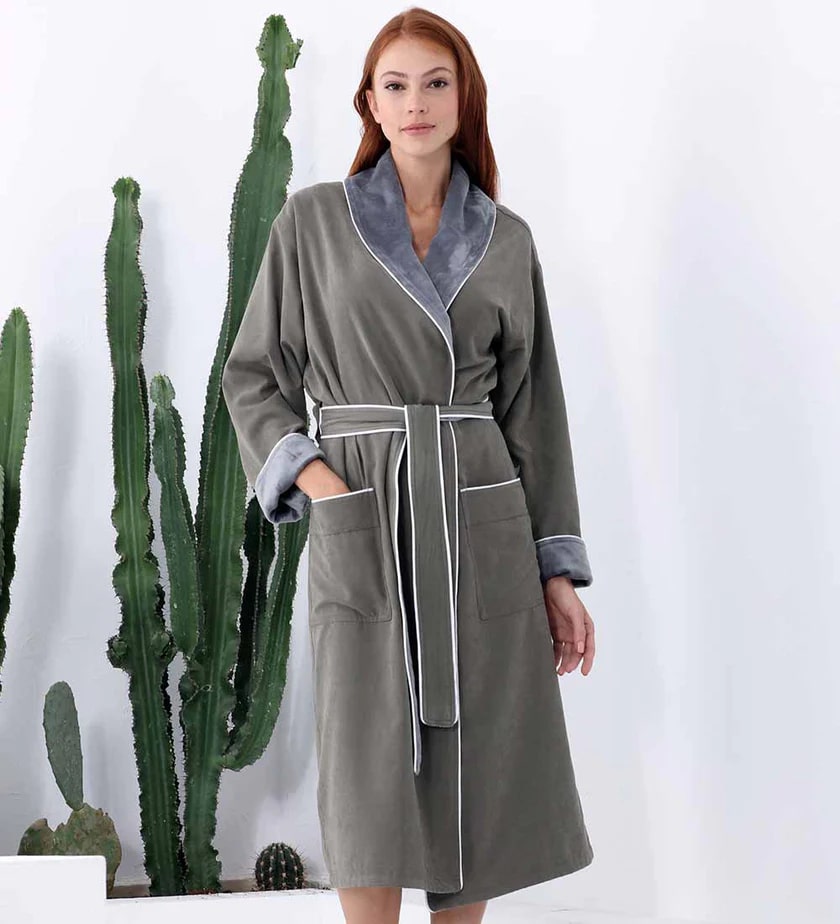



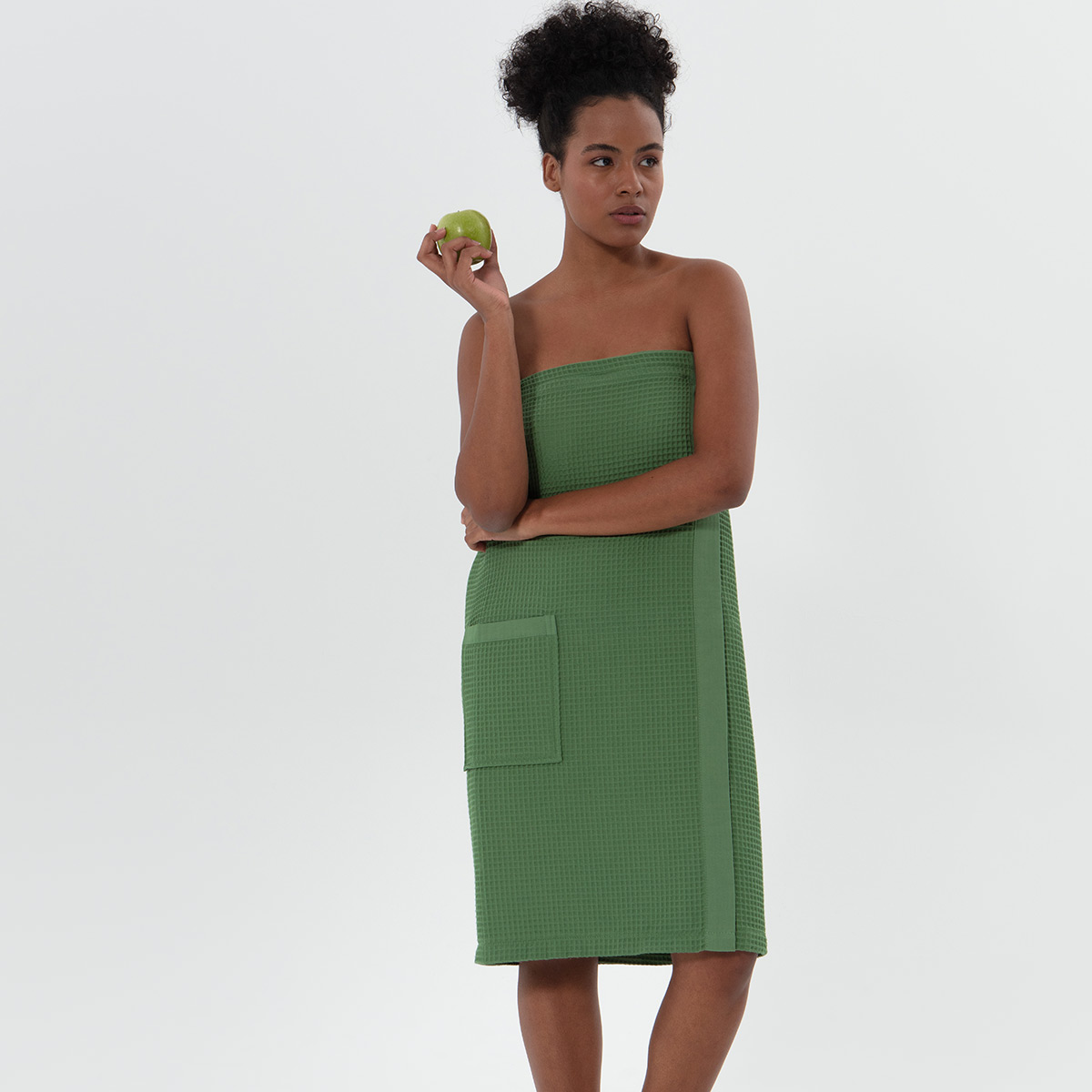

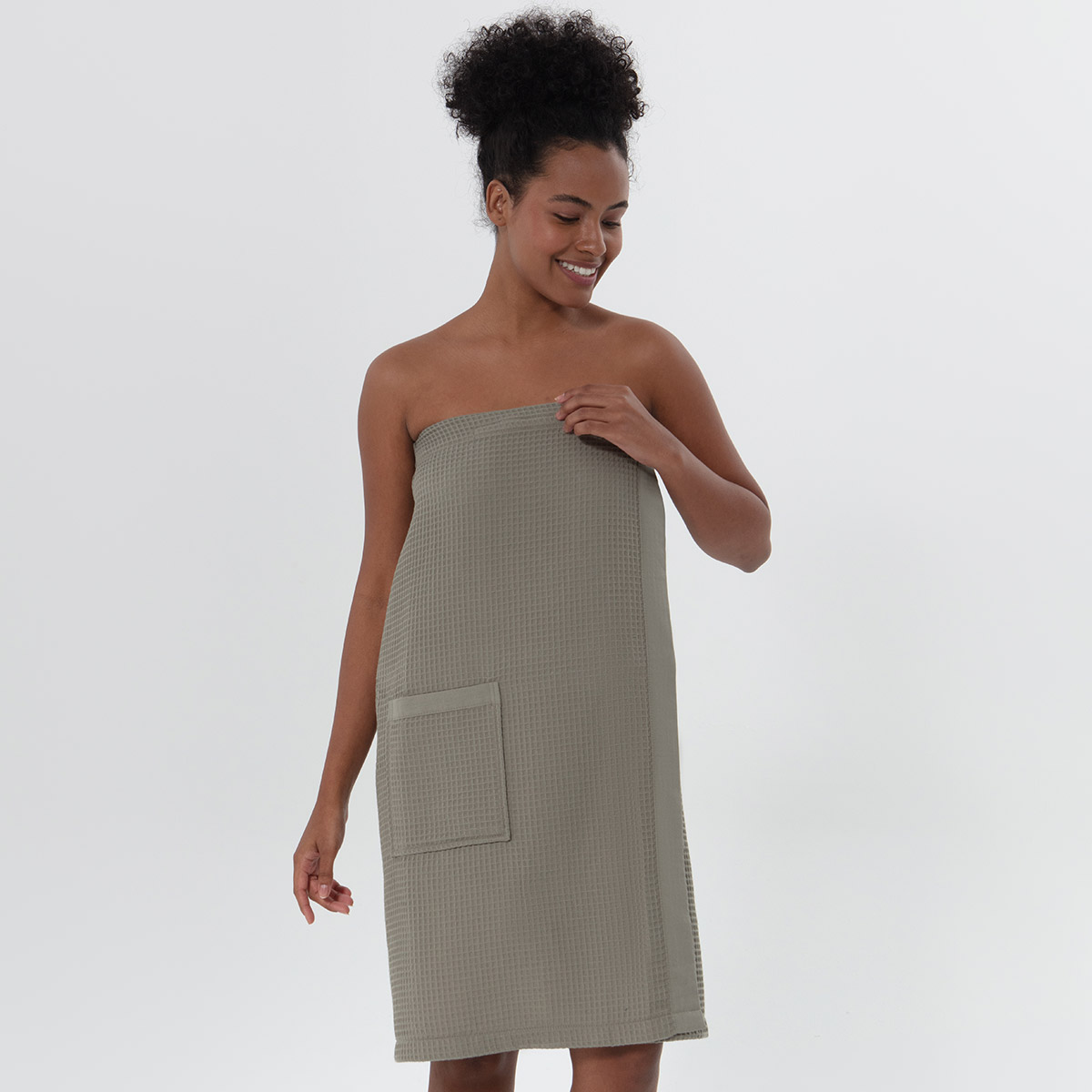

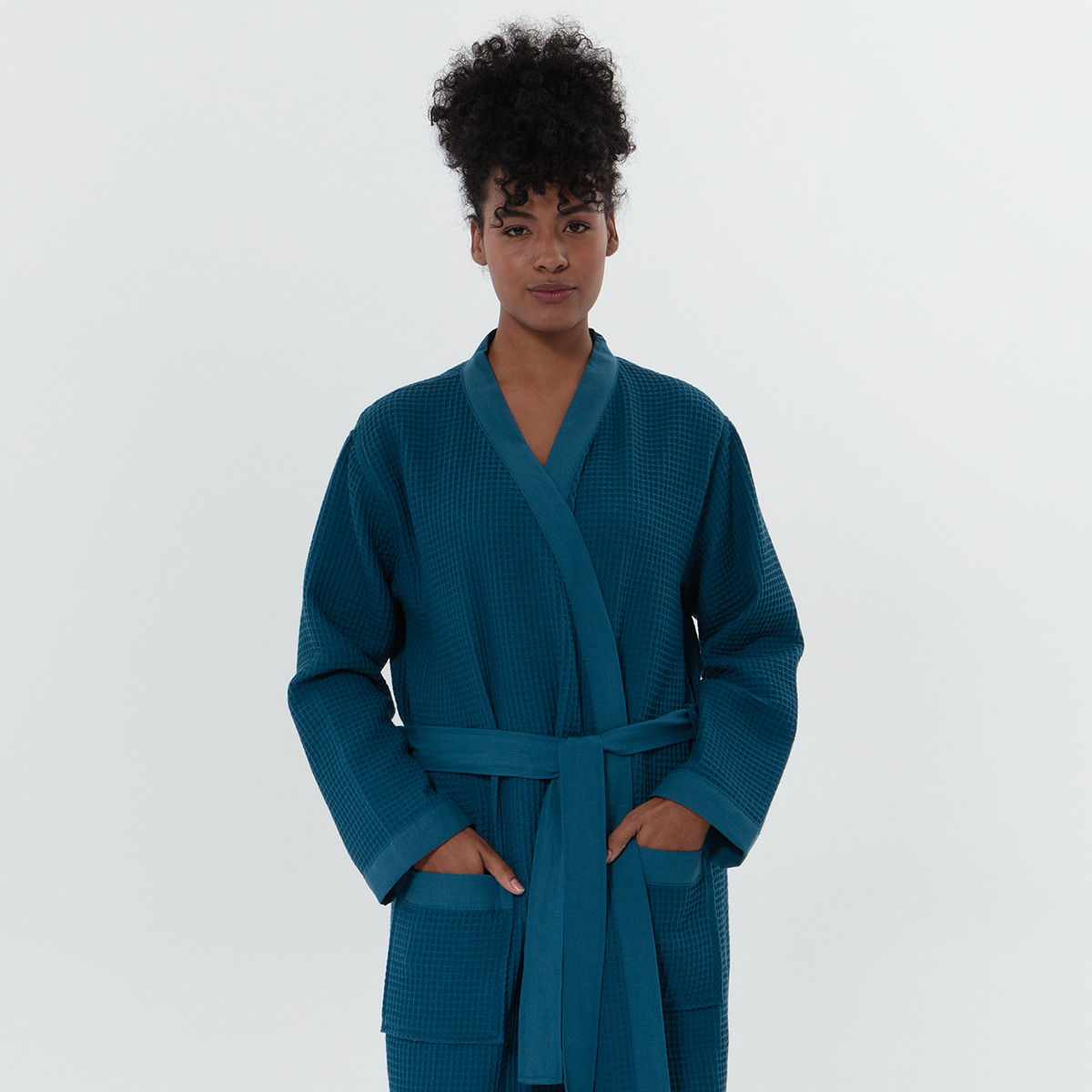
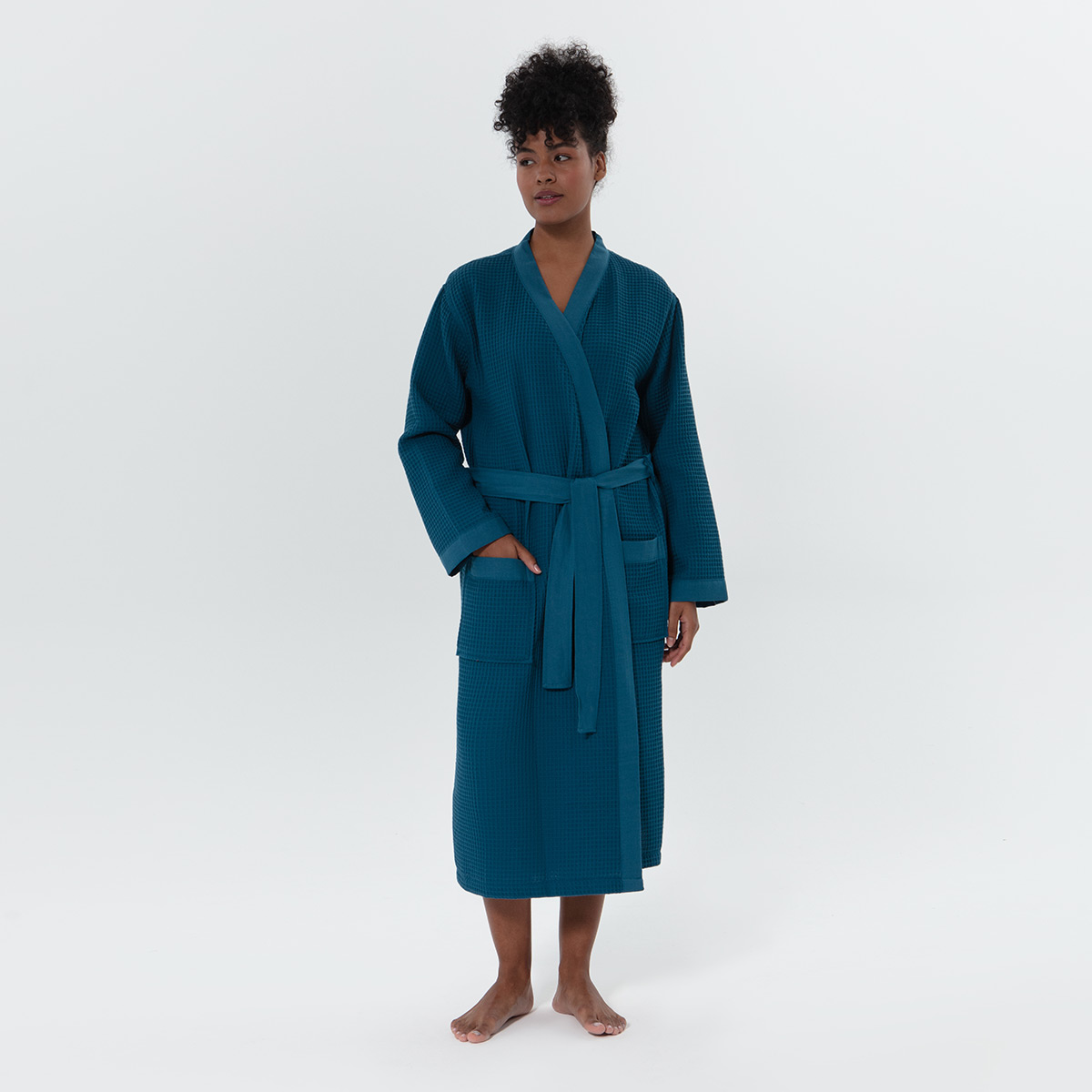
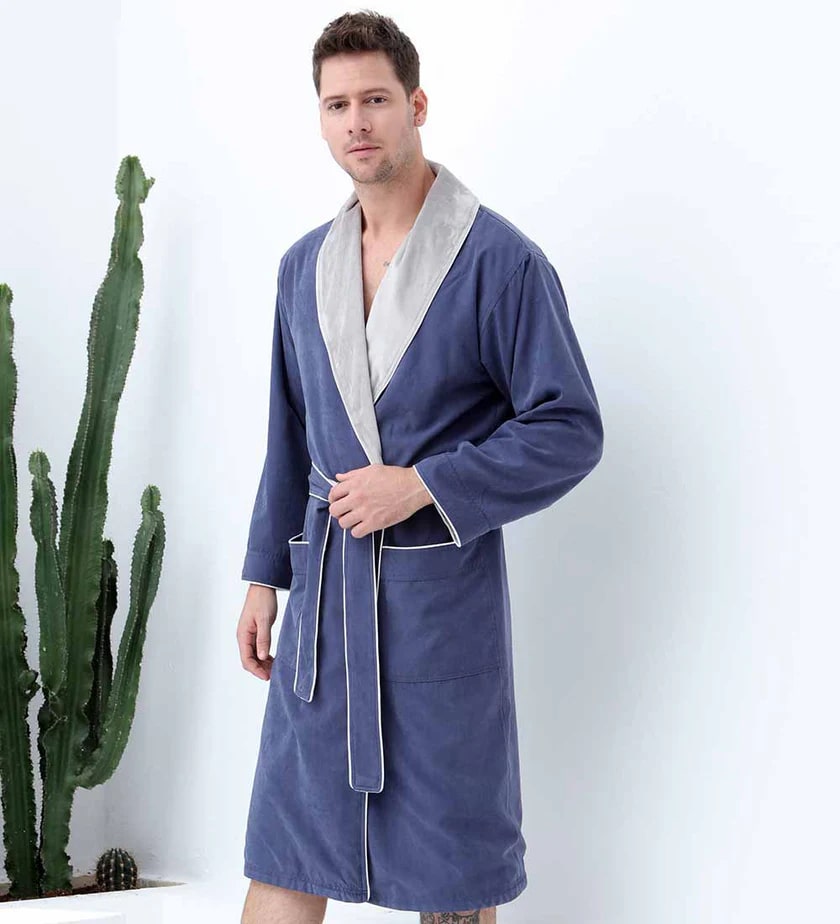


Offering high-quality bathrobes for both women and men with GOTS certification
Our commitment to excellence is reflected in our use of the Global Organic Textile Standard (GOTS) certification for our products. GOTS is a benchmark for organic textiles, ensuring environmentally friendly and socially responsible manufacturing processes.





FREE STANDART DELIVERY
STRESS-FREE SHOPPING
ONLINE CUSTOMER SERVICE