How to Remove Odors from Robes and Towels
- Why Your Robes and Towels Hold Onto Odor
- Identifying What's Actually Causing the Smell
- Pre-Wash Treatments That Break Down Odor Compounds
- Choosing the Right Cleaner for Your Fabric Type
- The Full Wash and Dry Routine for Lasting Freshness
- Why Masking Odors Is the Wrong Approach
- Storage and Prevention Habits That Keep Odors Away
You pull your robe from the bathroom hook after one humid night, or reach for a towel that looked clean yesterday, and the first damp touch releases a musty, post-shower smell. A normal wash may soften it for a few hours, but the odor returns because the fabric is holding more than one problem.
Odor removal is a sequence, not a single trick. You need to identify whether moisture, body oils, residue, or the surrounding room is responsible, loosen the material holding the odor, wash with a cleaner suited to the fiber, and dry the item completely. This matters especially with organic Turkish cotton, whose absorbency and texture behave differently from synthetic blends.
Why Your Robes and Towels Hold Onto Odor
Cotton terry doesn't behave like a flat shirt fabric. Its raised loop pile creates abundant surface area, and long-staple Turkish cotton terry can hold water, skin oils, soap residue, and airborne compounds deep between the loops. That softness feels luxurious against the skin, but it also gives odor-causing residue more places to settle.
Waffle weave presents a different challenge. Its recessed honeycomb cells collect moisture at the base of each pocket, where airflow is weaker. The surface may feel dry while the inner folds remain damp, especially after a robe has been worn over wet skin or left in a crowded bathroom.
Odor builds in layers
A robe or towel usually develops persistent odor through several overlapping films:
- Body oils and sweat: Sebum and skin residue cling to fibers and can become sour or sharp when rewetted.
- Soap and detergent residue: Excess product leaves a coating that reduces absorbency and gives soil a place to remain.
- Hard-water minerals: Mineral deposits can bind residue to the textile and make rinsing less effective.
- Ambient humidity: Damp air slows drying and supports microbial activity inside dense loops or recessed weave pockets.
That's why adding more detergent often disappoints. The wash may clean the outer surface while leaving the underlying film untouched. A heavily loaded machine can make the problem worse because towels and robes rub together, absorb the available water, and don't receive enough circulation.
Practical rule: If the smell returns when the fabric gets wet, treat the residue and drying conditions, not just the visible surface.
Think of the routine in three stages: strip residues first, treat the actual source second, and prevent moisture from remaining third. Once you approach the problem in that order, the difference between terry and waffle weave becomes useful information rather than a source of frustration.
Identifying What's Actually Causing the Smell
Before choosing a soak or cleaner, test the odor itself. A musty towel, a robe saturated with body oils, and fabric that absorbed kitchen fumes may all smell unpleasant, but they need different treatment.
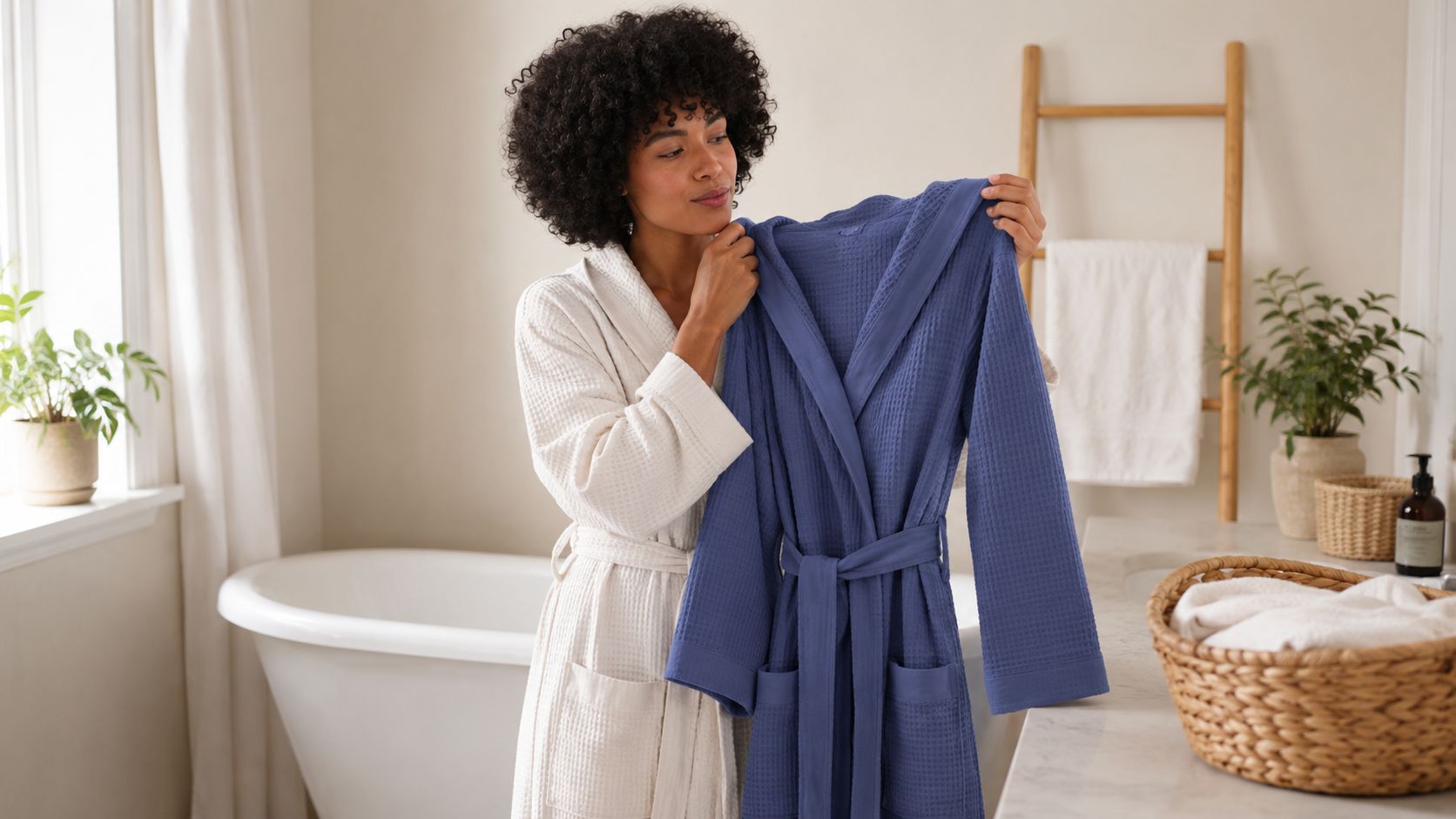
Three odor patterns
Mildew and mustiness usually become obvious when a damp towel has sat in a heap, a robe has been worn over wet skin, or the bathroom stayed humid. Terry's dense loops can remain wet inside even after the outside feels merely cool. Rewet a small, clean-looking patch, wait about ten minutes, and smell it again. If the odor blooms as moisture returns, dormant microbial residue is a strong possibility.
Body-oil and sweat odor tends to have a sour, acidic, or sharp character. It often appears around the collar, cuffs, belt, underarms, and areas where a robe touches damp skin. Look for stiffness, dullness, or yellowing. Rub a small area between wet fingers, then smell the fabric. A greasy feel or rapid return of odor points toward oils and skin residue rather than simple room absorption.
Environmental absorption includes smoke, cooking fumes, drain odor, and musty closet air. Waffle weave can capture these smells across its open cells, while terry tends to hold them in its loop pile and backing. Compare the garment's exposed outer surface with an interior area protected from the room. If both smell alike but there's no sourness or localized stiffness, the fabric may have absorbed the surrounding air.
| Odor Type | Terry Behavior | Waffle Weave Behavior | Diagnostic Cue |
|---|---|---|---|
| Mildew and mustiness | Dense loops stay damp internally | Moisture lingers at cell bases | Smell returns after rewetting |
| Body oils and sweat | Residue clings around loops and backing | Oils collect unevenly in recessed cells | Sour note, stiffness, or yellowing |
| Environmental absorption | Odor settles through the pile | Open cells pick up room odors broadly | Smell is widespread rather than localized |
For broader soft-surface problems, pro rug odor removal tips are useful because rugs also require source identification, material-sensitive treatment, and thorough drying. The same principle applies here. Follow the smell back to where it lives.
A lightweight example is the Women's Lavender Blue Turkish Cotton Waffle Hooded Robe, described as a 100% GOTS-certified organic Turkish cotton waffle robe. Its breathable construction still needs full drying because a natural fiber can absorb moisture even when the weave feels light.
Pre-Wash Treatments That Break Down Odor Compounds
Pre-treatment works best when you match the chemistry to the residue. Vinegar is useful for mineral and alkaline buildup, baking soda helps with acidic body odors, and enzymes target the protein and fat components that ordinary washing may leave behind.
Start with one treatment
For a general musty or mineral-heavy load, mix distilled white vinegar and cool water at a 1:1 ratio in a basin. Fully submerge the robe or towels for 30 to 60 minutes, then rinse before washing. Vinegar doesn't magically kill every odor source. It shifts pH and helps dissolve deposits that hold odor compounds and bacteria-supporting residue against the fiber.
Don't combine vinegar with chlorine bleach. The two products can create dangerous fumes. Treat vinegar as a separate step, rinse thoroughly, and then use the washing machine.
For sweat-related acidity, add one cup of baking soda directly to the drum with the detergent, not to the dispenser. You can also dissolve two cups in one gallon of warm water and soak the item for one hour before laundering. Baking soda works as an odor neutralizer, but it won't remove a thick oil film by itself. If the fabric feels waxy or greasy, use an enzyme treatment instead.
Use enzymes for body oils
Choose a textile-safe enzyme cleaner containing protease and lipase activity. Soak the item for 15 minutes in warm, not hot, water, following the product label for dilution. Warm water helps the enzymes remain active, while high heat can reduce their usefulness before they've had time to work.
Enzymes digest the protein and fat chains found in sweat, skin cells, and body oils. They're particularly useful around robe collars, cuffs, and underarms, where odor may persist even after a visually clean wash.
Avoid making chlorine bleach your default for organic cotton. It can weaken long-staple fibers and gradually damage the dimensional structure of waffle weave. Oxygen-based products may be more appropriate for compatible cotton items, but always test dyed fabric and follow the care label.
Choosing the Right Cleaner for Your Fabric Type
The cleaner should match fiber chemistry, weave density, dye stability, and odor severity. A regular detergent is perfectly reasonable for routine soil, but it may struggle when body oils have settled inside cotton loops or synthetic fibers.
For material-specific care, the terry cloth robe collection can help you distinguish dense looped fabrics from lighter constructions before choosing a wash routine.
| Cleaner Type | Terry Cotton | Waffle Weave | Best For |
|---|---|---|---|
| Mainstream detergent | Handles everyday soil, may leave embedded oils | Suitable for light routine washing | Regular maintenance |
| Enzyme cleaner | Breaks down protein and oil residue effectively | Useful for collars, cuffs, and body-contact areas | Sweat and sebum buildup |
| Oxygen bleach | Can lift compatible mildew staining | Use cautiously, especially with repeated hot cycles | Stains and confirmed mustiness |
| Plant-based detergent | Gentle routine option, may need a booster | Appropriate for light soil and sensitive care | Lower-residue everyday washing |
How the options differ
Conventional detergent relies on surfactants that lift soil into the wash water. It can perform well on cotton, but odor may remain when the residue has bonded strongly to the textile. Optical brighteners improve visual appearance, not necessarily odor removal.
Enzyme cleaners are the strongest choice for body-oil buildup because they target the residue itself. They're a practical fit for natural, GOTS-certified textiles when the formula is labeled safe for the garment.
Oxygen bleach, commonly based on sodium percarbonate, can help with cotton stains and microbial residue. Repeated hot cycles may weaken waffle structure, so reserve it for a specific need instead of using it in every load.
Plant-based detergents can support a lower-residue routine, though stubborn buildup may require a booster or pre-soak. For luxury waffle robes, avoid harsh surfactants and strongly alkaline formulas that can flatten the honeycomb texture over time.
The Full Wash and Dry Routine for Lasting Freshness
A disciplined wash and dry cycle usually outperforms a stronger fragrance or a larger dose of detergent. Start by separating robes and towels from ordinary clothing. This reduces lint transfer, limits friction, and gives bulky cotton items enough room to move.
Build the wash correctly
Use warm water, around 104°F or 40°C, for routine loads. Reserve hot water, around 130°F or 54°C, for towels with confirmed mildew or heavy body-oil buildup, and check the care label first. Excessive heat can set protein-based odors and can stress cotton over time.
Add the selected cleaner before loading the items. Use the label's recommended amount rather than filling the dispenser to the maximum. Overdosing leaves residue, especially in absorbent terry.
Load the drum loosely. Water and detergent need to reach the center of every towel and the inside of each robe fold. For Turkish cotton terry, add an extra rinse when detergent buildup or a persistent musty smell is present.
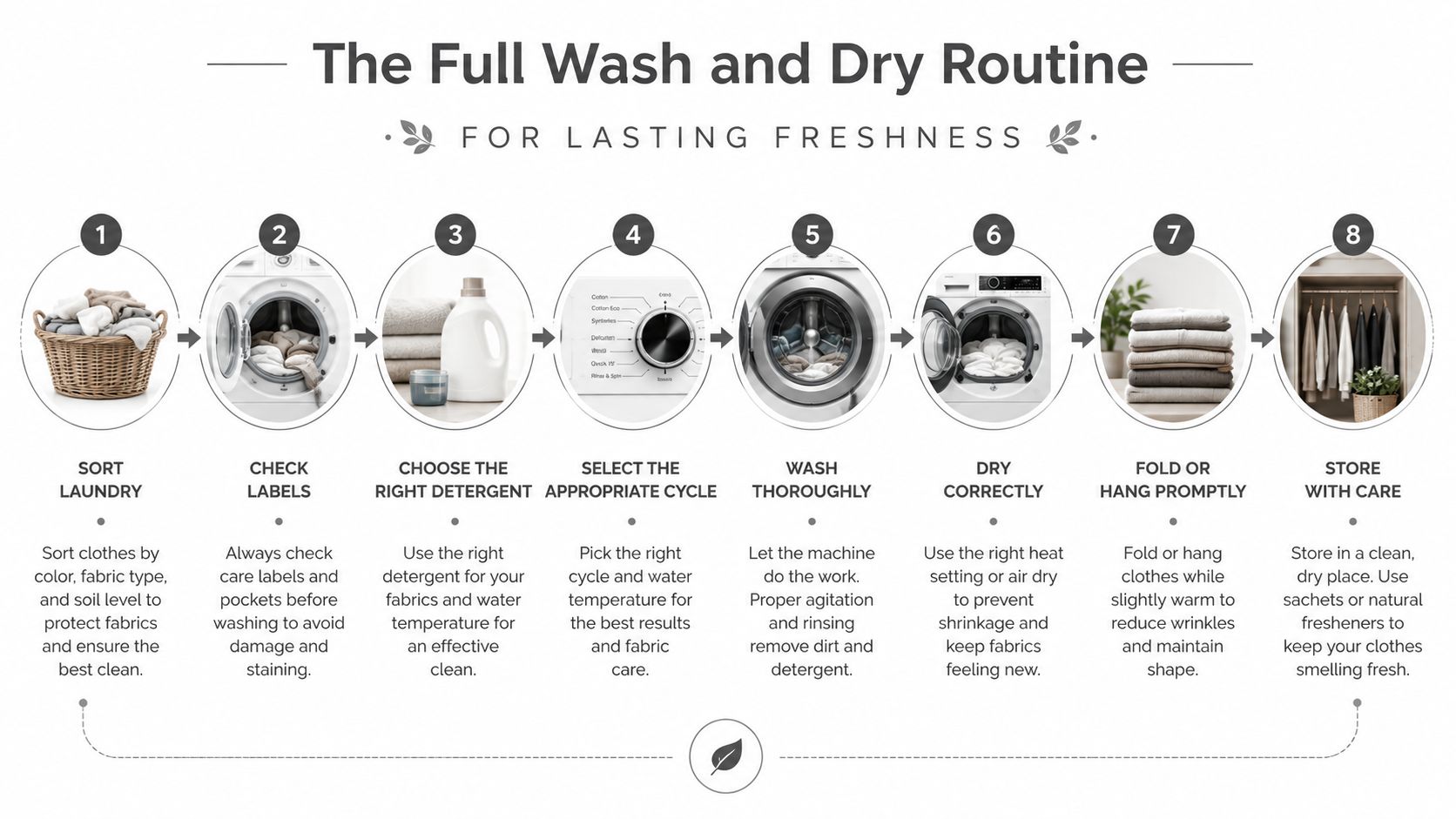
Dry until no cool dampness remains
Skip fabric softener. Its waxy coating reduces absorbency and can trap odor compounds against the loops. A towel that feels silky after softener may be less able to take up water and release residue.
Dry terry on medium heat until the loops are completely dry, then run ten additional minutes on air-only to loosen the pile. Waffle weave usually dries faster and suits lower heat, but inspect the recessed cells before ending the cycle. If any fold feels cool or damp, continue drying.
For a broader room-by-room approach to persistent smells, this homeowner odor removal guide reinforces the same practical principle: clean the source and allow sufficient drying rather than relying on fragrance. You can also follow this robe washing and storage guide for care details that protect texture between deep treatments.
Why Masking Odors Is the Wrong Approach
A scented spray can make a bathroom seem fresher while the damp towel remains exactly where the odor began. Dryer sheets and heavily fragranced detergents work in a similar way. They add fragrance molecules that temporarily compete with the odor in your perception, but they don't remove the bacteria, moisture, oil, or residue feeding the smell.
That trade-off is especially noticeable in Turkish cotton terry. A coating on the loops can hold skin debris against the fiber, reduce absorbency, and make later washing less effective. Waffle weave may absorb fragrance unevenly, leaving some cells strongly perfumed while other areas still smell musty.
A fragrance is a finish. It isn't a cleaning step.
Treat smell as a warning
A returning musty odor tells you something useful. The item may be drying too slowly, the machine may be leaving detergent behind, or the wash cycle may not be reaching the embedded residue. Covering the warning signal delays the corrective action.
True freshness comes from source control. Remove the residue, use the right chemistry, rinse thoroughly, and dry the textile completely. Once those conditions are handled, you shouldn't need a strong scent to make the robe or towel seem clean.
Storage and Prevention Habits That Keep Odors Away
Clean fabric can become smelly again if it spends the next day compressed, damp, or surrounded by humid air. Prevention starts immediately after use, not when the odor becomes obvious.
Hang terry robes on a wide wooden or padded hanger so the loop pile can breathe. Narrow hooks fold the shoulders and press wet areas together. Waffle robes can be folded on open shelving, but only after every recessed cell is fully dry.
Reduce moisture between uses
Use the bathroom extractor fan after showers, or run a dehumidifier when the room stays damp. Keeping the air drier helps dense cotton release water instead of holding it through the night.
Rotate towels so each piece has time to dry fully before its next use. A three-towel rotation per person is a practical household system, and it prevents one towel from becoming the permanent damp option. Spread towels over a rail rather than leaving them in a heap.
- Check the touch: A cool fold often contains residual moisture even when the surface looks dry.
- Separate wet items: Keep used towels away from clean laundry and hamper contents.
- Skip softener: The waxy film can reduce absorbency and retain odor-producing residue.
- Refresh lightly: A fine mist of diluted vodka or white vinegar can refresh between washes, but allow the textile to dry fully afterward.
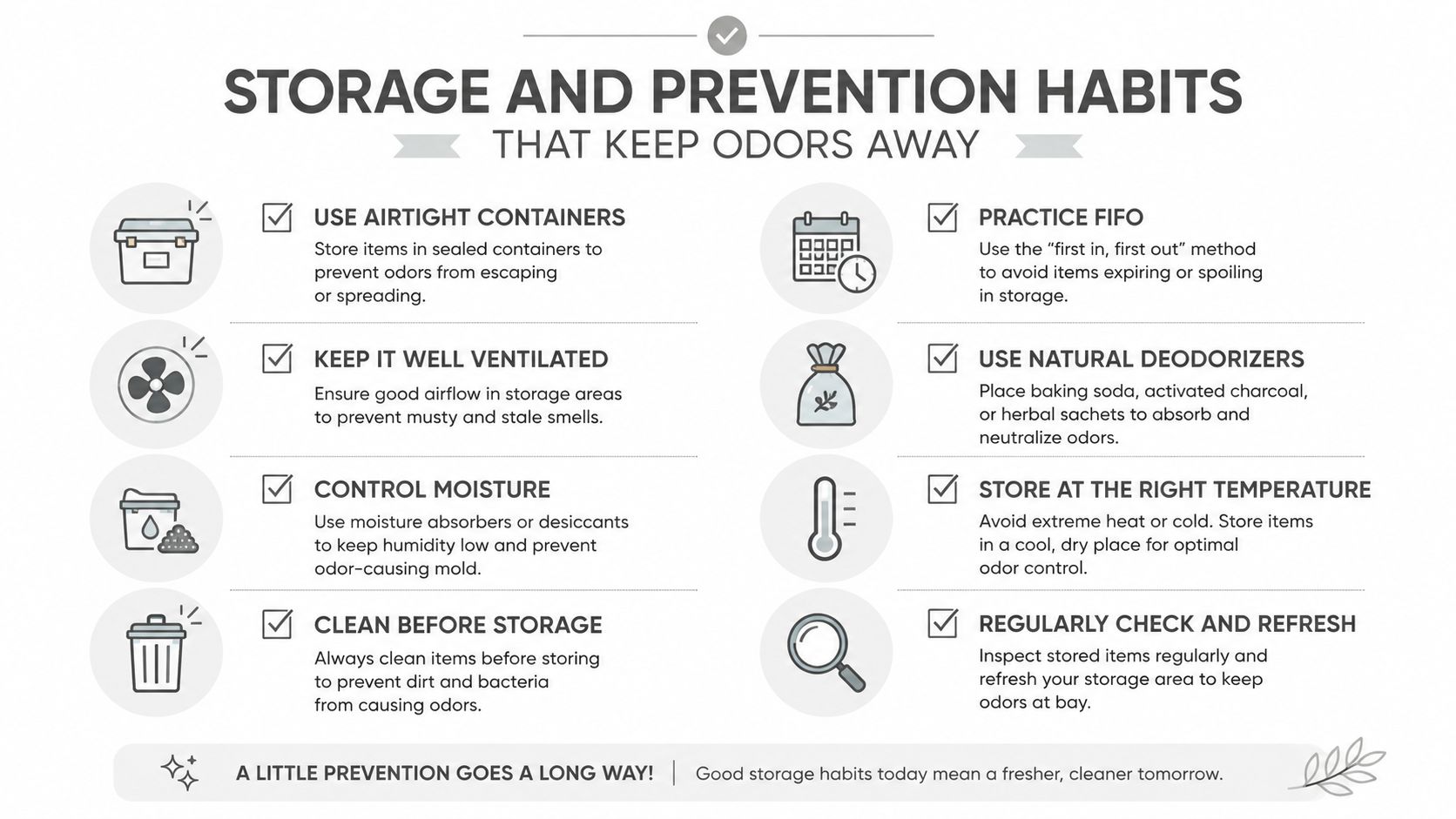
For long-term storage, wash the items first and confirm they're bone-dry. Breathable cotton bags are safer than sealed plastic bins for natural textiles. Cedar blocks or lavender sachets can provide a mild storage scent, but they shouldn't replace washing, ventilation, or moisture control.
Open shelving also helps you spot damp folds before they become a problem. These bathroom storage solutions can make airflow part of the room's layout instead of an afterthought. Hospitality teams can apply the same logic at scale by separating used textiles, preventing compressed wet loads, and verifying complete drying before storage.
SEYANTE offers Turkish cotton terry and lightweight waffle robes, including GOTS-certified organic options suited to everyday self-care and spa-style routines. Visit SEYANTE to explore robes, towel wraps, and care guidance that help you choose a texture and construction you can keep fresh with the right washing and drying habits.