


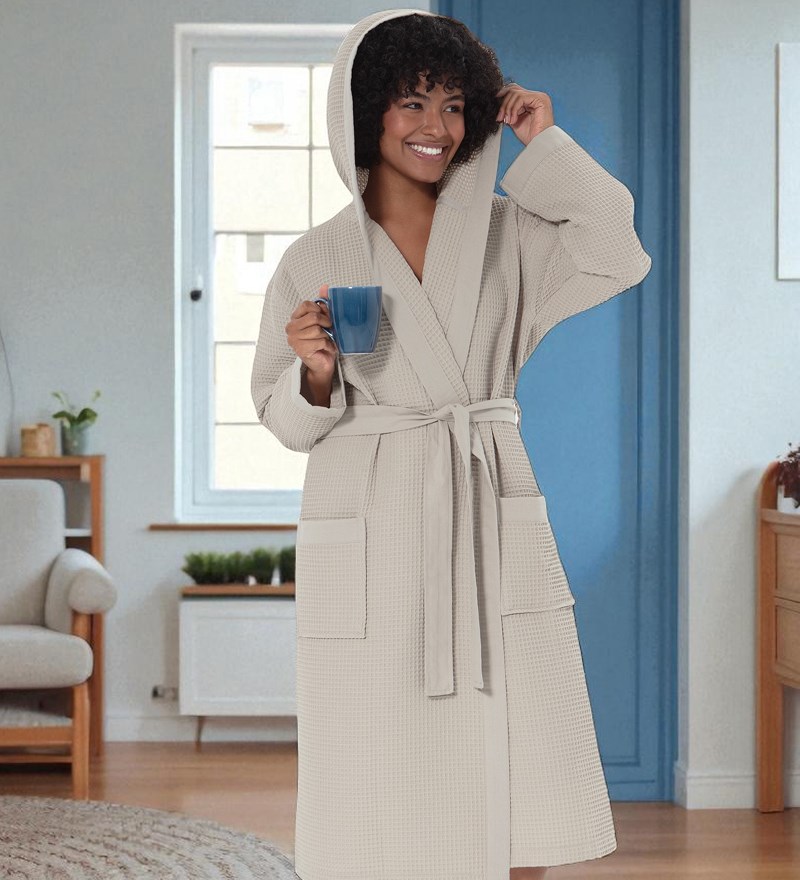
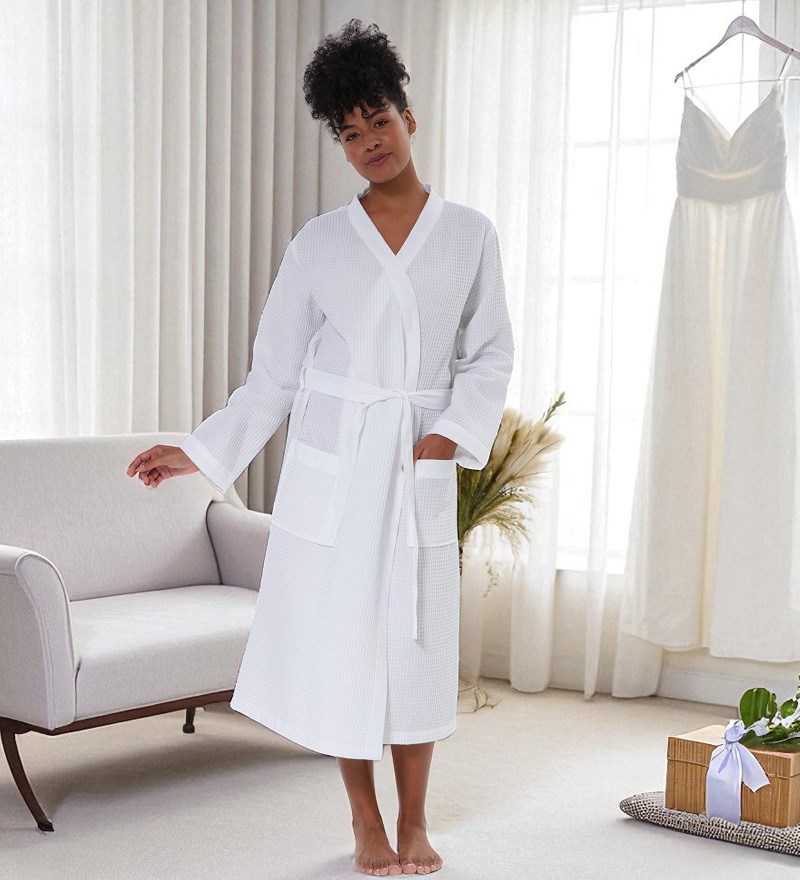


- Waffle Robes
- Terry Cloth Robes
- Microfiber Robes
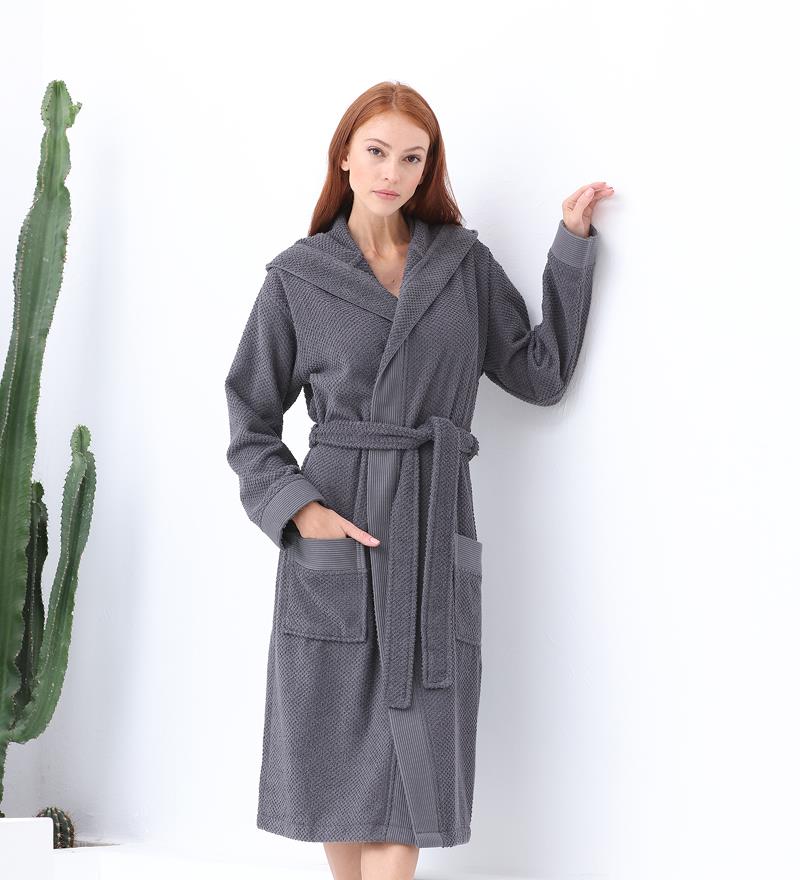
- Turkish Cotton Robes
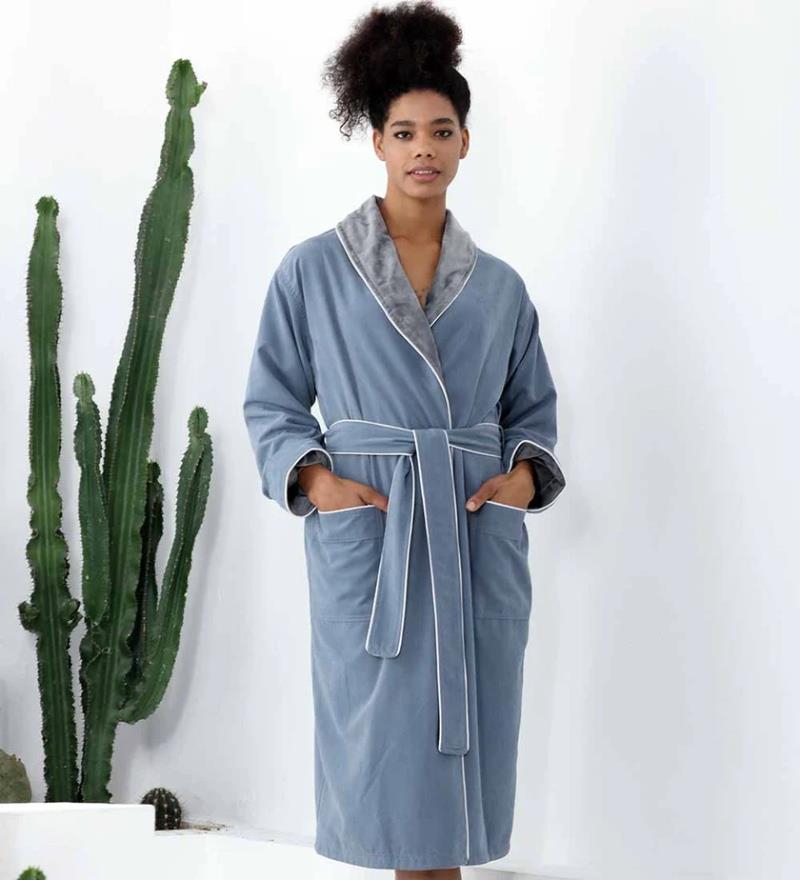
- Towel Robes
- View All Robes by Material
Japanese Robe Women Guide to Kimono Yukata and Style - Seyante
You're shopping for a robe that feels beautiful enough for slow mornings, comfortable after a bath, and polished enough to give as a gift. Then the product names start to blur together: kimono, yukata, Japanese robe, kimono-style robe, spa robe. They may share a wrap front and flowing sleeves, but they don't all serve the same purpose.
The phrase Japanese robe women can describe three different buying decisions. You might want an authentic kimono for cultural appreciation, a yukata for relaxed summer wear or a spa-inspired ritual, or modern kimono-inspired loungewear that borrows the silhouette while simplifying the fabric, fit, and care. Choosing between them becomes much easier once you know what the garment is designed to do.
This guide starts with the robe's structure, then separates the main garment types, materials, sizing, styling, and care. By the end, you'll be able to judge a robe by its construction and intended use rather than by a product title alone.
Introduction to Japanese Robes for Women Today
A beautiful robe can create a small daily ritual. You slip it on after a shower, tie the belt, make coffee, and expect softness and coverage. Instead, the fabric feels too warm, the sleeves drag, or the front opens every time you move. The problem may not be the robe's quality. You may have bought a formal garment for lounging, or a lightweight yukata expecting the plush absorbency of a bathrobe.
That confusion is common because Western retail language often groups several garments under one phrase. “Japanese robe” isn't one precise product category. It can refer to a traditional kimono, a casual yukata, or a contemporary robe inspired by Japanese lines. Those choices differ in formality, layering, fabric weight, maintenance, and how much cultural knowledge you need to wear them appropriately.
The distinction matters most when your intended use is specific. A robe for:
- Daily lounging should feel easy, washable, and secure.
- Post-bath wear should manage moisture without becoming heavy.
- A gift should match the recipient's lifestyle rather than just look decorative.
- Cultural appreciation deserves attention to authentic construction and wrapping.
- Fashion layering can use a kimono-like silhouette without presenting casual loungewear as traditional dress.
Japanese women's dress has a long history behind today's robe shapes. Sources trace the modern kimono's development to the Heian period, 794–1185, while later periods refined its outer form, layering, and social meaning. The kimono remained everyday outerwear for women until World War II, which helps explain why it still serves as the foundational reference for women's traditional dress in Japan today. The historical development of the kimono shows why a simple-looking wrap robe can carry much more meaning than a generic dressing gown.
The practical question is simple: What do you want the robe to do? Once purpose comes first, the right fabric, length, closure, and level of formality become much easier to identify.
What Makes a Japanese Robe Different
A Western robe usually creates shape with curved seams, fitted panels, and darts. A Japanese robe works more like a carefully planned building assembled from straight sections. The fabric begins as a set of rectangles, and the wearer creates the final shape through overlap, length, and a belt.
A standard women's kimono is generally assembled from eight rectangular components, including body panels, sleeve panels, overlap panels, and a collar. This structure means the garment's fit depends mainly on seam allowance, panel length, and wrap adjustment rather than body-shaped darts or curved seams. This explanation of rectangular kimono construction helps clarify why a robe can look architectural when laid flat but fluid once worn.

The wrap creates the front shape
The two front sides overlap instead of meeting at a conventional center-front fastening. For ordinary wear, the left side goes over the right. This rule applies to both traditional and modern garments that closely follow kimono dressing, although a simplified fashion robe may use a different closure or provide less structured overlap.
The belt controls the silhouette. A narrow tie gives a relaxed finish, while a wider obi creates a more deliberate waistline. Because the body panels stay relatively straight, the robe can accommodate different shapes without relying on stretch or precise waist shaping.
Sleeves and length change the experience
Sleeves aren't just decoration. A generous sleeve creates movement and visual softness, but it can become inconvenient around sinks, cooking surfaces, or desk work. A shorter sleeve or a cuffed version suits daily use better, while longer sleeves emphasize ceremony or fashion drama.
The same principle applies to the hem. A floor-skimming robe feels enveloping and formal, but a shorter length is easier for walking, travel, and household tasks. Look at the garment as a system of proportions, not just a print or color.
Practical rule: If the product description emphasizes a Japanese shape but says little about closure, sleeve length, or care, treat it as fashion-inspired until the construction proves otherwise.
This modular design also explains why a robe may offer useful adjustment without looking fitted. You can alter the overlap, reposition the belt, or layer a lighter garment underneath while preserving the central geometry. The result is a silhouette built by arrangement rather than by forcing fabric around the body.
Kimono Yukata and Kimono Inspired Robes Compared
The easiest way to choose is to stop treating all Japanese-style robes as interchangeable. A kimono is the most structured and culturally specific option. A yukata is a casual robe, traditionally made from cotton or synthetic fabric and originally associated with wearing after bathing. A kimono-inspired robe borrows visual elements such as the T-shaped body, wrap front, wide sleeves, or obi-like belt, but often changes the construction for modern home use.
A kimono comes with stricter expectations around layering, formality, body presentation, and obi placement. Women's obi placement is at the waist, and the garment wraps left over right for ordinary wear. A yukata is more relaxed, but it still belongs to a recognizable Japanese clothing context rather than being a printed bathrobe. This practical distinction between kimono and yukata is especially useful for shoppers who want to wear their purchase respectfully.
| Garment Type | Best For | Fabric and Care |
|---|---|---|
| Kimono | Cultural appreciation, formal presentation, collecting, or carefully styled occasions | Construction and fabric vary, but traditional versions may need controlled handling and specialist cleaning |
| Yukata | Casual summer wear, festivals, ryokan settings, or a lightweight robe-like layer | Often cotton or synthetic, with a lighter, less layered feel than formal kimono |
| Kimono-inspired loungewear | Daily lounging, spa use, travel, gifting, and modern outfit layering | Usually designed for simpler care, easier closures, shorter lengths, or washable fabrics |
Match the garment to the moment
Choose a kimono when the garment's cultural form matters as much as its appearance. You'll need to pay attention to wrapping, layers, belt placement, fabric handling, and the setting in which you wear it.
Choose a yukata when you want a casual robe with a clearer Japanese identity and a lighter seasonal feel. It can suit a relaxed ritual, but it may not have the plush absorbency you expect from a post-shower bathrobe.
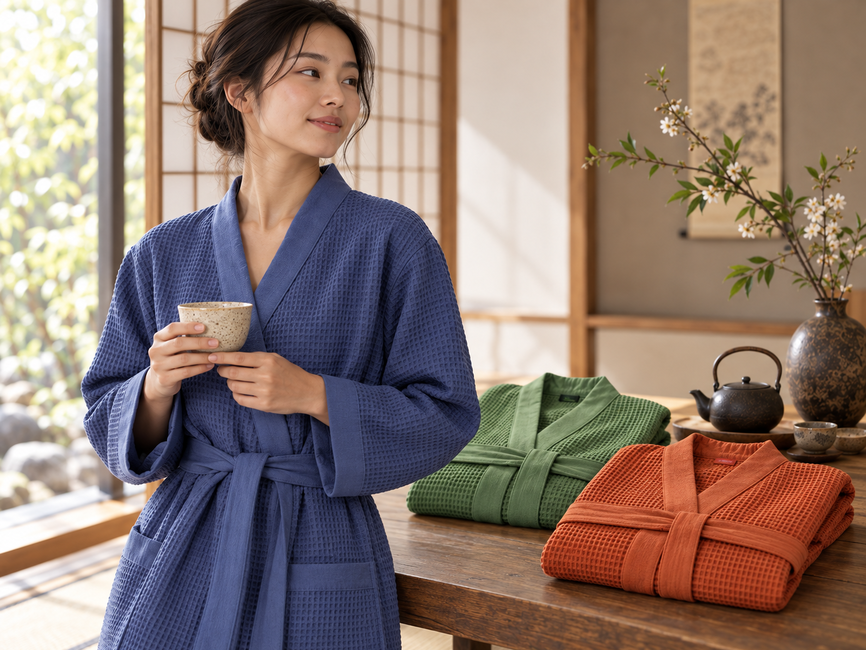
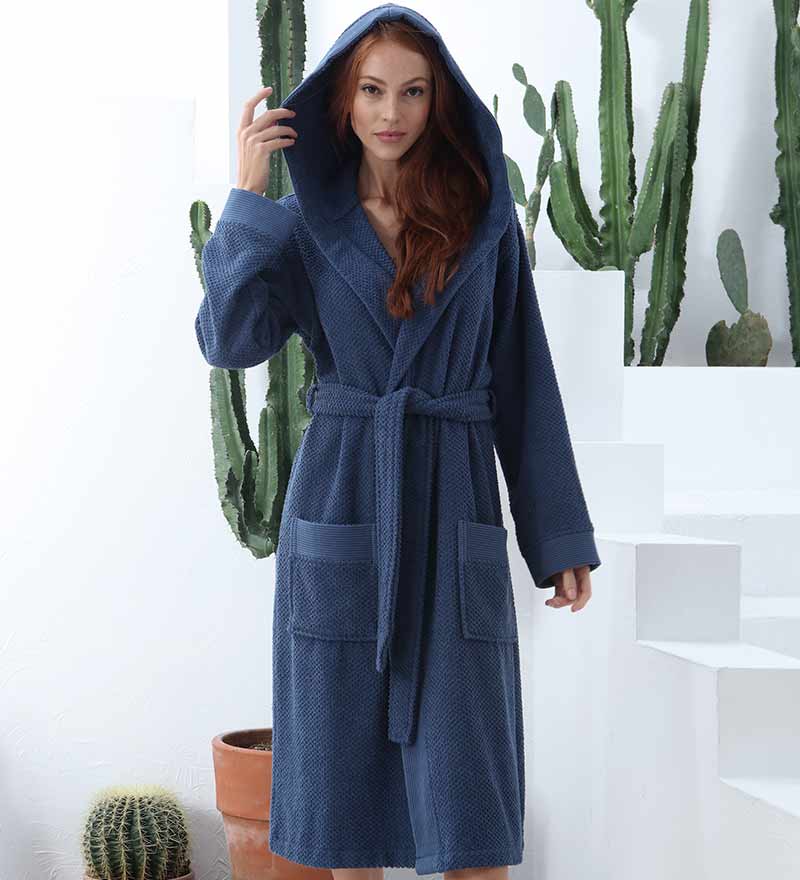
Choose kimono-inspired loungewear when comfort is the priority. This category often uses easy ties, breathable cotton, machine-washable materials, and proportions designed for sitting, walking, or layering over sleepwear. A modern guide to selecting this type of garment can also help you compare luxury kimono robe features for everyday use.
The most respectful choice isn't always the most traditional-looking one. If you want a robe for home, buying a clearly contemporary inspired design can prevent you from treating ceremonial clothing as casual loungewear. If you want traditional dress, choose an authentic garment and learn the basic wearing conventions rather than relying on the word “kimono” in a product title.
Fabrics Weaves and Seasonal Comfort Explained
The silhouette tells you how a robe looks. The fabric determines how it lives. A loose wrap made from airy cotton can feel cool and flexible, while the same shape in dense terry becomes a warm, absorbent bath layer. Silk creates elegant drape, but it demands more care and isn't automatically the most practical choice for everyday use.
Cotton is often a strong middle ground for a casual robe. It can feel crisp, soft, or textured depending on the weave, and it suits people who want breathability without the fragility associated with delicate luxury fabrics. Turkish cotton options can add a substantial, towel-like hand, while organic cotton gives eco-conscious shoppers a way to prioritize certified textile sourcing. Check the actual certification and care label rather than assuming that a natural fiber automatically has a lower environmental impact.

Read the weave, not only the fiber name
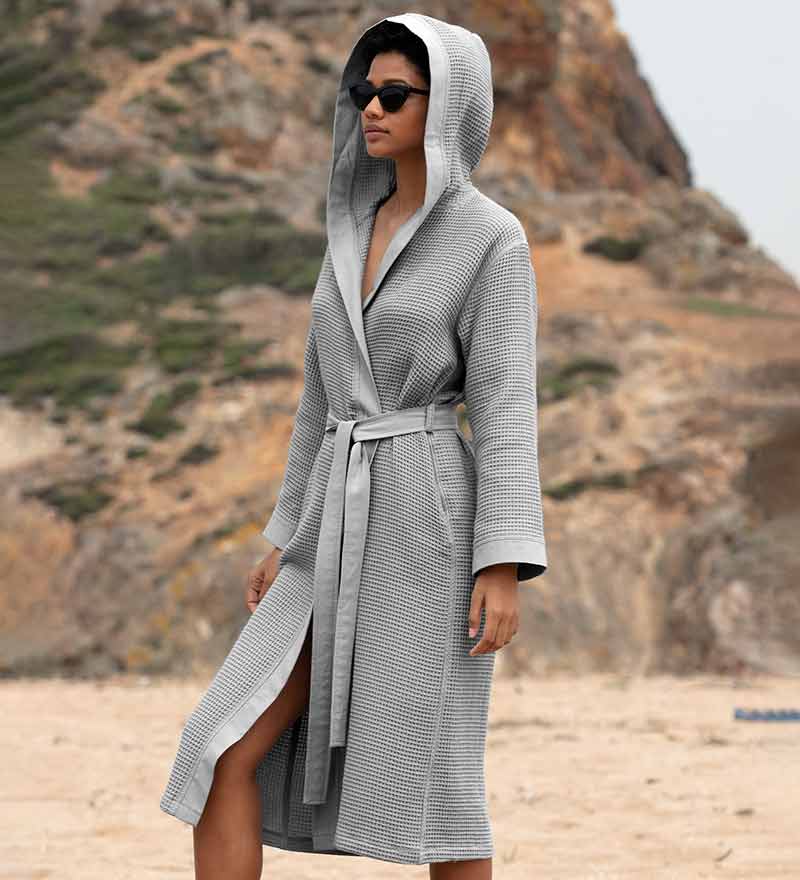
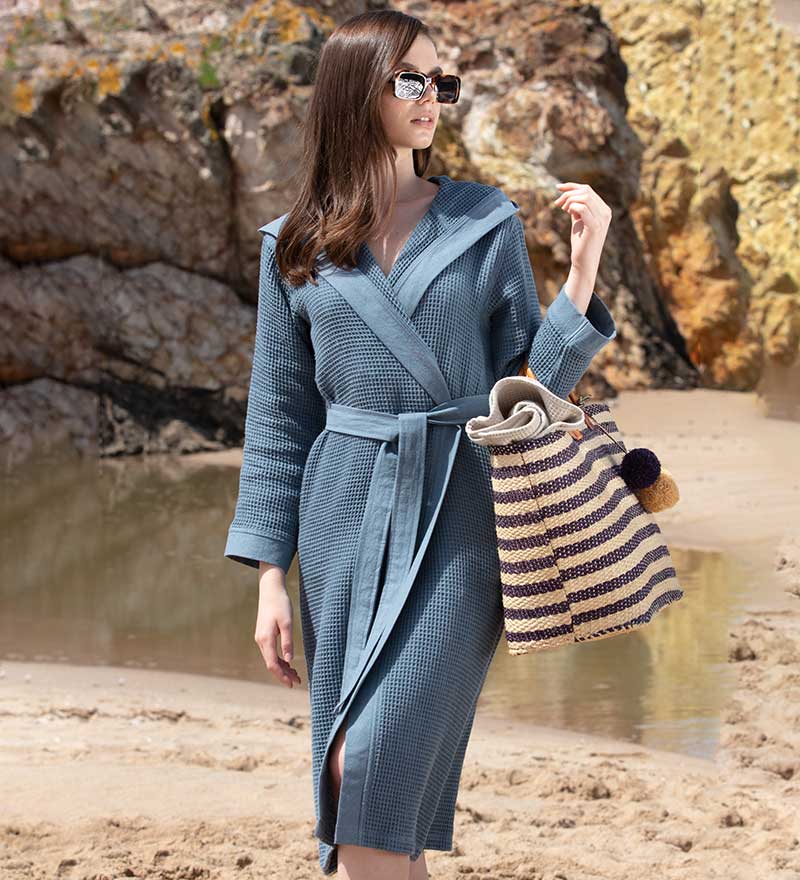
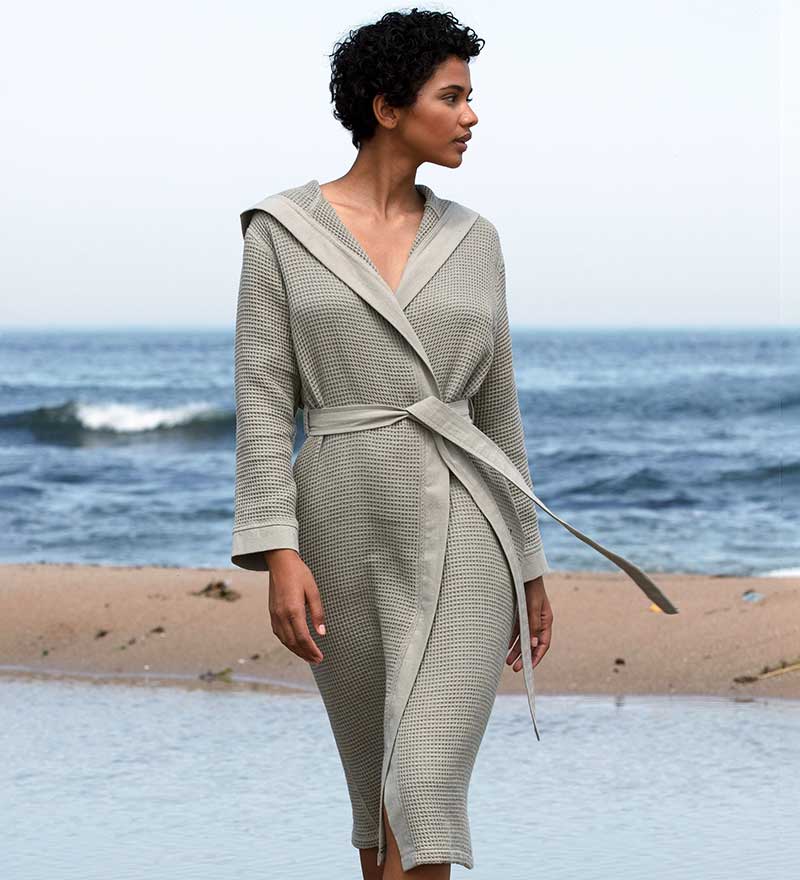
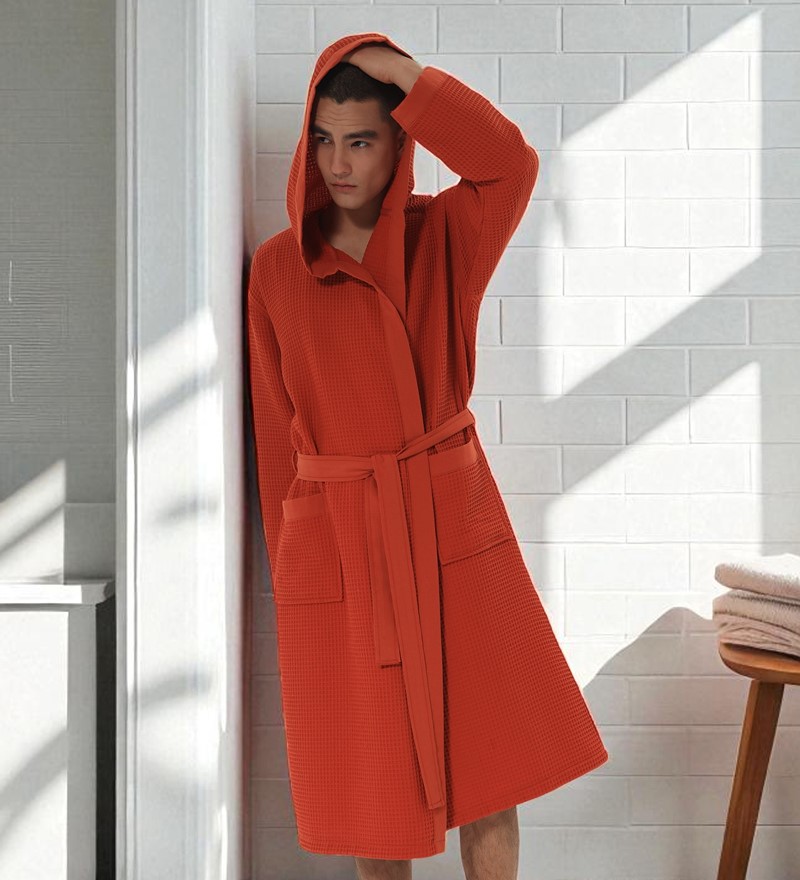
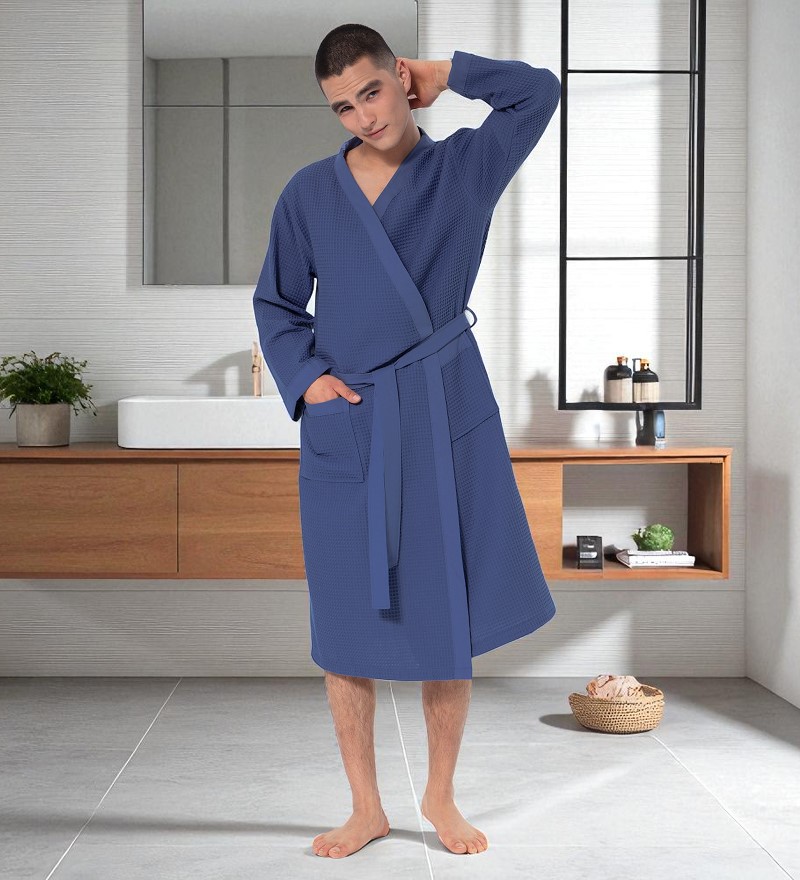
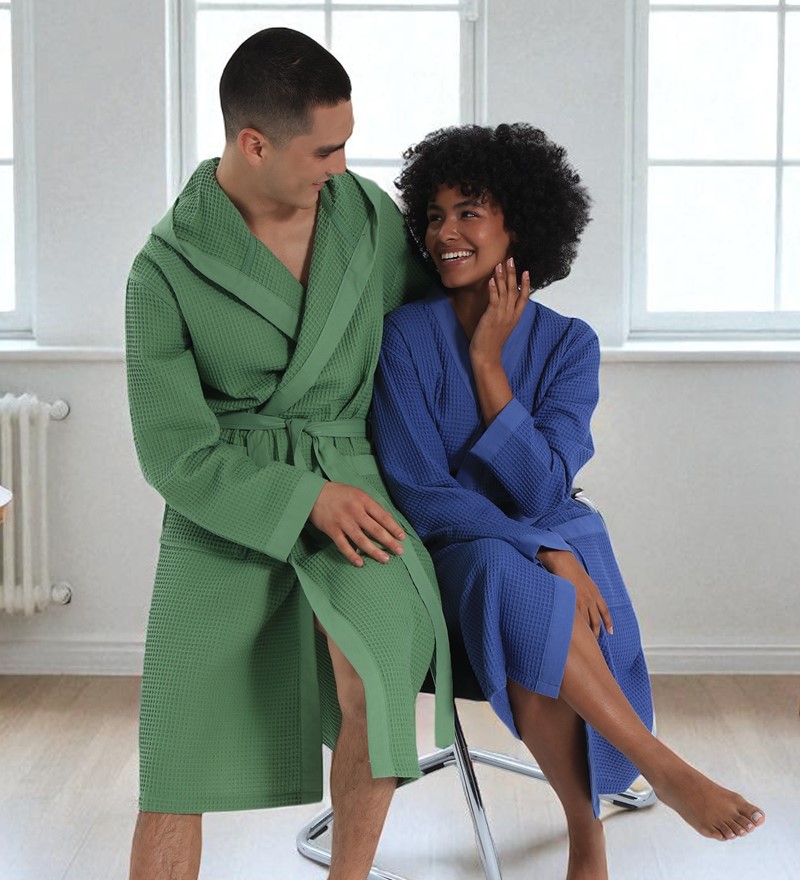
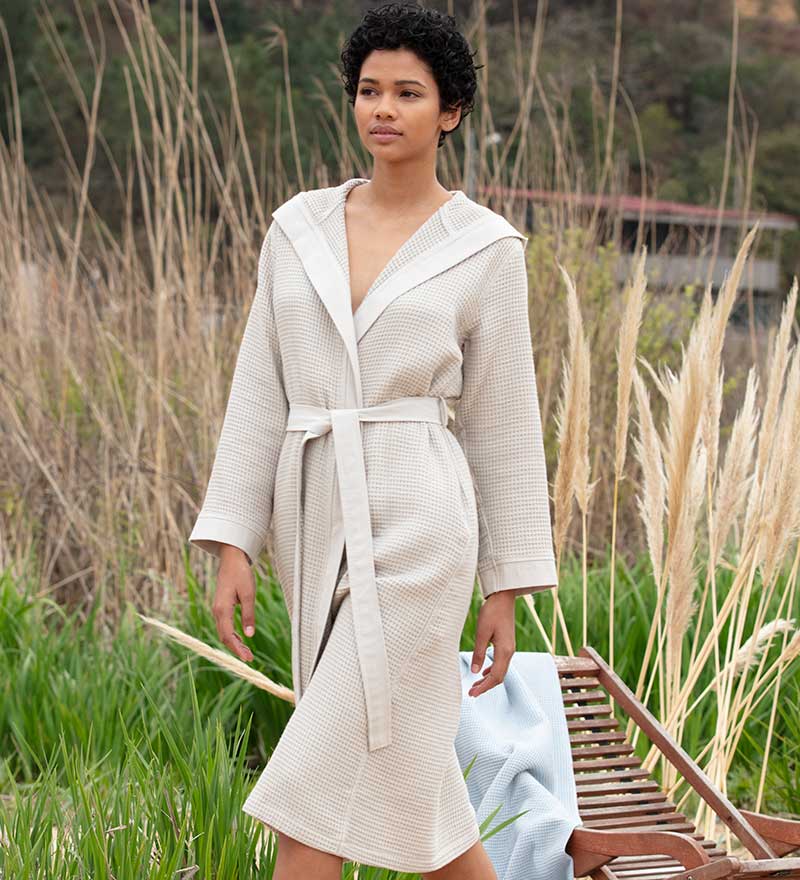
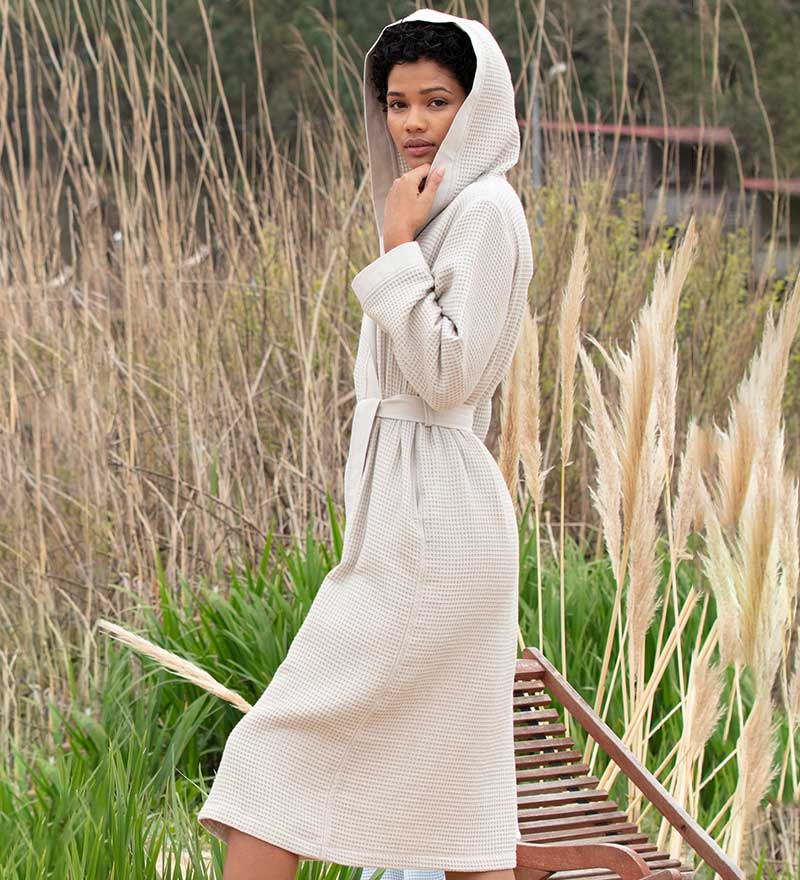
Waffle weave uses a raised texture that creates small pockets in the surface. It feels lighter and more breathable than plush terry, making it useful for warm rooms, travel, and post-bath layering when you don't want a heavy robe.
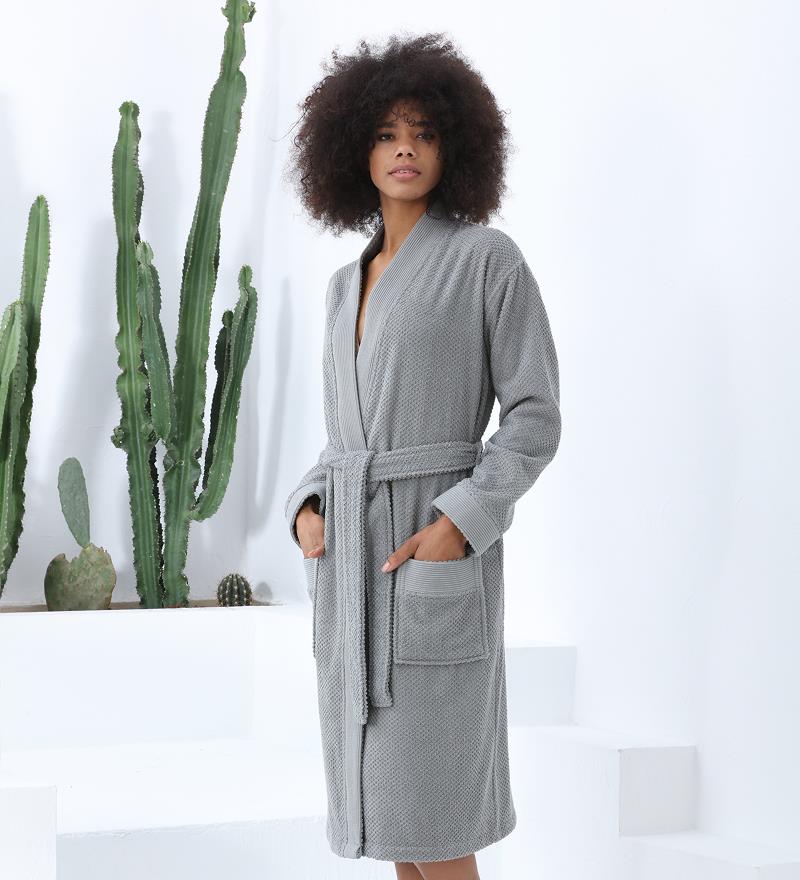
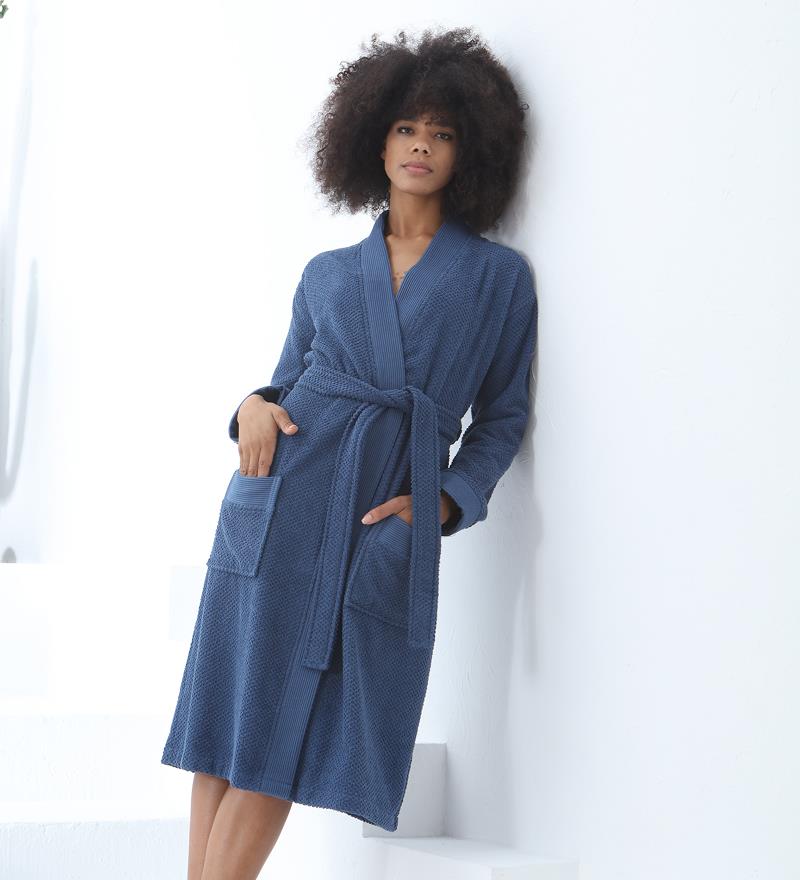
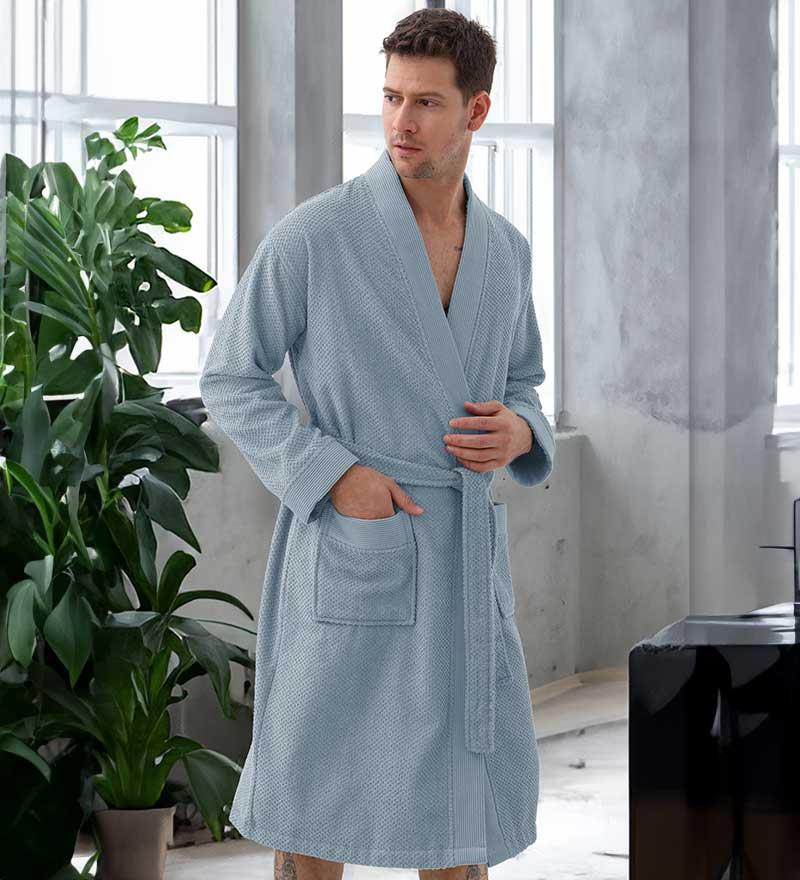
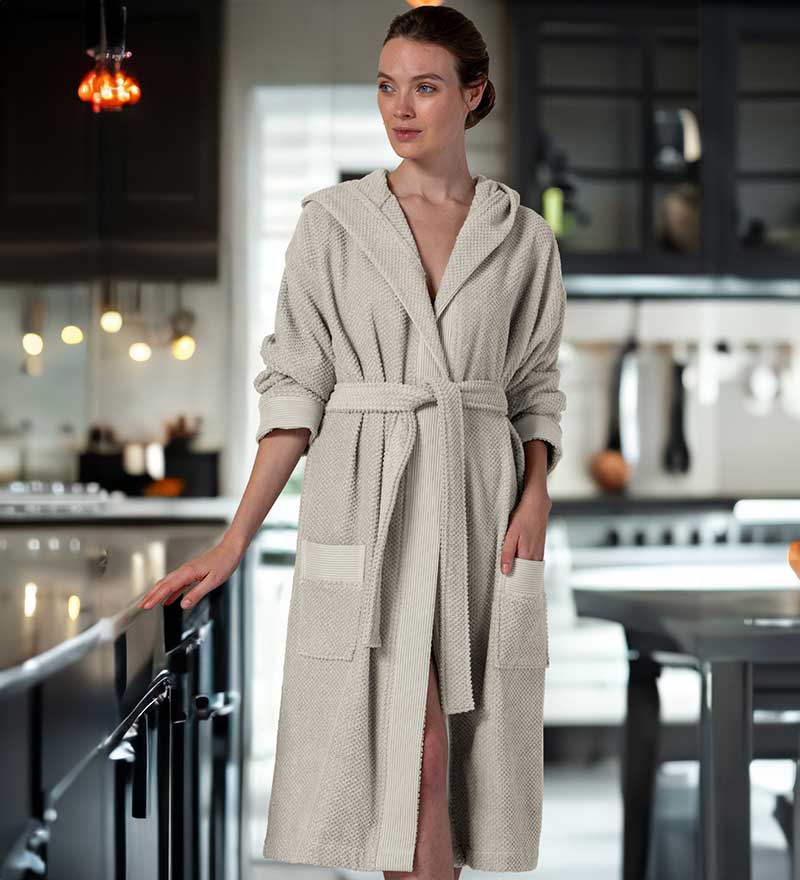
Terry cloth has looped fibers designed to absorb water. It's the familiar towel texture, so it works well after bathing, but its thickness can feel excessive for summer lounging.
Silk has a smooth surface and fluid drape. It can make a kimono-style robe feel elegant, but it usually requires gentler cleaning, careful storage, and protection from snagging.
Synthetic blends can offer easy washing, quick drying, and lower maintenance. Their comfort depends heavily on the specific blend and finish, so check whether the fabric feels breathable rather than judging it by appearance.
A detailed waffle versus terry cloth robe comparison can help if your main question is whether you want texture and lightness or absorbency and plushness.
Choose for the room and routine
For warm weather, choose a lightweight weave with room for air movement. For winter mornings, a denser cotton or terry robe provides more insulation. For spa use, prioritize a robe that dries reliably between uses and doesn't become cumbersome when damp.
Use this simple test before buying:
- Touch: Will the surface feel comfortable against bare skin?
- Weight: Can you sit, walk, and lift your arms easily?
- Absorbency: Do you need moisture management or only coverage?
- Care: Are you willing to hand-wash or dry-clean the garment?
- Layering: Will you wear it alone, over sleepwear, or over an outfit?
A fabric can look luxurious and still be wrong for your routine. The best choice balances hand feel, climate, activity, and maintenance.
How to Choose Fit Sizing and Wear Your Robe Well
Japanese-style robes often fit differently from shaped Western dressing gowns. Since the body is built from straight panels, the key measurements are usually garment length, sleeve length, shoulder width, and total wrap coverage. A size label such as one size, S/M, or L/XL tells you less than the measurement chart.
Start with the robe's intended use. A lounge robe can sit loosely across the chest and waist, while a traditional kimono needs enough length and overlap for controlled wrapping. If you're tall, check the sleeve and hem measurements first. If you're petite, a shorter style may prevent excess fabric from pooling at the wrists or ankles.

Measure before you rely on the label
Lay a robe you already like on a flat surface and measure from the shoulder area to the hem, across the body, and from shoulder to sleeve edge. Compare those numbers with the product chart. For a wrap robe, also check whether the front panels provide enough overlap when you sit, bend, or walk.
A useful robe size guide for small through XXL can help translate body measurements into a practical choice. Don't size down because the robe looks oversized in a product photograph. Extra room may be part of the intended drape.
Wrap it in the right order
For ordinary wear, place the left side over the right. Smooth the collar so it lies flat, then tie the belt at the waist. Traditional obi styling can be more involved than a simple loungewear tie, so use the garment's instructions when the robe includes a structured sash.
Avoid pulling the belt so tightly that the fabric strains across the chest. The wrap should stay secure without creating diagonal drag lines or leaving the front gaping when you move. If you're layering over sleepwear, allow enough room for the underlayer without forcing the robe to sit too low.
Fit check: Sit down, raise both arms, and take a few steps before deciding that the robe fits. A robe that works only while standing still isn't comfortable enough for daily wear.
Sleeve length affects practical coverage. Long sleeves look graceful but can dip into water or food. Shorter sleeves suit household tasks and spa movement. If the robe is for gifting, choose adjustable ties and a generous wrap, then include the measurement chart so the recipient can judge the final fit confidently.
Modern Ways Women Wear Japanese Robes Now
Women now use Japanese-inspired robes across several parts of daily life. One person may wear a light wrap after a shower, another may use it as a travel layer, and someone else may belt it over a simple dress. These uses share a visual language, but they don't require the same level of tradition.
Contemporary fashion has also brought kimono silhouettes, obi references, and layered proportions into current styling. Coverage of 2026 runway trends describes a movement toward more structural and collaborative interpretations rather than superficial decorative references. This 2026 discussion of kimono silhouettes and textile influence places the trend in a broader fashion context without suggesting that a runway-inspired garment is identical to traditional dress.

At home and after bathing
For ordinary lounging, choose a robe that closes easily and stays comfortable while you sit. A lightweight waffle kimono can offer a breathable alternative to plush terry, especially when you want texture without the bulk of a thick bathrobe.
For spa use, think about drying time, sleeve management, and coverage. A short or mid-length robe with a stable belt is often easier to move in than a dramatic floor-length style. If moisture absorption matters, choose a more towel-like fabric rather than a purely decorative silk layer.
Gifting and travel
A kimono-inspired robe makes a thoughtful bridal-party or self-care gift when the pattern, size range, and care instructions are clear. Coordinated colors can create a unified look, but each recipient still needs enough wrap room and sleeve comfort to wear the piece afterward.
Travel favors a robe that folds compactly, resists wrinkles, and dries without special equipment. A casual yukata can work as a destination garment in the right setting, while simplified loungewear is usually more versatile for hotel rooms, changing areas, and long mornings.
Styling outside the bedroom
Wear an open robe over a simple top and trousers for a relaxed layer. Tie it at the waist over a slip dress when you want more shape. Keep the rest of the outfit restrained so the robe's sleeve line, print, or texture remains the focus.
The important distinction is presentation. If you're wearing an inspired garment as fashion, describe it accurately as contemporary kimono-inspired clothing. That wording acknowledges the source of the design without presenting a modern lounge piece as formal traditional attire.
Caring for Your Robe and Making a Confident Choice
A robe stays useful when its care routine matches your willingness to maintain it. Before buying, read the fiber content, washing instructions, drying instructions, and closure details. A garment that needs specialist care may be beautiful, but it won't suit someone who wants to wash a robe after regular use.
Cotton waffle robes generally benefit from gentle washing and careful drying. Avoid treating texture as damage, because the raised surface is part of the weave. Terry robes may tolerate regular laundering, but excessive heat can affect softness, color, and dimensions. Silk and other delicate fabrics need more cautious handling, especially around belts, jewelry, rough surfaces, and crowded storage.
Build care around the material
- Wash gently: Follow the label, use an appropriate cycle, and avoid harsh treatment that can weaken fibers or flatten texture.
- Dry thoughtfully: Air-drying is often the safest choice for preserving shape. If a care label permits machine drying, use a restrained setting rather than relying on intense heat.
- Store with room: Fold heavier robes or hang them on a broad hanger so the shoulders don't stretch. Keep delicate garments away from direct sunlight and snagging accessories.
- Protect the belt: Tie belts loosely for storage, or keep them with the robe so they don't disappear between washes.
The final choice can be reduced to four filters: purpose, fabric, fit, and care. A kimono suits someone who values traditional construction and is prepared to learn its conventions. A yukata offers a casual Japanese robe context with a lighter feel. Kimono-inspired loungewear makes sense when everyday comfort, simple closure, washable materials, and flexible styling matter most.
Your goal isn't to find the most ornate robe. It's to choose one whose structure, material, and cultural description match how you'll wear it. That alignment creates a garment you can enjoy confidently, care for properly, and reach for beyond the first photograph.
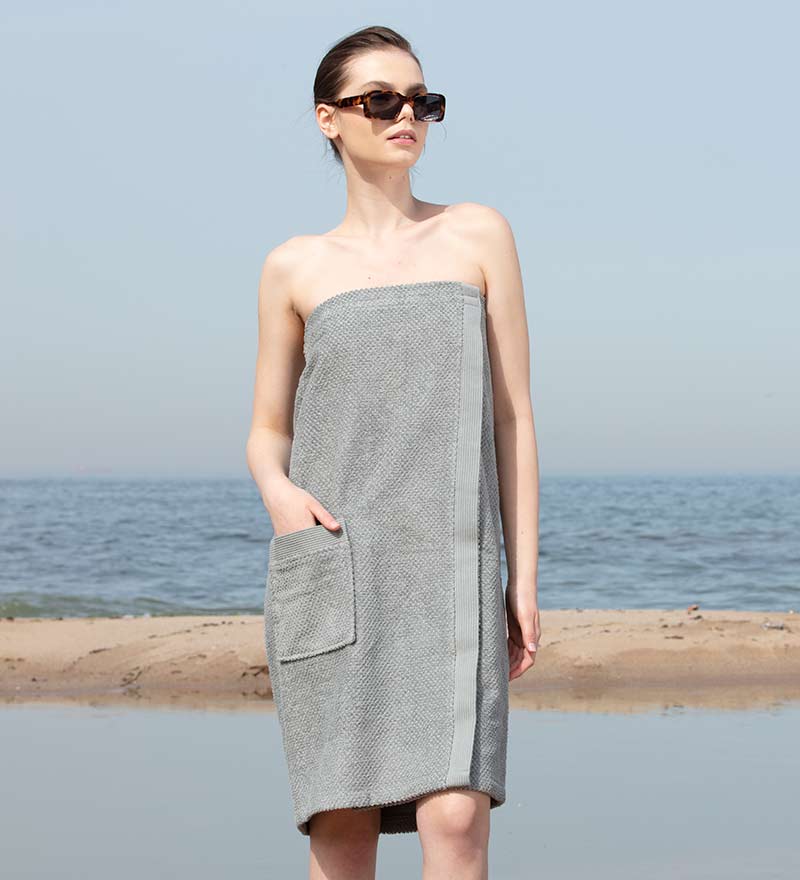
SEYANTE offers women's kimono-style robes in lightweight waffle weaves and Turkish cotton terry, including options made from GOTS-certified organic cotton for breathable, spa-inspired comfort. Visit SEYANTE to compare materials, silhouettes, sizing guidance, and robe styles for everyday self-care, gifting, or relaxed layering.
Related Posts


Featured Products
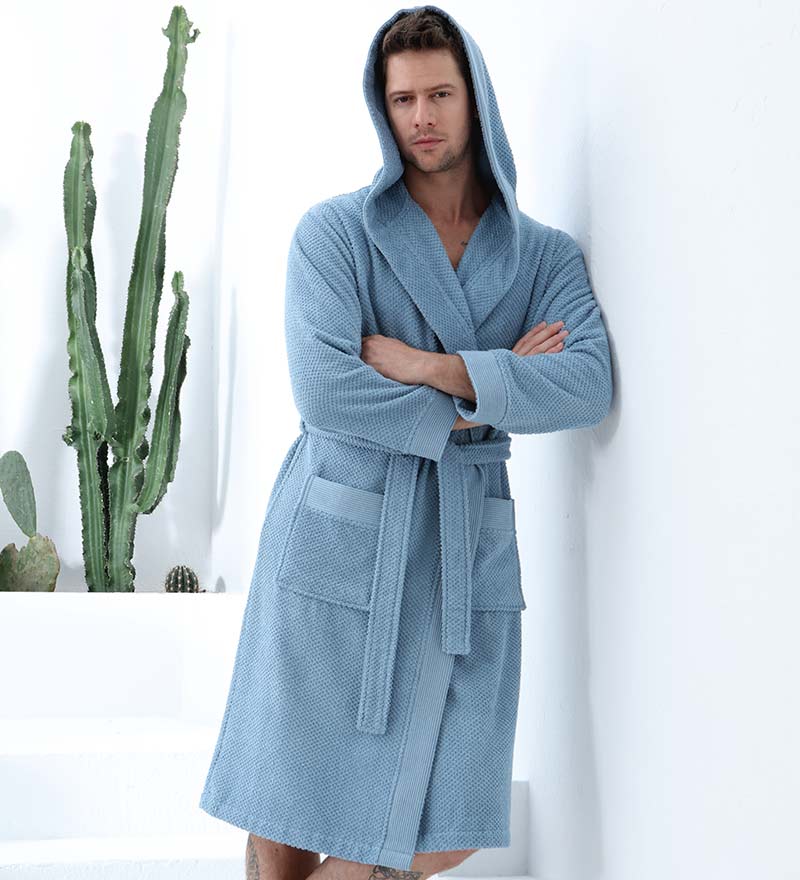

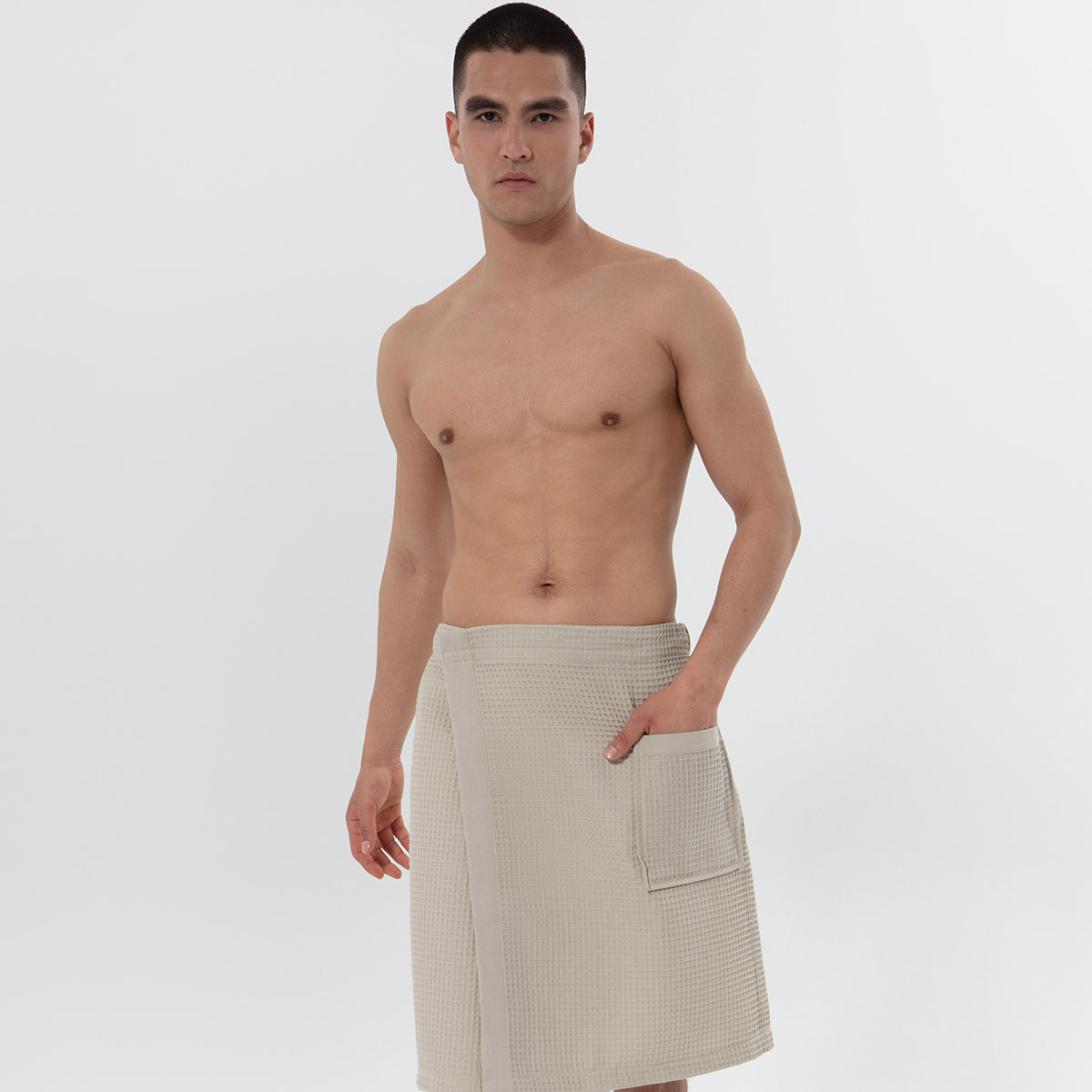

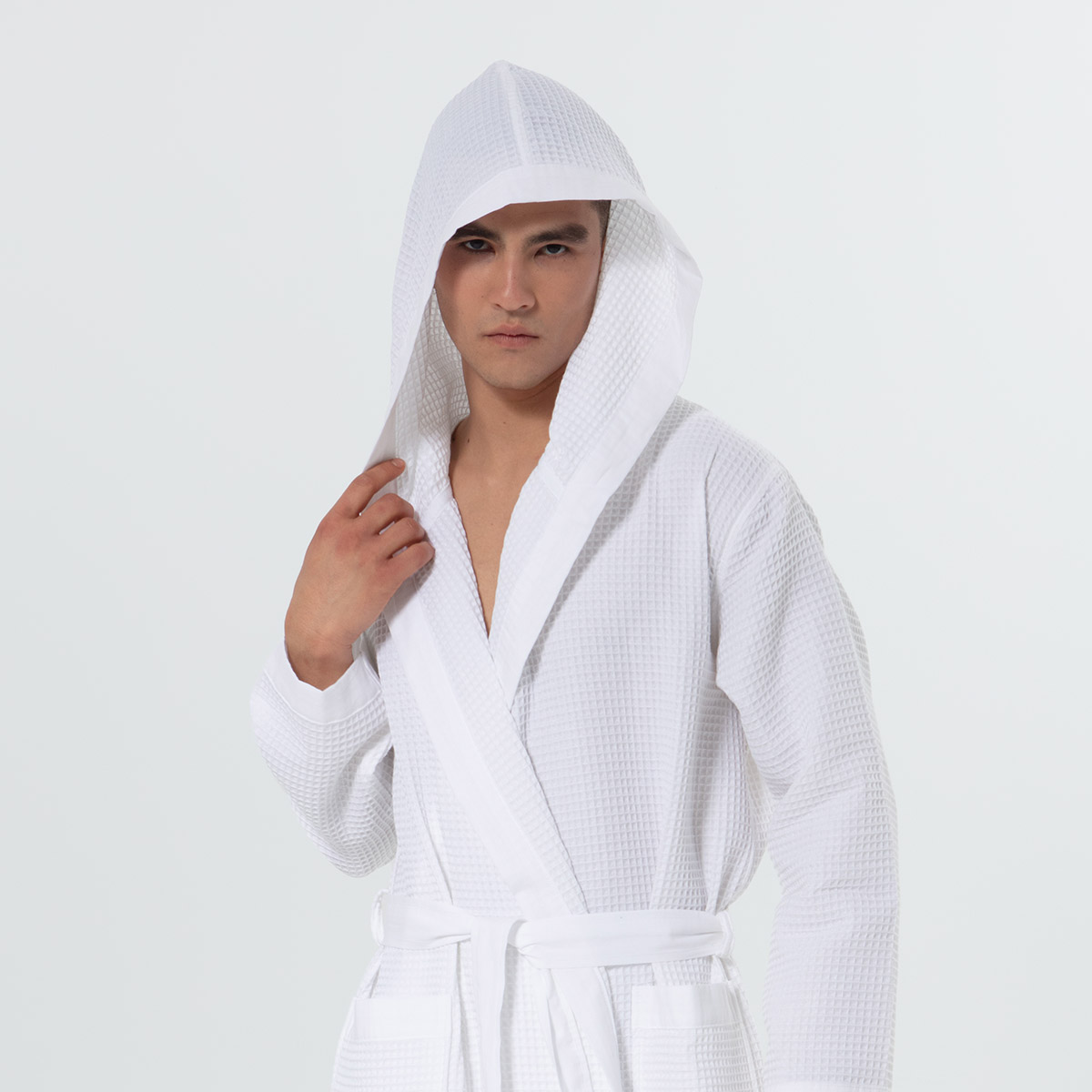

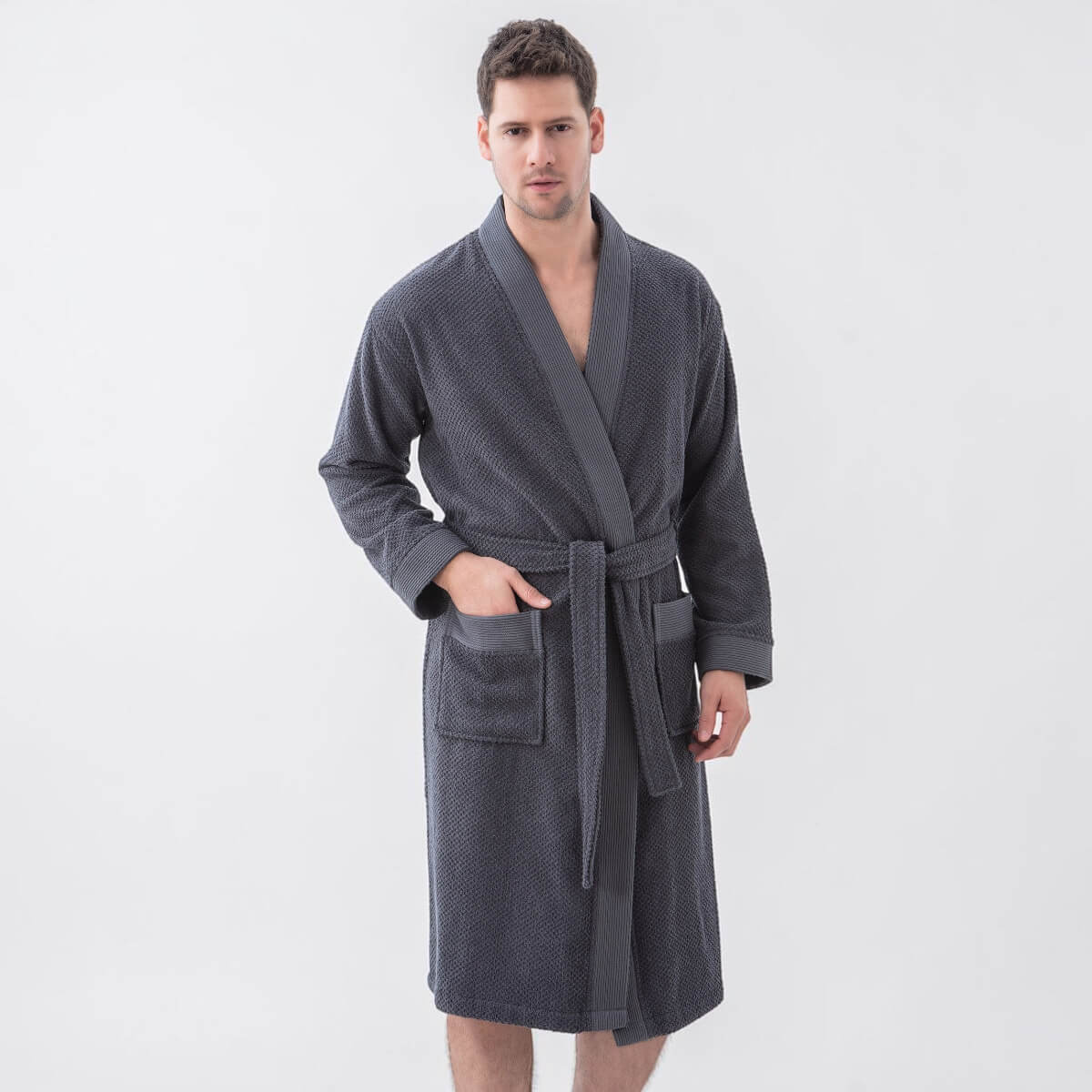





Offering high-quality bathrobes for both women and men with GOTS certification
Our commitment to excellence is reflected in our use of the Global Organic Textile Standard (GOTS) certification for our products. GOTS is a benchmark for organic textiles, ensuring environmentally friendly and socially responsible manufacturing processes.





FREE STANDART DELIVERY
STRESS-FREE SHOPPING
ONLINE CUSTOMER SERVICE