Organic Cotton Robe Womens: The Ultimate Buying Guide
- Why Your Robe Choice Matters More Than You Think
- Understanding Organic Cotton Certifications and Sourcing
- Comparing Terry, Waffle, and Lightweight Weave Options
- Choosing the Right Style and Fit for Your Needs
- Care Instructions and Longevity Strategies
- Sustainability Impact and Real-World Use Cases
- What Sets SEYANTE Apart in the Organic Cotton Robe Market
You've just stepped out of the shower, your skin is warm, and the robe waiting on the hook looks perfect in the product photos. Then reality arrives. The fabric feels heavy instead of absorbent, the belt slips loose, the sleeves drag through breakfast, or the “organic” label turns out to mean little more than a polished marketing phrase.
Choosing an organic cotton robe for women involves more than selecting a color and size. The fiber, certification, weave, seams, fit, and care instructions all shape how the robe performs against your skin and how long it remains useful. My advice is simple: verify the organic claim first, then choose construction based on your actual routine. A beautiful robe that stays damp, gaps at the waist, or loses its shape quickly isn't a premium purchase.
Why Your Robe Choice Matters More Than You Think
A robe sits against your body during some of the most unhurried parts of the day. You might wear it after bathing, while drying your hair, during a slow weekend morning, or while getting ready with friends. Those moments expose every weakness in the garment. A fabric that looks plush online may trap too much warmth. A lightweight weave may feel elegant but offer little comfort in a cold bathroom. A loose wrap may appear relaxed yet become irritating when you're moving around.
Organic cotton robe womens searches often begin with sustainability, but daily performance should decide the purchase. Cotton construction affects how quickly moisture leaves the skin, how much air circulates, how heavy the robe feels, and whether it softens with care or breaks down prematurely. A robe for post-shower use needs a different balance from one intended for lounging over sleepwear.
The fabric is part of the experience
Terry cloth usually suits buyers who want immediate absorbency and warmth. Waffle fabric feels more breathable and often dries faster, which makes it practical for warm rooms, travel, and repeated use between laundry days. A lighter plain or textured weave can sit between those extremes, giving you a robe that layers easily without feeling bulky.
Skin sensitivity also makes material verification important. GOTS defines organic cotton as cotton grown without toxic, persistent pesticides and synthetic fertilizers, while the standard verifies organic integrity through the textile supply chain rather than treating the farm claim as sufficient. GOTS's organic cotton guidance explains why the processing chain matters alongside the fiber itself.
Practical rule: Choose the robe for the moment you'll wear it most, not the fantasy version of your lifestyle shown in a styled photograph.
Luxury depends on construction
A robe can have certified fiber and still disappoint if the manufacturer cuts corners elsewhere. Check the density and feel of the fabric, the neatness of the hems, the attachment of belt loops, and whether the belt is wide enough to hold the wrap securely. Look for a size chart with garment measurements, not just generic body-size labels.
The rest of your decision should answer four questions:
- How will you use it? Post-shower absorbency, lounging, travel, gifting, and hospitality each favor different designs.
- How warm is your environment? A thick robe can be comforting in a cool bathroom but excessive in a heated bedroom.
- How much movement do you need? Sleeve length, wrap depth, and hem length matter if you cook, clean, or get ready while wearing it.
- Can the claim be verified? “Natural,” “eco,” and “organic cotton” aren't interchangeable with audited certification.
Understanding Organic Cotton Certifications and Sourcing
“Organic cotton” should describe more than the crop. For a finished robe, the meaningful question is whether the organic material remains identifiable and controlled through spinning, weaving, dyeing, finishing, and manufacturing. The Global Organic Textile Standard, or GOTS, is the benchmark I'd look for first because it addresses organic integrity across the textile supply chain, not only farming.
Certification infrastructure has expanded into a broader compliance network. GOTS reported 17,800 certified facilities worldwide as of 1 January 2026, compared with 15,441 in 2024, a change of 15.3%, according to the GOTS industry report. The same source also identifies 13,549 certified facilities across 84 countries in 2022, showing how certification supports textile production across established manufacturing regions.
What to check on a product page
Start with the exact wording. A product described as “made with organic cotton” may contain certified organic fiber without the finished garment carrying full processing certification. That wording isn't automatically deceptive, but it demands more questions. A fully certified textile should identify the certification standard and provide a verifiable license or certification reference.
Use this checklist before buying:
- Find the standard name. Look for GOTS, not just “organic” or “sustainable.”
- Look for a license number. A serious claim should connect the brand or product to a certification record.
- Check the fiber composition. Confirm whether the robe is entirely organic cotton or blended with other fibers.
- Ask about processing. The brand should be able to explain where the fabric is spun, woven, dyed, and finished.
- Review the product and company pages together. The certificate should relate to the manufacturing chain, not merely a general sustainability statement.
- Treat vague badges cautiously. A leaf icon, “clean” label, or unlinked claim doesn't verify the supply chain.
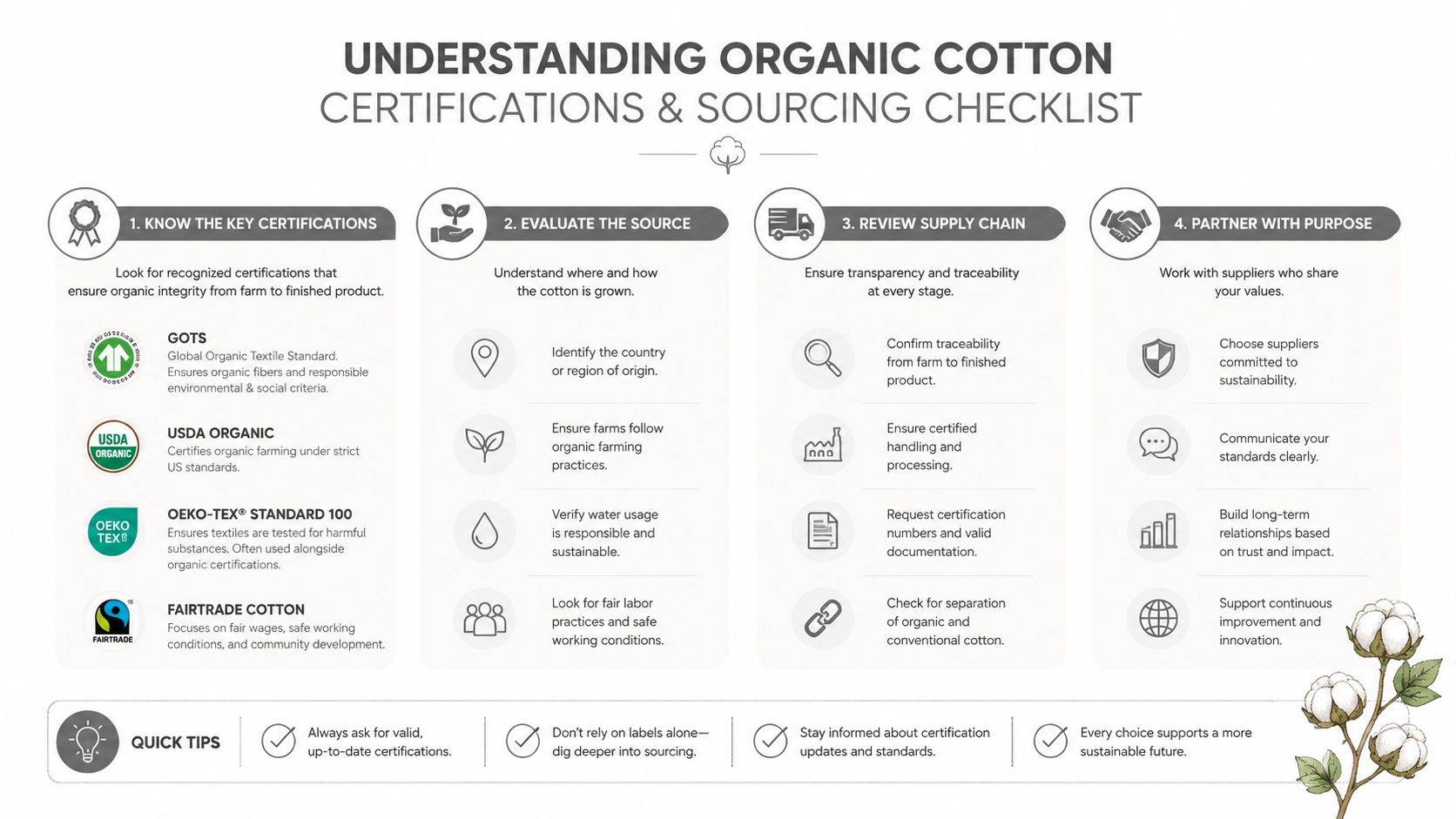
For a practical explanation of what certification means for bathrobes, this guide to GOTS-certified organic bathrobes is useful background. The important distinction is chain of custody. A robe can begin with organic cotton and still require scrutiny over dyes, finishing agents, worker protections, and material separation before the final product deserves a strong certified-textile claim.
Why traceability affects price and availability
Organic cotton remains a limited share of global cotton supply. One 2022/23 estimate placed organic cotton at about 772 thousand tonnes, or 3.2% of world cotton production, while a separate 2020/21 estimate placed it at 342,265 tonnes, or about 1.4%. That 2020/21 dataset also reported 621,691 hectares of certified organic land and 293,204 hectares in conversion. These figures come from the OECD-FAO Agricultural Outlook cotton analysis.
For shoppers, the implication is practical. A certified organic robe depends on available certified fiber, suitable mills, audited dyeing and finishing, and documented movement through the chain. Don't judge a robe's credibility by the word “organic” alone. Judge it by the evidence a brand is willing to show.
Comparing Terry, Waffle, and Lightweight Weave Options
The right weave depends on what you expect the robe to do. Terry is the absorbency choice. Waffle is the breathable, quick-drying choice. Lightweight fabric is the adaptable middle ground. No weave wins every category, so don't let “spa” language make the decision for you.
| Weave Type | Absorbency | Drying Speed | Weight | Best Use Case |
|---|---|---|---|---|
| Terry | High | Slower than lighter constructions | Heavier | Post-shower drying, cold bathrooms, spa-style lounging |
| Waffle | Moderate | Fast | Light to moderate | Warm climates, travel, layering, everyday wear |
| Lightweight weave | Moderate | Moderate to fast | Light | General lounging, getting ready, indoor movement |
Terry cloth for moisture and warmth
Terry uses raised loops that create more surface area for absorbing water. That makes it the sensible option if you want to step out of the bath and rely on the robe to help dry your body. The trade-off is weight. A dense terry robe takes longer to dry and can feel cumbersome if you're wearing it while doing chores or preparing breakfast.
Choose terry when your priority is post-shower comfort, not minimal bulk. Check the robe's finishing carefully, because loose loops, weak belt loops, and poorly secured hems become more noticeable in a heavier garment.
Waffle weave for airflow
Waffle fabric has a textured structure that gives it a lighter, more ventilated feel. It works well for warm rooms, layering over pajamas, and routines where you'll wear the robe for a while rather than use it as a towel. It also packs more easily than a substantial terry robe.
Recent coverage of bath textiles highlights low-twist organic cotton constructions designed to preserve absorbency and quick-dry performance, a useful reminder that fiber origin alone doesn't determine behavior.
Lightweight options for daily flexibility
A lightweight robe is the safest choice if you want one garment for lounging, travel, changing after exercise, and warm-weather mornings. It won't provide the same enveloping warmth as plush terry, but it's less likely to become oppressive or stay damp.
For a deeper practical comparison, use this waffle versus terry robe guide. My recommendation is straightforward: buy terry for drying, waffle for breathing, and lightweight fabric for versatility. If you're uncertain, choose the weave that matches your least comfortable routine, such as a humid bathroom or a chilly winter morning.
Choosing the Right Style and Fit for Your Needs
A robe should wrap securely without forcing you to cinch the belt until the fabric bunches. The best silhouette gives you room to move while keeping the neckline, shoulders, and waist stable. Start with use, then consider appearance.
A hooded robe makes sense if you want warmth around your head and neck or prefer to wrap your hair after bathing. The hood adds comfort but also adds fabric near the face, so inspect its size and weight if you dislike anything bulky. A kimono robe has a cleaner neckline and a more fluid drape, making it practical for bridal-party coordination, getting ready, or wearing over sleepwear.
A hotel-style cut generally favors a more structured appearance, with a substantial wrap, defined collar, and polished finish. Maternity designs need extra room through the front and waist, but the belt placement still matters. A belt that sits too high can feel restrictive, while one that sits too low may allow the robe to open when you walk.
Match length and sleeves to movement
Knee-length robes are easy to walk in and suit quick post-shower routines. Midi lengths provide more coverage without the drag of an ankle hem. Ankle-length designs feel more enveloping, but they're better for sitting and lounging than for moving around a busy home.
Sleeve length deserves equal attention. Three-quarter sleeves keep cuffs away from sinks and counters. Full sleeves feel warmer but may need a secure cuff. When reviewing a size chart, compare your bust, waist, hip, and sleeve measurements with the garment's stated measurements. Don't automatically size up for comfort. More room can create a shallow overlap, causing the robe to gap even when the shoulders fit.
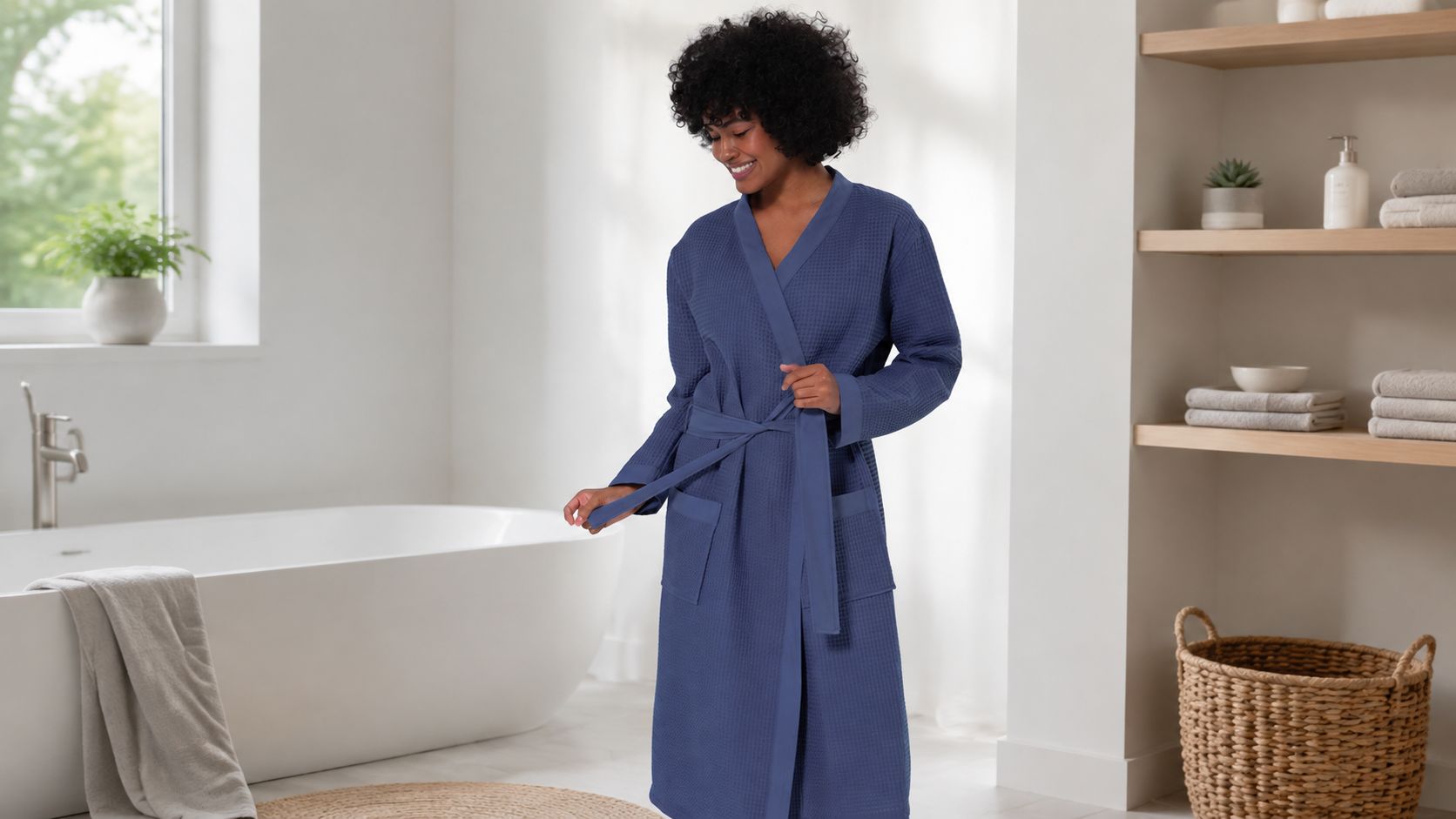
If you want a specific example of a lighter silhouette, Women's Lavender Blue Lightweight Kimono Waffle Spa Robe is described as a women's kimono waffle robe made from 100% GOTS-certified organic Turkish cotton, with a lightweight, breathable construction for everyday use.
Secure the wrap before judging the fit
Try the robe with the belt tied at its intended position, then walk, sit, and raise your arms. The inner tie, if included, should help stabilize the front. Pockets should sit where your hands naturally fall, not so low that they pull the robe downward.
Fit test: If the robe feels comfortable only while standing still, it isn't a good everyday fit.
Care Instructions and Longevity Strategies
Organic cotton becomes a better purchase when you care for it as a textile rather than treating it like a disposable layer. Follow the garment label first, but the general rules are consistent: wash with similar colors, avoid unnecessarily harsh cycles, and don't use more detergent than the fabric needs.
Fabric softener is a common mistake. It coats cotton fibers and can reduce the robe's ability to absorb moisture, exactly the quality many buyers want from terry or textured cotton. Use a mild detergent, choose a water temperature suitable for the dye and construction, and avoid overloading the machine so the robe can rinse properly.
Wash for use, not habit
You don't need to wash a robe after every brief lounging session if it remains clean and dry. Air it fully between wears, spot-clean small marks, and wash it when it has absorbed sweat, product residue, or water repeatedly. Over-washing adds mechanical and chemical stress to the fibers, while under-drying can create stale odors.
For a detailed routine covering washing, storage, and drying, follow this robe care guide. The practical priority is complete drying. Hang the robe where air can circulate, and don't leave a damp garment folded over a chair or packed into a closet.
Protect shape, color, and small details
Drying on a moderate setting or air-drying helps limit unnecessary heat stress. Avoid direct, intense sunlight for dyed robes if you're concerned about fading. Fold or hang the garment without crushing the collar, and keep the belt attached or stored with the robe so it doesn't disappear in the laundry.
Inspect seams and belt loops occasionally. Clip a loose thread rather than pulling it, and repair a weakened loop before it tears away from the side seam. Natural cotton softness can improve with sensible washing, but persistent pilling, thinning, or distorted seams signals a construction problem rather than a normal care result.
Sustainability Impact and Real-World Use Cases
If you are choosing an organic cotton robe womens style for frequent use, verify more than the fiber name. Organic cotton can reduce environmental impact, but the claim matters only when certification covers farming, processing, manufacturing, and the finished product. Ask for the certification standard and scope, then check that the specific robe or supply chain is covered. A vague “eco” label does not prove certified sourcing.
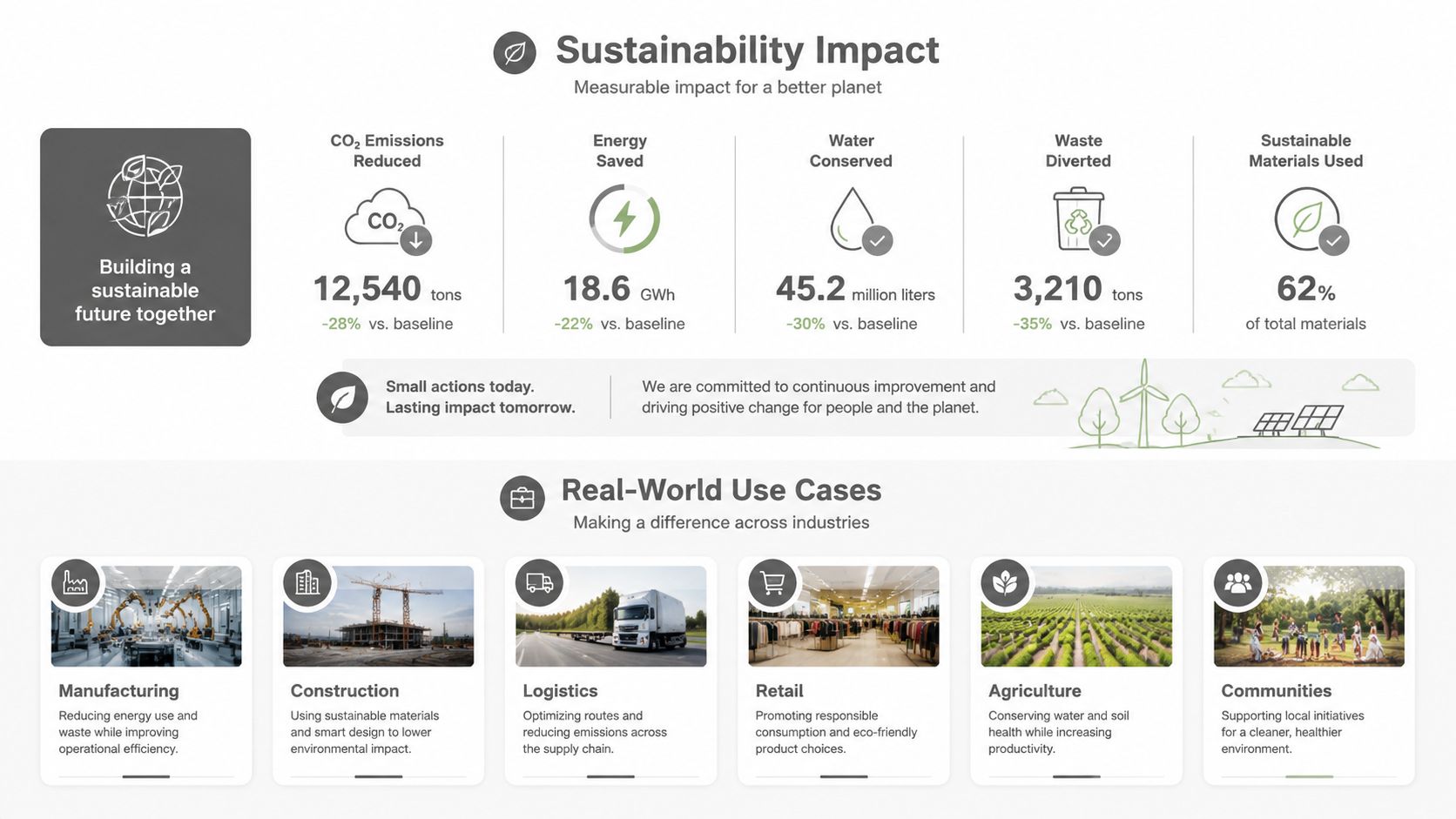
A comparative life-cycle assessment reported 46% lower global warming potential, 70% lower acidification potential, 26% lower eutrophication potential, 91% lower blue-water consumption, and 62% lower primary energy demand for organic cotton compared with conventional cotton. These figures appear in the comparative organic cotton life-cycle assessment.
The fiber is only the starting point. Dyeing, finishing, transport, packaging, and laundering also affect the robe's footprint. Choose construction that will remain comfortable and usable, because a durable robe earns more wear than one bought for a persuasive marketing claim.
Buy for the routine you have
For post-shower self-care, choose terry for absorbency, a secure wrap, and enough length to stay comfortable while your skin dries. A hood helps if wet hair and cool air are common.
For warm-weather lounging, choose waffle or another lightweight weave. Look for airflow, shorter or three-quarter sleeves, and a belt that stays tied as you move.
For bridal-party preparation, a coordinated kimono silhouette is more practical than a heavy hotel-style robe. It layers over clothing, photographs neatly, and avoids unnecessary warmth.
For boutique hospitality, document fiber, certification, and processing claims before ordering. Guests notice texture quickly, while buyers need consistent sizing, clean finishing, and construction that tolerates institutional laundering.
For daily indoor wear, select the lightest fabric that suits your climate. To coordinate the robe with other lower-impact bath textiles, browse eco-friendly bath items.
The soundest purchase joins verified sourcing with a weave you will wear often. Sustainability depends on the label, construction, service life, and the care routine you can maintain.
What Sets SEYANTE Apart in the Organic Cotton Robe Market
SEYANTE is a useful example of the criteria that matter in this category because its range brings certification, fabric construction, and silhouette into the same buying decision. The brand offers robes made from 100% Turkish cotton terry and lightweight waffle weaves, with many styles identified as GOTS-certified organic. That gives shoppers a clearer starting point than a generic “eco robe” label, although buyers should still review the certification information attached to the specific product.
The collection covers several distinct use cases rather than forcing one fabric into every routine. Hooded designs suit warmth and hair coverage. Kimono robes suit lighter layering and coordinated preparation. Hotel-grade styles focus on a more structured spa feel, while maternity options address changing proportions. Terry and waffle choices let the buyer decide between absorbency and breathability instead of treating luxury as one fixed texture.
Practical policies reduce fit risk
Online robe shopping has one obvious weakness: you can't test the overlap, sleeve length, or fabric weight before ordering. SEYANTE provides sizing guidance and supports the purchase with free standard US shipping across all 50 states and military bases, along with hassle-free 90-day returns. Those policies don't replace careful measurement, but they make it easier to evaluate the actual fit at home.
The brand also serves both individual shoppers and wholesale hospitality buyers. That matters because an organic cotton robe womens purchase may be personal, a coordinated gift, or part of a guest-room specification. In each case, the same standards apply: confirm the material claim, choose the weave for the setting, and inspect fit and finishing rather than relying on lifestyle photography.
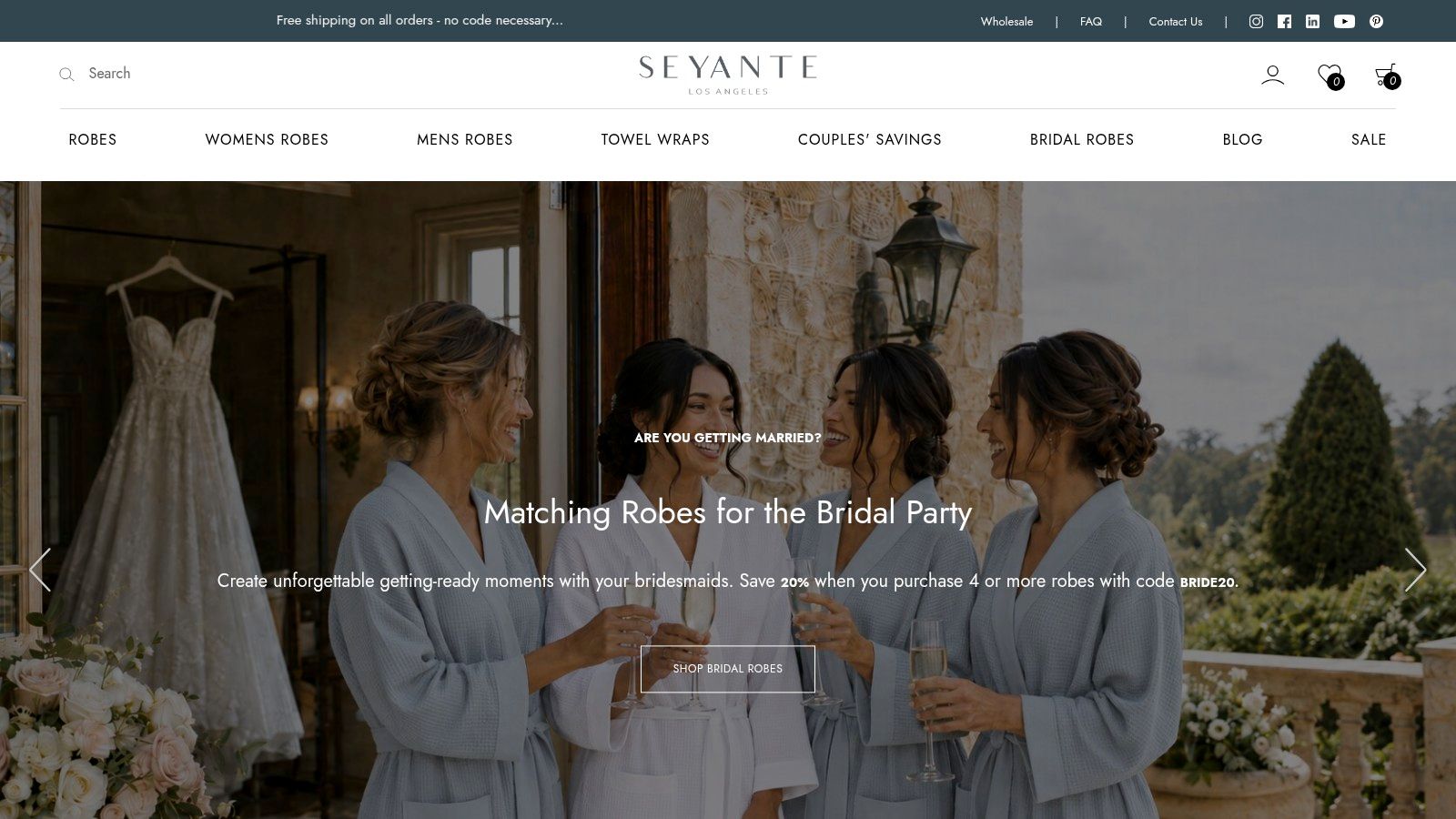
Buying position: SEYANTE makes the most sense for shoppers who want certified Turkish cotton options, multiple robe constructions, and a return window that allows a real fit check.
If you're ready to buy, start by measuring your body against the product chart, decide whether you need terry or waffle, and verify the certification language on the exact listing. Then visit SEYANTE to explore its GOTS-certified organic cotton robes, women's silhouettes, and options for everyday lounging, gifting, or hospitality use.