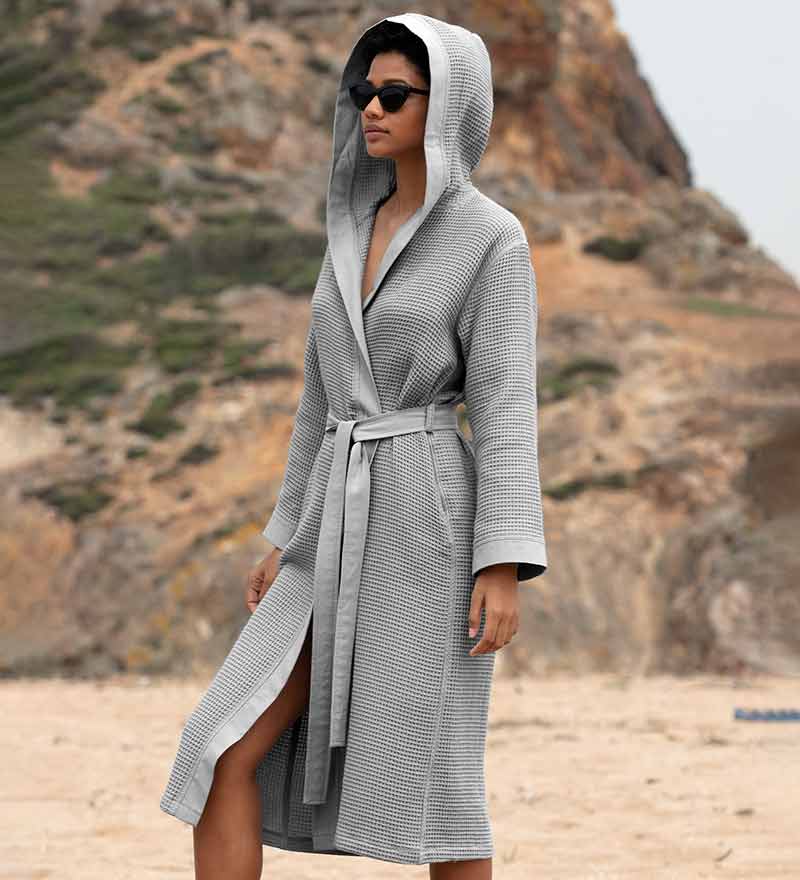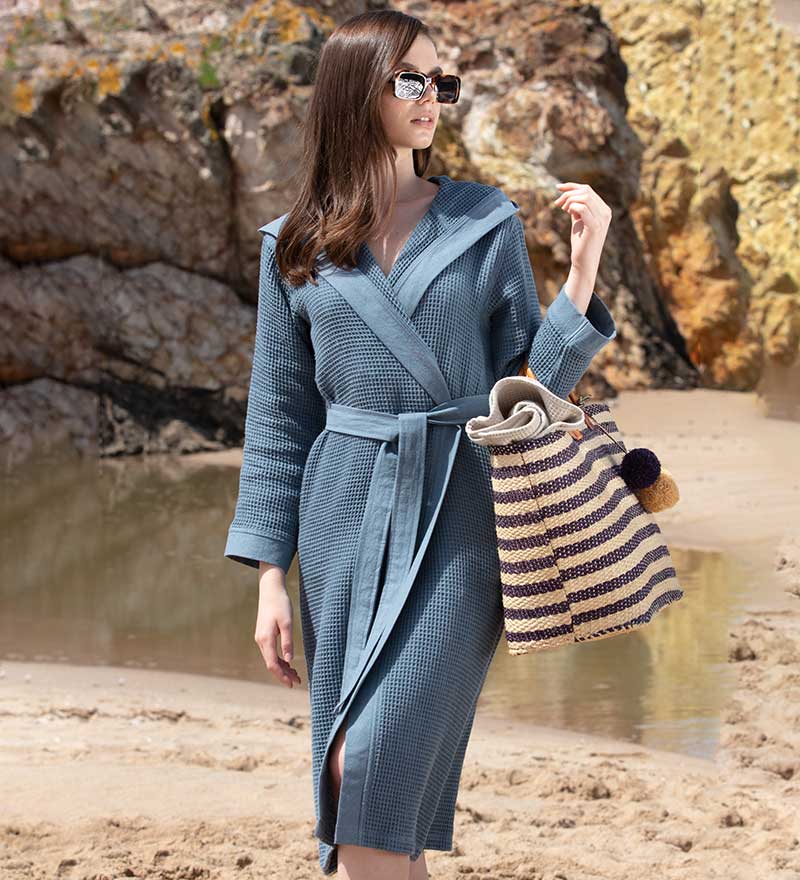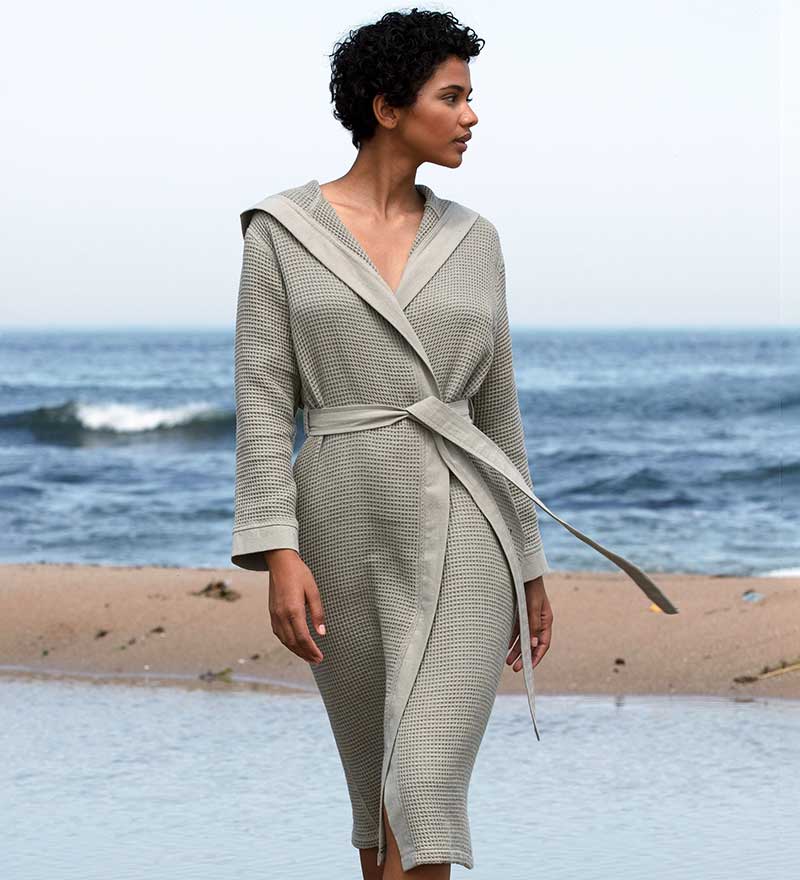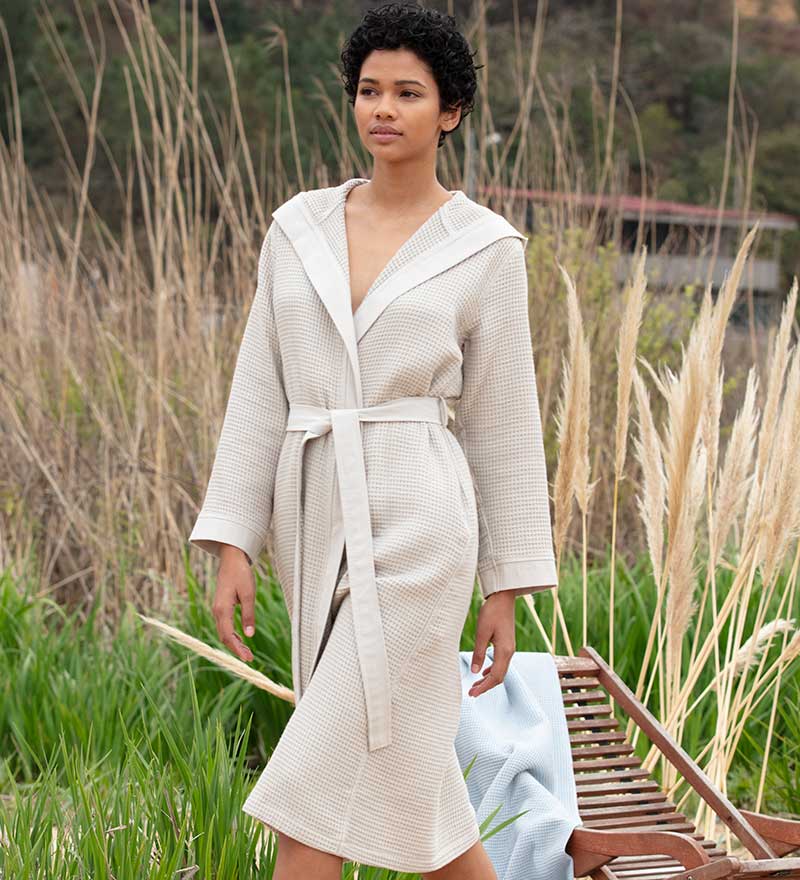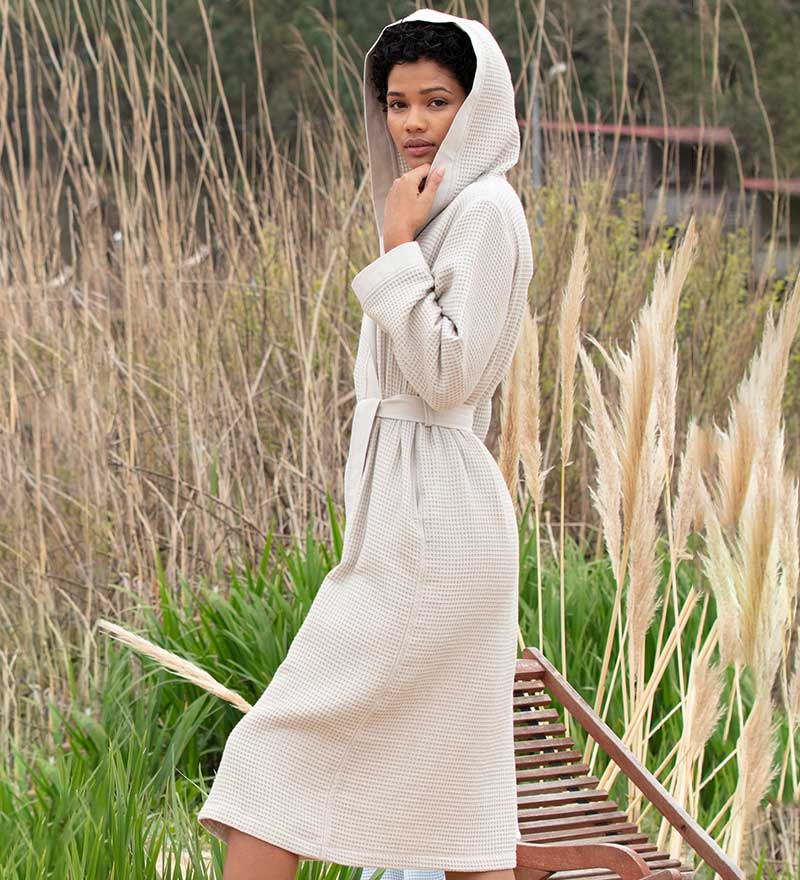



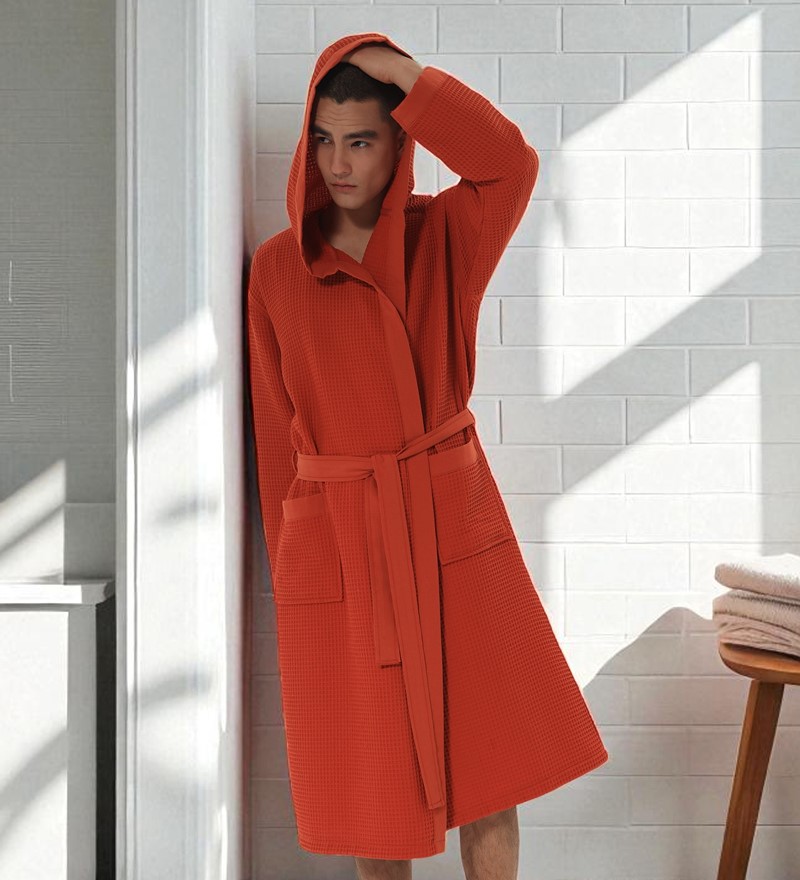
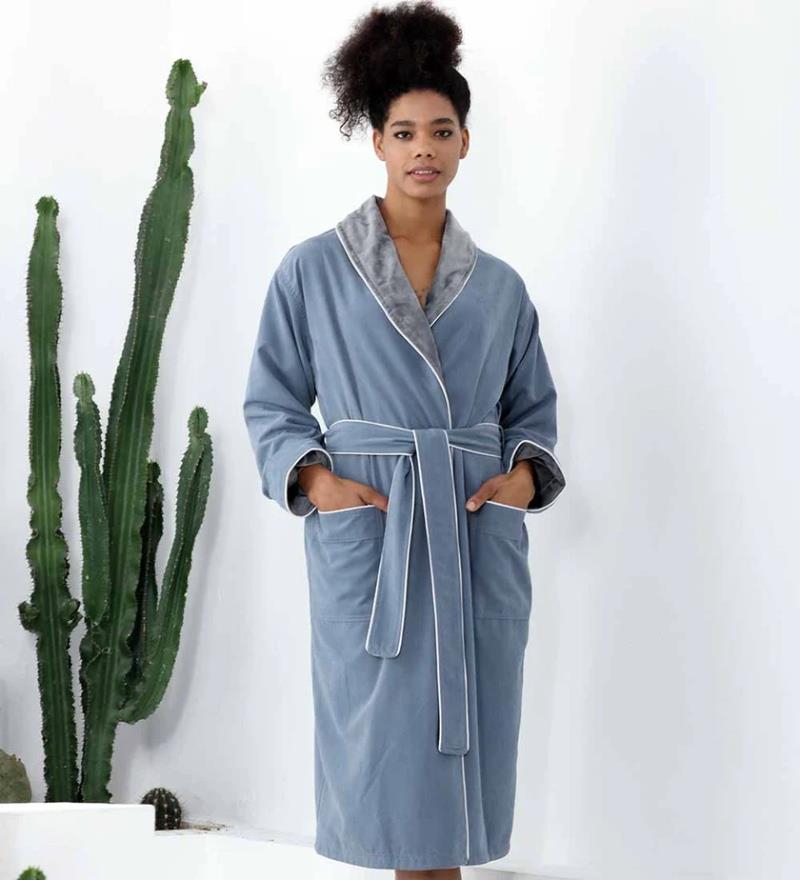
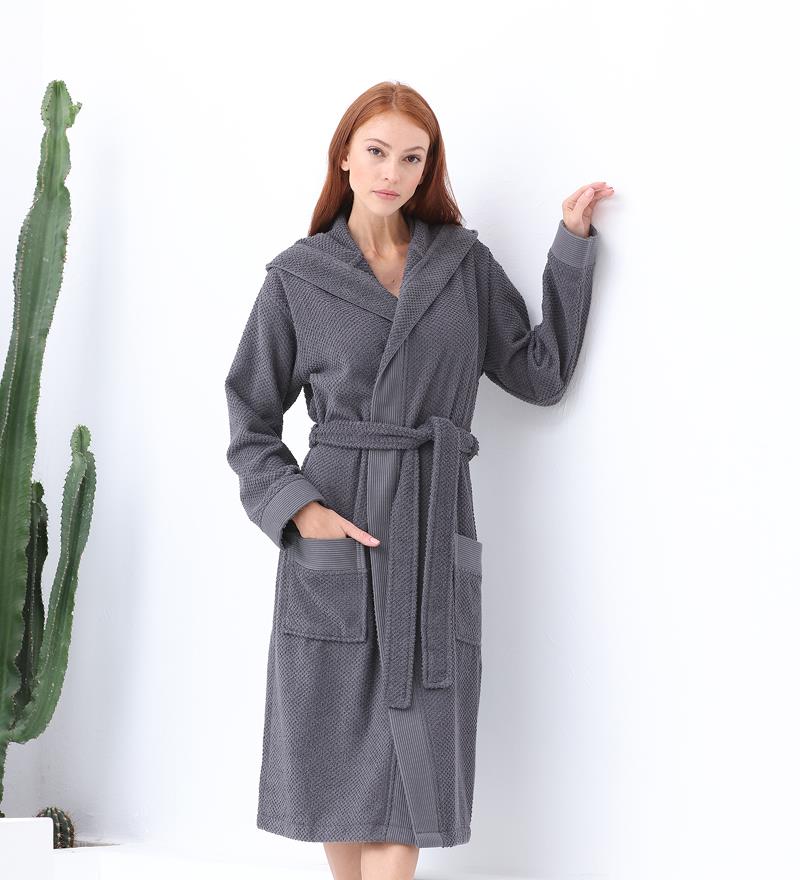
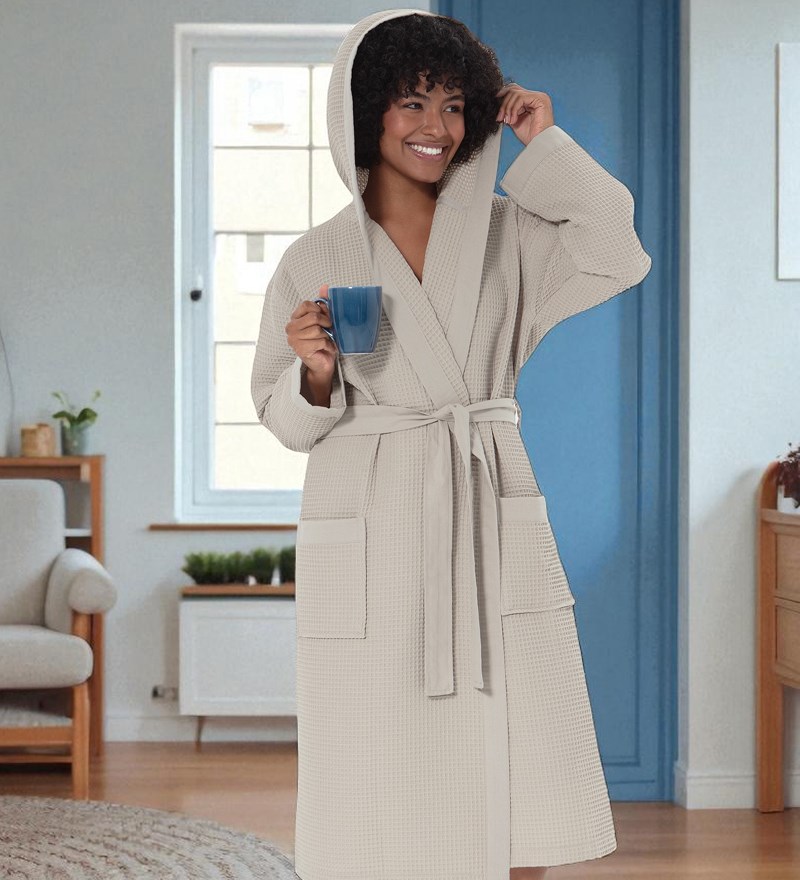
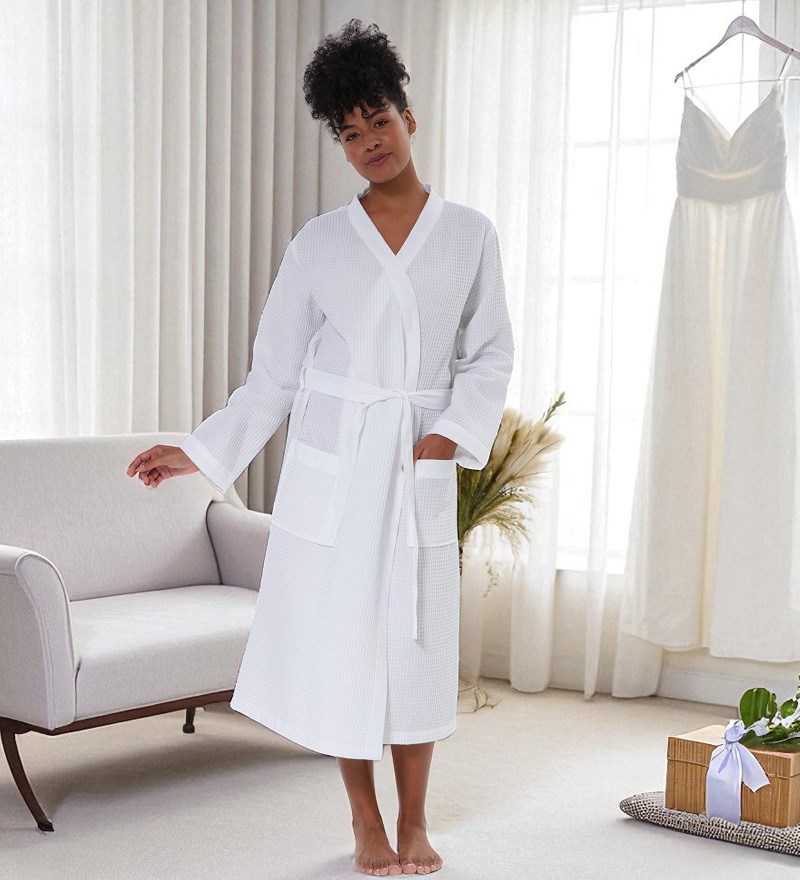
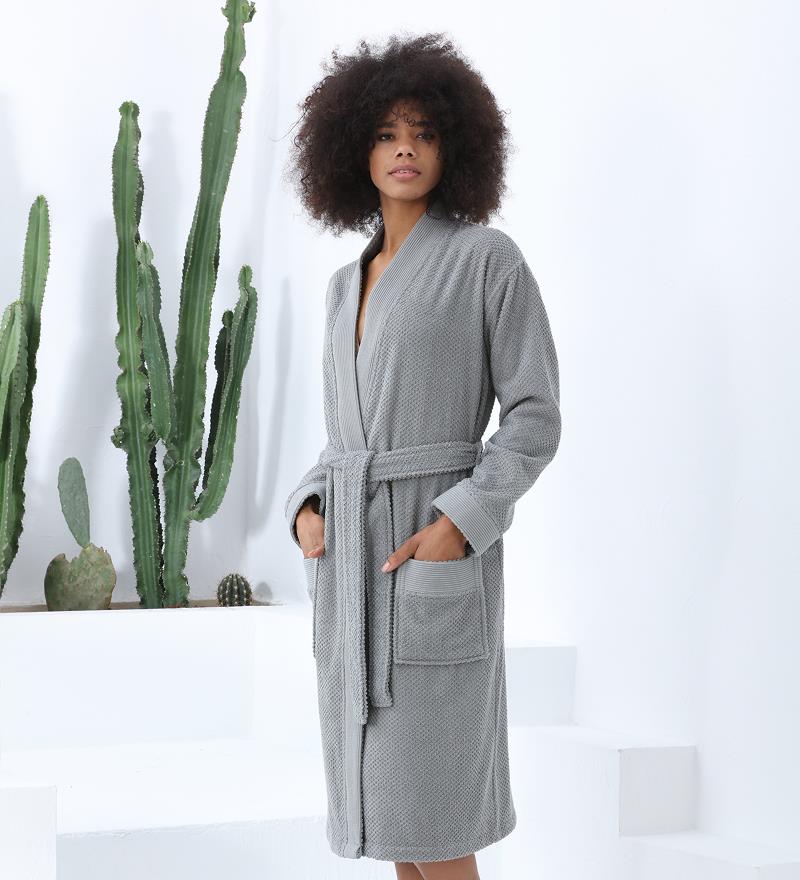
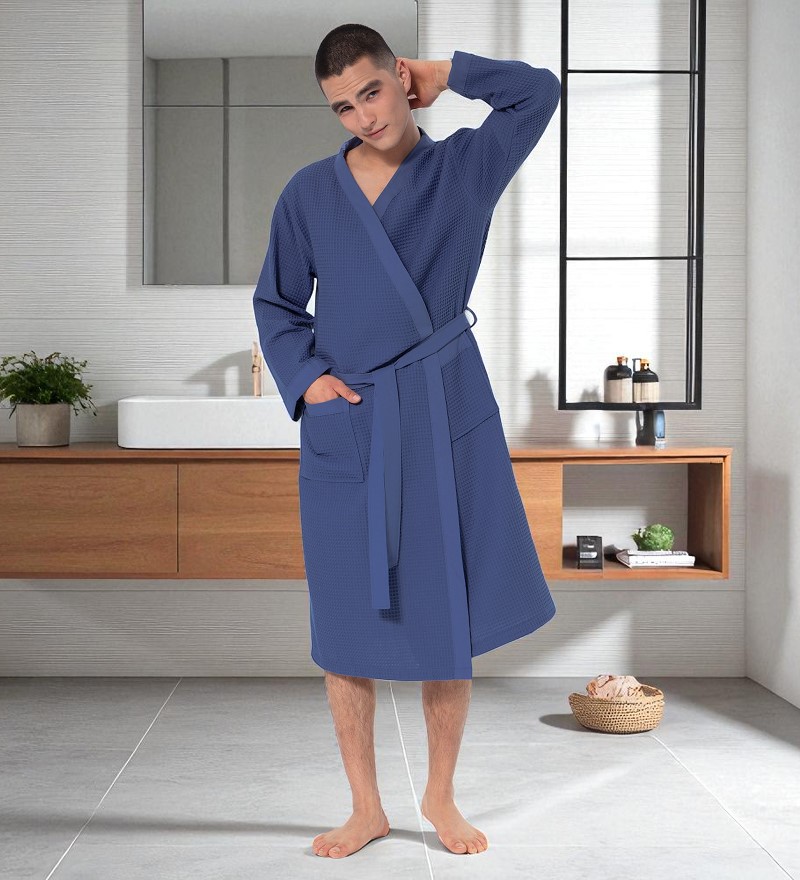
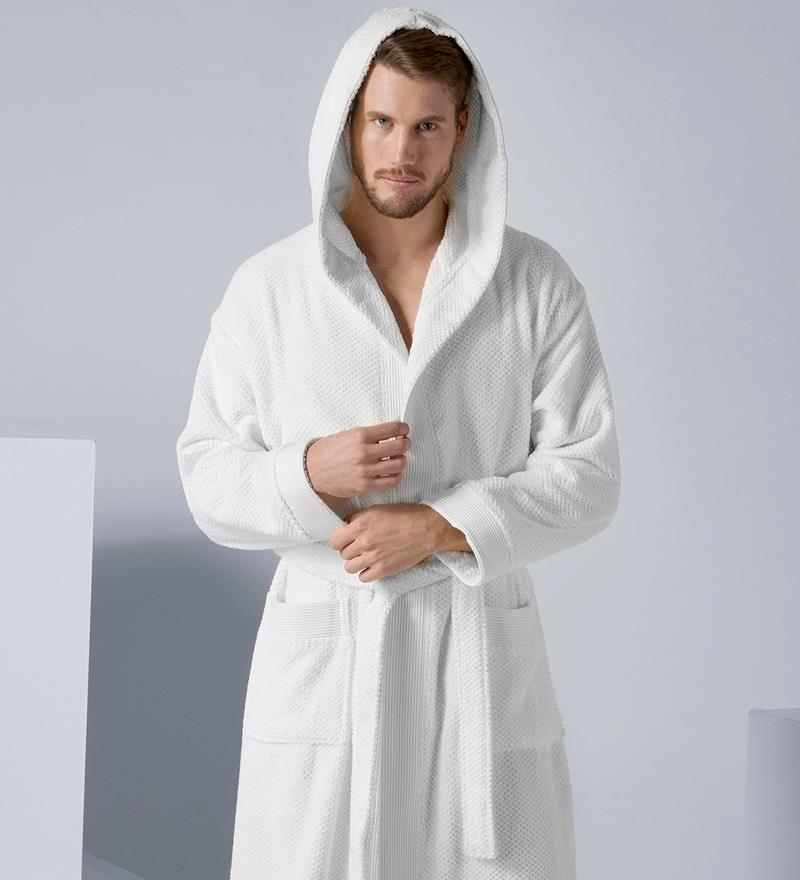
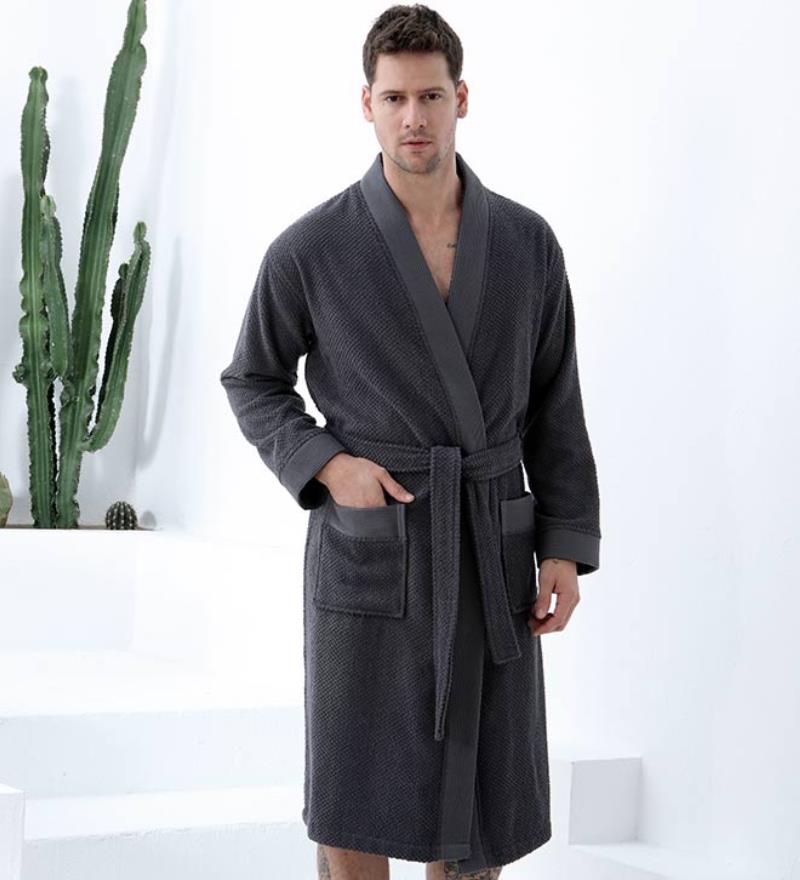
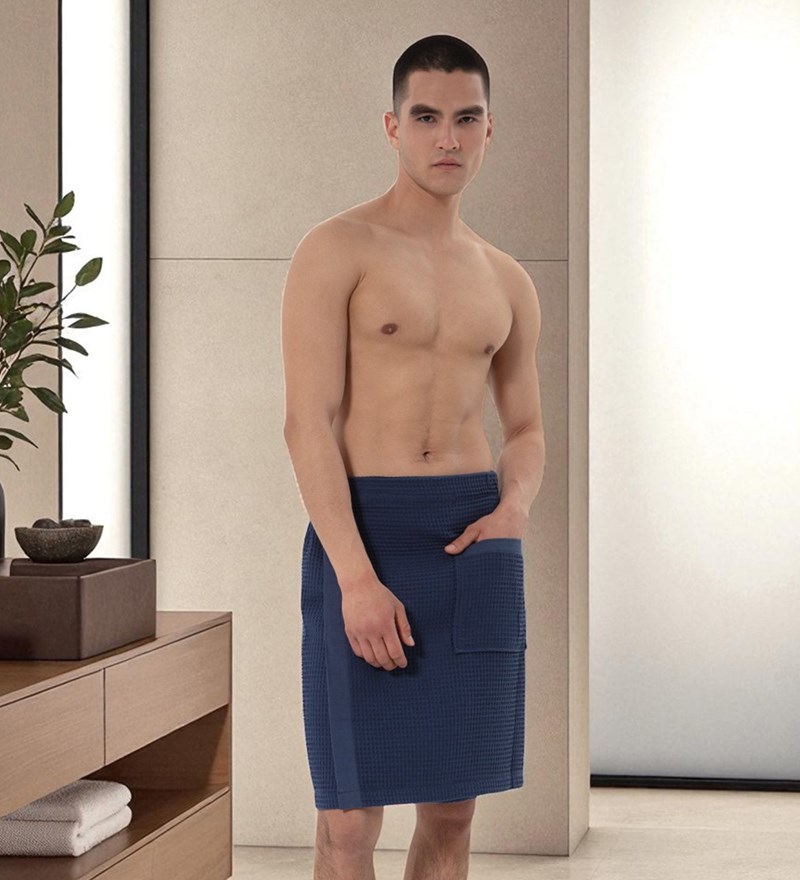
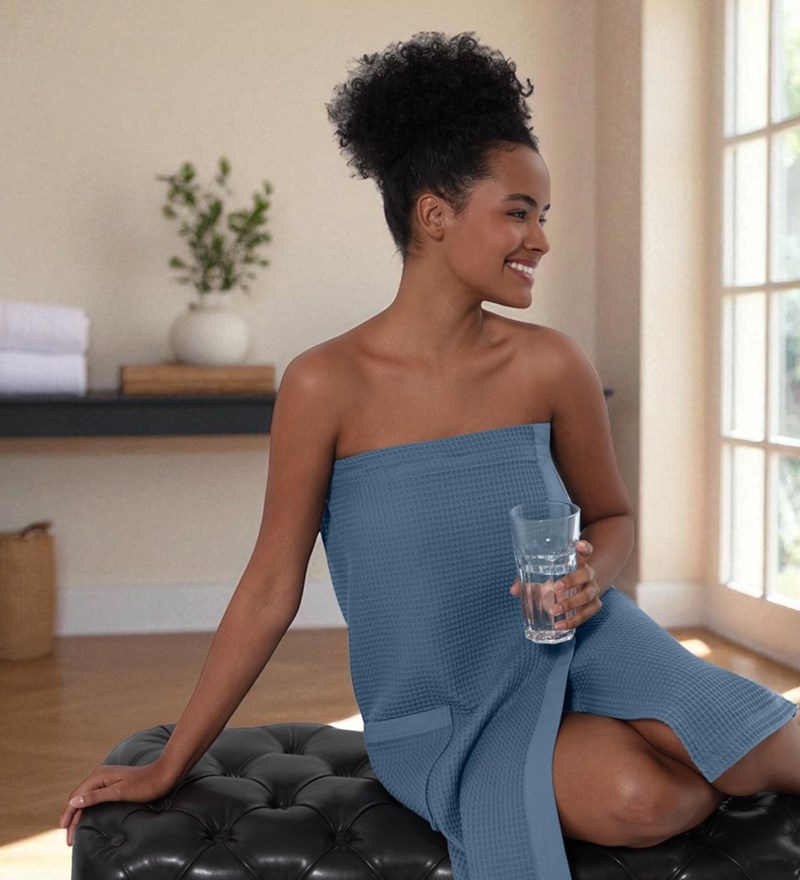


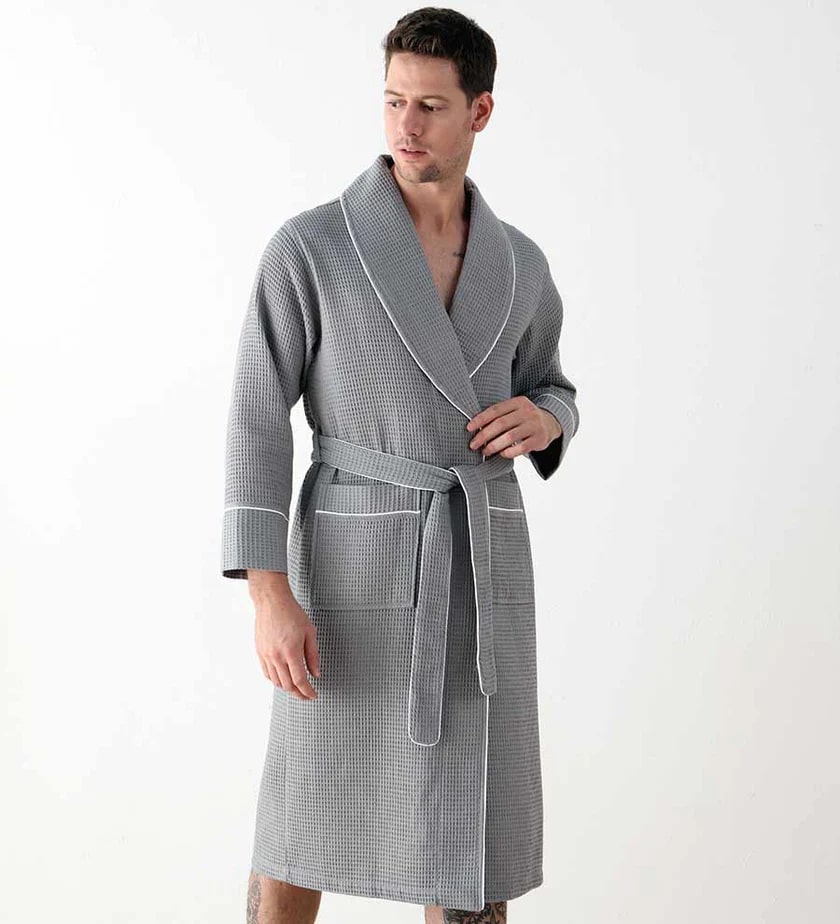
- Waffle Robes
- Terry Cloth Robes
- Microfiber Robes
- Turkish Cotton Robes
- Towel Robes
- View All Robes by Material
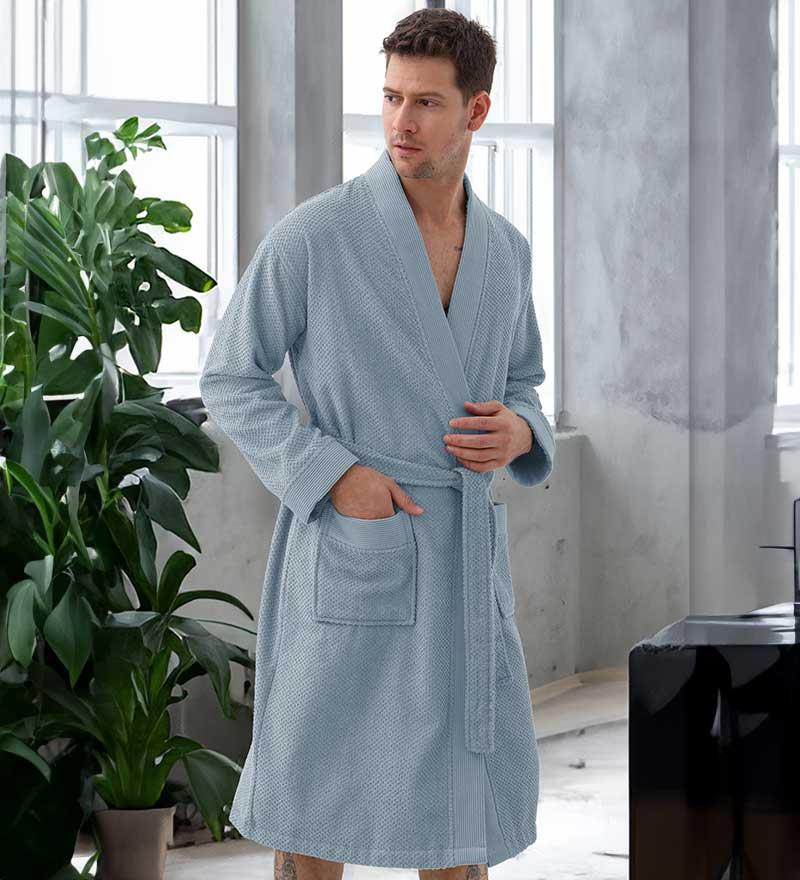
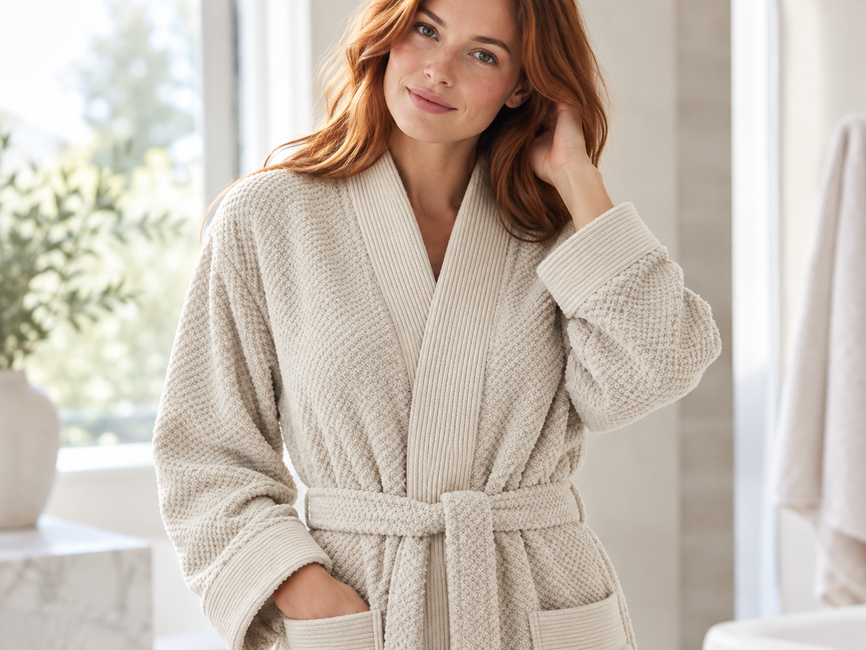
Terry Cloth Robe Women Short: A Practical Buying Guide - Seyante
You step out of a hot shower, still damp, and pull on a full-length robe. Within seconds, the hem drags across the wet floor, the belt catches on a door handle, and the fabric gathers around your ankles while you're trying to finish your morning routine. A short terry cloth robe for women solves a practical problem. It keeps absorbent cotton close to your upper body without turning every trip from the bathroom into a careful balancing act.
The right choice isn't “short and cute.” You need to judge loop construction, GSM, cotton content, drying speed, and hem placement together. A robe that looks light may dry quickly but leave you reaching for a towel, while a dense robe can feel wonderfully spa-like and remain damp long after use. Height matters, too, because “knee length” is an unreliable label without a measurement.
Why a Short Robe Is a Deliberate Choice
A short robe earns its place when your routine involves movement. You can brush your hair, make coffee, apply skincare, or walk across a tiled bathroom without carrying a bulky skirt of fabric around your legs. The hem stays clear of the floor, and your calves remain exposed to room air instead of sitting inside damp cotton.
That makes a short cut especially useful after a shower. You still get terry's moisture-handling surface around the torso, shoulders, and upper legs, but you avoid the heavy, dragging feel of a longer bathrobe. The compromise is obvious: less coverage and warmth in exchange for easier movement and a lighter drying load.
The practical trade-off
Think about where moisture remains after bathing. Your hair, shoulders, back, and arms usually need the most help from the robe. Your lower legs often benefit more from airflow than from another thick layer. A hem that finishes around mid-thigh to just above the knee can cover the areas that need comfort while keeping the lower body mobile.
Short robes also suit warm and humid bathrooms better than oversized hotel-style robes. Terry's loops hold water effectively, so reducing the amount of fabric can make the garment less cumbersome after use. The historical reason this works is straightforward. Terry developed from looped textile traditions valued for absorbency, then cotton terry became industrialized for towels and bathrobes in the 19th century, as documented in this history of terry cloth and its development.
Practical rule: Choose the shortest hem that still gives you the coverage you need when you sit, bend, and tie the belt.
What to inspect before buying
Product photography won't tell you enough. Read the fiber composition, look for a GSM specification, and find the garment's center-back or shoulder-to-hem measurement. If the product page only says “short,” treat that as a styling description, not a fit guarantee.
A terry cloth robe women short search should lead you to a robe that matches your actual routine, not just a robe with a flattering color. The sections ahead focus on the details that determine whether it dries you, overheats you, or fits like a tunic.
What Makes Terry Different From Waffle and Other Weaves
Terry cloth is defined by loops. The surface contains uncut pile loops that stand away from the ground weave. Those loops expose more yarn to water, giving the fabric towel-like absorbency and a soft, textured hand.
Waffle weave creates surface area differently. Its recessed cellular pattern forms raised ridges and lower squares, producing a breathable fabric with less bulk. It can feel lighter and dry faster because it doesn't carry the same dense field of cotton loops. If you live in a humid climate, that difference can matter more than a plush first impression.
Learn the surface language
Velour is terry with the loops sheared. Cutting the loops creates a smoother, suede-like face that feels polished and less grabby, but the surface no longer behaves exactly like an uncut towel pile. French terry is a knitted fabric with loops mainly on the inside, so it belongs more naturally to sweat-wicking clothing and casual layers than to post-shower toweling.
Use this quick decoding rule:
- Loops mean towel performance. Uncut pile is the clearest signal that the robe is built to take up moisture.
- Waffle means breathable lounge comfort. The cellular structure reduces bulk and usually supports quicker drying.
- Velour means a smoother face. It prioritizes touch and appearance over maximum towel-like grip.
- French terry means knit comfort. It's better suited to lightweight casual wear than wrapping up after a shower.
| Weave | Surface Structure | Feel & Weight | Drying Speed | Best For |
|---|---|---|---|---|
| Terry | Uncut loops on a woven ground | Soft, textured, absorbent, often fuller | Usually slower than lighter open weaves | Post-shower drying and spa use |
| Waffle | Recessed cellular pattern | Airy, springy, and lighter | Generally quicker | Warm climates, travel, and lounging |
| Velour | Sheared terry loops | Smooth, sueded, and less grabby | Depends on the backing and weight | Decorative comfort and polished gifting |
| French terry | Knitted loops on the inside | Flexible, casual, and less towel-like | Often quicker than dense woven terry | Sweat-wicking layers and relaxed wear |
For a deeper fabric comparison, this waffle versus terry robe guide is useful, but the buying rule remains simple. If the robe's main job is drying you, start with uncut loops. If its main job is covering you lightly between activities, waffle deserves serious consideration.
Short robes sometimes combine a lighter body with terry panels, or use a more open construction than a heavy hotel robe. That's why the fabric name alone isn't enough. You need to read the weight and construction together.
GSM, Loop Density, and the Absorbency Trade-Off
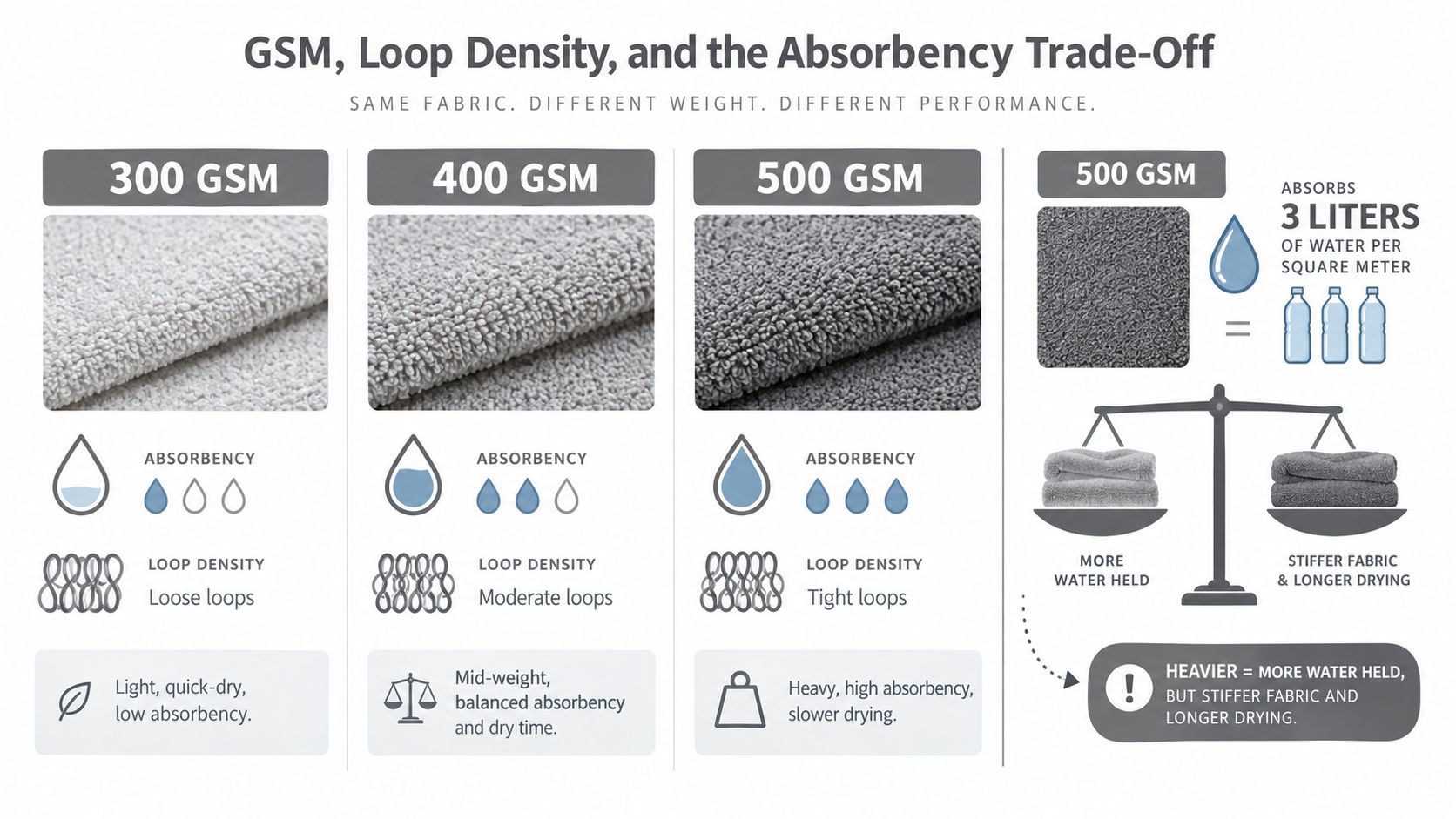
GSM means grams per square meter, so it describes fabric mass rather than softness by itself. A heavier robe usually contains more material, but more material doesn't automatically mean better performance. A 100% cotton terry sample at 500 GSM can absorb roughly 3 liters of water per square meter.
That sounds like an argument for maximum weight. It isn't. A dense robe can hold more moisture and feel luxurious, but the same moisture takes longer to leave during drying. In a steamy bathroom, a very heavy robe may become the damp item you keep avoiding.
Choose a weight by climate
Use GSM as a climate filter rather than a luxury score.
- 300 to 400 GSM: Choose this range for warm homes, humid bathrooms, travel, and post-workout use. It gives you terry texture without the full mass of a dense spa robe.
- 400 to 550 GSM: This is the practical everyday zone for shoppers who want noticeable absorbency and a richer hand. It works well when the robe must handle both drying and lounging.
- 550 GSM and above: Reserve this for people who specifically want plush, hotel-style coverage and don't mind slower drying. It can feel excessive for year-round warm-weather use.
The research also identifies the construction details that drive absorbency. Long-staple cotton, lower yarn twist, finer yarn, high loop density, moderate loop length, and a favorable loop shape can improve water uptake.
Density matters more than thickness alone
Loop density refers to how closely the loops are packed across the surface. Tightly formed loops create plenty of active fiber area and can absorb quickly, but they also retain more moisture. More open loops release water more readily during air drying, although they may feel less plush and provide less total water-holding capacity.
Cotton purity matters as well. Research summarized in the textile literature reports that 100% cotton terry absorbs better than blends, while absorbency tends to stabilize after repeated washing instead of improving forever. For most short robes, I'd choose 100% cotton in the mid-weight range, then inspect loop quality rather than chasing the highest GSM number.
For a short hem, 400 to 500 GSM is the sensible sweet spot. It gives the robe enough substance to feel useful after bathing without turning a compact garment into a slow-drying blanket.
Sizing Short Robes by Height and Hem Behavior
Treat “short” as a measurement, not a mood. On most women, a short terry robe should land from mid-thigh to just above the knee, but the same labeled length can look very different on different bodies. Height, torso length, shoulder position, hip shape, and the robe's cut all change where the hem sits.
A buying guide notes that on a woman around 5'4", a robe labeled “knee length” may land anywhere from mid-thigh to just above the knee, which is why height-specific reviews and actual garment measurements are more dependable than the label alone, as explained in this bathrobe length and fit guide.
Use hem drop as your real sizing language
The ranges below are a practical starting point for a mid-thigh short look. Measure the garment rather than assuming every brand uses the same definition.
| Height | Ideal Hem Drop | Resulting Length Look | Notes |
|---|---|---|---|
| 5'2" to 5'5" | 32 to 34 inches | Mid-thigh to above-knee | Shorter drops can look very brief on a long-torso frame |
| 5'6" to 5'8" | 34 to 36 inches | Mid-thigh to above-knee | A slightly longer drop keeps the robe from reading like a tunic |
| 5'9" and above | 36 to 38 inches | Above-knee short | Shorter measurements may feel too revealing when standing or sitting |
These measurements come from the sizing guidance provided for this topic. They're not universal rules, but they make “short” specific enough to evaluate.
Match the silhouette to the way you move
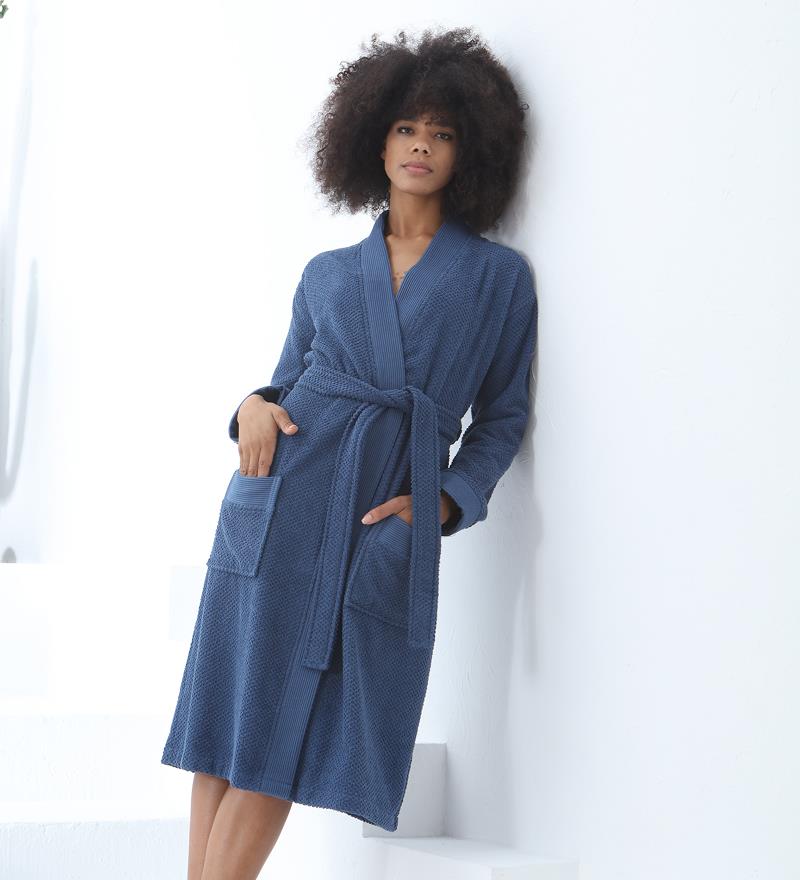
A kimono robe has a drop shoulder and a straighter hem. It's easier to pull over pajamas and usually gives your arms room without adding a lot of chest or collar bulk. Hooded and shawl-collar robes place more fabric around the upper body, which adds warmth but can make the hem ride slightly when you sit.
Belts change the result. When you tie a wrap robe firmly, the front panels overlap and the hem can shift upward by 2 to 3 inches. If you want a true short look rather than a much shorter one after tying, don't choose a garment that already ends at your absolute limit.
Measure yourself before ordering
- Stand naturally, wearing the type of underlayer you'll use with the robe.
- Measure from the shoulder seam down the front of your body.
- Mark the point where you want the hem to finish.
- Compare that distance with the garment's published drop.
- Allow for possible cotton shrinkage after washing, following the care instructions.
The robe size guide for comparing small through extended sizes can help with the width and wrap portion of the decision. Don't let a roomy chest measurement distract you from the vertical fit. A robe can fit comfortably across the body and still be too short once you sit down.
Short vs Full-Length Robes and When to Pick Each
Short and full-length robes serve different routines. A short robe prioritizes mobility, airflow, easier laundry, and warm-weather comfort. A full-length robe prioritizes coverage, warmth retention, and the enveloping feeling people associate with a hotel spa.
Let the use case decide
Choose short terry when you're getting dressed after a shower in a warm or steamy bathroom, covering gym clothes after a workout, or moving through a busy morning. The hem stays out of your way, and the shorter body doesn't pile around your feet.
Choose full length when you spend winter mornings in a cold bedroom, lounge for long periods without moving, or care more about modesty and insulation than quick drying. A longer robe also works better over sleepwear when you want your legs covered.
Your pajamas matter. A short robe usually sits above pajama hems, so it won't fight with wide-leg trousers or long sleep shirts. A full-length robe can stack awkwardly over short nightwear, especially when the inner layer rides up as you walk.
Compare the everyday consequences
| Priority | Short Robe | Full-Length Robe |
|---|---|---|
| Mobility | Easier for stairs, grooming, and chores | More fabric to manage |
| Airflow | Better around the lower legs | Warmer and more enclosing |
| Laundry | Simpler to wash, dry, and pack | Heavier and bulkier |
| Coverage | Moderate, depends on hem and wrap | Stronger coverage |
| Best climate | Warm, humid, or changeable | Cool and cold interiors |
Seasonality also affects the decision. Market coverage based on Google Trends reported cotton bathrobe searches peaking in November and December 2025, while a summer-robes query spiked in January 2026, suggesting that shoppers are actively looking for lighter options alongside plush winter styles.
My rule is direct. If you want one robe for year-round apartment living, choose a short terry style in a moderate weight. If you want a winter-only wrap for cold lounging, choose full length and prioritize warmth. Bridal parties are a separate case. Short robes remain popular for group photography because the coordinated hems look cleaner and leave less fabric pooling around the subjects.
Styling Short Terry Robes for Spa, Lounging, and Gifting
A short terry robe doesn't have to look like an emergency towel. The key is to style it as a deliberate layer. Its shorter hem creates a cleaner proportion, especially when the rest of the outfit stays simple.
At-home spa styling
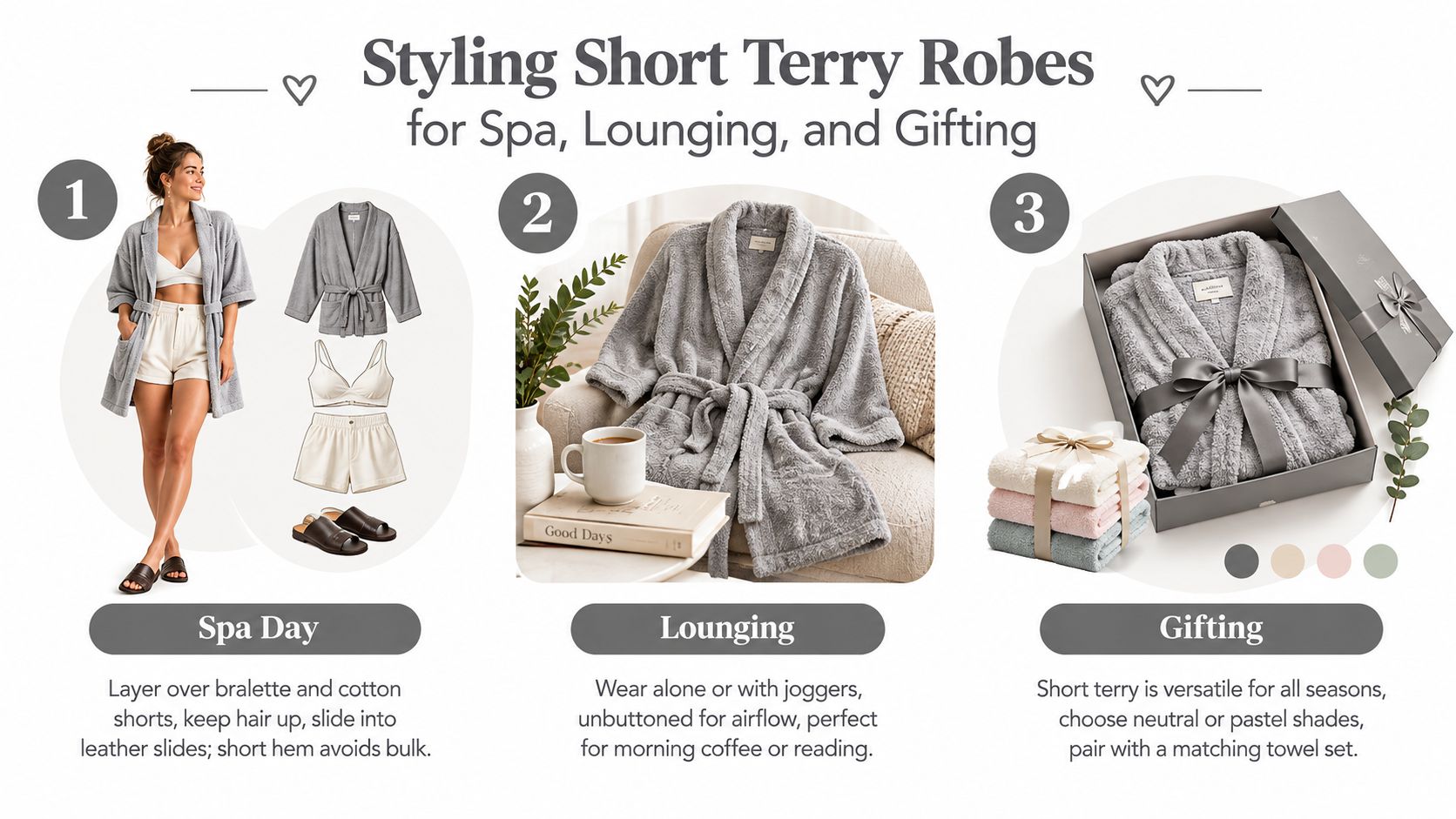
For a spa morning, wear the robe over a bralette and high-waisted cotton shorts. Add leather slides, keep your hair up, and leave the neckline uncluttered. The robe should sit close enough to feel secure but loose enough to let the terry surface move across the skin without pulling.
This combination works because the short hem gives the outfit shape. A full, long robe can drift toward nightwear, while a compact kimono cut looks intentional over a minimal base. Pockets are useful here, but don't overload them. A phone, lip balm, or hair tie is enough.
Post-workout and lounging
After a workout, use the robe as a cover-up over leggings or a fitted set. The terry surface can handle residual sweat better than a purely decorative robe, while the shorter length clears the legs and keeps you from feeling wrapped in excess fabric.
For slow mornings, wear it over joggers or a cotton tank. Leave it open for airflow while reading or drinking coffee, then tie it securely when you move around the house. Short terry is especially good for this transition between exercise, bathing, and getting dressed because it doesn't demand a full outfit underneath.
Gifting and bridal parties
Short robes make practical group gifts because the silhouette is easy to coordinate across different heights. For bridal parties, choose ivory, sand, or sage when you want a soft visual palette. Chest or pocket monograms remain legible without competing with a long collar or heavy shawl.
For everyday gifts, charcoal and navy are safer choices because they hide cosmetic marks better than pale fabric. Choose white only for someone who won't mind treating makeup and skincare stains promptly.
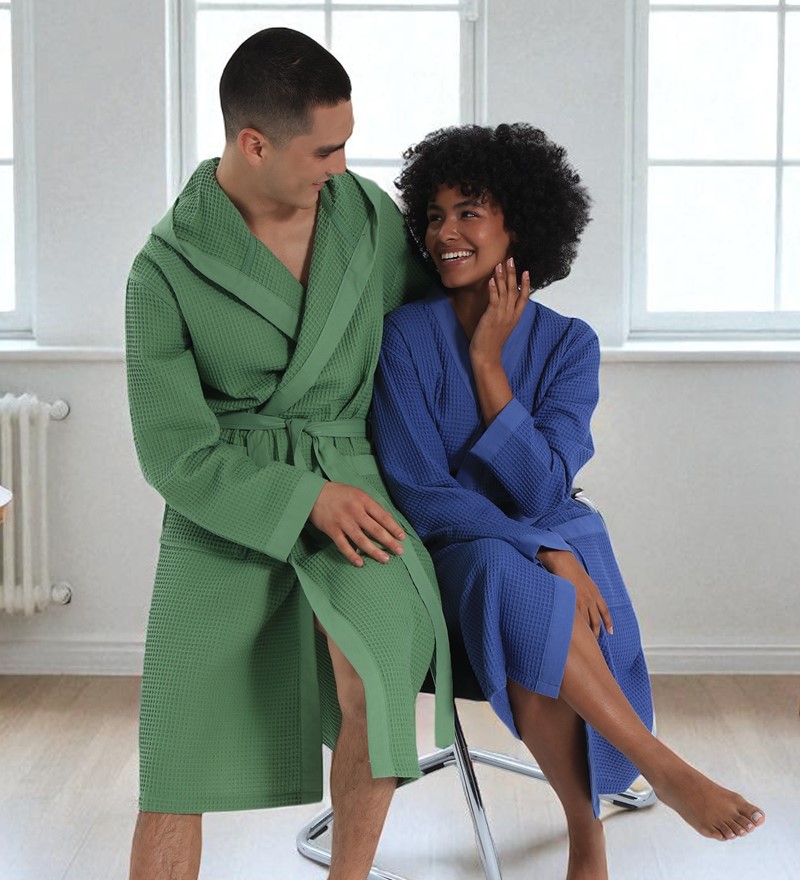
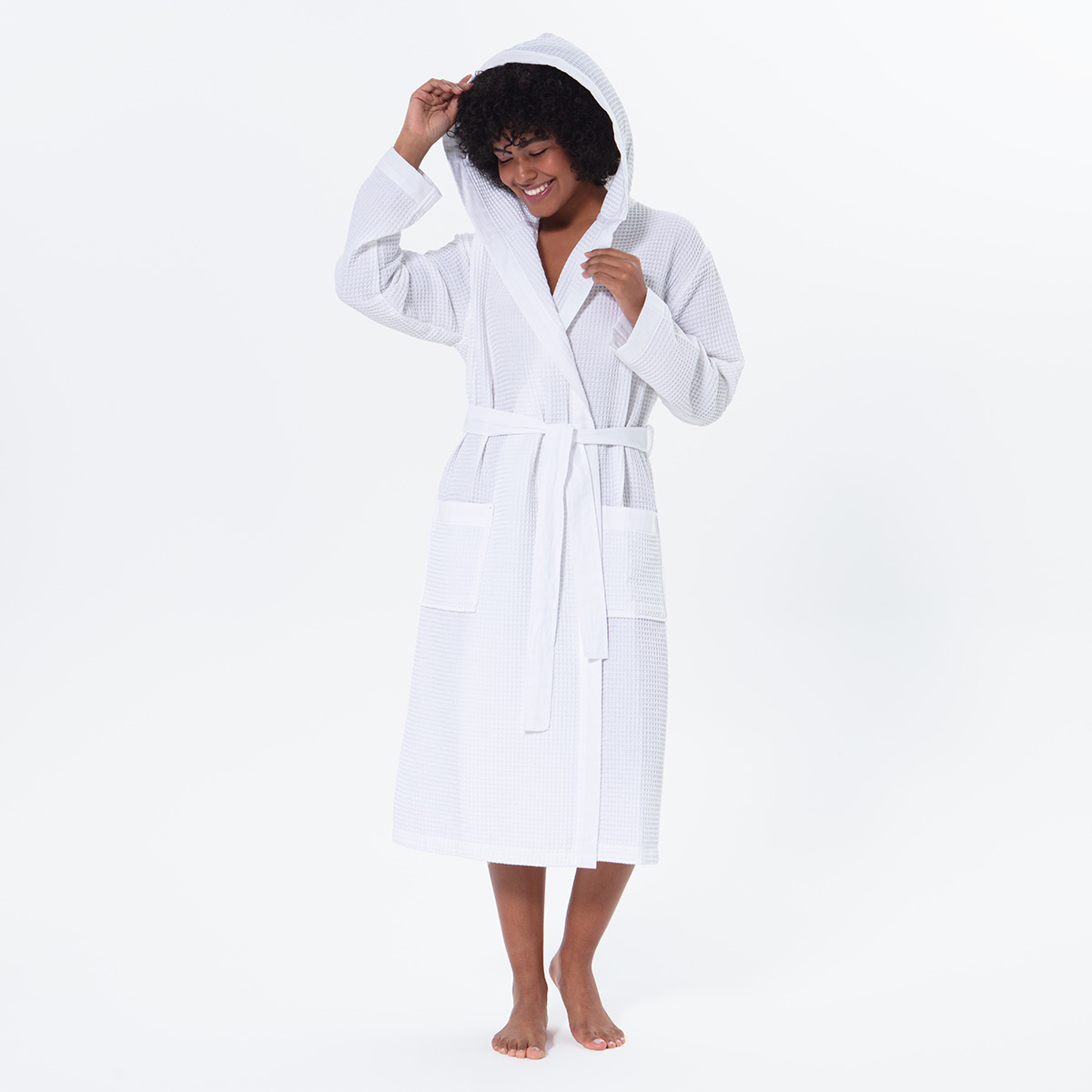
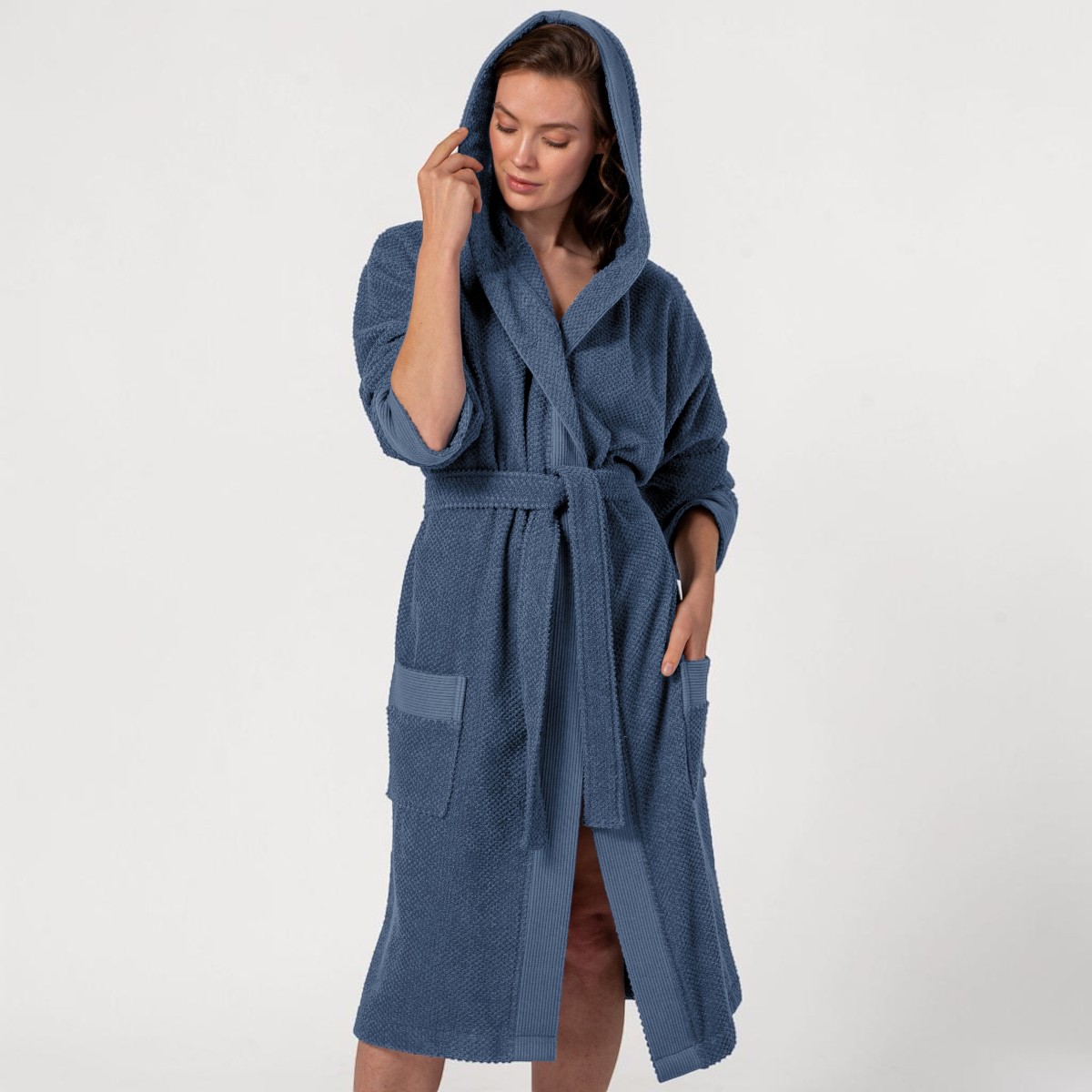
If the recipient lives in a humid climate or runs hot, consider a lightweight waffle robe instead of dense terry. Waffle construction is less bulky and often dries faster between showers, making it a strong option for destination weddings and travel. SEYANTE offers women's cotton terry and lightweight waffle robe categories, including kimono and hooded silhouettes, so the gift can follow the recipient's climate and routine rather than a generic spa aesthetic.
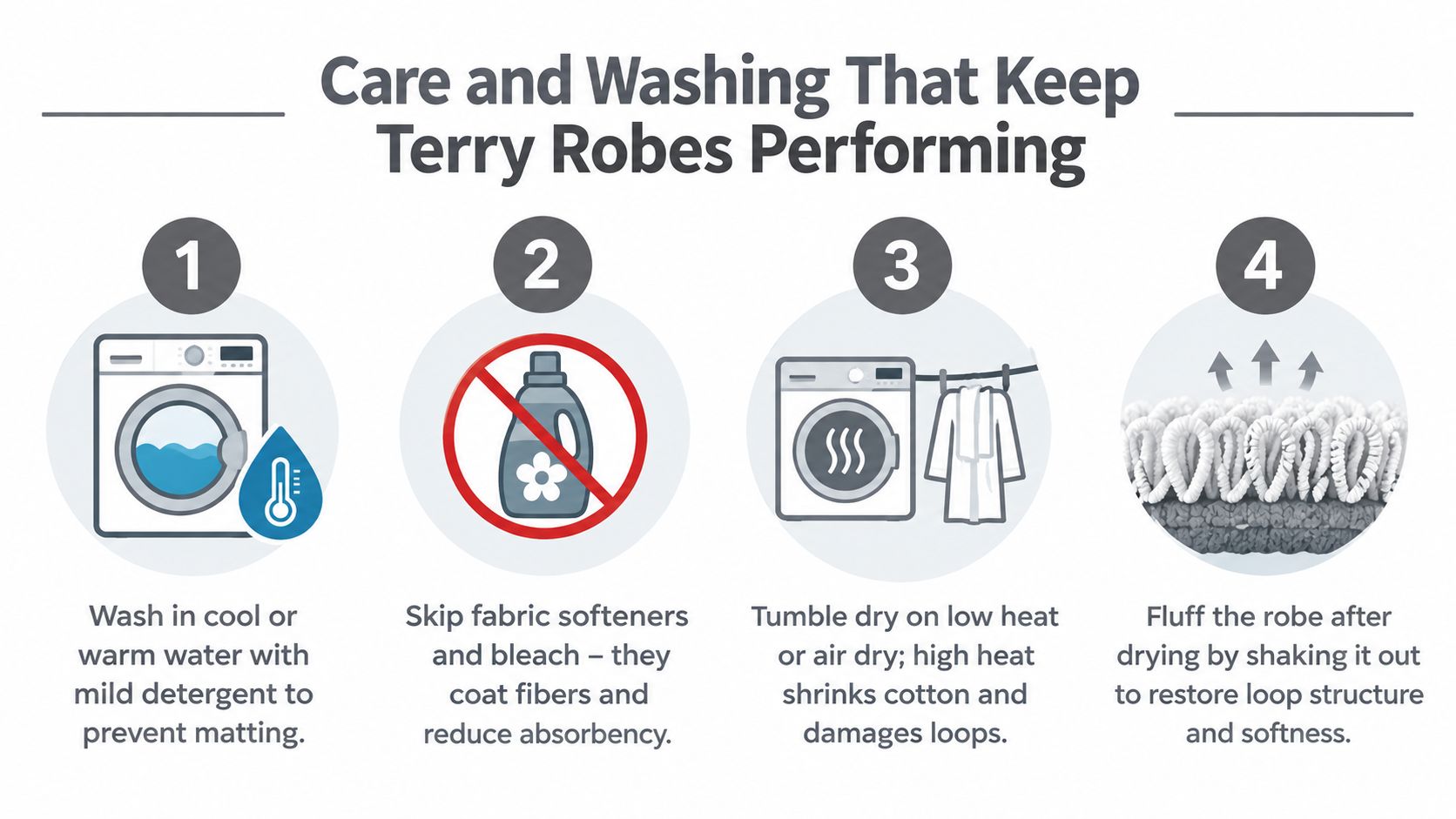
Care and Washing That Keep Terry Robes Performing
Terry performance depends on keeping the loops open and clean. Care doesn't need to be elaborate, but a few wrong habits can flatten the pile, reduce absorbency, or alter the hem you measured so carefully.
Use a low-residue wash routine
Wash the robe in cool or warm water with a mild detergent. That approach cleans cotton without subjecting the loops to unnecessarily harsh treatment. Avoid fabric softeners and dryer sheets when absorbency matters, because residue can coat the fibers and interfere with water pickup.
Keep rough items, hooks, and zippers away from the robe. They can catch loops and create pulls. Don't pack the washing machine tightly, since compressed terry won't rinse or move freely.
Dry gently and judge it fairly
Tumble dry on low heat or air dry with good circulation. High heat can encourage cotton shrinkage and stress the loop structure, which can change how a short robe sits on the body. Shake the robe out before and after drying so the pile doesn't remain compressed.
Don't decide that the robe is poorly absorbent after its first wash. Terry absorbency can stabilize after repeated washing, rather than improving continuously. Give the fabric several normal wash cycles before making a final judgment, while still following the garment's care label.
If you want a light scent without coating the robe in softener, use a restrained laundry approach and consult this essential-oil and dryer-ball scent guide from Aroma Warehouse. Keep fragrance away from the skin if you're sensitive, and don't use more product than the care instructions support.
Troubleshoot before replacing it
- Snagged loops: Trim or secure the loose thread rather than pulling it. Check the rest of the laundry for hooks or rough trims.
- Pilling: Reduce friction and avoid washing the robe with abrasive fabrics.
- Musty odor: Hang the robe open after use and never leave it bunched while damp.
- Stiff texture: Review detergent quantity, water temperature, and drying heat before blaming the cotton.
- Flattened pile: Shake the garment out and reduce compression in both the dryer and storage space.
For a repeatable routine, use this guide to washing, storing, and caring for robes. A short terry robe should be easy to live with. Wash it gently, dry it fully, and store it where air can circulate.
SEYANTE offers women's short-friendly terry and lightweight waffle robes for post-shower drying, spa lounging, gifting, and warm-weather use. Visit SEYANTE to compare cotton constructions, silhouettes, and robe weights before choosing the hem and fabric that fit your routine.
Related Posts

Featured Products










Offering high-quality bathrobes for both women and men with GOTS certification
Our commitment to excellence is reflected in our use of the Global Organic Textile Standard (GOTS) certification for our products. GOTS is a benchmark for organic textiles, ensuring environmentally friendly and socially responsible manufacturing processes.


FREE STANDART DELIVERY
STRESS-FREE SHOPPING
ONLINE CUSTOMER SERVICE