Towelling Body Wraps: The Complete Buyer's Guide
- Why Towelling Body Wraps Are Replacing Traditional Towels
- Terry Loop Versus Waffle Weave Construction
- Decoding GSM Ratings and Cotton Quality
- How to Choose the Right Wrap for Your Lifestyle
- The Environmental Impact of Premium Textiles
- Care Routines That Preserve Absorbency and Softness
- Final Checklist for Buying a Luxury Body Wrap
You step out of a warm shower, reach for a bath towel, and discover that the neat wrap around your body is already loosening. One hand is needed to hold it in place while the other searches for moisturiser, a hairbrush, or clean clothes. A towelling body wrap addresses that small but persistent frustration with shaped coverage, absorbent fabric, and a closure designed for movement.
The difficulty is choosing one that performs beyond the first luxurious touch. Loop density, closure security, fit, drying behaviour, and long-term durability matter more than a product label that says “premium cotton.” This guide looks closely at those hidden construction details, so you can judge a wrap by how it works in an ordinary bathroom, gym changing room, spa, or suitcase.
Why Towelling Body Wraps Are Replacing Traditional Towels
A standard towel handles drying well, yet its rectangular shape is poor at staying put. There is no shaped upper edge, dependable overlap, or fastening point to maintain tension around the body. A bend to retrieve a dropped bottle can turn a neat fold into an awkward retuck.
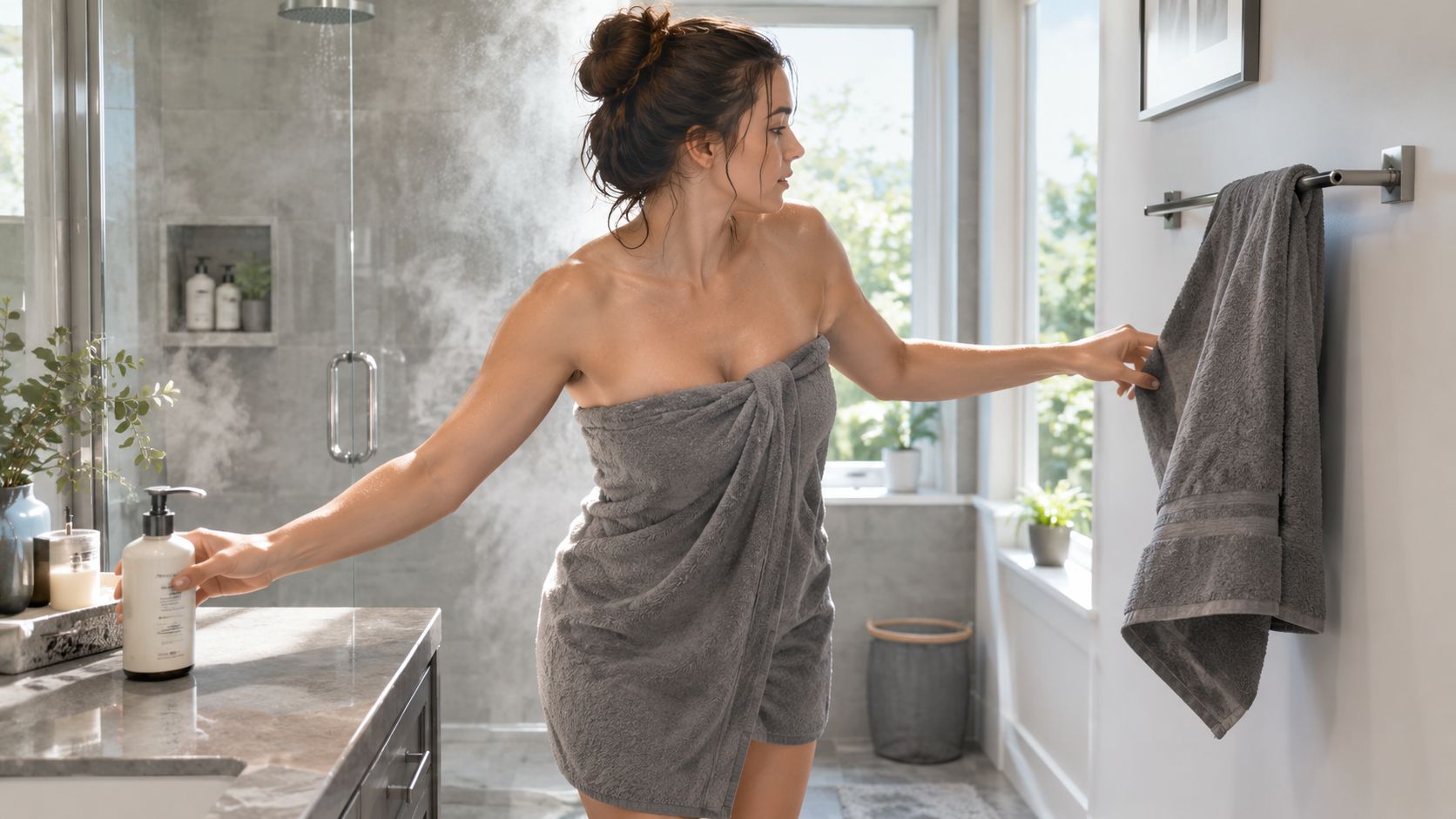
A towelling body wrap fills the space between a flat towel and a full robe. It provides hands-free coverage without sleeves, a collar, or the added warmth of a complete garment. That makes it practical for applying skincare, getting dressed, walking through a spa, or changing in a compact locker room.
The practical gap between towel and robe
Traditional towels absorb water, but they do little to control movement. Robes offer fuller coverage, although sleeves and extra fabric may feel excessive in a warm bathroom or after exercise. A wrap places material around the torso and upper legs while keeping the arms free.
Its performance depends on construction details that are easy to overlook. Dense, well-formed terry loops can hold moisture comfortably, but the fabric also needs enough flexibility to follow the body without pulling at the closure. A narrow wrap or sparse loop field may look plush while offering less dependable coverage and slower moisture handling.
The closure is the functional centre of the design. Snaps create defined fastening points, elastic helps maintain tension along the top edge, and hook-and-loop closures allow quick adjustment. None is automatically superior. Look for enough overlap, a fastening position that supports the fit, and an upper edge that remains flat when you sit, bend, or reach.
Practical rule: A wrap should stay secure because its fit, overlap, and closure work together, not because you are standing perfectly still.
Lifecycle durability matters as much as the first impression. Reinforced edges, firmly attached fasteners, and loops that resist snagging help the wrap retain its shape through repeated washing. Plushness alone is marketing shorthand. Inspect the seam finishing, closure attachment, and fabric recovery before choosing a luxury wrap.
Terry Loop Versus Waffle Weave Construction
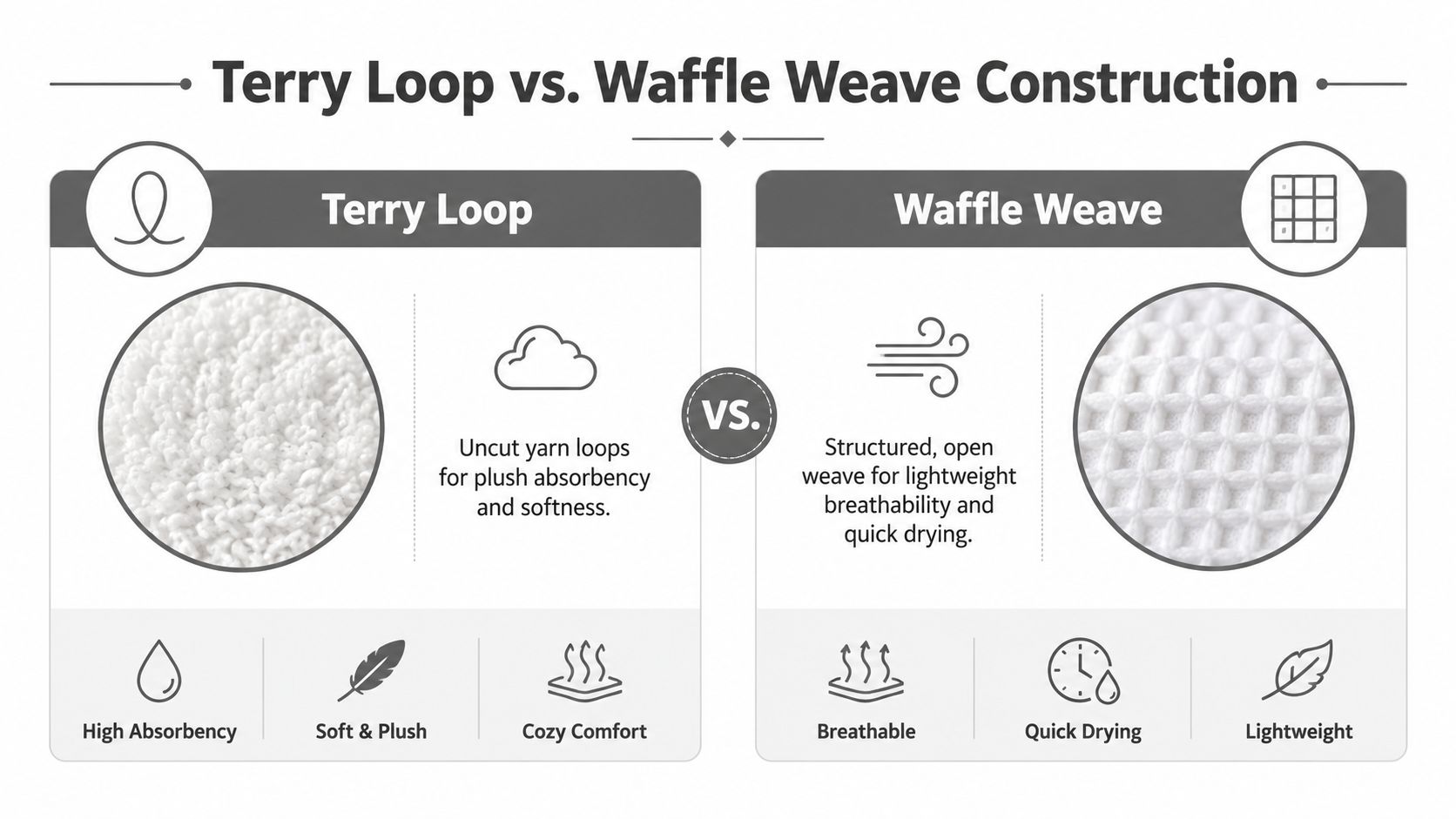
After a shower, the weave decides whether a body wrap feels like a thirsty towel or a light layer that dries quickly. Terry loop fabric uses uncut yarn loops rising from a woven base. The loops create contact area and small capillary spaces that draw moisture from the skin, which gives terry its plush, absorbent feel. Technical guidance on terry loop-pile construction explains why loop formation can matter more than fabric thickness alone.
Waffle weave takes another approach. Its raised grid forms recessed pockets within a more open structure, so air moves through the fabric readily. It usually retains less water than dense terry. That lower water retention can help a wrap dry between uses and take up less room in a travel bag.
What the loops change
The word “terry” does not reveal how well a wrap will perform. Loop height, loop density, yarn quality, and finishing influence how quickly moisture travels from the skin into the cloth. Typical bath-towel pile heights are about 3 to 7 mm, yet taller loops can perform poorly when they are sparse, weak, or unevenly formed. A 650 GSM wrap may absorb less effectively than a 550 GSM wrap if the lighter fabric has denser, better-formed loops.
Loop density is the hidden detail to inspect. Dense, secure loops act like many small fingers collecting water, while a sparse pile can leave more moisture at the skin despite a thick-looking surface. Run your hand over the fabric and check for an even field without loose tufts or obvious thin patches.
Dense terry feels substantial and warm after bathing, but it also holds more water and can dry slowly. In a humid bathroom, a wrap that stays damp may develop an unpleasant feel even if it felt exceptionally soft when new.
When waffle makes more sense
Waffle weave suits lightness, ventilation, and quicker drying. It can be practical in a gym bag, on holiday, or in a compact bathroom where thick textiles compete for drying space. Its textured surface also gives the wrap a neater, less bulky appearance than deep pile.
The right construction depends on the routine. Absorbency and a substantial hand favour terry, while airflow, packability, and shorter drying time favour waffle. For a closer look at waffle and terry cloth robe construction, compare the fabric structure rather than relying on softness or weight alone. A secure closure and durable edge finishing still determine whether either weave remains useful through repeated wear.
Decoding GSM Ratings and Cotton Quality
GSM means grams per square metre. It measures fabric weight, not the whole wearing experience. A higher figure usually means more material, yet it cannot show whether the loops collect moisture efficiently, how the yarn was spun, or how the wrap will respond to repeated washing.
For specification-led buying, 400 to 600 GSM is generally described as a balanced range for premium bath towels and robe-like wraps. A 600+ GSM design offers a heavier spa feel, but it can dry more slowly and demand more from your washing and storage space. Absorbency also has stages, including how quickly the fabric starts taking in water and how much it holds afterward. In practical terms, a good wrap should begin accepting moisture promptly, not merely feel thick once saturated.
Read the tag beyond one number
Cotton quality affects the yarn that creates the loops. Longer fibres can form smoother, stronger yarns. Inconsistent or weaker yarns may produce a rougher surface, while their loops can lose shape more easily after use. Fibre origin provides useful context, but it does not prove the finished item is well made.
Check the label for clear fibre content, then inspect the fabric itself. The surface should look even, with secure hems and loops that resist pulling. A wrap's lifecycle depends on these small construction details as much as its initial softness.
| Cotton quality and construction | Staple length | Typical GSM range | Absorbency | Durability | Drying speed |
|---|---|---|---|---|---|
| Lightweight cotton or open construction | Varies | Lower | Moderate | Depends strongly on yarn and finishing | Faster |
| Balanced premium terry | Varies | 400 to 600 GSM | Strong when loops are dense and well formed | Strong when yarn and hems are sound | Moderate |
| Heavy terry | Varies | 600+ GSM | High potential, depending on loop architecture | Can be sturdy, but care demands are higher | Slower |
The comparison clarifies why GSM works as a starting point rather than a verdict. Two wraps with the same stated weight can differ in hand feel, moisture movement, and resilience because their loop density and yarn construction are different.
Cotton labels need context
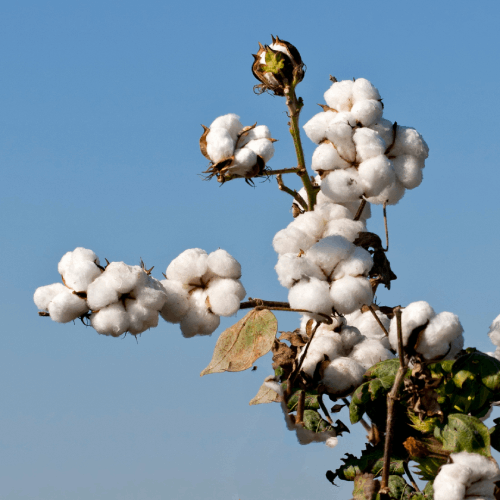
Terms such as Turkish cotton, Egyptian cotton, Supima, organic cotton, GOTS, and OEKO-TEX answer different questions. Fibre type and origin describe material sourcing. Certifications may address organic production, chemical management, or other defined criteria. None of these labels confirms that the closure is secure or that absorbency will remain unchanged indefinitely.
For background on one frequently discussed fibre, read this explanation of what makes Turkish cotton distinctive. Then judge the finished wrap. Feel the loops, inspect the binding, and check how the fastening is reinforced. A well-made 400 GSM wrap can be a wiser purchase than a heavier wrap with weak loop formation.
How to Choose the Right Wrap for Your Lifestyle
A wrap beside the bath serves a different purpose from one carried into a humid gym changing room. Start with that setting, then consider how often you will carry, wash, and dry it. A good choice balances moisture handling, comfort, closure security, and the practical demands of its routine.
Match construction to routine
For gym use and travel, lighter, more open construction reduces bulk and can help the wrap dry between sessions. The planned comparison places 300 to 400 GSM in a lightweight range for gym and travel wraps, while a plush home option may fall around 500 to 700 GSM. Use those ranges as starting points, not as proof of quality. Loop density, yarn strength, and edge finishing determine whether the fabric keeps performing after repeated use.
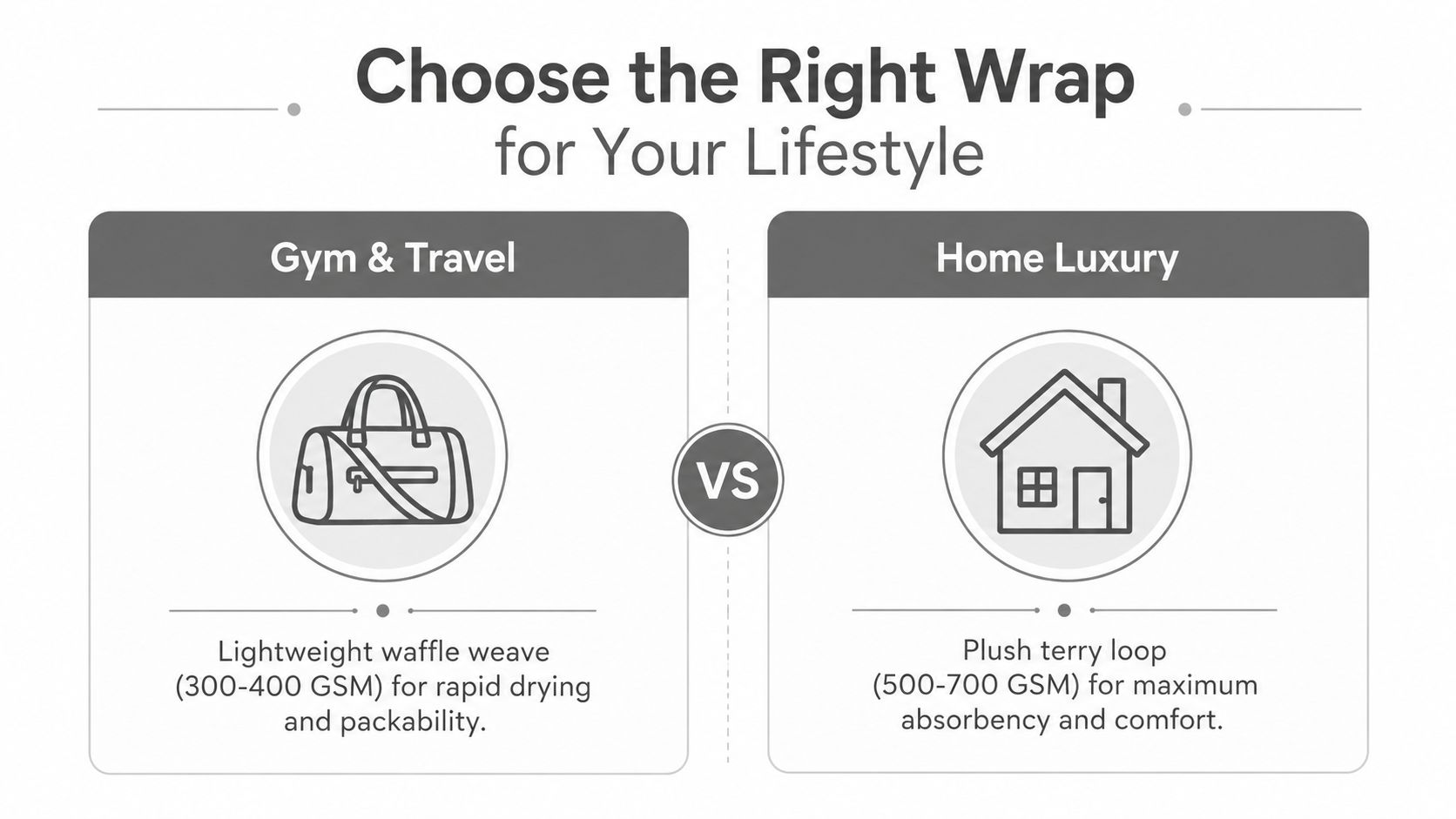
A home wrap can suit a warmer, more enveloping feel when you have enough space for thorough drying. In a compact bathroom, waffle construction or lighter terry may be more practical, even if plushness appeals to you. A wrap that dries reliably is more comfortable to use repeatedly than one that stays damp between washes.
Test security instead of admiring the finish
Inspect the closure as though you were already wearing the wrap. The important question is whether it stays in place while your body moves.
- Overlap: Front panels should cover securely without constant hand tension.
- Top edge: Elastic or shaped finishing should sit comfortably, without cutting into the body.
- Fastening: Snaps, ties, or hook-and-loop sections should lie flat and feel firmly attached.
- Movement: Simulate sitting, bending, reaching, and lifting your arms. A wrap secure only while standing still will become frustrating.
- Shape: Side openings or a generous cut can improve comfort around the hips. Adjustable fastening can accommodate changing fit preferences.
Each closure type has a practical compromise. Hook-and-loop fastening adjusts quickly, but it can collect lint and lose effectiveness with rough handling. Snaps create a tidy finish, though they provide less continuous adjustment. Ties allow flexible fitting, but they may loosen during active movement unless the design anchors them well.
The Stay Norwich Apartments spa guide can help you plan what to wear and pack between treatments for a wider self-care outing. If frequent washing is part of your routine, look for reinforced stress points and a closure that remains easy to operate after laundering. For occasional use, comfort and compact storage may matter more than maximum loop density.
The Environmental Impact of Premium Textiles
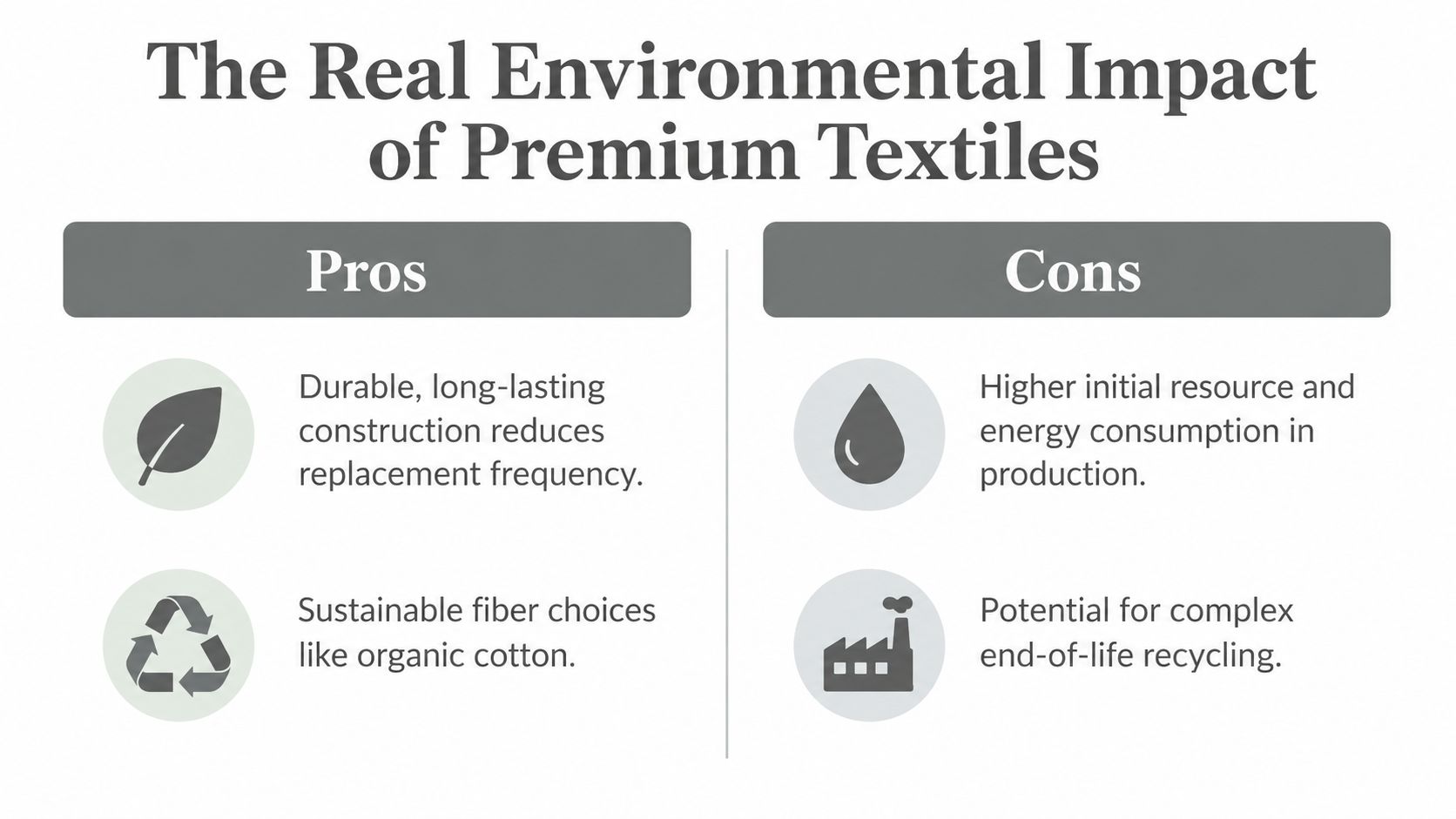
A premium fibre label is only one part of a wrap's sustainability story. Textile production uses resources, so the practical environmental value of a body wrap also depends on how long it remains useful, how well its construction performs, and whether its owner keeps using it instead of replacing it.
WRAP reports 3.2 million tonnes of CO2e emissions avoided through industry interventions, showing why keeping textiles in use matters alongside responsible sourcing. Its work on extending clothing life highlights fit guidance, care information, and designs suitable for reuse. WRAP's textile work supports a lifecycle view rather than a simple material-first claim.
Durability changes the calculation
An organic or responsibly sourced wrap can still be a poor long-term choice if its loops pill, its pile thins, its absorbency fades, or its closure fails soon after purchase. Each replacement brings another cycle of manufacturing, packaging, transport, and disposal. A durable wrap may use more material at the outset, yet longer service can give that initial choice greater value.
Construction details make that difference visible. Dense, well-anchored terry loops can tolerate repeated use better than a loosely formed surface, while secure stitching around elastic channels and closures helps prevent early failure. These features do not make a textile impact-free, but they can keep it in circulation for longer.
A heavy wrap is not automatically the more sustainable option. Dense terry may need more drying time, and a heavier garment can increase storage and laundering demands. Waffle construction may reduce bulk and dry more readily, but a lightweight textile still needs strong yarns, stable finishing, and a closure that will not force early replacement.
Buy for continued use
Assess sustainability through practical questions:
- Will the fit keep working? A secure, comfortable shape is more likely to become part of your routine.
- Can you care for it properly? A wrap suited to your washing and drying setup is less likely to deteriorate through avoidable neglect.
- Are the weak points reinforced? Hems, elastic channels, and closures often determine whether the garment remains usable.
- Can it be reused? A versatile wrap may continue as a travel layer, spa garment, or home cover-up when its original use changes.
The responsible choice combines material transparency with construction that supports a long service life. “Organic” can describe the fibre, but durability describes the relationship you'll have with the finished wrap.
Care Routines That Preserve Absorbency and Softness
A towelling body wrap works best when its loops remain open, clean, and springy. Care should remove body oils and residue without flattening the pile, coating the yarn, or pulling at the seams. Those small construction details affect how quickly the wrap absorbs water and how securely it keeps its shape over time.
Wash a new wrap before its first use, following the care label and keeping it with similar items. Use a full load where appropriate, follow the recommended temperature, and skip fabric softener. Softener can coat the loops, making them less willing to take in water. The result may feel smooth at first while performing less like an absorbent towel.
A simple care sequence
- Before the first wear, wash the wrap according to its label. This helps the fibres settle and removes manufacturing residue from the surface.
- During regular laundering, avoid packing the machine too tightly. Crowding can leave detergent behind and place extra strain on the closure, elastic, and seams.
- After washing, tumble dry only when the label permits it. The movement can restore loft, but excessive heat may stress elastic or finishes. Remove the wrap promptly and ensure it is fully dry before storage.
- Between uses, hang it where air can circulate. Folding a damp wrap into a cupboard traps moisture and can leave an unpleasant odour.
- For pulled loops, do not yank the snag. Trim or secure the loose thread carefully, so one damaged loop does not turn into a longer run.
For more guidance, see this robe care guide from SEYANTE. The product label remains the final authority, especially when the wrap includes elastic, decorative details, or a specialised finish.
Care principle: Keep the loops clean and uncovered to protect absorbency, then dry the fabric with limited heat and friction to preserve softness.
Final Checklist for Buying a Luxury Body Wrap
Use this checklist before you place an order or take a wrap to the fitting room:
- Choose by use. Lighter, more open construction suits travel and frequent drying. Heavier terry suits home comfort when you can manage the laundering and storage.
- Treat GSM as context. The balanced premium range is generally 400 to 600 GSM, while 600+ GSM brings greater weight and slower drying, as described in textile guidance from North Carolina State University's textile review.
- Inspect the loops. Look for even, dense, well-formed loops rather than assuming the largest GSM figure will absorb best.
- Check cotton information. Clear fibre content and meaningful certification details are more useful than vague claims such as “luxury cotton.”
- Test the closure. Bend, sit, reach, and rotate your shoulders. The wrap should stay anchored without digging into the body.
- Assess the fit. The width should provide secure overlap, and the length should offer the coverage you want. Adjustable fastening is helpful when body proportions or comfort preferences vary.
- Look at stress points. Examine the top edge, fastening anchors, side seams, and hem. Decorative stitching shouldn't replace structural reinforcement.
- Consider its full life. A wrap that remains absorbent, comfortable, and repairable is usually a sounder choice than one that looks impressive but needs early replacement.
The best towelling body wraps don't rely on thickness or branding alone. They combine sound loop architecture, reliable closure design, suitable fit, and care-friendly durability. Once you know where to look, shopping becomes less about guessing from a product photograph and more about evaluating the textile itself.
SEYANTE offers towel wraps alongside Turkish cotton terry and lightweight waffle robes, including options designed for everyday self-care and spa-style comfort. Visit SEYANTE to compare wrap and robe constructions, review material guidance, and choose a style that fits your routine.